Am I Wrong for Teaching My Sister About Breastfeeding and Correcting Her Views on Baby Food?
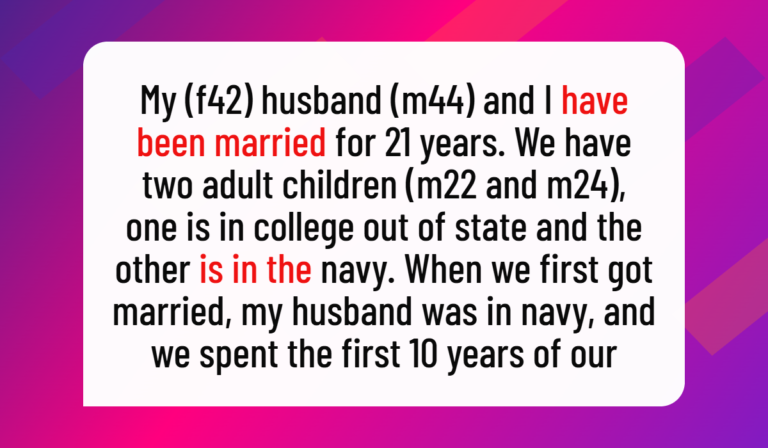
A new dad has found himself arguing with his sister over how he and his wife feed their baby. After eight months of helping his wife through breastfeeding, he feels he knows what works best for their child. But his sister doesn’t agree with their choices.
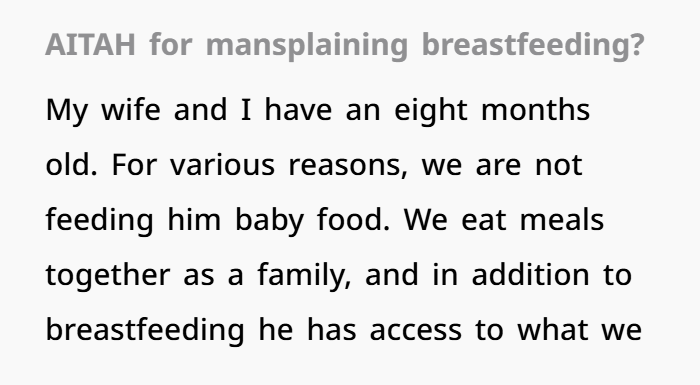
Their baby is healthy and doing well. Along with breast milk, the parents have started giving their child soft foods like eggs, lentils, and tofu. They’re following advice from their baby’s doctor and using a method called baby-led weaning. This means letting their baby try suitable foods at their own pace while still getting breast milk.
The trouble started when his sister, who doesn’t have children, told him babies should start eating store-bought baby food at six months. She insisted their way of feeding the baby wasn’t safe and questioned their choices. What began as a talk about food soon turned into an argument.
Things got worse when she accused him of “mansplaining breastfeeding.” He was upset by the comment because he wasn’t trying to teach her about breastfeeding. He was explaining how he and his wife had chosen to feed their child.
As a father who takes an active role in raising his baby, he felt his views deserved respect. He also believed his sister had no right to tell them how to parent, especially when they were following their doctor’s advice.
Now he’s wondering whether he was too harsh with his sister or simply standing up for his family. Should he have ignored her comments to keep the peace, or was he right to defend their choices?
The argument raises a question many parents face: When does helpful advice turn into unwanted judgment? It also shows why respecting parents’ choices and knowing when to step back can help avoid family fights.
A dad’s childless sister had been insisting for two months that he was feeding his baby all wrong
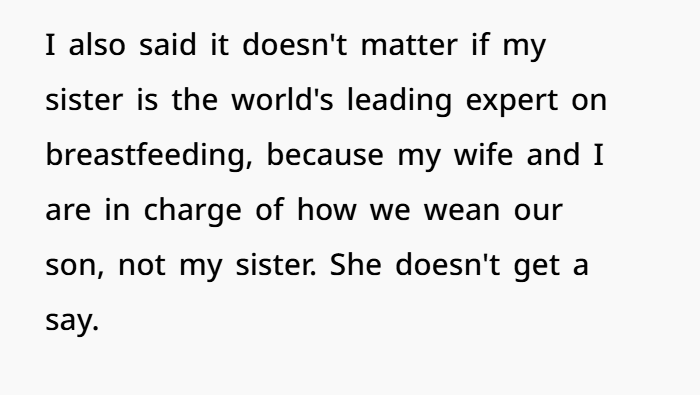
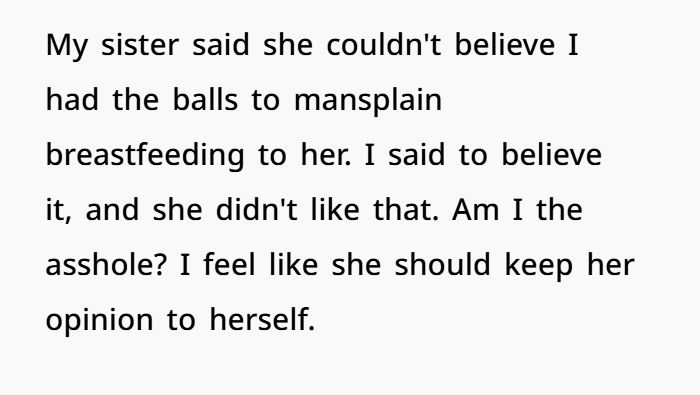
This story isn’t just about what a baby should eat. It’s also about family opinions, parenting choices, and how a simple talk can turn into an argument. It raises an important question: When does giving advice cross the line?
1. Was the Father Right About Breastfeeding and Baby Food?
First, let’s look at what health experts say about feeding babies.
Doctors generally advise giving babies only breast milk for about the first six months. After that, parents can start offering solid foods while continuing to breastfeed.
But starting solid foods doesn’t mean babies must eat store-bought baby food or purées. There are other ways to help babies learn to eat.
One common method is baby-led weaning. Instead of relying only on spoon-feeding, parents let their babies pick up and explore soft foods on their own.
This can help babies learn how to handle food, try new tastes, and join family meals. Parents must still make sure their baby is ready and that each food is prepared safely.
Foods like eggs, avocado, lentils, tofu, and soft cooked vegetables can be good choices. They should be served in safe shapes and textures based on the baby’s age and skills.
Some foods need extra care. Babies under one year should never have honey. Whole nuts and other foods that could cause choking should also be avoided. Too much salt isn’t good for babies, either.
In this case, the father and his wife were following their baby’s doctor’s advice. Their feeding method wasn’t strange or careless. It was a known approach that many parents use.
Advertisement – Continue Reading Below
2. Does His Sister Have the Right to Correct Him?
This is where things get more personal.
The sister believed babies needed traditional baby food once they reached six months. When her brother disagreed, she accused him of mansplaining.
Mansplaining usually means a man explains something to a woman in a rude or superior way. It often involves acting as though she knows less, even when she has knowledge or experience.
But was that really happening here?
The father wasn’t trying to teach his sister how breastfeeding works. He was explaining how he and his wife had chosen to feed their baby.
His sister doesn’t have children, but that alone doesn’t mean her views are wrong. People can learn about child care without being parents themselves.
Still, she was making strong claims about a child who wasn’t hers. The father had good reason to explain why he and his wife felt safe with their choice.
Correcting someone doesn’t always mean talking down to them. The way a person speaks matters just as much as the facts they share.
Parents should be able to explain their choices without being accused of doing something wrong simply because someone disagrees.
3. Why Did the Argument Get So Personal?
Sometimes family arguments grow because people feel hurt, not because the topic is that serious.
The sister may have felt embarrassed when her brother corrected her. She might have thought he was brushing off her concerns or treating her opinion as worthless.
It’s also possible that she truly believed the baby was being fed the wrong way.
We can’t know exactly what upset her without hearing her side.
There’s also the issue of how people view mothers and fathers. Some still expect mothers to know more about feeding and caring for babies.
But fathers can be just as involved in learning about their children’s needs. This dad had spent months helping his wife and taking part in feeding choices.
He wasn’t speaking as an outsider. He was speaking as a parent who cared about his child’s health.
Even so, having the right facts doesn’t always mean an argument is handled well.
A simple response like, “We’ve talked to our baby’s doctor, and we’re happy with this plan,” might have kept things calmer.
4. How Can Parents Handle Unwanted Advice?
Anyone raising a child knows that advice can come from almost everywhere.
Parents, siblings, friends, and even strangers often have strong views about what babies should eat, how they should sleep, and how they should be raised.
Some advice comes from love and concern. Other times, it can feel like someone is judging every choice you make.
The key is learning how to respond without turning every difference of opinion into a fight.
Here are a few ways parents can handle these moments:
- Keep the facts simple. Explain that you’ve spoken with your child’s doctor and feel good about the plan.
- Speak as a team. Saying “we decided” shows that both parents are involved.
- Recognize good intentions. Let family members know you understand they care about the baby.
- Set clear limits. Make it known that you’re willing to listen, but the final choice belongs to the parents.
For example, the father could have said, “I know you care about our baby, but we’ve looked into this and talked with our doctor. We’re comfortable with how we’re feeding him.”
That response is firm without being rude.
Of course, not everyone will accept a calm answer. Some people will keep pushing their views no matter how politely you respond.
When that happens, it’s fine to end the discussion rather than keep arguing.
5. Why Involved Fathers Deserve Respect
Another important part of this story is the father’s role in raising his child.
He’s not leaving every choice to his wife. He’s learning about feeding, helping her through breastfeeding, and taking part in their baby’s care.
That’s what an involved parent should do.
Breastfeeding may be something his wife does, but caring for their baby’s health is a shared duty.
A father can learn about breast milk, solid foods, sleep, and child growth. He doesn’t need to be the one breastfeeding to understand how feeding choices affect his child.
His knowledge also shouldn’t be dismissed just because he’s a man.
At the same time, being an involved father doesn’t mean he’s always right. Like any parent, he should remain open to good advice and new facts.
The goal isn’t to prove who knows more. It’s to make choices that help the baby grow safely and stay healthy.
6. What This Argument Is Really About
At first, this disagreement seemed to be about whether a baby should eat purées or soft finger foods.
But it soon became a fight about respect.
The sister wanted her concerns to be taken seriously. The father wanted her to respect the choices he and his wife had made.
Both may have felt the other wasn’t listening.
That’s often how small family disagreements become much bigger than they need to be.
The father had a fair reason to stand by their feeding plan, especially since they were following medical advice. But the way he responded still matters.
His sister also had the right to raise a concern. What she couldn’t fairly expect was for the parents to change their plans just because she disagreed.
There’s a difference between asking a caring question and insisting that someone else is raising their child the wrong way.
Final Thoughts
This story shows how quickly unwanted parenting advice can create tension between family members.
The father and his wife had chosen a feeding method with help from their baby’s doctor. They had every reason to feel confident in that choice.
His sister may have meant well, but calling him out for explaining their approach didn’t help settle the issue.
In the end, parents need room to make informed choices without feeling judged at every turn. Family members can share concerns, but they also need to know when to step back.
The father doesn’t have to agree with his sister to respect her. And she doesn’t have to agree with his parenting choices to respect him.
The real lesson is simple: Caring about a child doesn’t mean you get to make every choice for that child.
Good advice should help parents feel supported, not turn family talks into fights.cussing breastfeeding, baby food, or weaning. Being a parent gives him a voice.
The internet overwhelmingly sided with the dad, declaring it wasn’t mansplaining, just parenting
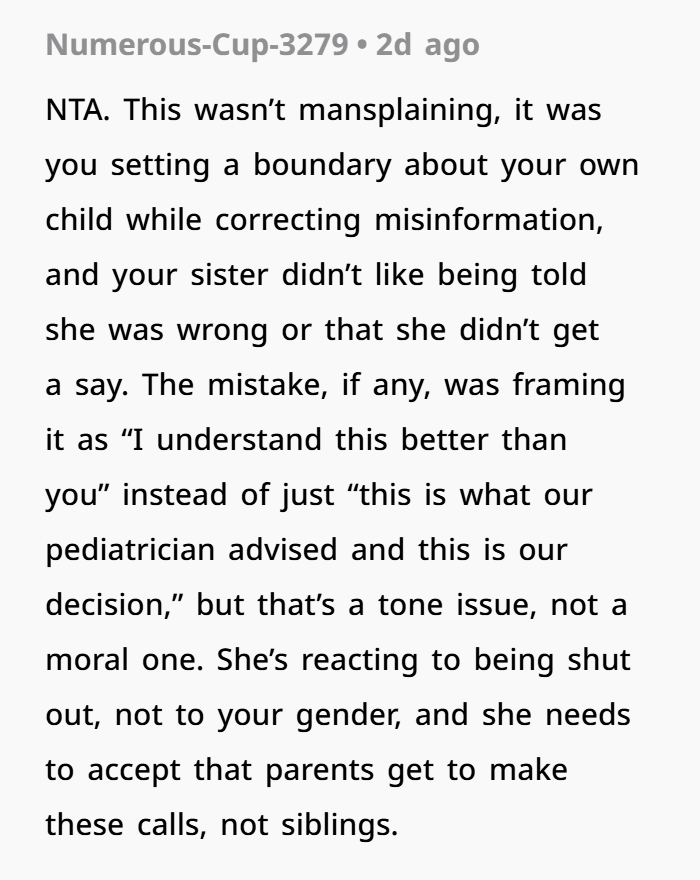
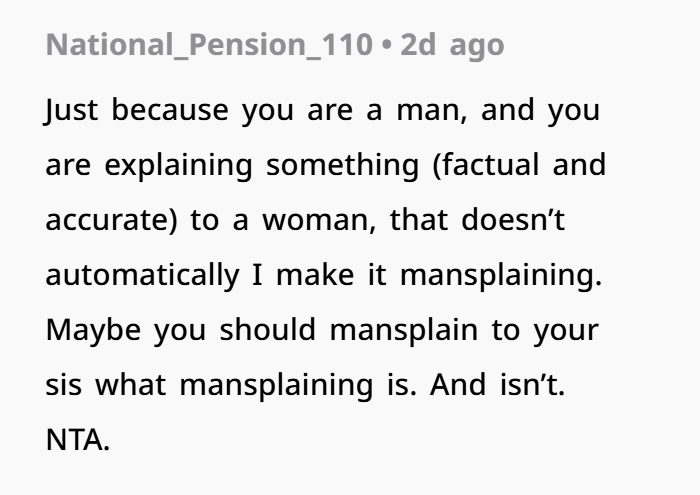


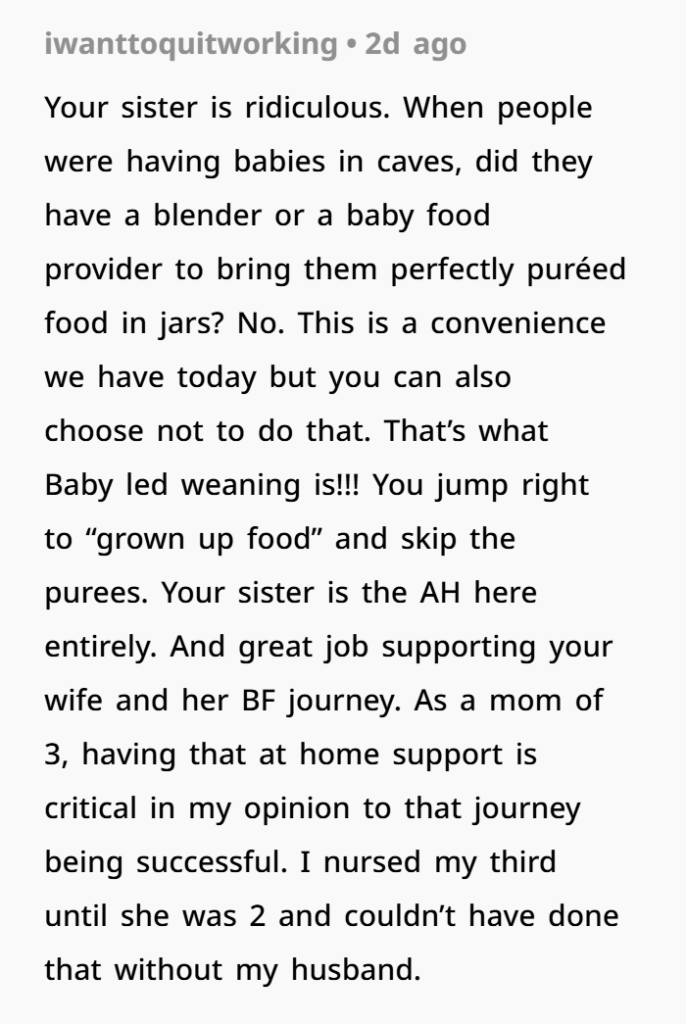
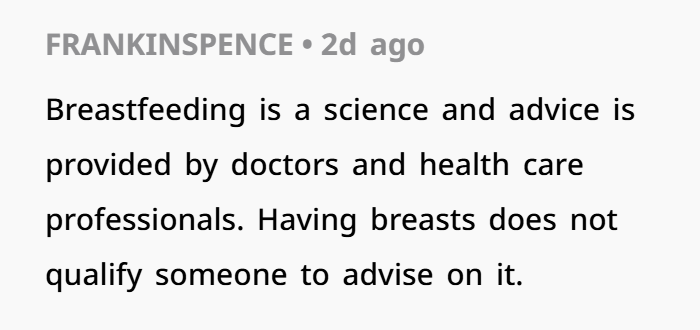
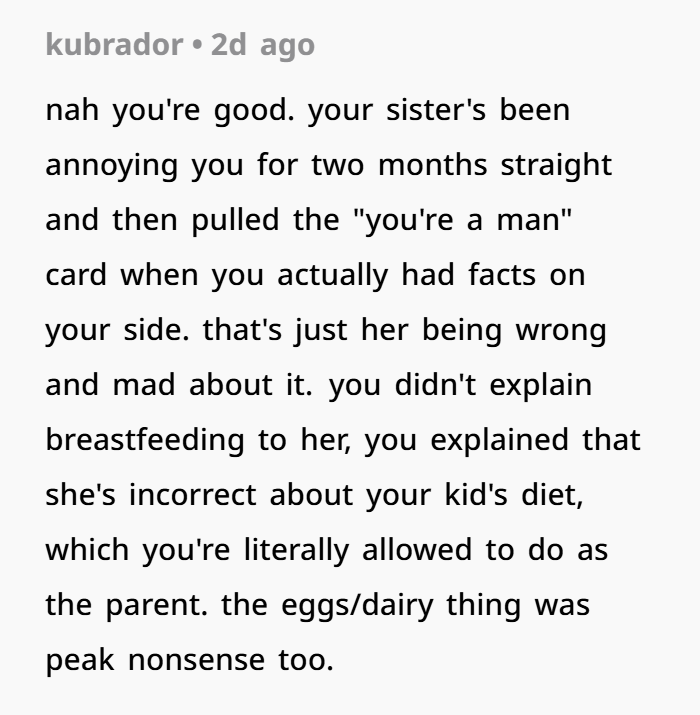
So, was he wrong for “mansplaining” breastfeeding? Probably not. He wasn’t trying to make his sister feel stupid or act like he knew everything. He was simply standing up for his child, supporting his wife, and explaining why they chose that feeding method.
His sister may have felt hurt or ignored, but she was also pushing her views about someone else’s baby. Parents have the right to make choices for their children, even when family members disagree.
Raising a child means dealing with plenty of unwanted advice. Sometimes it’s easier to let things go. Other times, you need to speak up and say, “We’ve made our choice, and we’re happy with it.”
Still, being right doesn’t mean every argument is worth having. A calm response might have helped him make his point without causing more tension with his sister.