
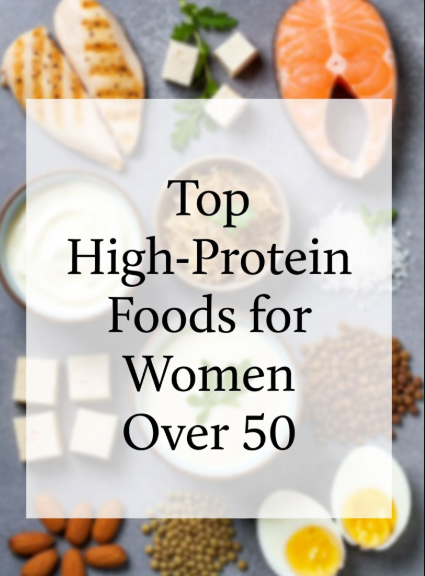
Top High-Protein Foods for Women Over 50
“Protein? Isn’t that just for bodybuilders and gym bros?”
If you’ve ever rolled your eyes at the idea of suddenly turning into a chicken-breast-shoveling fitness fanatic after 50, you’re not alone. But here’s the truth most women discover too late: protein is one of your strongest allies for staying strong, steady, and sharp as you age.
It helps maintain lean muscle, supports bone density, keeps your metabolism humming, and even protects brain health. Think of it as your personal Swiss Army knife — versatile, reliable, and far more exciting than it first appears.
After 50, our bodies play by new rules. Hormonal shifts make muscle maintenance harder, appetite often decreases, and energy for complicated cooking can disappear. The good news? You don’t need to live on protein shakes or spend hours in the kitchen. Smart, simple choices make all the difference.
Here are the Top 10 High-Protein Foods for Women Over 50 — each one chosen for its power, practicality, and real-life appeal.
1. Greek Yogurt: The Creamy Calcium Champion
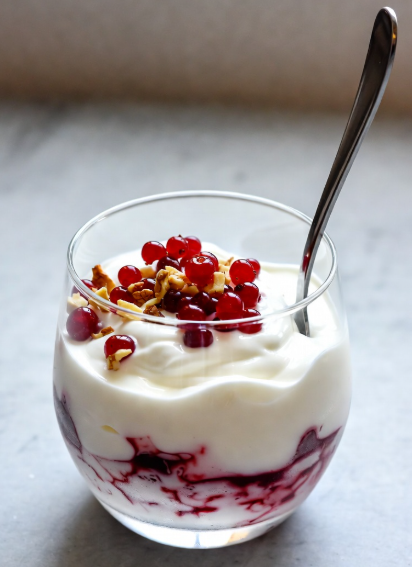
One cup of plain nonfat Greek yogurt delivers about 20g of protein plus a solid hit of calcium your bones desperately need right now.
It feels like eating a cloud that actively fights bone loss.
Tip: Stir in fresh berries, a drizzle of honey, and ground flaxseeds for extra fiber and antioxidants.
Probiotic bonus: It can help calm digestive drama that often comes with age.
Don’t like the tartness? Go for vanilla Greek yogurt or blend it into a smoothie with banana and spinach — you’ll never know it’s working its magic.
2. Eggs: Nature’s Perfect Little Packages

Each large egg gives you roughly 6g of complete protein with all nine essential amino acids. The yolk adds choline, which supports memory and brain health.
Picture every egg as a tiny treasure chest full of goodness.
Tip: Don’t fear the yolk — current science says moderate whole-egg consumption is fine for most women.
Hack: Hard-boil a dozen on Sunday. They become instant high-protein snacks or salad toppers when life gets hectic.
3. Cottage Cheese: The Quiet Overachiever
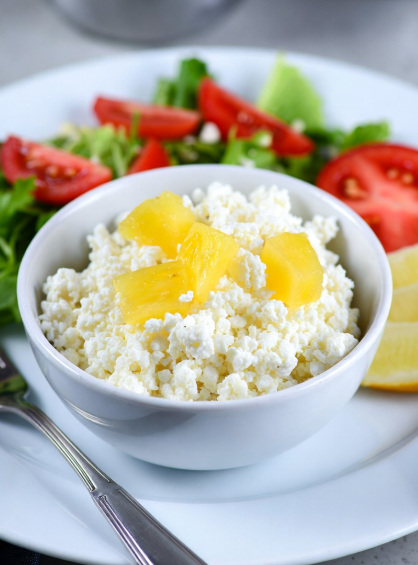
One cup packs around 25g of protein, mostly slow-digesting casein that keeps you satisfied for hours.
It’s like ricotta’s bolder, chunkier sibling — surprisingly versatile once you get to know it.
Best use: Blend it smooth and top with pineapple or melon for a sweet-savory treat, or enjoy it straight as a pre-bed snack to support overnight muscle repair.
4. Lean Chicken Breast: The Reliable Classic
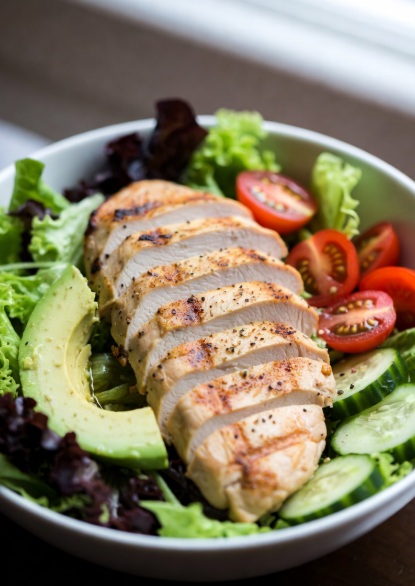
A 3-ounce cooked serving delivers about 26g of protein with very little fat.
It’s the little black dress of the protein world — timeless and works with almost anything.
Tip: Marinate overnight in olive oil, lemon zest, garlic, and herbs, then grill or pan-sear.
Easy meal: Slice over mixed greens with cherry tomatoes and avocado for a satisfying power bowl.
5. Salmon & Other Fatty Fish: Protein + Omega-3 Bonus
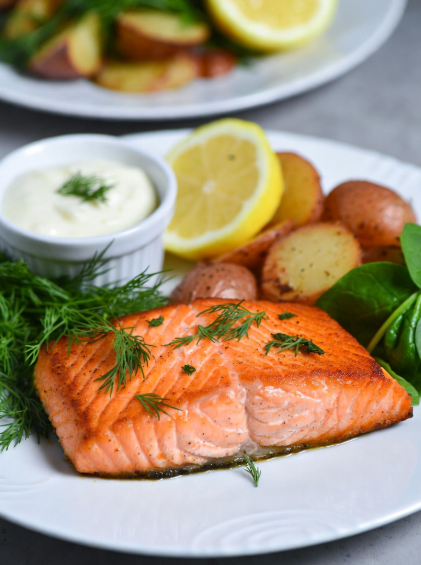
A 4-ounce fillet offers 22–25g of protein plus heart-healthy, joint-loving omega-3s.
It’s a genuine two-for-one deal: premium protein plus “good fats” that lubricate joints and support brain clarity.
Idea: Make salmon burgers with whole-grain buns and a Greek yogurt-dill sauce.
Choose wild-caught or responsibly farmed when possible.
Advertisement – Continue Reading Below
6. Lentils: The Tiny Legume Army
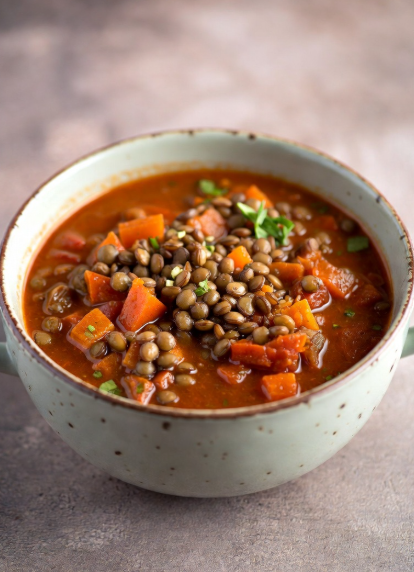
One cup of cooked lentils provides 18g of protein, plus fiber, iron, and B vitamins.
Imagine a battalion of tiny soldiers marching onto your plate to strengthen you from within.
Tip: Cook a big batch of lentil soup or curry on the weekend and portion it out for easy lunches all week.
7. Quinoa: The Ancient Grain Superhero
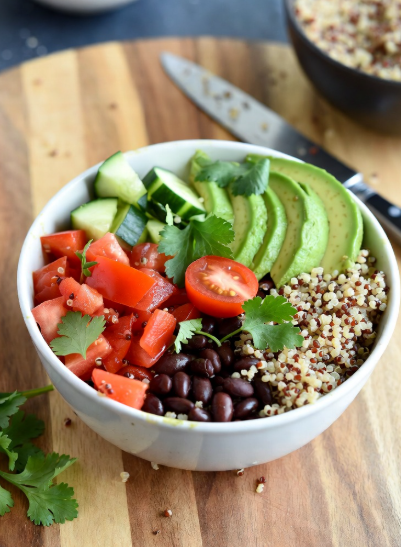
One cooked cup gives you 8g of complete protein, plus magnesium and iron.
It may look unassuming, but this small seed punches way above its weight.
Tip: Use it instead of rice — mix with sautéed vegetables, beans, and lime for a colorful, filling bowl.
Don’t forget to rinse it well to remove any bitter saponins.
8. Tofu & Tempeh: Plant-Based Powerhouses
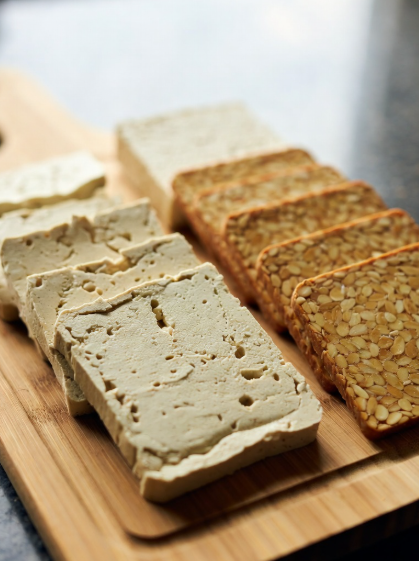
Firm tofu offers 10–12g of protein per half-cup, while tempeh delivers around 15g. Both provide complete proteins.
Tofu is the blank canvas of the kitchen — it takes on whatever bold flavors you give it.
Tip: Press, cube, marinate in soy sauce, ginger, and garlic, then pan-fry until crispy.
Tempeh twist: Crumble it into tacos, chili, or veggie burgers for a delicious nutty chew.
9. Nuts & Seeds: Small but Mighty Gems
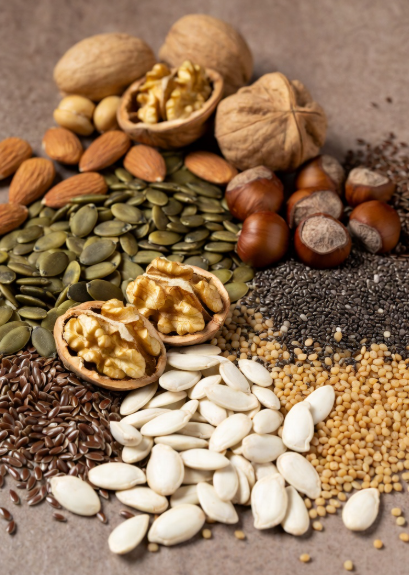
An ounce of almonds gives ~6g protein. Chia seeds offer 4–5g per two tablespoons, plus fiber and omega-3s. Hemp seeds are even higher (~10g per two tablespoons).
These are the sprinkles on your protein sundae — tiny but surprisingly powerful.
Idea: Create your own trail mix with almonds, walnuts, pumpkin seeds, and a few dark chocolate chips. Sprinkle hemp or pistachios over yogurt or salads.
10. Edamame: The Fun Green Bites
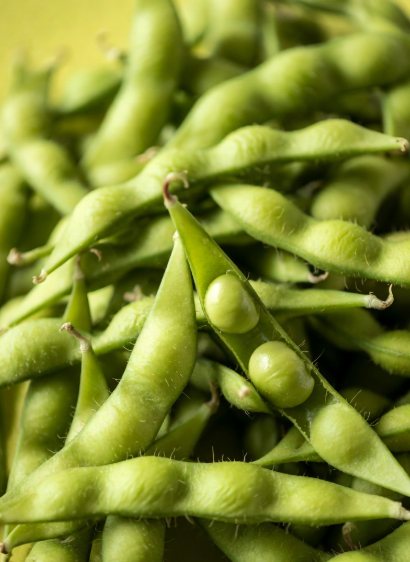
One cup of shelled edamame delivers 17g of protein, plus folate and vitamin K.
These bright green pods feel like playful puzzle pieces that complete your nutritional picture.
Simple snack: Steam and toss with sea salt and chili flakes.
Meal boost: Add them to grain bowls or salads for extra color and protein.
Putting It All Together: A Simple Weekly Blueprint
- Monday
Breakfast: Greek yogurt parfait with berries & flax
Lunch: Quinoa salad with grilled chicken, edamame & spinach
Dinner: Baked salmon with steamed broccoli - Tuesday
Breakfast: Veggie omelet (2 eggs + extra whites) with a little feta
Lunch: Lentil soup + whole-grain toast
Dinner: Tofu stir-fry with mixed vegetables & brown rice
Mix and match freely. Keep staples like hard-boiled eggs and cottage cheese ready for busy days.
Protein Myths — Busted
- “I’ll bulk up like a bodybuilder.”
Not happening. Women over 50 need protein to maintain muscle, not build bulky physiques. Your hormones simply won’t let that occur easily. - “I can’t handle dairy anymore.”
Try lactose-free cottage cheese or Greek yogurt. Plant-based yogurts fortified with pea or soy protein also work well. - “Supplements are enough.”
Whole foods win because they deliver vitamins, minerals, and fiber together. Use powders and bars as helpful backups, not the main event.
Quick Tips to Make Protein Easy
- Stir a scoop of protein powder into oatmeal or pancake batter.
- Batch-cook on Sunday: roast chicken, boil eggs, simmer lentils.
- Always pair protein with fiber and healthy fats to stay full longer.
- Drink plenty of water — protein needs it for proper metabolism.