Should Your Kids Go Trick-or-Treating Tonight? What Parents Need to Know
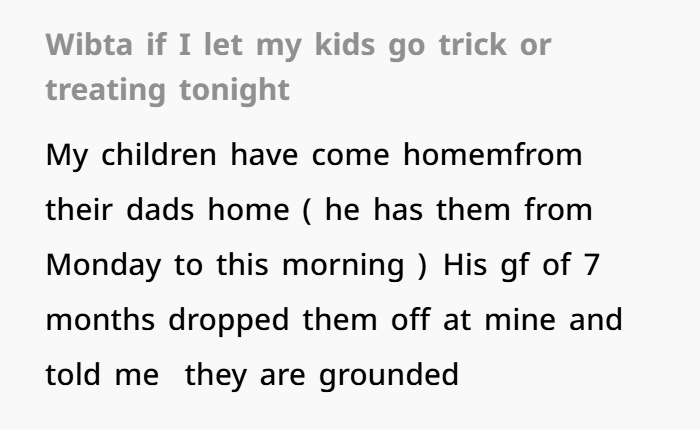
A parent is trying to decide whether to let their children go trick-or-treating after their father’s girlfriend grounded them.
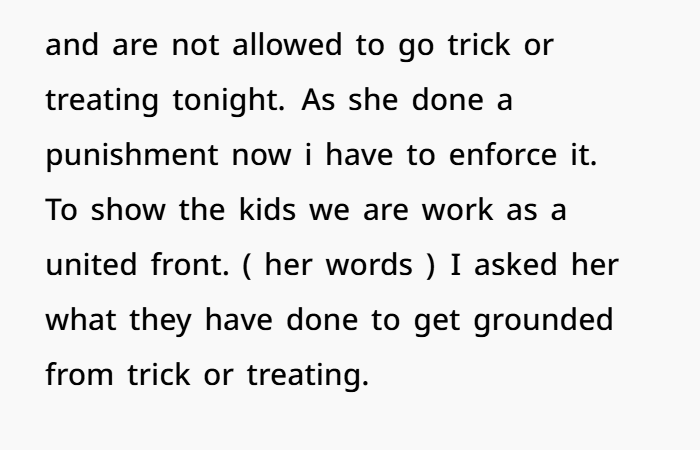
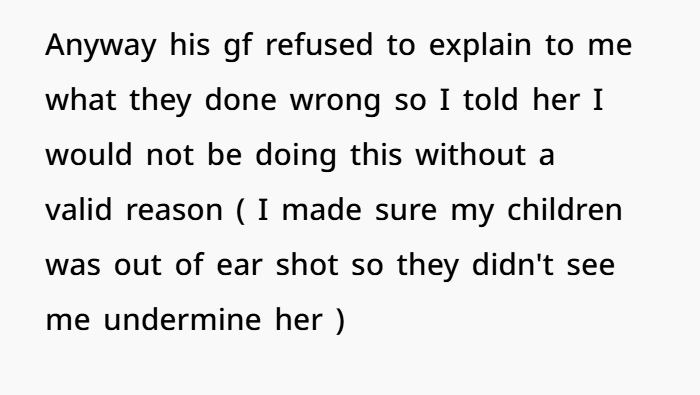
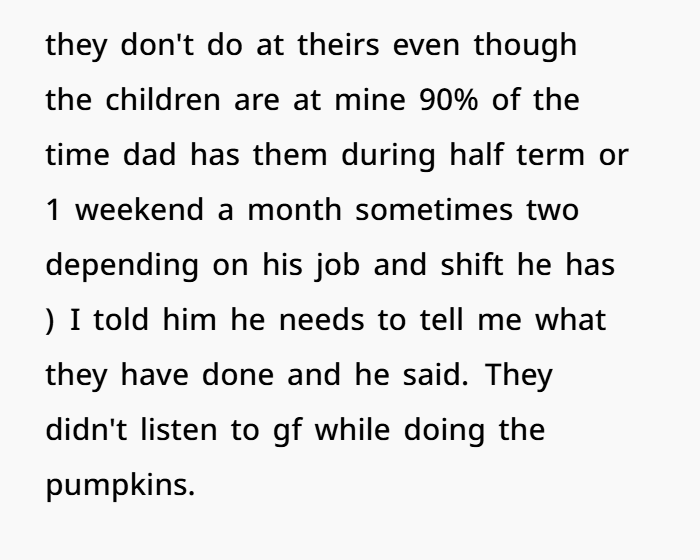
The children recently returned from their father’s home, where his girlfriend told them they would not be allowed to go trick-or-treating for Halloween. She had been involved in their lives for about seven months and decided on the punishment after the children allegedly ignored instructions and made a mess the previous day.
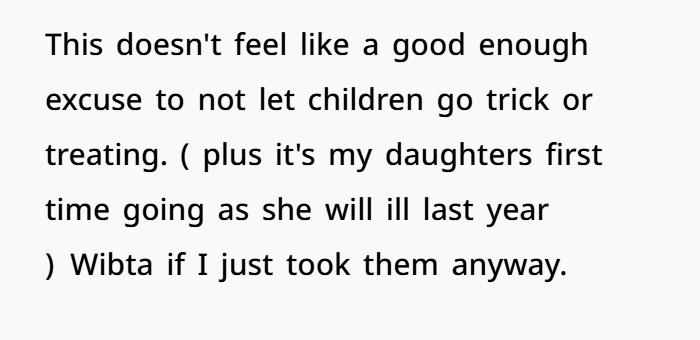
The children were upset by the decision. The daughter was especially disappointed because she had missed Halloween the year before due to being sick and had been excited to celebrate this time.
The parent questioned whether the punishment was too strict, especially considering the children’s ages. One child is five years old and has attention challenges, while the three-year-old is still at an age where getting distracted during play is normal.
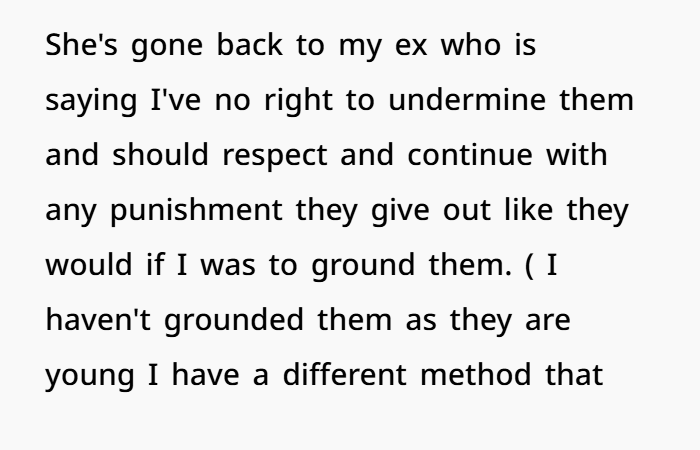
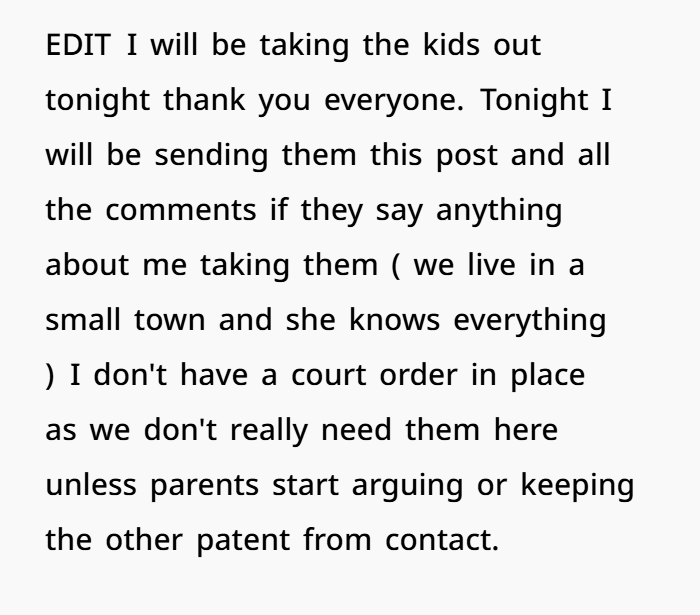
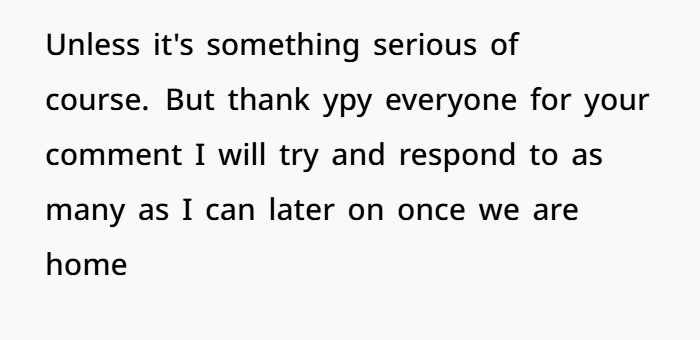
Now the parent must decide what to do. There is no court order requiring them to follow a punishment chosen by the father’s girlfriend, and the children spend most of their time with them. However, they also want to avoid creating more tension and harming the co-parenting relationship.
The main issue is whether allowing the children to trick-or-treat would go against the other parent’s decision or whether it would be a reasonable choice based on the children’s age, emotional needs, and the importance of healthy parenting boundaries.
The children returned from their father’s home after his girlfriend said they were being punished by losing trick-or-treating privileges.
Parenting can be difficult on its own, and it can become even more challenging in co-parenting situations or blended families.
When parents have different rules, discipline styles, and expectations, children can become caught between different approaches. Adults may struggle to decide what feels fair while trying to protect their children’s emotional needs.
This situation raises questions about discipline, co-parenting communication, holiday decisions, and the importance of setting clear boundaries between adults.
1. Discipline and Holiday Consequences
Some parents use special activities, such as Halloween or trick-or-treating, as consequences for behavior.
This approach can sometimes help children understand that choices have results. However, consequences usually work best when they match a child’s age and understanding.
For young children, such as those who are three and five years old, it can be difficult to connect a punishment with something that happened earlier, especially if the reason is not explained clearly.
Young children often respond better to simple explanations, such as:
- “You did not listen when we asked.”
- “You made a mess and need to help clean it.”
- “Next time, we need to make a better choice.”
Without clear communication, discipline may feel confusing instead of teaching a lesson.
2. The Importance of Consistent Co-Parenting
One of the biggest challenges in shared parenting is keeping expectations clear between households.
Parents do not always need to have identical rules, but major decisions should be discussed when possible.
Advertisement – Continue Reading Below
For example:
- One parent may allow a special activity
- Another parent may remove that privilege as punishment
When adults disagree without explaining their choices, children may struggle to understand what is expected of them.
Good communication between parents and caregivers can create a more stable environment and help children feel secure.
3. Holidays and Childhood Memories
Special events like Halloween can feel very important to children.
These moments often create excitement, family memories, and experiences they remember for years.
At the same time, discipline is also important. Parents often need to find a balance between teaching responsibility and allowing children to enjoy meaningful childhood moments.
Removing a special event can feel especially upsetting when a child has been looking forward to it for a long time.
4. Problems With Mixed Discipline Decisions
When one caregiver changes another caregiver’s punishment, it can create challenges, including:
- Confusion for children
- More disagreements between adults
- Less consistency with rules
- Ongoing family tension
However, punishments that feel too harsh or unclear can also create frustration and hurt feelings.
Children are more likely to learn from consequences when they understand why they are happening.
5. Healthier Ways to Handle the Situation
A more balanced approach could include:
- Talking with the other parent before making decisions
- Understanding the reason behind the punishment
- Making sure consequences match the child’s age
- Finding a compromise when possible
- Using smaller consequences for smaller issues
Instead of removing an important holiday experience, parents could consider other consequences, such as limiting screen time or giving extra responsibilities.
The goal of discipline is to teach responsibility while still allowing children to feel supported.
6. Considering the Children’s Feelings
Children often remember how they felt during important moments.
A holiday like Halloween can represent fun, connection, and happy memories. Parents can consider whether a punishment will teach a lesson or only create disappointment.
Good parenting includes both guidance and emotional support. Children need boundaries, but they also need to feel understood and cared for.
Final Thoughts
In co-parenting situations, communication between adults is often the biggest challenge.
Healthy co-parenting depends on:
- Clear boundaries
- Respectful conversations
- Fair discipline
- Understanding each other’s roles
The goal of parenting is not only to correct mistakes. It is also to help children feel safe, loved, and supported.
When adults work together, children are more likely to feel secure while learning responsibility and healthy limits.
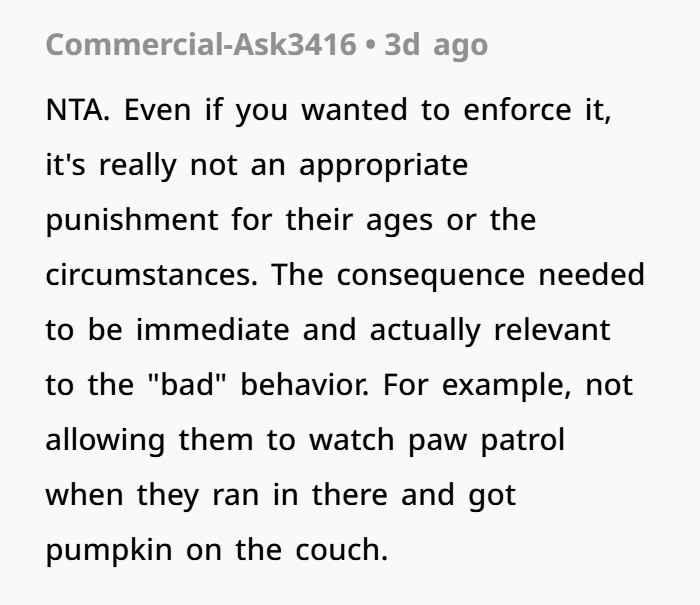
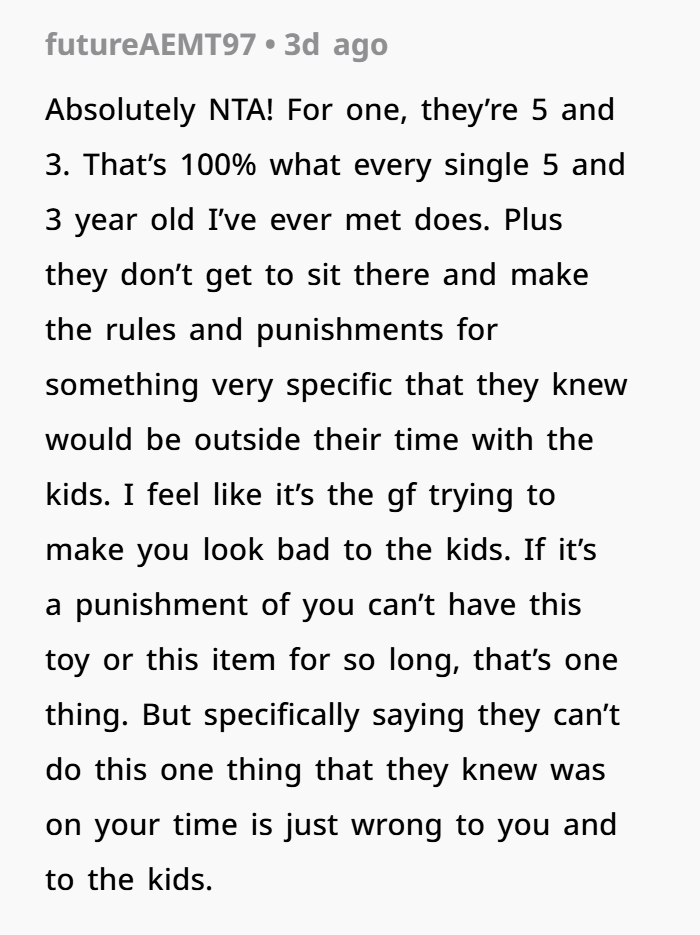
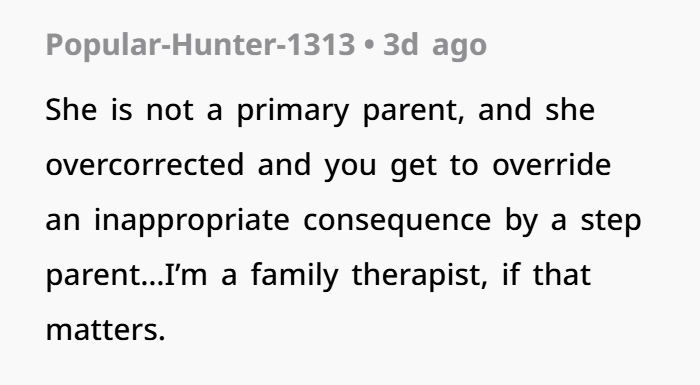
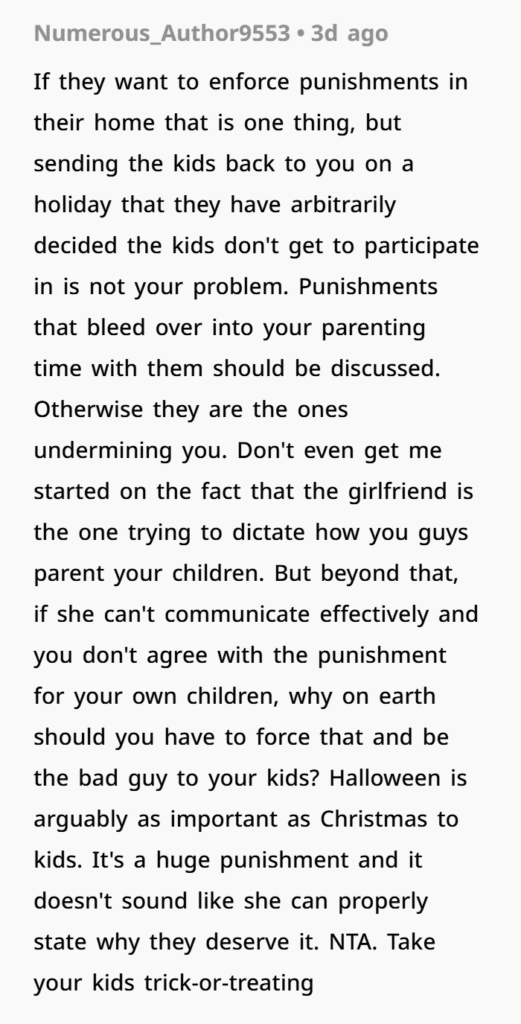
Many people criticized the decision to remove trick-or-treating from very young children. They argued that young kids often need guidance and age-appropriate consequences rather than losing special childhood experiences.