New Parents Face Family Pressure to Have a Boy After Welcoming Their Baby Girl
Adopting a child should be a happy moment for any family. But for one couple, that joy soon turned into heartbreak when their relatives began making hurtful demands.
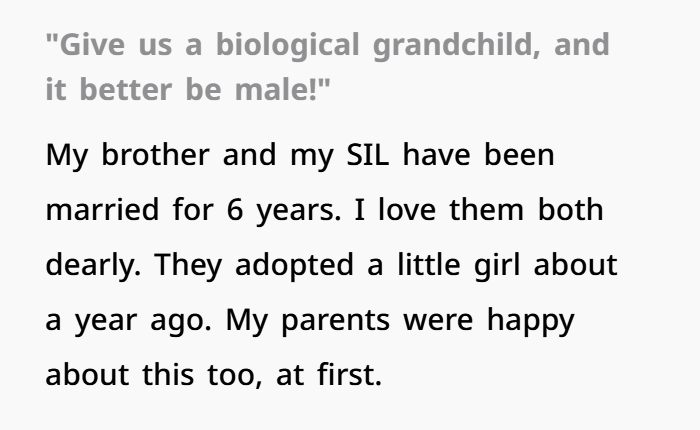
The couple had adopted a young girl and were excited to raise her as their daughter.
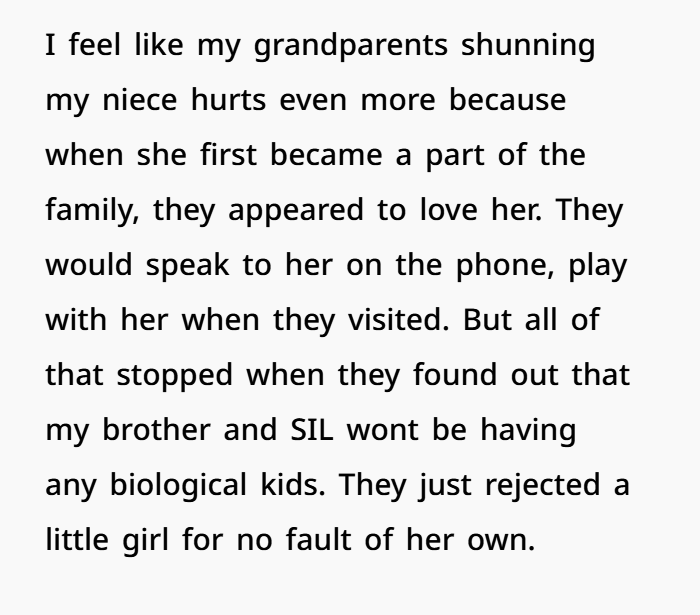
At first, the grandparents seemed pleased with the decision. They welcomed the little girl and appeared happy to have a new member of the family.
But things changed when the couple shared another important decision.
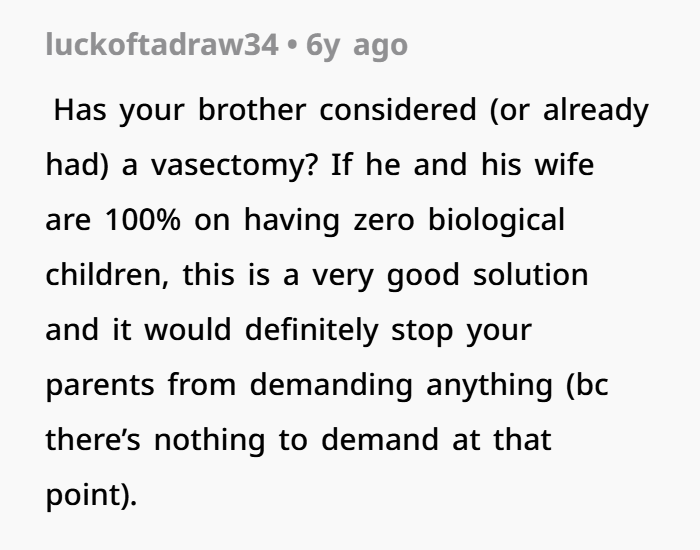
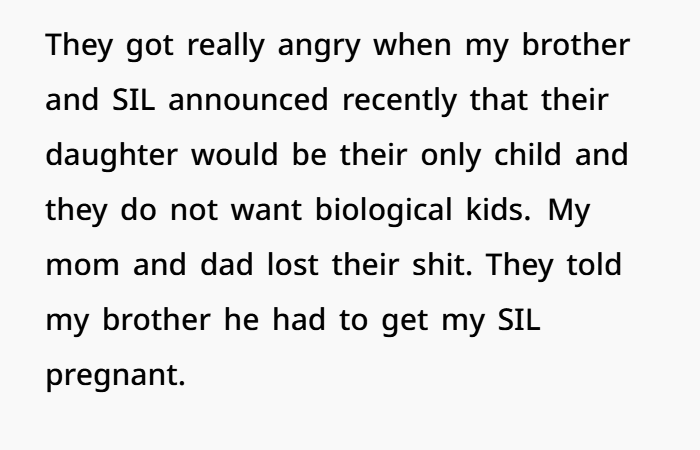
They explained that they didn’t plan to have biological children.
Instead of respecting their choice, the grandparents became upset.
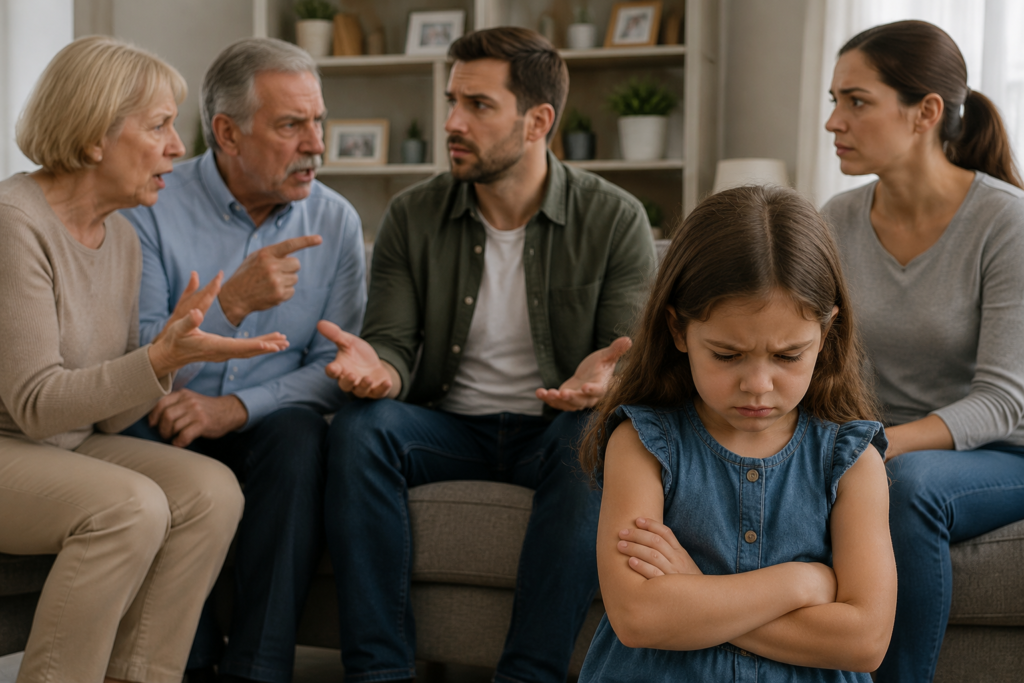
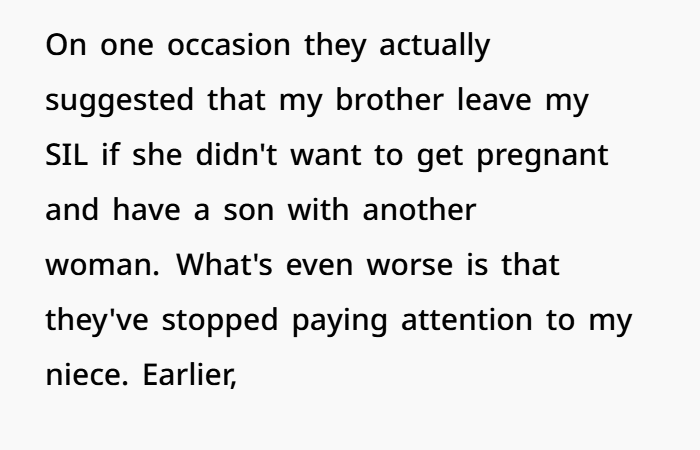
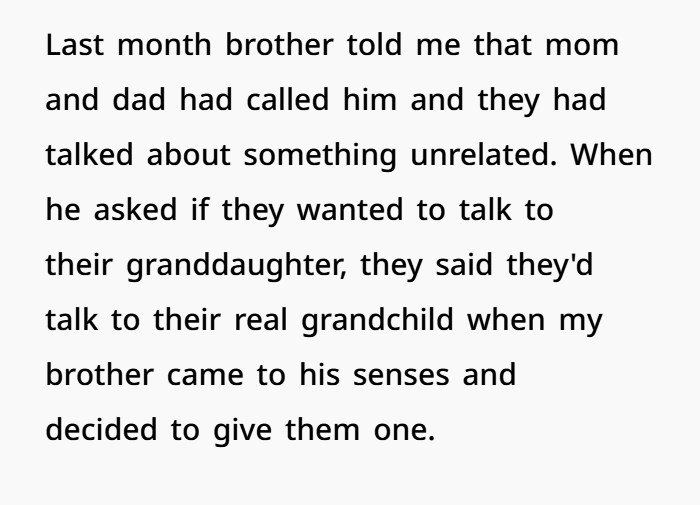
They wanted their son and daughter-in-law to have a biological child. And they weren’t just hoping for another grandchild. They wanted a boy.
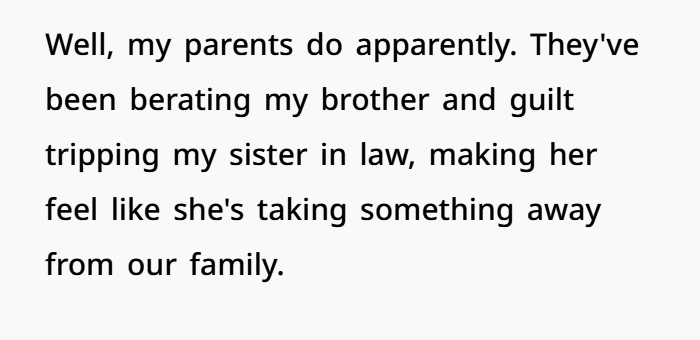
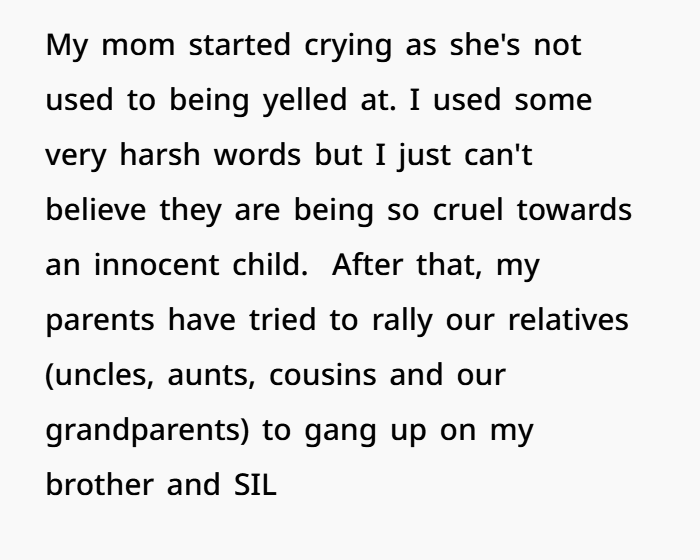
The grandparents began pressuring their son to convince his wife to have a baby.
They made comments about the couple’s family plans and acted as though adopting a daughter wasn’t enough.
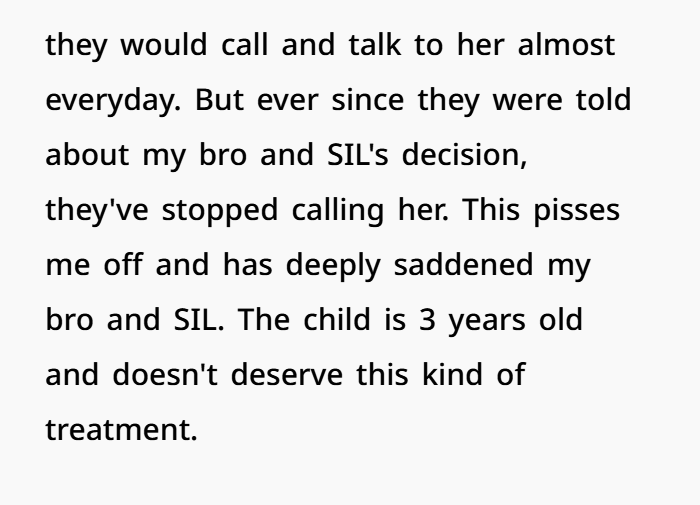
What made the situation even more painful was how they started treating their granddaughter.The grandparents slowly began pulling away from the little girl.
They stopped calling as often, visited less, and showed less interest in spending time with her.
The child had done nothing wrong, yet she was being treated differently because she wasn’t related to them by blood.
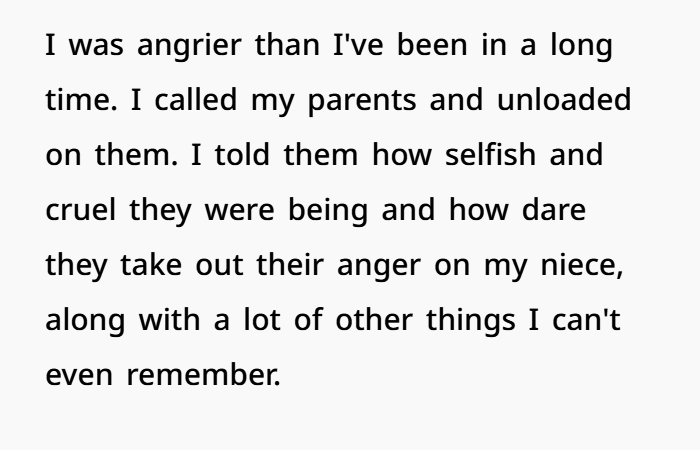
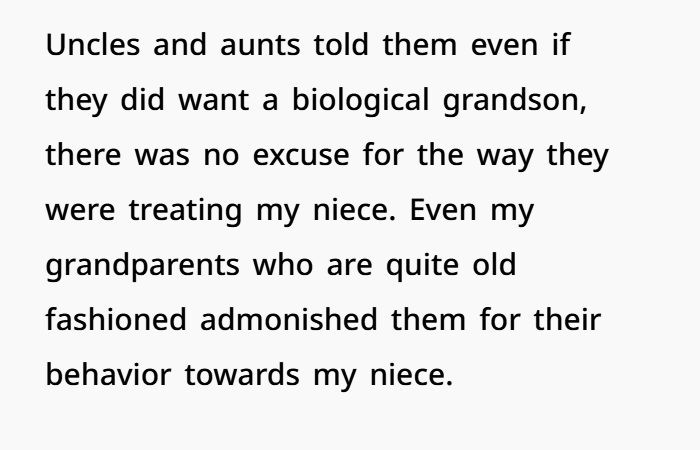
Other family members noticed the change and were upset by what they saw.
They believed the grandparents were being unfair to both the parents and their daughter.
One relative finally decided to speak up.
They made it clear that being a family isn’t just about sharing the same blood.
Advertisement – Continue Reading Below
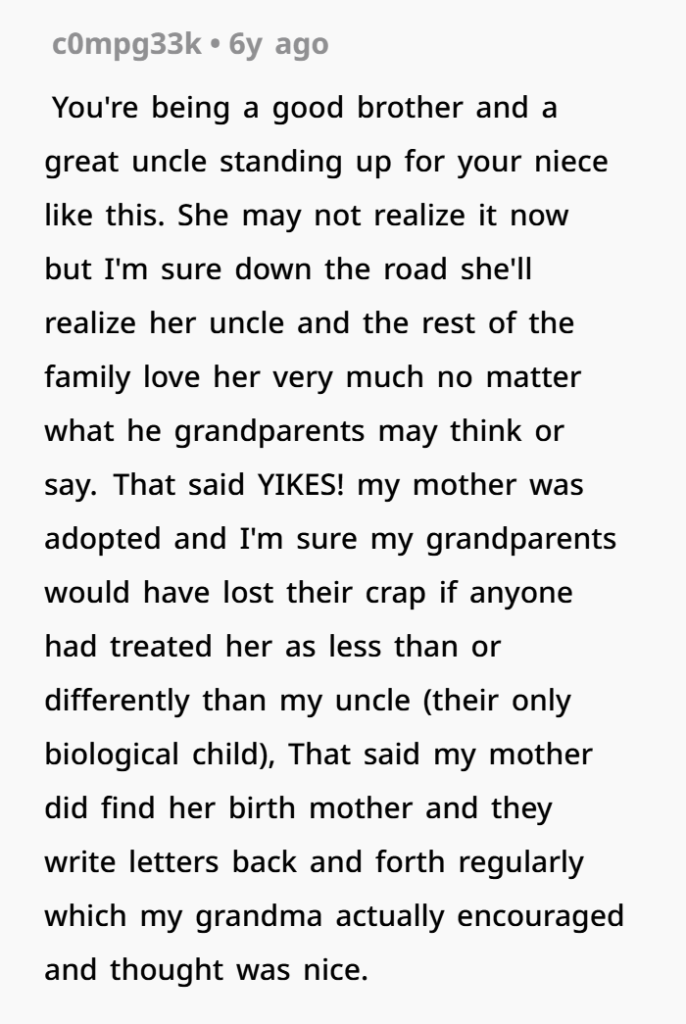
An adopted child deserves the same love, care, and respect as any other child.
The relative also pointed out that the couple had every right to decide whether they wanted more children.
Having a baby should be a personal choice, not something people do to please their parents.
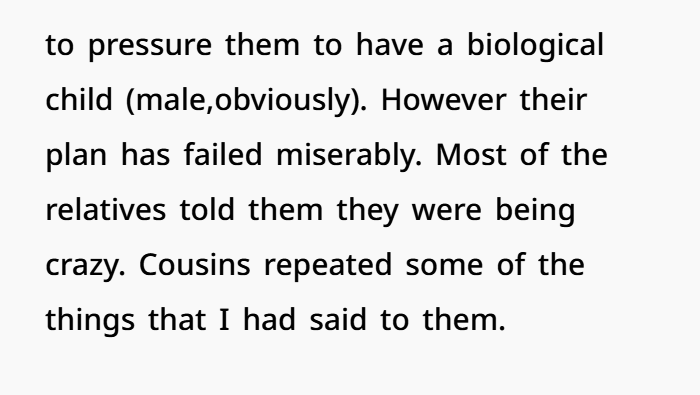
Other relatives agreed and stood behind the couple.
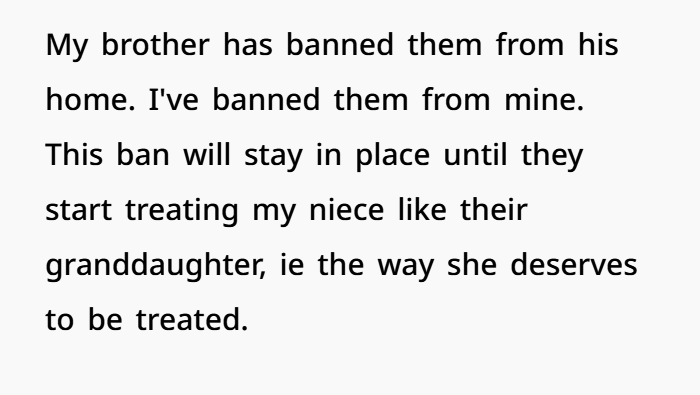
Eventually, the siblings decided to distance themselves from the grandparents until they were ready to treat their adopted granddaughter with the same love and respect as any other grandchild.
The conflict showed how deeply family expectations can hurt when they are placed above a child’s feelings.
The grandparents seemed focused on having a biological grandson, while the couple simply wanted their daughter to feel loved and accepted.
Their actions also raised an important question: why should a child’s place in a family depend on whether they share the same DNA?
Adoption creates real families, and the love between parents and children doesn’t become less meaningful because they aren’t related by blood.
Every child deserves to grow up knowing they belong.
And no child should ever have to earn the love of their grandparents simply because they joined the family through adoption.
This story raises important questions about family, respect, and how adults treat children.
The biggest problem began when the grandparents learned their son and daughter-in-law didn’t want biological children.
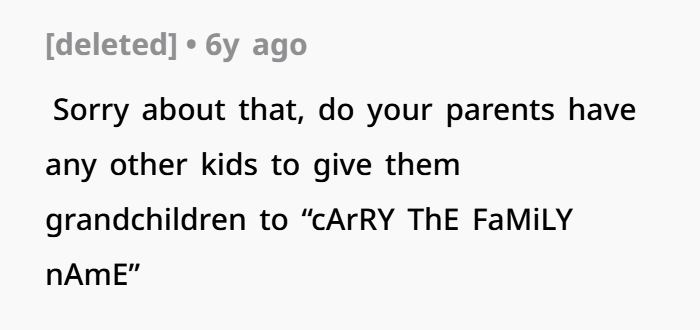
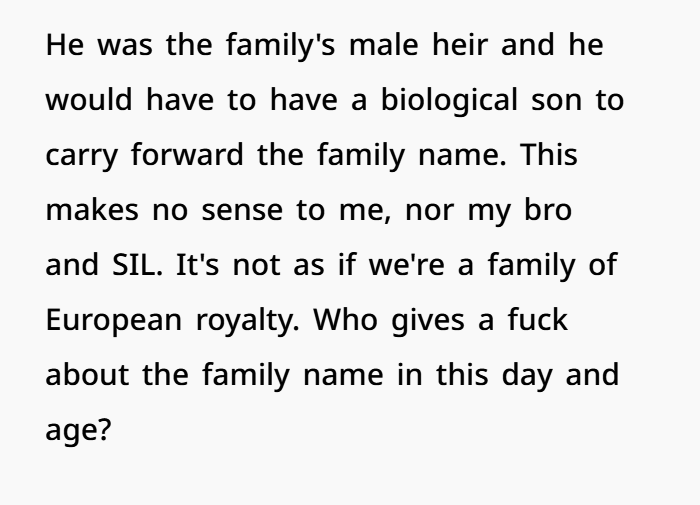
Instead of accepting their choice, they pushed the couple to have a baby boy to carry on the family name.
But being a family isn’t just about blood or tradition. It’s about loving, caring for, and standing by one another.
Every couple should have the freedom to decide whether they want children and how they want to build their family.
The Child Shouldn’t Suffer Because of Adult Disagreements
The saddest part of this story is how the grandparents’ behavior affected their adopted granddaughter.
The little girl had nothing to do with the disagreement. Yet she began receiving less attention from people who had once welcomed her.
Children need to feel safe, loved, and accepted by their families.
When grandparents suddenly stop visiting or calling, a child may feel confused or unwanted.
They might even wonder if they did something wrong.
No child should have to deal with those feelings because adults disagree about family choices.
Whether a child is adopted or related by blood, they deserve the same kindness and care.
Family Pressure Can Hurt Relationships
Parents often have hopes and dreams for their children, even after they grow up.
But those hopes can become harmful when they turn into demands.
In this case, the grandparents wanted their son and daughter-in-law to have a biological grandson.
They seemed more concerned about continuing the family line than respecting the couple’s wishes.
Having a child is a major life decision. It affects a couple’s health, finances, time, and future.
No one should feel forced to become a parent just to keep relatives happy.
When family members use guilt or pressure to get their way, it can damage trust.
Healthy relationships grow when people respect each other’s choices, even when they don’t agree.
Why Speaking Up Matters
One encouraging part of this story is that other relatives refused to stay silent.
They noticed how the grandparents were treating the little girl and decided to say something.
Instead of ignoring the problem, they stood up for the child and her parents.
Their actions showed that family support isn’t just about agreeing with everything someone does.
Sometimes, it means speaking up when someone is being treated unfairly.
By supporting the adopted granddaughter, the relatives helped show that she belonged in the family.
They also reminded the grandparents that love shouldn’t come with conditions.
Adoption Builds Real Family Bonds
Some people still believe that family connections are stronger when people share the same blood.
But adoption shows that love and commitment can create bonds just as meaningful.
Adoptive parents care for their children, comfort them when they’re upset, and celebrate their achievements.
They help with school, teach life lessons, and provide a safe place to grow.
These everyday moments build trust and lasting relationships.
A child doesn’t need to share their parents’ DNA to be loved as their own.
In this story, the couple had already chosen to become parents by adopting their daughter.
Their decision deserved respect, not criticism.
Adoption doesn’t make a child any less part of a family.
Why Healthy Family Boundaries Matter
Setting boundaries with relatives can be difficult, especially when parents or grandparents are involved.
But sometimes, creating distance is necessary to protect a child’s feelings.
In this case, the siblings decided to limit contact with the grandparents until their behavior changed.
Their goal was to make it clear that treating the adopted granddaughter unfairly was not acceptable.
Healthy boundaries aren’t meant to punish people.
They help families decide what behavior they will accept and what needs to change.
Parents have a duty to protect their children, even when that means making difficult choices about relatives.
Respecting those limits can also help rebuild trust over time.
The Value of Supportive Relatives
Family problems can feel overwhelming when someone has to face them alone.
That’s why support from siblings, aunts, uncles, and other relatives can make a difference.
In this story, several family members stood beside the couple and their daughter.
They showed that the little girl had people who cared about her and wanted her to feel included.
Supportive relatives can help children feel safe and loved, especially during family disagreements.
They can also encourage adults to solve problems through calm conversations instead of blame.
When relatives choose kindness over judgment, they help build stronger family bonds.
Families Come in Many Forms
Not every family looks the same, and that’s perfectly normal.
Some children grow up with both biological parents. Others are raised by adoptive parents, single parents, or blended families.
Families may include:
- Adopted children and their parents
- Stepparents and stepchildren
- Single parents raising children
- Grandparents caring for grandchildren
- Other relatives who take on parenting roles
Each family has its own story.
What matters most is whether children receive the love, care, and support they need.
A family doesn’t become less meaningful because it looks different from someone else’s idea of a traditional home.
Final Thoughts
At its heart, this story isn’t about whether biological children are more important than adopted children.
It’s about how adults treat the people they claim to love.
The grandparents wanted a biological grandson, but their demands ended up hurting the family they already had.
Their adopted granddaughter deserved to feel just as valued as any other child.
The couple also deserved the freedom to make their own choices about having more children.
Thankfully, other relatives stepped forward to support them and protect the little girl from unfair treatment.
The situation reminds us that love shouldn’t depend on bloodlines, gender, or family traditions.
A strong family isn’t defined by who shares the same DNA. It’s built by people who show up, care for one another, and make every child feel they belong.
Every child deserves to grow up knowing they are wanted, accepted, and loved for who they are.
See The Comments Below