I Cooked Dinner for My Coworker’s Kids, but His Wife Thought We Were Having an Affair
Sometimes, trying to help someone can lead to trouble you never expected.
That’s exactly what happened to a 25-year-old woman who offered to help a coworker struggling with family duties. What started as a kind gesture soon turned into an awkward situation that left her feeling hurt and confused.
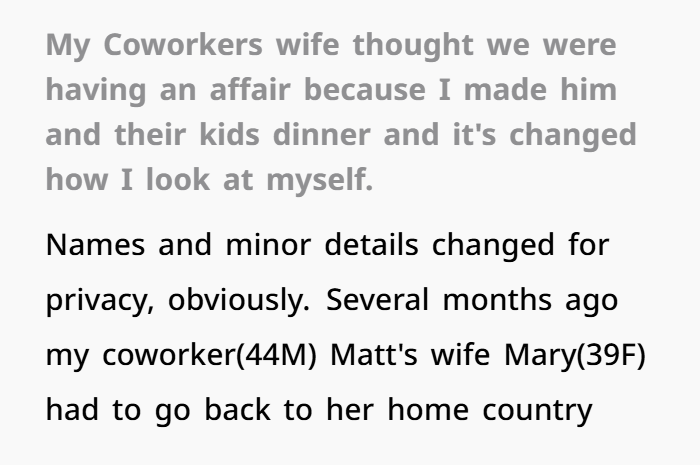
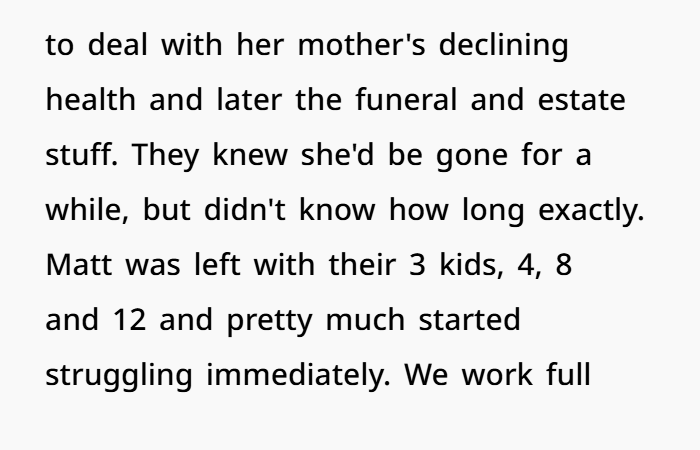
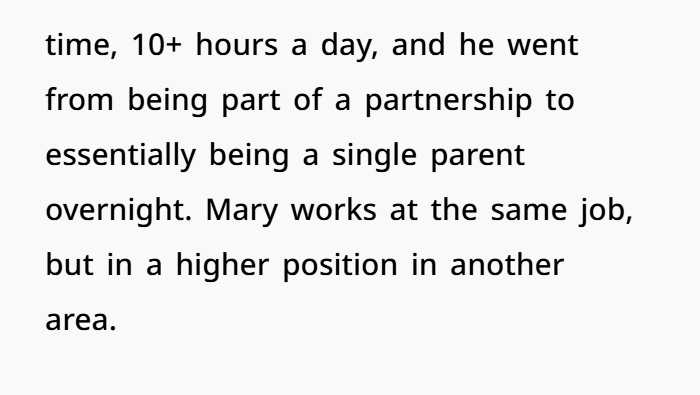
Her coworker, Matt, was going through a difficult time. His wife had to leave the country because of a family emergency, leaving him alone with their three children.
Between his job, school runs, cooking, and household chores, Matt had a lot on his plate.
Seeing how much he was struggling, the woman decided to lend a hand.
She had experience in catering, so preparing meals was something she knew well. She began helping Matt with weekly meal planning, grocery shopping, and cooking for his children.
Her goal was simple: make life a little easier for a coworker who needed support.
As time passed, the woman became more involved in helping the family.
Matt’s 12-year-old son even started joining her in the kitchen. He enjoyed learning how to cook and picked up simple recipes from her.
The two spent time preparing meals together, and some of their cooking moments were shared online.
Everything seemed harmless until Matt’s wife saw the posts.
While dealing with her family emergency abroad, she came across the cooking videos and began to worry.
Seeing another woman spending time with her husband and children made her question what was happening back home.
She started to suspect that Matt and his coworker might be having an affair.
The accusation came as a shock to the young woman.
She had only wanted to help a family during a difficult time. She never expected her kindness to be mistaken for a romantic relationship.
Advertisement – Continue Reading Below
The misunderstanding was eventually cleared up, and apologies were exchanged.
But even after the truth came out, the experience stayed with her.
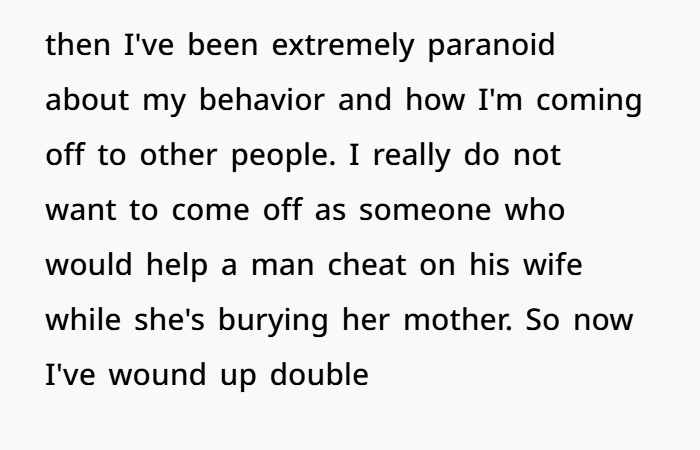
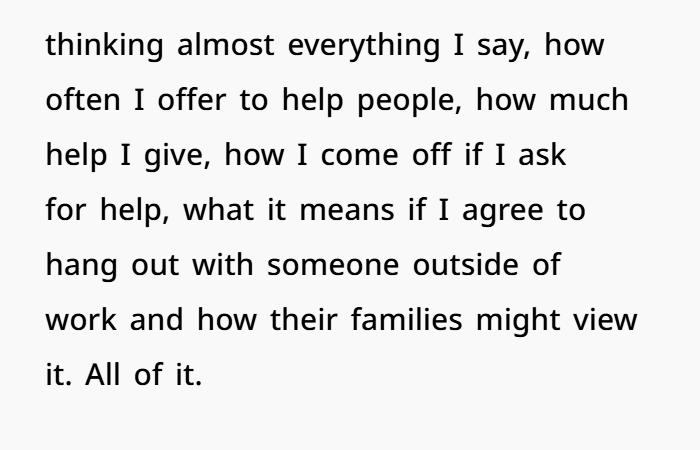
She began questioning whether she had become too involved in her coworker’s family life.
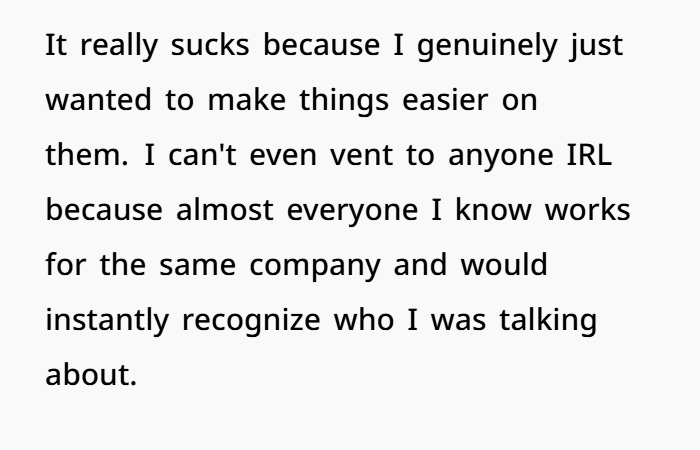
Something she had done out of kindness now made her feel embarrassed and unsure of herself.
She also became more careful about offering help to others, worried that another good deed might be taken the wrong way.
The situation shows how stress and distance can affect trust between people.
Matt’s wife was away during a difficult family emergency. Meanwhile, another woman was helping care for her children and manage tasks at home.
Without clear communication, it was easy for concerns to grow into suspicion.
At the same time, the coworker had no reason to expect that helping with meals would lead to such a serious accusation.
The story raises an important question: how much should someone help a coworker’s family before personal boundaries become unclear?
Offering support during hard times is a kind thing to do. But being open about those plans can help everyone feel more comfortable.
In the end, the woman’s intentions were good, but the misunderstanding left a lasting mark. Her experience reminds us that trust, honest conversations, and clear boundaries matter, even when someone is simply trying to help.
But it looked a little different in their photos on social media
When Kind Actions at Work Are Misunderstood (Simple Explanation)
Sometimes, helping a coworker can lead to problems no one saw coming. Even a simple act of kindness can be taken the wrong way, leaving everyone feeling hurt, confused, or stressed.
Being friendly and helpful at work is important, but knowing where to draw the line matters too. Clear boundaries, trust, and honest conversations can help prevent small misunderstandings from turning into bigger problems.
 Emotional Labor and Gender Expectations at Work
 Emotional Labor and Gender Expectations at Work
Helping coworkers is a normal part of working together. But women often find themselves doing more of the caring and emotional support, both at work and outside it.
This kind of effort can include:
- Listening when someone needs to talk
- Helping others through difficult times
- Staying calm and managing emotions
- Offering comfort, care, and support
In this story, the woman saw her coworker struggling to care for his children and decided to help. She cooked meals, helped with groceries, and made life a little easier for his family.
Her actions came from kindness, but someone else saw them in a different light.
This shows how even a friendly gesture can lead to unfair judgment.
Friendships between men and women at work can sometimes attract suspicion, even when nothing romantic is happening.
Being kind to a coworker shouldn’t automatically raise questions about someone’s intentions. Trust and clear communication can help prevent these misunderstandings..
Stress, Emotions, and Misunderstanding in Relationships
 Stress, Emotions, and Misunderstanding in Relationships
Matt’s wife reacted strongly when she saw another woman spending time with her husband and children. But the stress of her family emergency may have played a part in her reaction.
When people are dealing with family problems or major life changes, they may feel more worried about trust and relationships.
Even ordinary things can raise concerns, such as:
- Social media posts showing people spending time together
- Photos that don’t tell the full story
- Frequent calls or messages
- Close friendships between coworkers
When someone already feels anxious or left out, these situations can seem more serious than they really are.
In this case, Matt’s wife saw cooking posts without knowing the full story behind them. What looked suspicious to her was simply a coworker helping a family in need.
Stress doesn’t excuse unfair accusations, but it can help explain why misunderstandings happen. Honest conversations and trust can prevent worries from turning into conflict.s not always reflect reality. Sometimes it changes how people interpret situations.
Emotional Impact on the Person Who Helped
 Emotional Impact on the Person Who Helped
The woman felt hurt and confused when her kindness was mistaken for something inappropriate. She had only wanted to help a struggling family, but her good intentions were questioned.
When someone tries to do something kind and faces criticism instead, it can shake their confidence.
They might start to:
- Doubt their decisions and wonder if they did something wrong.
- Hesitate to help others because they fear another misunderstanding.
- Worry about what people think of their actions and intentions.
- Become more careful with friendships to avoid unwanted drama.
It’s natural to feel upset when someone misunderstands your intentions, especially when you were only trying to help.
Even after the truth comes out and apologies are made, the hurt may not disappear right away.
One painful experience can make someone think twice before offering help again. But being misunderstood doesn’t mean their kindness was wrong.
How to Move Forward and Protect Your Boundaries
 How to Move Forward and Protect Your Boundaries
Helping others is a good thing, but knowing when to set boundaries matters just as much.
Being kind doesn’t mean you have to take on everyone’s problems or put your own peace at risk.
Here are some simple ways to maintain healthy boundaries:
- Be clear about your intentions. Let others know why you’re offering help to avoid confusion.
- Keep work friendships respectful. Being friendly is fine, but it’s important to understand personal limits.
- Talk openly with everyone involved. Clear conversations can prevent small concerns from growing into bigger problems.
- Take care of your own feelings. Helping someone shouldn’t leave you feeling drained, worried, or uncomfortable.
Setting boundaries doesn’t mean you care less about people. It simply helps you offer support without putting too much pressure on yourself.
Final Thoughts
Sometimes, even the kindest actions can be taken the wrong way.
In this story, a woman wanted to help her coworker care for his children while his wife was away. But her efforts led to an accusation she never expected.
The situation shows how stress, distance, and unanswered questions can create doubt between people.
Although the misunderstanding was cleared up, the woman was still left dealing with hurt feelings.
The experience reminds us that trust and honest conversations matter in every relationship, whether at work or at home.
Helping others should come from kindness, not fear of judgment. At the same time, clear boundaries can protect everyone from needless conflict.
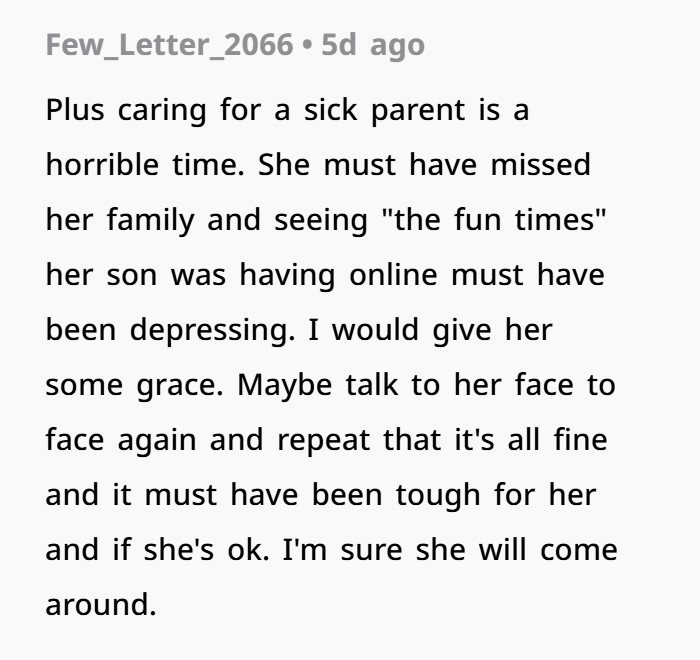
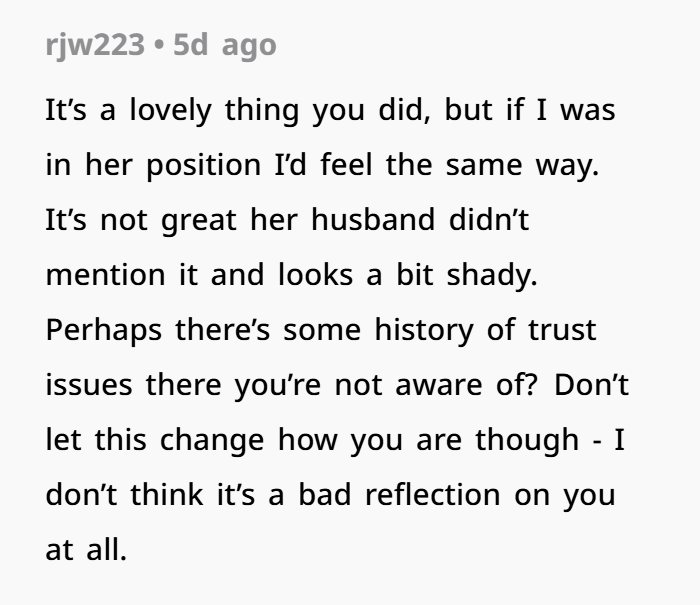
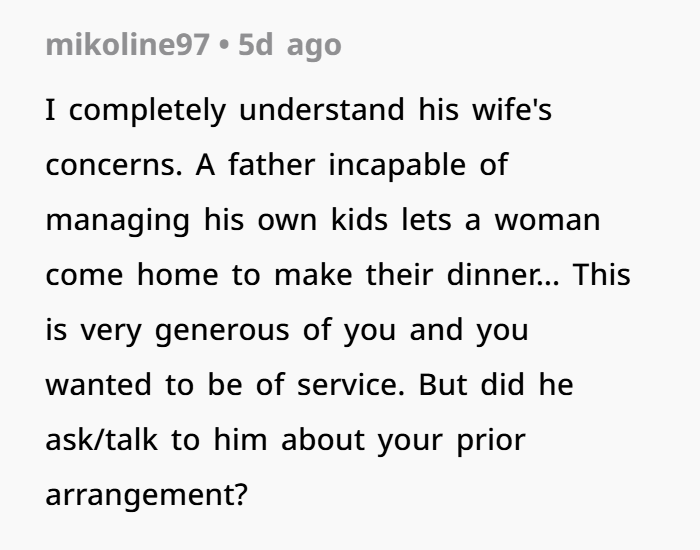
Readers Also Shared Their Thoughts on the Situation
The story caught the attention of many online readers, who had their own views about what happened.
People discussed the woman’s efforts to help, the wife’s concerns, and how a simple act of kindness turned into an awkward situation.
The discussion also raised questions about trust, friendship, and whether people sometimes judge others too quickly.
Should someone have to think twice before helping a friend simply because others might misunderstand their intentions?