She Was Mom-Shamed for Serving Frozen Vegetables, So She Confronted Her Ex-Husband’s Wife
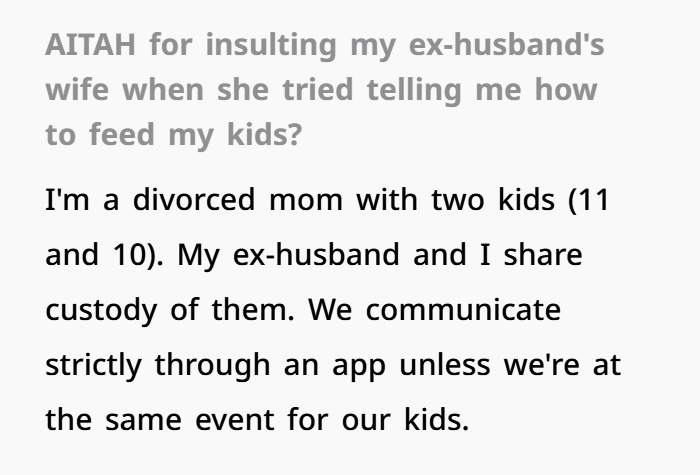
Co-parenting after divorce can get messy when old tension meets new family roles. One mother learned this after a simple food choice sparked a heated dispute.
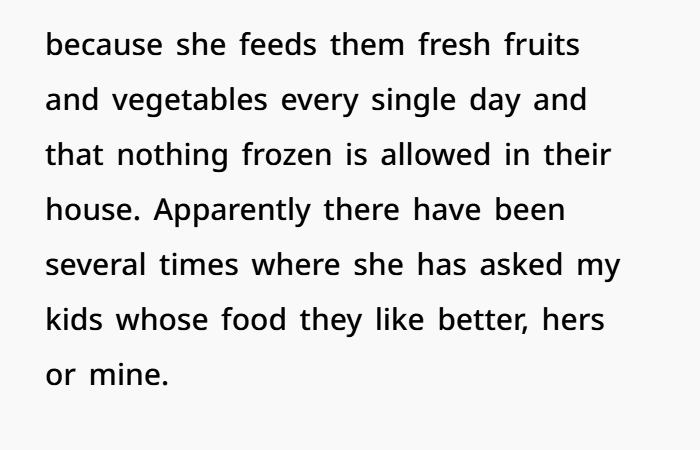
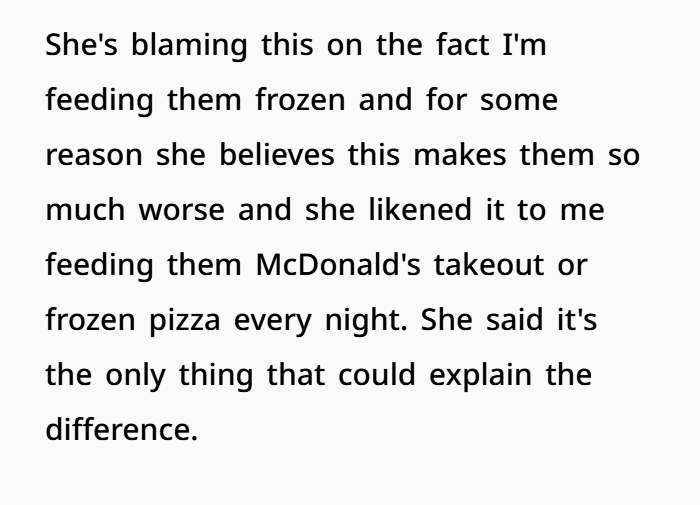
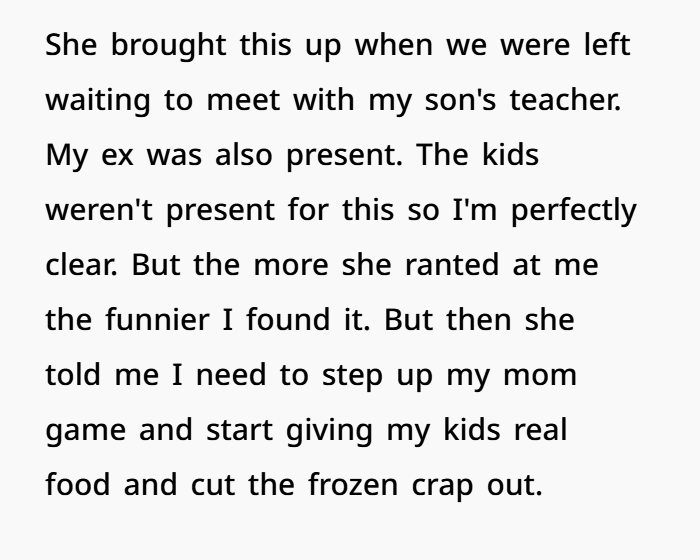
The conflict began when her ex-husband’s wife criticized her for serving frozen vegetables. She claimed frozen food was unhealthy and said the mother should make better choices.
Soon, the discussion moved beyond what the children ate. The wife began questioning other parenting choices and pointing out things she thought should change.
For the mother, this was not just about vegetables. She felt the comments were part of an ongoing pattern of judgment. She also said her ex-husband’s wife often compared their cooking.
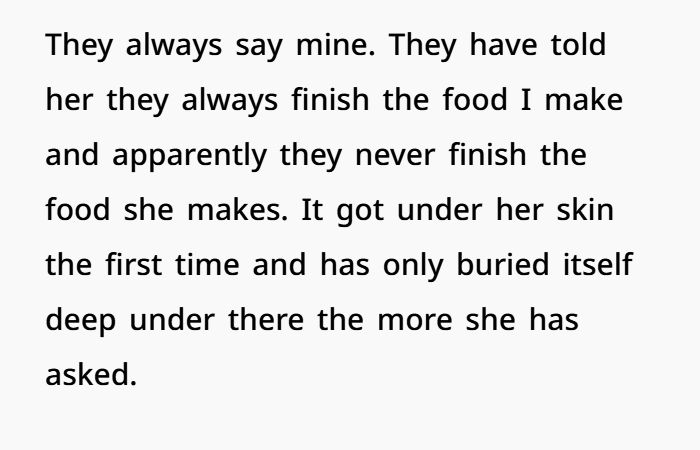
According to the mother, the tension grew when the children preferred their mom’s meals. She felt those comparisons made an already strained relationship even worse.
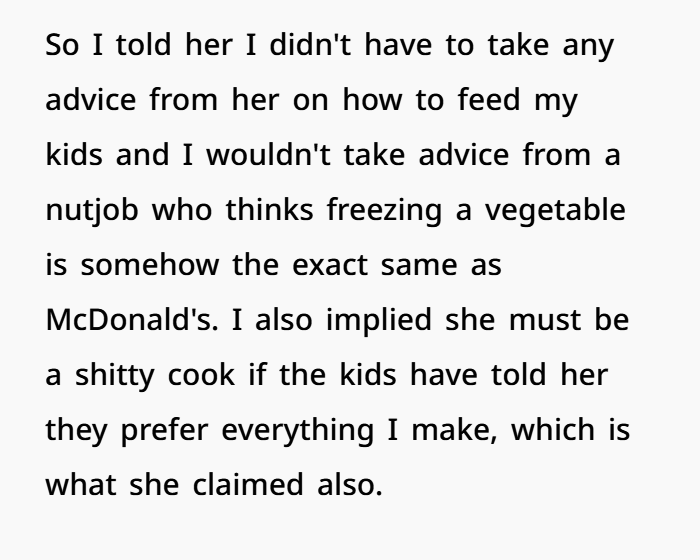
After dealing with repeated comments, the mother finally pushed back. She defended her choices and called out what she saw as constant mom-shaming.
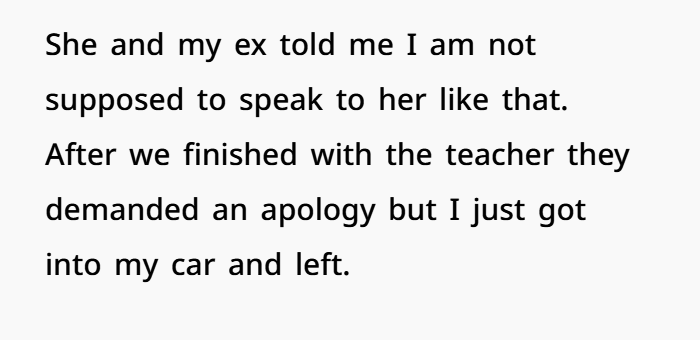
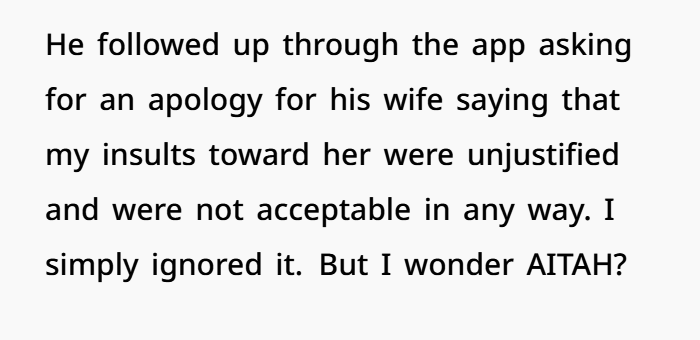
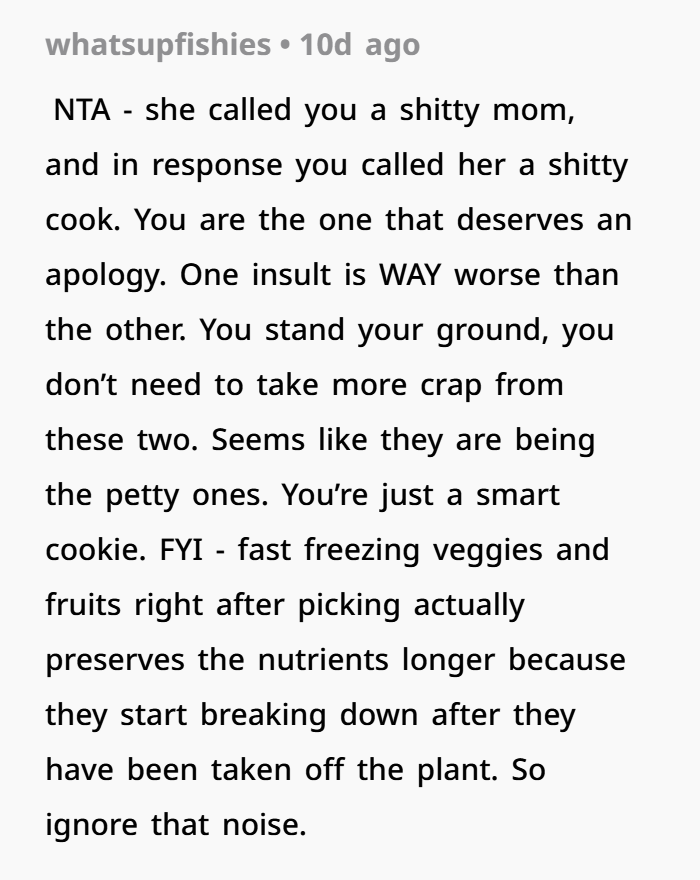
Now, her ex-husband and his wife want an apology. The mother does not think she owes one. She believes her response came after she had tolerated their criticism for too long.
The dispute shows how small disagreements can expose deeper problems in blended families. Clear boundaries and basic respect can matter just as much as parenting choices.

This conflict seems to be about far more than frozen vegetables. The food debate exposed deeper issues with respect, boundaries, and co-parenting.
The argument started with healthy eating. But the mother felt her parenting choices were being judged. What could have been a simple discussion soon became a comparison between two households.
Competition also seemed to play a major role.
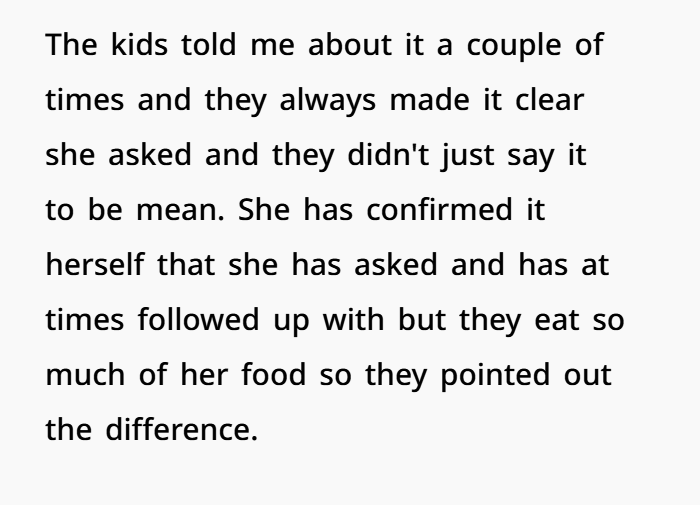
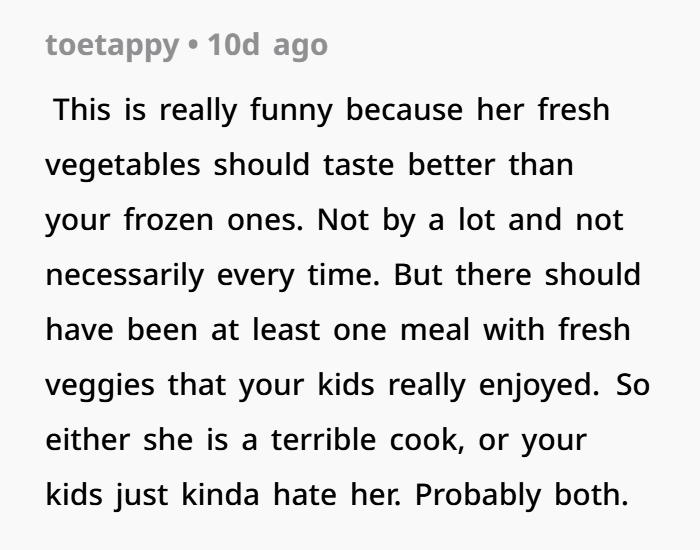
According to the story, the children were often asked whose cooking they liked more. Their answers appeared to create frustration and fuel more criticism toward their mother.
Putting children in that position can also create stress. Kids should not feel pressured to choose between parents, homes, meals, or routines.
That is why the frozen vegetable argument quickly became about something much bigger.
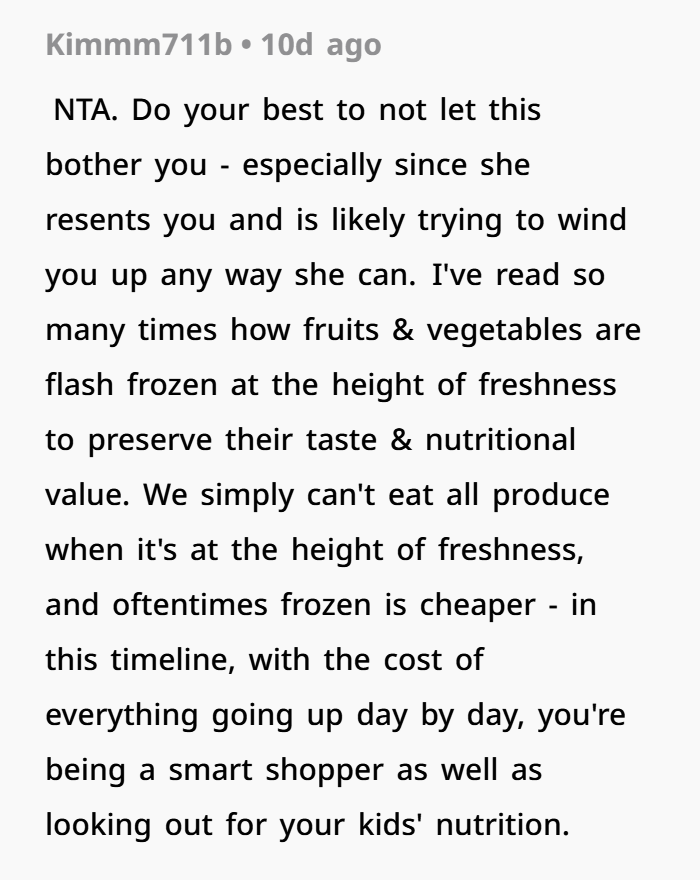
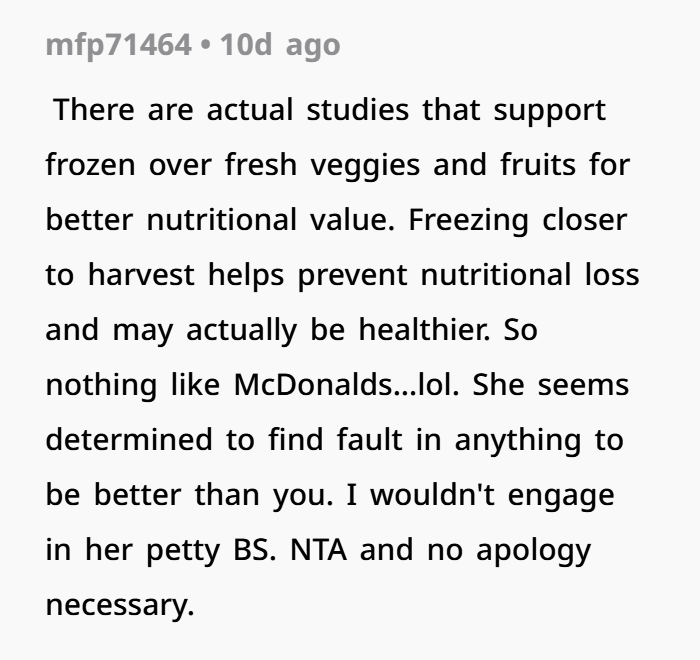
Frozen produce can also be a healthy choice. Fruits and vegetables are often frozen soon after harvest, which helps preserve many nutrients. They can also save money and make meal preparation easier for busy families.
For that reason, many readers questioned whether nutrition was the true concern. They saw the comments as another way to criticize the mother’s parenting.
Advertisement – Continue Reading Below
Parenting decisions can already carry plenty of pressure. Repeated criticism can feel less like useful advice and more like a personal attack.
The mother said she had dealt with similar tension for years. Eventually, she reached her limit and responded to the criticism.
Readers had mixed views about her reaction. Some thought she could have stayed calmer. Others understood why years of judgment had left her frustrated.
Her ex-husband’s role also became part of the debate. Co-parenting often depends on clear boundaries and respectful communication between everyone involved.
Problems can grow when one adult faces criticism while another person’s behavior goes unchecked. Over time, that imbalance can create resentment.
Food can also carry strong emotions within families. Cooking is often tied to care, comfort, traditions, and memories.
Because of that, criticizing someone’s meals may feel like criticizing their parenting. A child preferring one meal also does not prove one parent is doing a better job.
Taste depends on many things, including habits, comfort, and personal preference.
The children remain the most important part of the situation. Adults can disagree without making children part of the conflict.
Fresh and frozen vegetables can both fit into family meals. What matters most is whether children receive proper care, support, and healthy food.
In the end, the argument was never just about vegetables. It reflected deeper tension over respect, boundaries, and family roles.
Every household has different budgets, schedules, and routines. Good parenting cannot be judged by whether vegetables came fresh or frozen.
Top Comments From Readers


Many readers would likely understand why the mother became frustrated.
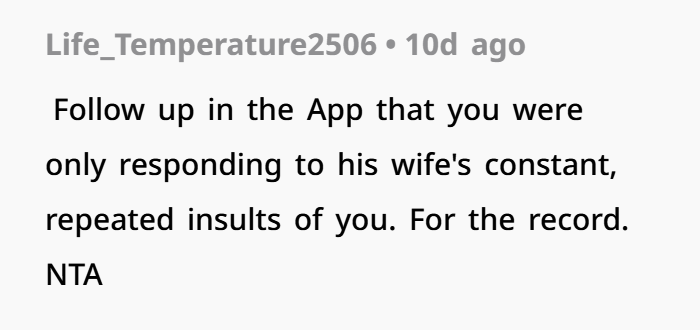
Her ex-husband’s wife kept questioning her parenting and criticizing her food choices. She also involved the children in comparisons between the two homes.
After dealing with these comments for some time, the mother finally pushed back. Her response may have been harsh, but it did not come from one disagreement. It followed a pattern of tension and criticism.
Frozen vegetables were another key part of the debate. They are affordable, easy to prepare, and can fit into a healthy diet. Using them does not show whether someone is a good or bad parent.
For many readers, the vegetables were never the main problem. The deeper issue was repeated judgment and a lack of respect.
The conflict shows how quickly co-parenting problems can grow when boundaries are ignored. Support and respect may have prevented a simple food debate from becoming a larger family dispute.