Stepparent Questions Decision After Breaking Promise to Stepchildren
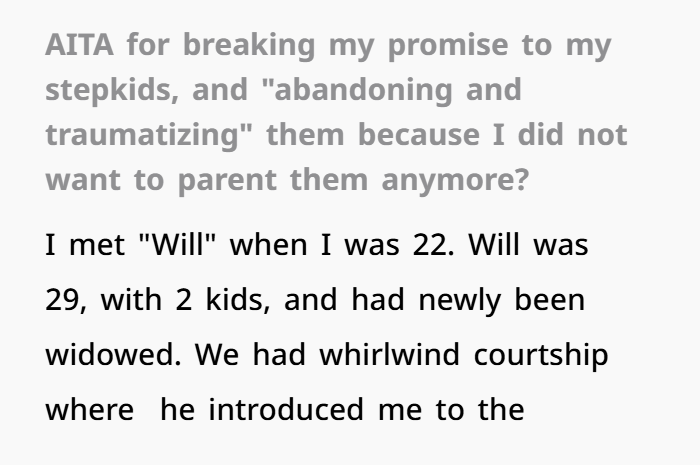
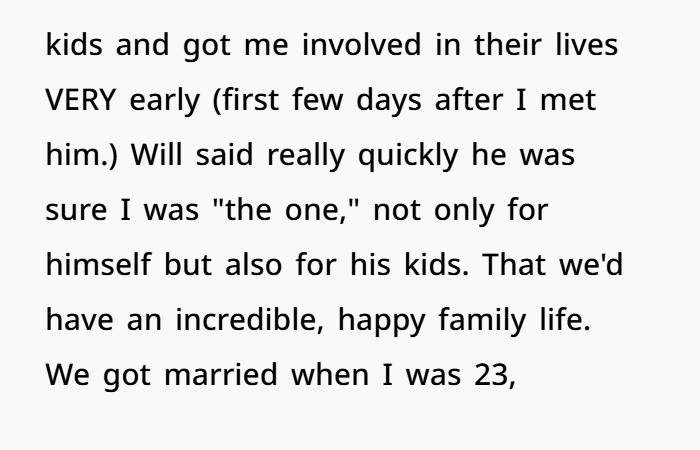
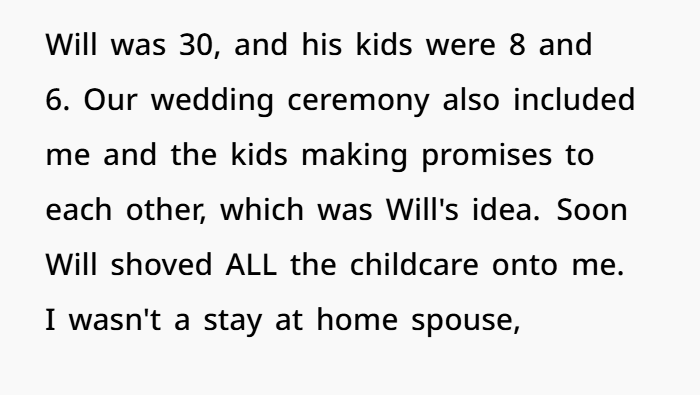
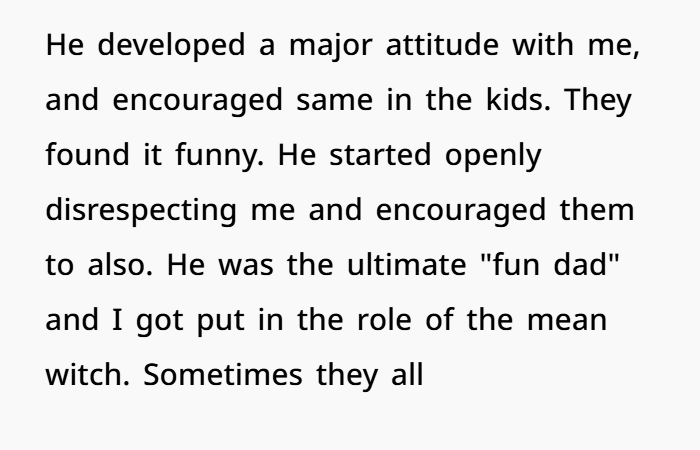
A woman married a man who already had two young children. Early in their relationship, she agreed to take on a parenting role and help raise them.
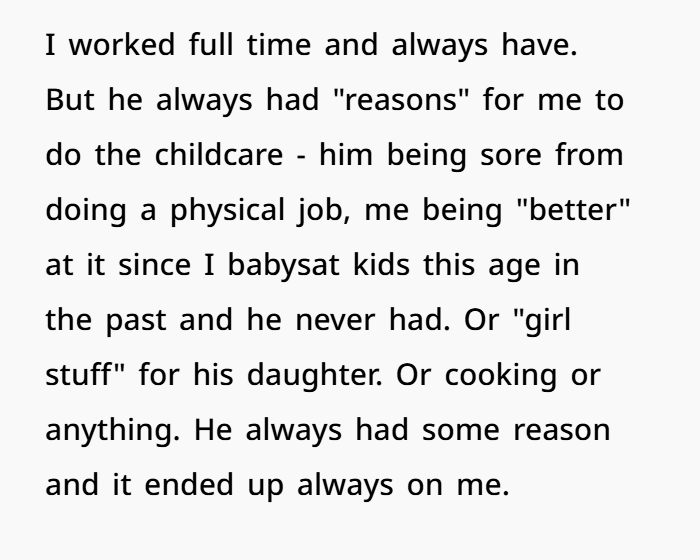
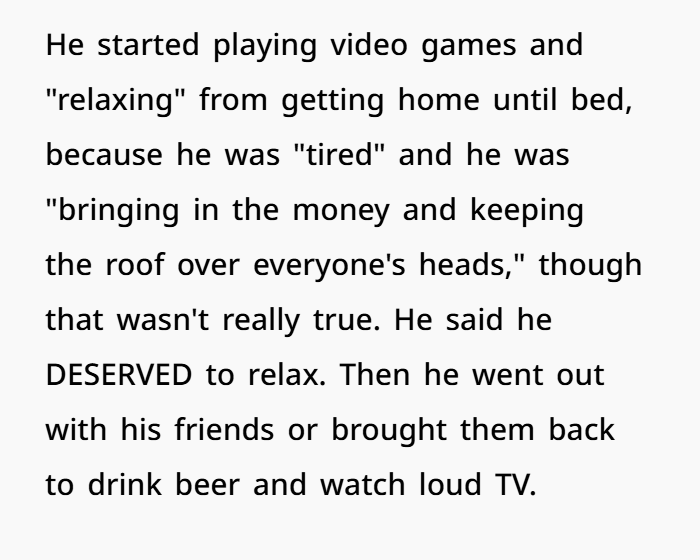
Over time, much of the daily care and emotional support became her responsibility. Although she was not a stay-at-home parent, she found herself handling many parenting duties.
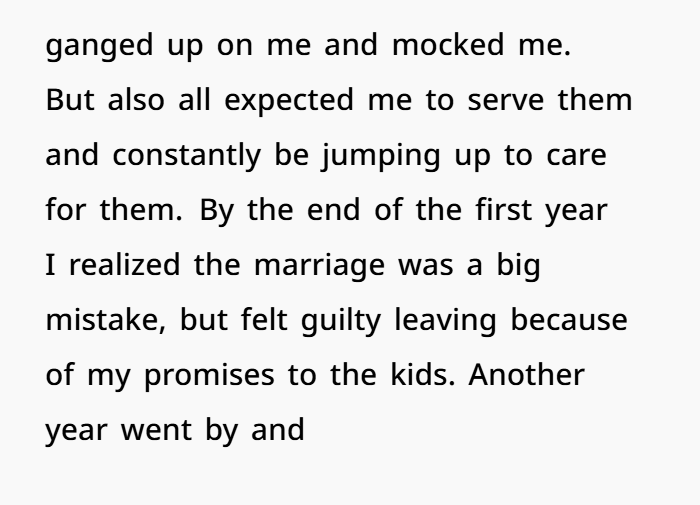
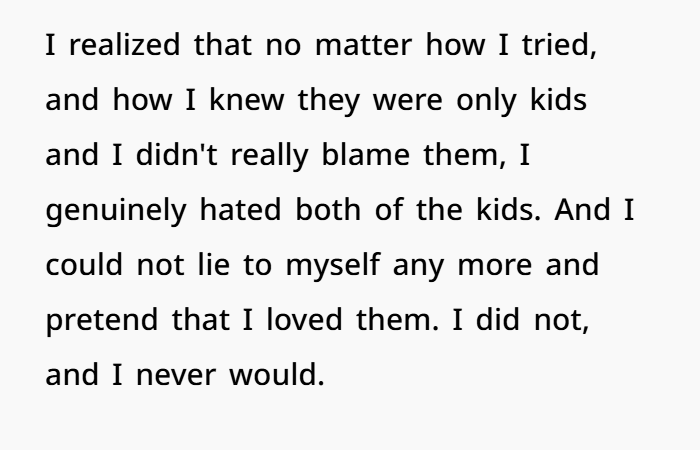
As the years passed, she began feeling overwhelmed and disconnected from the family. She says the parental bond she expected never fully formed.
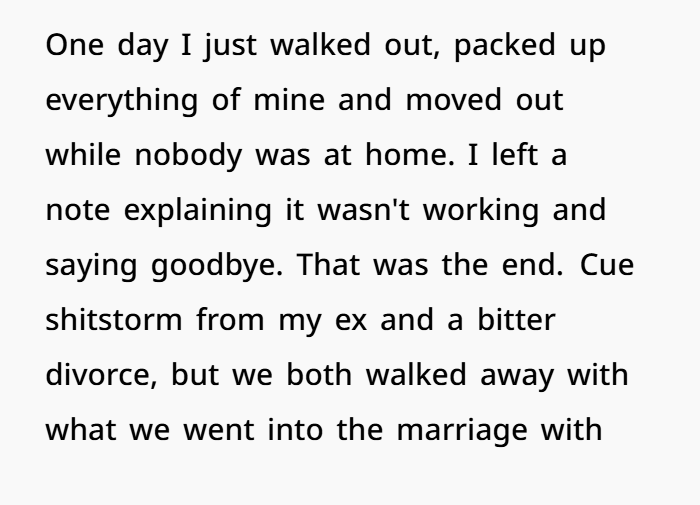
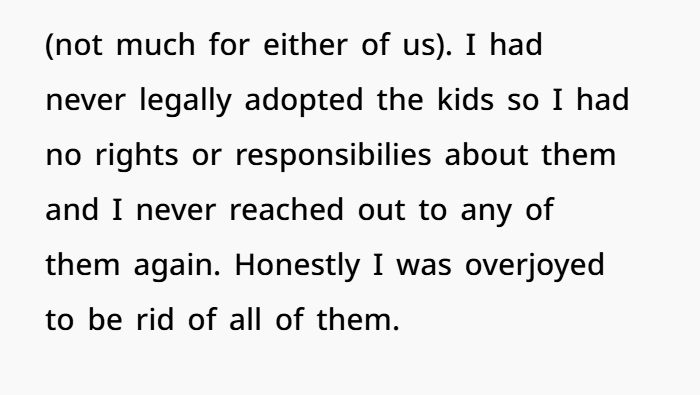
Eventually, the pressure became too much. She ended the marriage, left a note, and stopped communicating with her stepchildren.
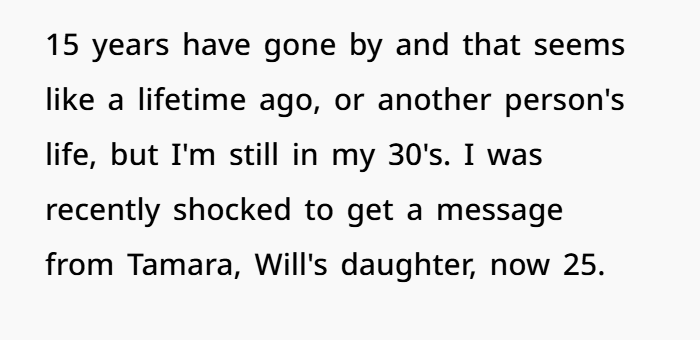
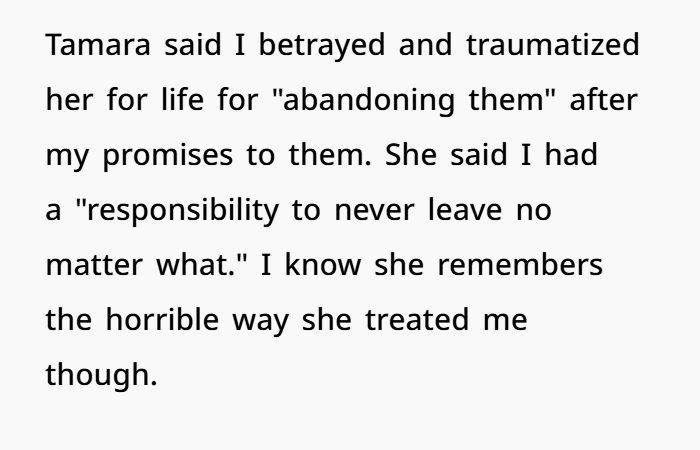
Fifteen years later, one of the children contacted her as an adult. They accused her of abandoning them and said her decision had caused lasting emotional pain.
The message made her reflect on a difficult period of her life. It also raised questions about promises, family responsibilities, and personal boundaries.
Now, she wonders whether leaving was the wrong choice or a necessary step for her own well-being. Her story shows how decisions in blended families can have lasting effects on everyone involved.
A woman shared that her former stepchild reached out years later and accused her of abandoning them 15 years earlier.
Stepfamily Promises, Burnout, and the Challenges of Real Life
1. Promises in a Stepfamily Can Become Complicated
When people create a blended family, they often enter the relationship with good intentions. Many hope to build a loving and supportive home.
However, stepfamily life can become difficult over time.
Some stepparents take on many parenting responsibilities without clear discussions about their role. They may help with school, meals, childcare, household tasks, and daily challenges.
Over time, these responsibilities can become overwhelming. A stepparent may begin to feel more like the main caregiver instead of a supportive partner.
Problems often grow when couples do not discuss expectations early. A promise made with good intentions can become a source of stress if roles are unclear.
2. The Risk of Burnout in Blended Families
This situation also shows how ongoing pressure can affect someone emotionally.
Taking on too many responsibilities without enough support can leave a person feeling exhausted and overwhelmed.
In some blended families, one person may end up carrying most of the work, including:
- Job responsibilities
- Parenting duties
- Household tasks
- Emotional support for family members
When responsibilities feel unequal, resentment and stress can grow.
Advertisement – Continue Reading Below
A person may begin to feel unappreciated or unsupported. These feelings can become stronger when their partner does not share the workload.
Open conversations about roles, limits, and expectations can help prevent these problems.
Some families may also benefit from counseling. Professional support can help couples understand each other and create healthier arrangements.
3. Stepfamily Bonds Do Not Always Develop the Same Way
One of the hardest parts of being a stepparent is managing expectations about love and connection.
Some people develop a strong parent-child bond with their stepchildren. Others may have a relationship that feels different or more distant.
Every family develops differently.
Strong emotional connections usually grow through time, trust, and shared experiences. They cannot always be created through pressure or obligation.
Trying to force a relationship can lead to:
- Stress
- Guilt
- Frustration
- Emotional distance
Healthy family relationships often require honest communication and realistic expectations.
At the same time, adults should think carefully about how their decisions affect children. Major changes can leave lasting emotional effects.
Finding the right balance between personal limits and a child’s needs is not always easy.
4. How Children May Experience a Stepparent Leaving
For some children, a stepparent becomes an important source of care and support.
Even without a biological connection, that relationship can feel meaningful.
When a stepparent leaves suddenly, children may experience feelings such as:
- Confusion
- Hurt
- Rejection
- Fear of being left again
- Loss of security
Children may not understand the adult problems behind the decision. They may only see that someone important is no longer in their life.
Clear communication and steady support can help children adjust to major family changes.
However, every situation is different. In some cases, staying involved may not be healthy for the adults or the child.
5. Legal Duties and Emotional Bonds Are Different
Stepparents often do not have the same legal responsibilities as biological or adoptive parents. Laws vary depending on location and family circumstances.
Adoption, custody arrangements, and other legal decisions can change those responsibilities.
The emotional side is more complicated.
Someone who helps raise a child for years may create a strong bond. Losing that connection can be painful, even when there is no legal obligation.
At the same time:
- No one is required to remain in a harmful situation
- Emotional exhaustion should be taken seriously
- Personal well-being matters
Many people struggle with balancing responsibility, guilt, and their own emotional needs.
6. Healing After a Difficult Stepfamily Experience
Recovering from a painful family separation can take time.
There is no single path that works for everyone. Honest communication, support, and healthy boundaries can help people process what happened.
Helpful steps may include:
Acknowledge Everyone’s Feelings
Adults and children can experience grief, anger, and disappointment after a family breakup.
Recognizing those emotions can help people understand each other better.
Communicate When Possible
A calm and honest conversation may help answer questions and reduce confusion.
It may not erase past pain, but it can provide clarity.
Consider Professional Support
A therapist can help people work through grief, stress, and difficult family experiences.
Professional support may also help families create healthier boundaries.
Set Healthy Boundaries
Caring about someone does not mean staying in a situation that causes ongoing harm.
Clear boundaries can protect emotional health while keeping relationships respectful.
Accept That Some Relationships May Not Be Repaired
Not every broken family relationship can be restored.
Sometimes moving forward separately may be the healthiest option for everyone involved.
Final Thoughts
Blended families can create meaningful relationships, but they also come with unique challenges.
Good intentions alone may not be enough. Families need clear expectations, honest conversations, and respect for everyone’s needs.
Children deserve care and stability. Adults also need to recognize their own limits and emotional well-being.
Finding balance between responsibility, love, and personal boundaries can be difficult. There are rarely simple answers in complex family situations.
Online Reactions
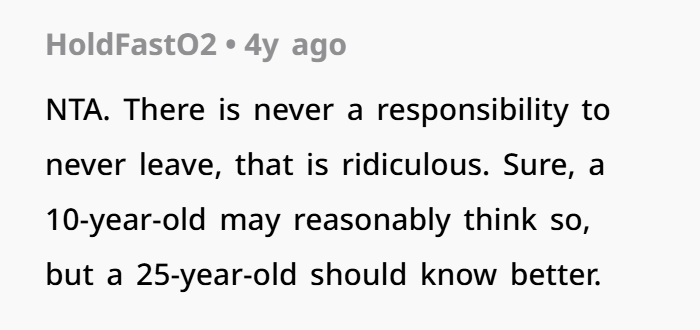
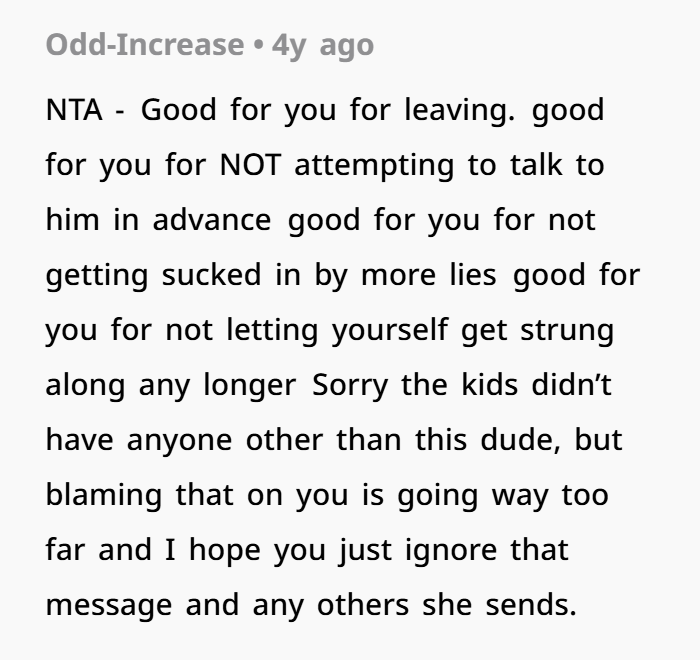
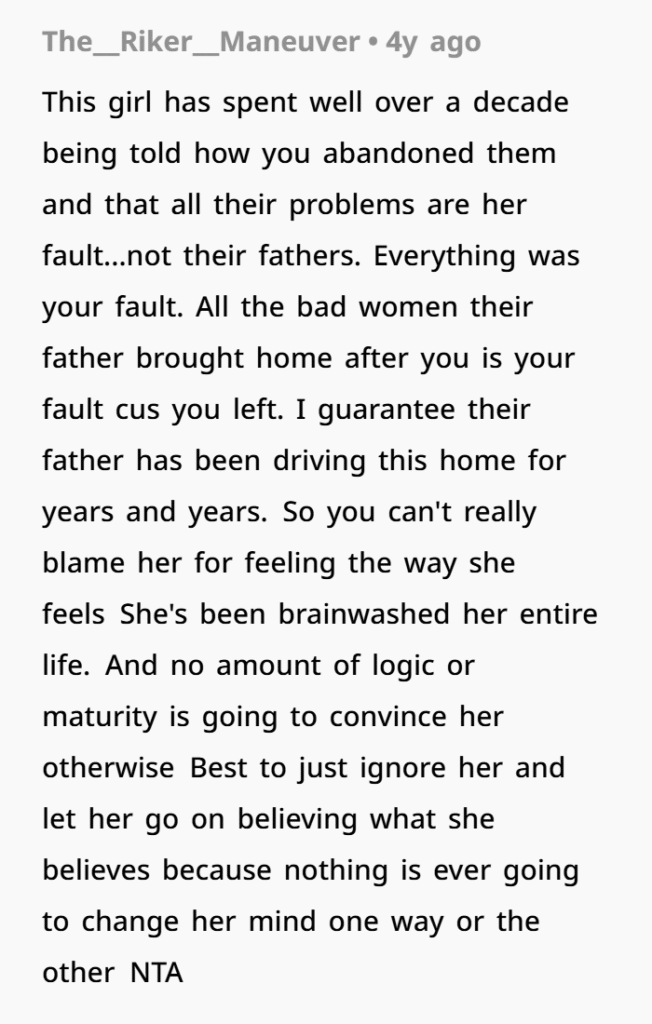
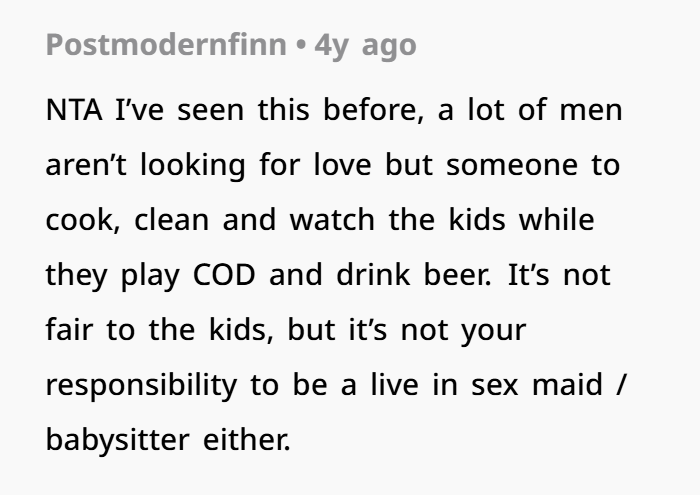
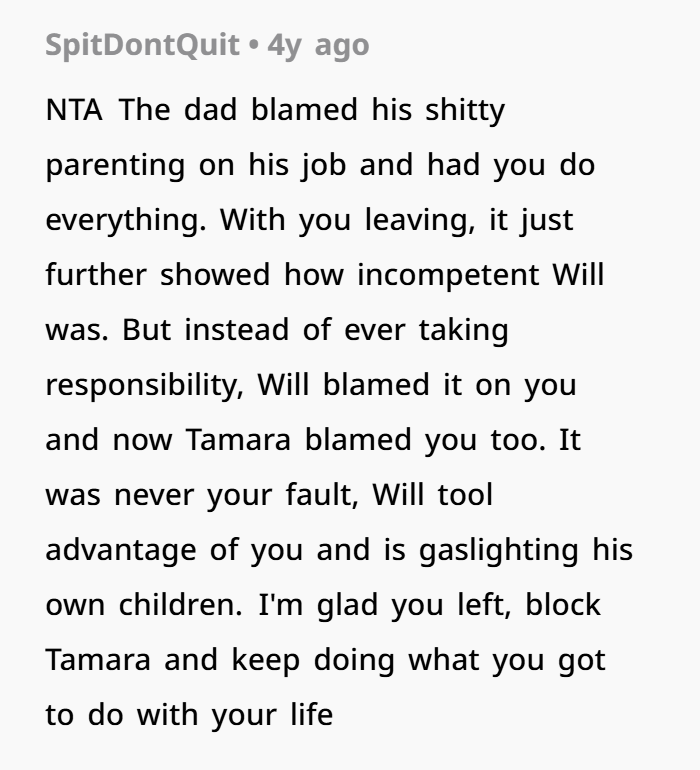
Many people felt the woman’s decision was understandable. Some argued that she was not legally required to continue raising her former partner’s children after the marriage ended.
Others focused on the emotional impact her departure may have had on the children.
The discussion shows how complicated blended family relationships can become, especially when promises, expectations, and personal limits come into conflict.
Final Thoughts
Situations like this rarely have a simple answer. Blended families can create difficult decisions for both adults and children.
Leaving a stressful situation can be understandable. However, a sudden separation may also cause pain for children who developed a strong connection with a caregiver.
Everyone involved may have their own feelings and experiences.
Clear communication, shared responsibilities, and realistic expectations can help reduce conflict in blended families. Discussing roles early may also prevent resentment from growing.
People cannot always make choices that satisfy everyone. What matters is understanding the impact of those choices, learning from the experience, and finding healthier ways to move forward.