Woman Demands Money to Return a Lost Dog, Leaving Owner Wondering if Her Pet Is Being Held Hostage
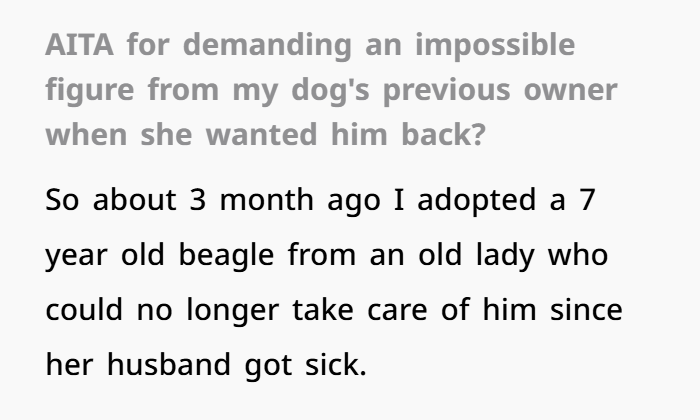
A woman adopted a 7-year-old beagle named Lucius from an elderly owner who could no longer afford his care. The former owner was facing money problems and personal struggles, making it hard to meet the dog’s needs.
After bringing Lucius home, his new owner took full responsibility for him. She paid for his food, vet visits, medical care, and everything else he needed.
For several months, things seemed to be going well. But then the former owner started reaching out again, unhappy with how Lucius was being raised.
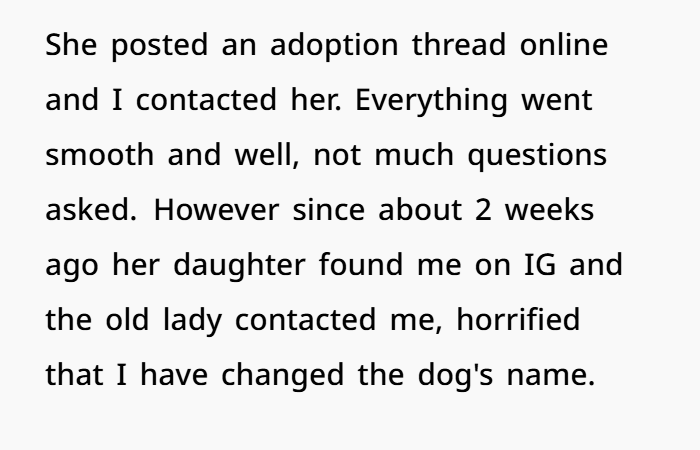
She complained about changes to his name, food, and veterinarian. Although she had given him up, she still wanted a say in his daily care.
The disagreements continued until the new owner decided to block her. She wanted to avoid more arguments and focus on giving Lucius a good home.
But the situation didn’t end there.
One day, the former owner showed up at her house and asked for Lucius back.
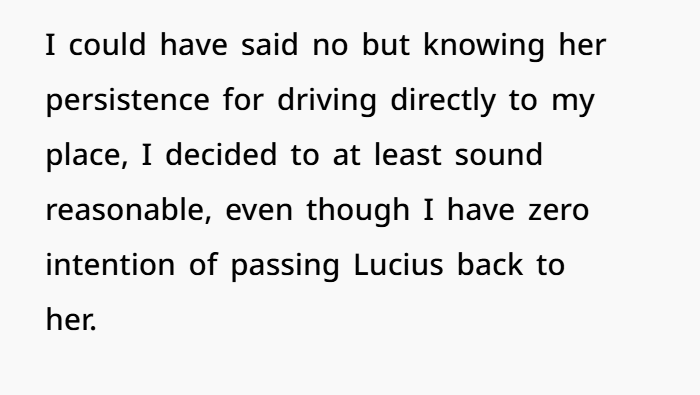
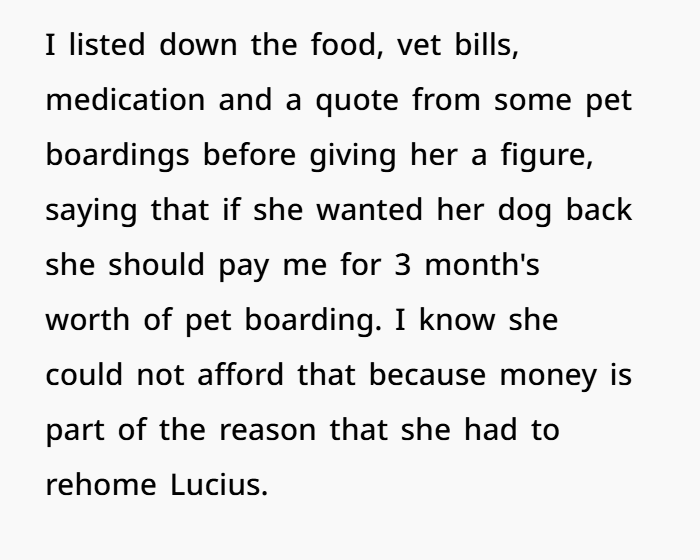
Instead of agreeing, the new owner said she wanted payment for three months of boarding and care before she would consider returning him.
She felt it was fair to ask for money after spending months caring for the dog. She had covered his expenses and given him a safe, loving home.
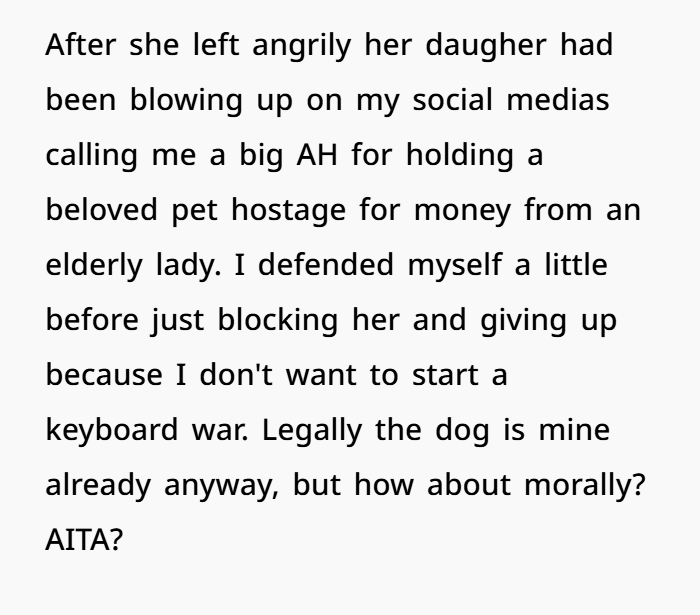
She accused the new owner of holding Lucius “hostage” by demanding money for his return.
The story raised questions about who has the right to make decisions for an adopted pet.
Some people may understand why the former owner missed Lucius and wanted him back. Others may feel that giving up a pet means accepting that someone else will make decisions about its care.
The dispute also brings up the issue of money. Should someone who willingly adopts a dog ask the former owner to repay care costs if they later want the animal returned?
At the heart of the story is a dog caught between two people with different views of ownership.
The former owner still felt attached to Lucius, while his new owner believed she had taken on full responsibility for his future.
The situation shows how quickly pet adoption can become complicated when past owners struggle to let go.
Advertisement – Continue Reading Below
Giving a pet a new home is a serious decision. Love matters, but so do trust, clear agreements, and the duty to put the animal’s needs first.
That’s how this woman welcomed a 7-year-old beagle into her home after his previous family could no longer care for him.
Dog Adoption Dispute: What Really Happened?
What started as a simple dog adoption soon turned into a heated disagreement over money and ownership.
A woman adopted a 7-year-old beagle named Lucius from an elderly owner who could no longer care for him. But months later, the former owner wanted him back.
The request led to a dispute over who had the right to keep Lucius and make decisions about his care.
1. How the Adoption Started
Lucius needed a new home because his elderly owner could no longer meet his needs.
A woman agreed to adopt him and take full responsibility for his care.
After bringing Lucius home, she made several changes to his daily life.
These included:
- Giving him a new name
- Changing his food
- Choosing a different veterinarian
- Setting up a new daily routine
She also paid for his food, vet visits, medicine, and other needs.
At first, everything seemed fine. Lucius had a new home, and his owner was taking care of him.
2. When the Problems Began
Several months later, the former owner and her daughter started contacting the woman.
They were unhappy with some of the changes she had made.
They questioned what Lucius was eating, which vet he visited, and how he was being cared for.
The new owner felt frustrated. She believed that adopting Lucius meant she could make decisions about his care.
But the former owner still wanted things done her way.
As the disagreements continued, the new owner decided to block contact.
She hoped this would end the arguments and allow her to care for Lucius without outside pressure.
3. The Former Owner Wanted Lucius Back
Things took another turn when the elderly woman showed up at the new owner’s home.
This time, she wasn’t just asking questions about Lucius. She wanted to take him back.
The new owner wasn’t willing to hand him over.
Instead, she said she would only consider returning Lucius if the former owner paid for three months of boarding and care.
She believed the request was fair because she had spent money and time looking after him.
But the former owner’s family saw things differently.
Her daughter later shared the dispute online, accusing the new owner of holding Lucius hostage by demanding payment.
The story raised a difficult question: could someone ask for money before returning a dog they had legally adopted?
4. Who Legally Owns an Adopted Dog?
When someone adopts a dog, ownership will often pass to the new owner.
This means the person who adopts the pet usually becomes responsible for its care and daily needs.
In many cases, the new owner also gains the right to make decisions about the animal.
However, the law depends on where the adoption happened and what both sides agreed to.
Several things may help prove ownership:
- Written adoption or transfer agreements
- Veterinary records
- Microchip records
- Messages about the adoption
- Proof of pet care expenses
If the former owner willingly gave up Lucius without any return agreement, the new owner may have a strong claim to ownership.
But the exact legal position would depend on the facts and local laws.
5. The Cost of Caring for a Dog
Taking care of a dog involves more than providing a place to sleep.
Dogs need food, medical care, exercise, and daily attention.
Some common expenses include:
- Food and treats
- Vet visits
- Medicine and vaccines
- Grooming
- Training
- Boarding when needed
The woman who adopted Lucius had been paying these costs herself.
From her point of view, she had accepted full responsibility for the dog.
When the former owner asked for him back, she felt her efforts and expenses should count for something.
However, paying for a dog’s care does not always mean someone can demand repayment later.
Whether those costs can be recovered depends on the agreement and the law.
6. Why Giving Up a Pet Can Be Hard
For many people, pets are part of the family.
They spend years building bonds with their animals, making it painful when they can no longer care for them.
The elderly woman may have struggled with that loss after giving Lucius away.
Even though she had found him a new home, she still cared about his well-being.
Seeing changes to his name, food, and routine may have made the separation harder.
But the new owner was also forming a bond with Lucius.
She had welcomed him into her home, paid for his needs, and made him part of her daily life.
Both women had feelings about the dog, but those feelings did not mean they had the same ownership rights.
7. Why the Disagreement Got Worse
The biggest problem was that both sides seemed to have different ideas about the adoption.
The former owner wanted to remain involved in Lucius’s life.
The new owner believed she had taken over full responsibility and should be free to make her own choices.
As neither side agreed on those boundaries, the arguments grew.
Blocking contact may have stopped the messages, but it did not settle the main issue.
When the former owner arrived asking for Lucius back, the conflict became even harder to resolve.
This shows why clear terms matter when someone gives a pet a new home.
Both sides should understand whether the transfer is permanent and what contact, if any, will continue.
8. Was It Fair to Ask for Money?
The demand for payment became one of the most debated parts of the story.
Some people may understand the new owner’s position.
She had spent months caring for Lucius and paying his expenses. She also had no clear reason to expect the former owner would ask for him back.
Others may feel that asking for money made an already painful dispute worse.
They may argue that adopting a pet means accepting the costs of its care without expecting repayment.
There is also a difference between asking someone to cover expenses and refusing to return a pet unless they pay.
Whether the request was lawful would depend on who owned Lucius and whether any repayment terms had been agreed upon.
The story shows why money and pet ownership can become difficult subjects when emotions are involved.
9. What Can We Learn From This Story?
The disagreement over Lucius was about much more than a dog.
It involved trust, money, personal boundaries, and the pain of giving up a beloved pet.
The new owner believed she had accepted full responsibility for Lucius. She wanted to make decisions without pressure from his former family.
Meanwhile, the elderly woman still felt attached to him and struggled with the changes in his life.
The dispute could have been easier to handle if both sides had agreed on clear terms from the start.
Written agreements can help prevent confusion about ownership, future contact, and whether a pet can ever be returned.
Most of all, the dog’s needs should remain the main concern.
Giving up a pet is never easy, but finding it a new home also means respecting the person who takes on its care.
In the end, the most important question isn’t who wins the argument. It’s whether Lucius has a safe, stable, and loving home.
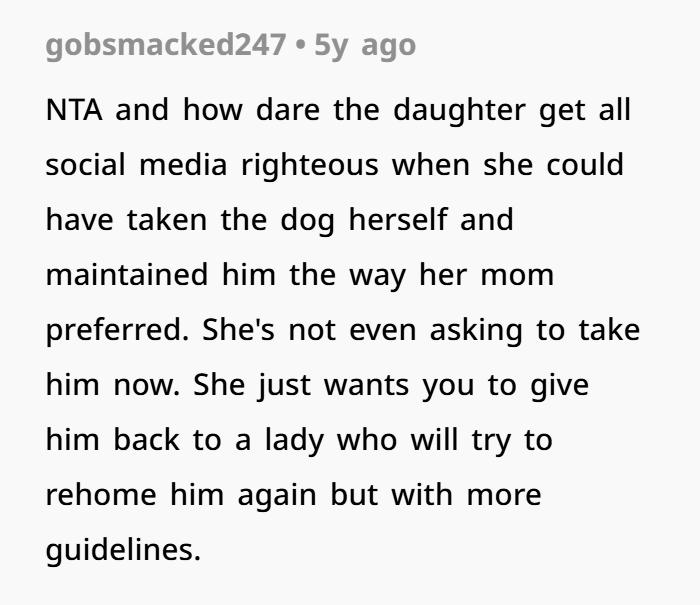
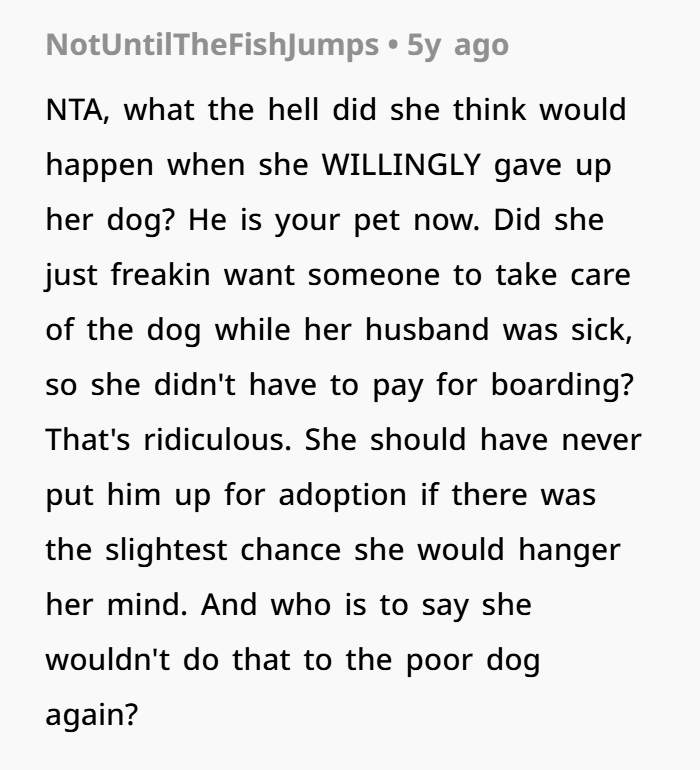
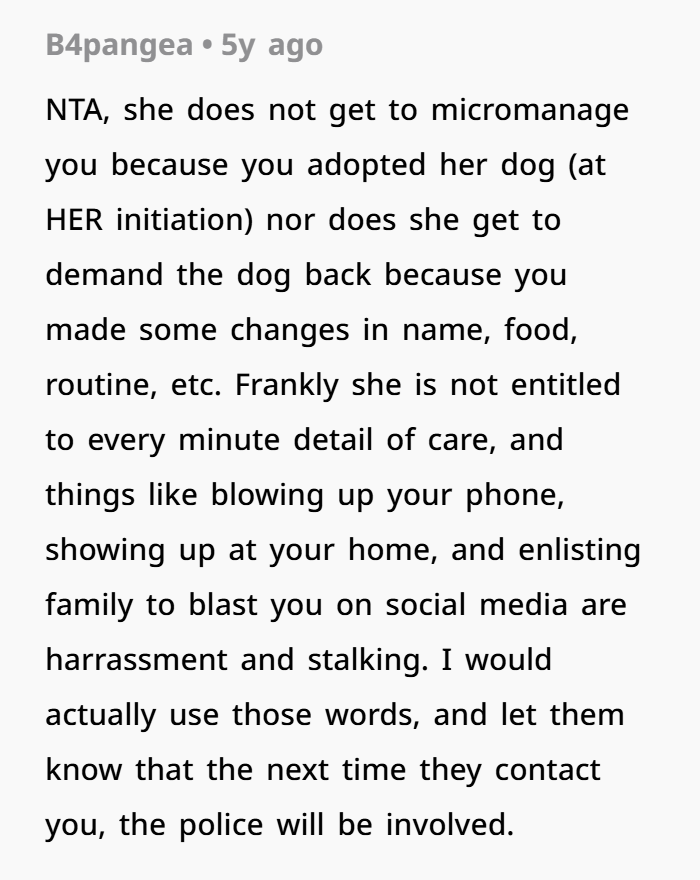
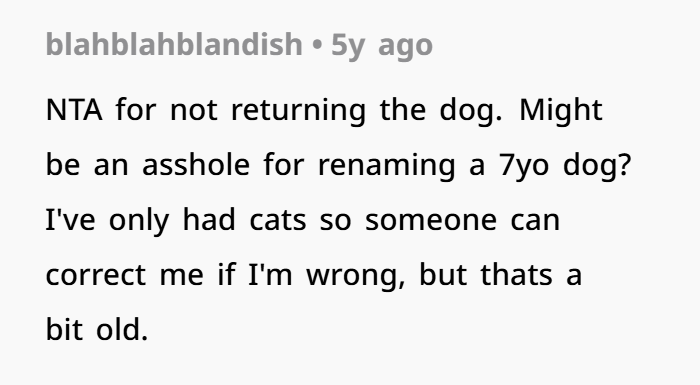
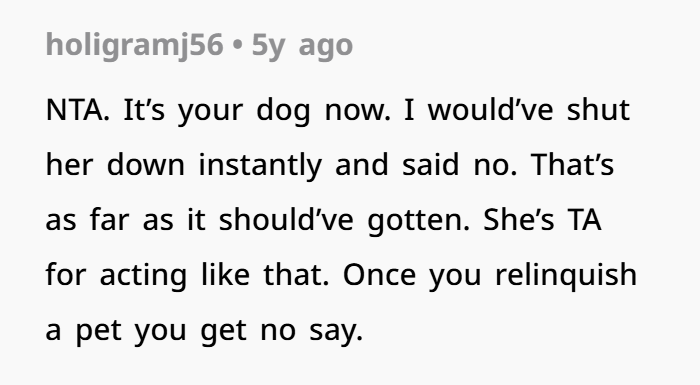
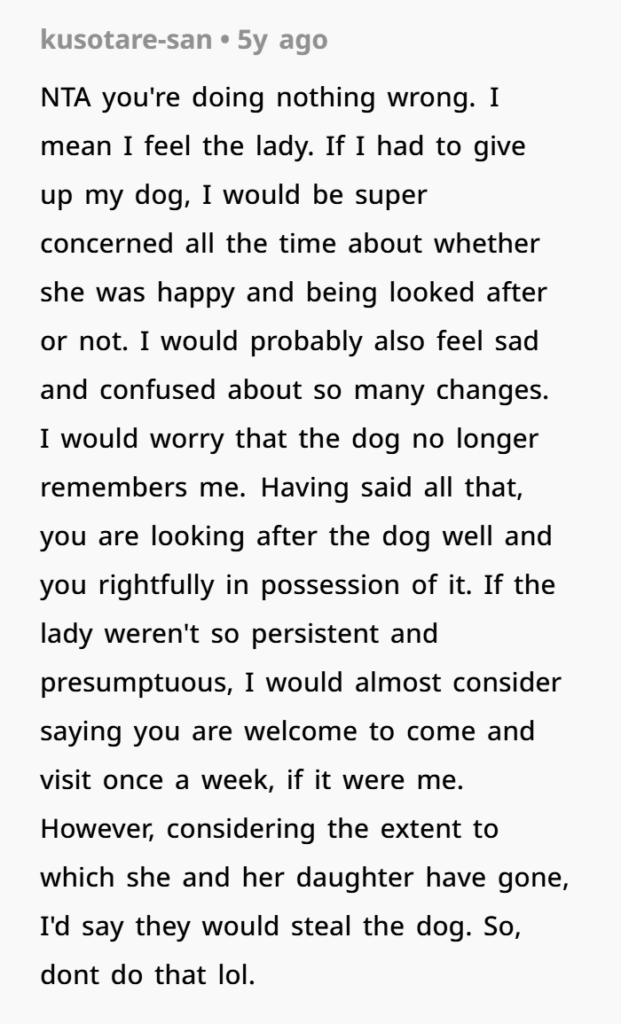
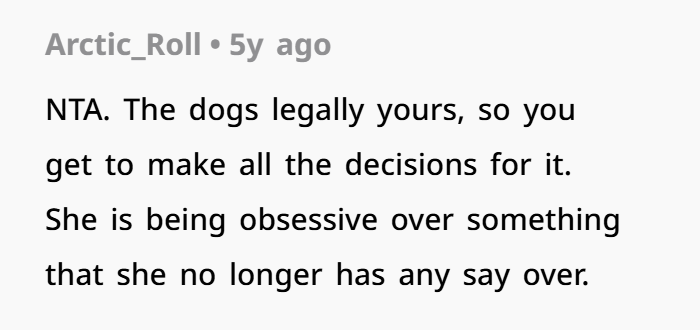
People online assured her she had nothing to feel guilty about. They felt her clever plan to deal with the unwanted pressure didn’t make her a bad person.
Final Thoughts
This story shows how quickly pet adoption can turn into a dispute when feelings and expectations aren’t clear.
Here are some important lessons:
- Pet ownership brings responsibility. Adopting a dog means taking charge of its care and needs.
- Setting boundaries matters. Former owners should respect the new owner’s role and decisions.
- Emotional bonds can make things harder. Giving up a beloved pet is painful, but it doesn’t always mean getting it back is an option.
- Clear communication prevents problems. Honest talks and written agreements can help avoid future arguments.
At the end of the day, Lucius’s happiness and well-being should come first. Every dog deserves a safe home, steady care, and people who put its needs ahead of their own disagreements.