She Kissed My Boyfriend on Stage, but What Happened Next Was Even Worse
A 19-year-old drama student was enjoying a happy relationship with her boyfriend, who studied in the same course. He was good-looking and popular among their classmates, but he never seemed interested in the attention other girls gave him. She trusted him and had no reason to doubt their relationship.
Things started getting uncomfortable when a classmate named Victoria began showing a clear interest in her boyfriend.
At first, it was easy to brush off. Victoria often tried to work with him during group projects and made comments about how attractive he was. But as time passed, her behavior became harder to ignore.
She even chose a smaller role in a school play just so she could act as his love interest. The part included a romantic kiss, which meant she would get to kiss him on stage.
The girlfriend wasn’t thrilled about it, but she understood that acting sometimes involved romantic scenes. She didn’t want to make a big deal out of something that was part of their drama course.
Still, Victoria’s constant attention made her uneasy.
After the play ended, a group of classmates got together for a small gathering. Everyone was talking about the performance and sharing their thoughts about how it went.
That’s when Victoria brought up the kiss.
At first, it sounded like a normal comment about the scene. But she soon started talking about it in a way that made it seem like something more had happened between them.
She hinted that their connection on stage might not have been entirely fake. What should have been a simple acting moment was suddenly being treated like a romantic experience.
Things became even more awkward when Victoria started speaking directly to the boyfriend about their supposed “chemistry.”
She continued praising his looks and suggesting they had shared something special during the performance. And she was saying all of this while his girlfriend was standing right there.
The girlfriend had already watched Victoria go out of her way to spend time with him. Now, hearing her openly discuss their kiss and hint at romantic feelings was too much.
She finally decided to speak up.
Instead of staying quiet, she confronted Victoria about her behavior. She told her that the comments were inappropriate and showed little respect for their relationship.
The conversation quickly caught the attention of the other students. What had started as a casual gathering turned into an uncomfortable moment for everyone nearby.
Advertisement – Continue Reading Below
The girlfriend wasn’t upset simply because Victoria had kissed her boyfriend during a play. She understood that the kiss was part of their performance.
What bothered her was everything that happened outside the scene.
Victoria’s repeated attempts to get close to him, her comments about his appearance, and her remarks about their “chemistry” made the girlfriend feel that her relationship was being disrespected.
The incident also raised a question about personal boundaries. Acting can involve romantic scenes, but that doesn’t mean those feelings should carry over into real life.
For the girlfriend, the issue wasn’t the stage kiss itself. It was Victoria’s behavior before and after it that finally pushed her to speak up.

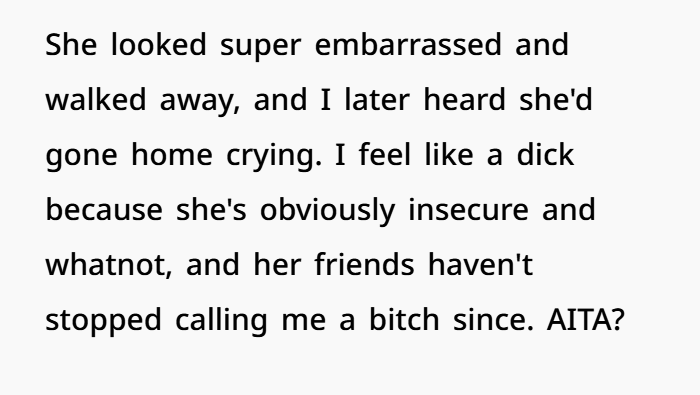
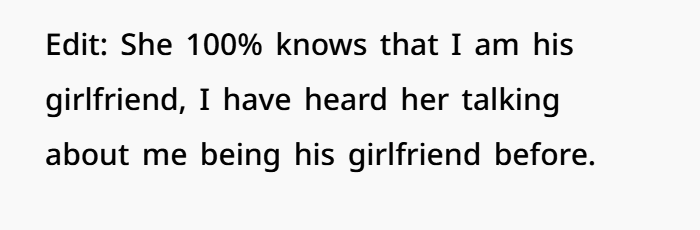
This disagreement didn’t happen because of one awkward moment. It had been building for some time, with several incidents making the girlfriend more and more uncomfortable.
Victoria seemed to have a growing interest in her boyfriend. She often found reasons to work with him, stayed close to him during class activities, and openly talked about how attractive she found him.
At first, these actions might have seemed harmless. After all, students often work together, form friendships, and spend time with their classmates. But when the same person keeps seeking attention from someone in a relationship, things can become uncomfortable.
The girlfriend wasn’t upset about her boyfriend having female friends. What bothered her was how Victoria kept finding ways to get closer to him.
Each incident added to her concerns. By the time the play ended, she had already spent weeks watching behavior that didn’t sit right with her.
Why Victoria’s Role in the Play Seemed Strange
One thing that stood out was Victoria’s decision to switch roles in the school play.
She gave up a bigger part to play the girlfriend’s boyfriend’s romantic partner. The new role included a kiss, giving Victoria the chance to share a romantic scene with him on stage.
There could have been several reasons for her choice. Actors sometimes prefer smaller roles because they find the characters more interesting or enjoy working with certain people.
But given Victoria’s earlier behavior, the girlfriend couldn’t help finding the decision suspicious.
It wasn’t just about the kiss. The role also meant Victoria would spend more time rehearsing with her boyfriend and acting out romantic moments with him.
While none of this proved that Victoria was trying to interfere with their relationship, it added to the girlfriend’s growing discomfort.
When Acting Starts to Feel Personal
Drama students often perform scenes that involve love, heartbreak, and strong emotions. They may have to kiss, hold hands, or act like they’re deeply in love with another person.
That’s part of acting, and it doesn’t mean the feelings are real.
Still, performing romantic scenes can sometimes make people feel close to their fellow actors. Spending hours rehearsing and sharing emotional moments can create a bond.
But there’s a difference between playing a romantic role and trying to turn that role into something real.
Someone might develop feelings they didn’t expect. That can happen. What matters is how they choose to act on those feelings.
When another person is already in a relationship, respecting that relationship is important. A stage kiss shouldn’t become an excuse to push personal boundaries once the performance is over.
What Made the Afterparty So Uncomfortable
The real trouble began after the play, when the students gathered to celebrate their performance.
At first, everyone was simply talking about the show and enjoying the evening. But Victoria soon brought up the kiss she had shared with the boyfriend.
Talking about a stage kiss wouldn’t normally be a problem. Actors often discuss scenes they’ve performed together.
However, Victoria began making comments that suggested the kiss meant more to her than just acting.
She spoke about the connection they had shared and hinted that their chemistry might have been real. Later, she brought up the subject directly with him while his girlfriend was nearby.
That made the situation even more awkward.
The girlfriend had already watched Victoria spend weeks trying to get close to him. Hearing her talk about their romantic connection in front of everyone felt like another step too far.
Alcohol may have played a part in how openly Victoria spoke. Drinking can make people less careful about what they say, but it doesn’t make hurtful comments harmless.
For the girlfriend, this was no longer about a scene in a school play. It was about someone repeatedly making comments that seemed to ignore her relationship.
Why the Girlfriend Finally Spoke Up
The girlfriend’s reaction makes more sense when looking at everything that happened before the party.
She had noticed Victoria’s repeated attempts to spend time with her boyfriend. She had heard the comments about his looks and watched her choose a role that involved kissing him.
Then came the afterparty, where Victoria openly discussed their supposed chemistry.
Each moment added to the girlfriend’s frustration.
Sometimes people stay quiet about things that bother them because they don’t want to seem jealous or cause an argument. They may convince themselves that they’re overthinking the situation.
But when similar incidents keep happening, those feelings can build until staying silent no longer feels possible.
That’s what appeared to happen here.
The girlfriend had tried to ignore Victoria’s behavior, but the comments at the party pushed her to speak up.
Her response may have been emotional, but it didn’t come out of nowhere. She was reacting to a pattern she had been noticing for some time.
Why Speaking Calmly Can Make a Difference
When someone feels disrespected, it’s easy to react in anger. Being calm is much harder when emotions have been building for weeks.
Still, the way a person handles an argument can affect what happens next.
A private conversation might have allowed the girlfriend to explain why Victoria’s behavior bothered her without drawing attention from the whole group.
She could have made it clear that the stage kiss wasn’t the problem. It was the repeated comments and hints about romantic feelings that crossed the line for her.
But real-life arguments rarely happen under perfect conditions.
People sometimes speak before thinking, especially when they feel embarrassed, hurt, or pushed too far.
That doesn’t mean every harsh word is fair. It simply shows why dealing with problems early can help prevent bigger arguments later.
The goal should be to make boundaries clear without turning the disagreement into a personal attack.
How Insecurity May Have Played a Part
Another part of the story involves Victoria’s struggles with her self-image.
She was described as someone who didn’t always feel confident about herself. People who struggle with confidence may sometimes look for praise or attention to feel better.
Getting compliments or feeling wanted can offer a short boost to someone’s mood.
But that doesn’t mean insecurity was the reason behind Victoria’s actions. Only she could fully explain what she was feeling.
Even if she was seeking attention, her personal struggles wouldn’t make it fair to ignore someone else’s relationship.
Everyone has insecurities, and most people face moments when they wish they felt more attractive, confident, or accepted.
Those feelings deserve care and understanding. But they don’t give anyone a free pass to make others uncomfortable.
It’s possible to feel sympathy for someone’s struggles while still expecting them to respect personal boundaries.
How the Argument Affected Their Friend Group
Once the girlfriend confronted Victoria, the disagreement quickly became a public issue.
Victoria felt hurt and embarrassed by what happened. Some of her friends took her side, while the girlfriend believed she had finally stood up for herself.
This is common when arguments happen in front of other people.
Friends may only hear part of the conversation or focus on the moment when someone raises their voice. They might not know about the smaller incidents that led to the argument.
As a result, two people can walk away from the same event with very different views of what happened.
Victoria may have felt she was being unfairly confronted over a harmless conversation. The girlfriend, meanwhile, saw the exchange as the final straw after weeks of uncomfortable behavior.
Both reactions help explain why the disagreement spread beyond the two women.
The situation also shows how quickly tension can affect a group of friends. What starts as a personal issue can leave classmates feeling pressured to choose sides.
What This Story Teaches About Relationship Boundaries
At its heart, this story isn’t really about a kiss during a school play.
The girlfriend understood that acting sometimes requires romantic scenes. She wasn’t asking her boyfriend to avoid every role involving another woman.
Her concern was Victoria’s behavior outside the performance.
Repeated compliments, attempts to get close, and comments about romantic chemistry made her feel that the relationship wasn’t being respected.
At the same time, it’s important to remember that people can have friendships and work closely with others without doing anything wrong.
The key difference is whether everyone respects each other’s limits.
The boyfriend’s role matters too. Healthy relationships depend on both partners being honest about situations that make them uncomfortable. Trust works best when both people listen and take each other’s feelings seriously.
The girlfriend had a right to explain why Victoria’s comments bothered her. Victoria also had a chance to hear those concerns and respond without making the conflict worse.
In the end, this story shows how small moments can build into a much larger disagreement when people avoid dealing with them.
A stage kiss may have started the tension, but the behavior that followed turned it into a problem.
The lesson is simple: respecting relationships means paying attention to boundaries, even when no one has clearly said you’ve crossed one. And when something feels wrong, speaking up early and calmly can prevent weeks of frustration from turning into a public argument.
Add the missing original conflict detailsReduce repeated points about Victoria why emotional intelligence, conflict resolution, personal boundaries, and respectful communication matter. These skills can help people handle disagreements, prevent misunderstandings, and build healthier relationships.
See The Comments Below
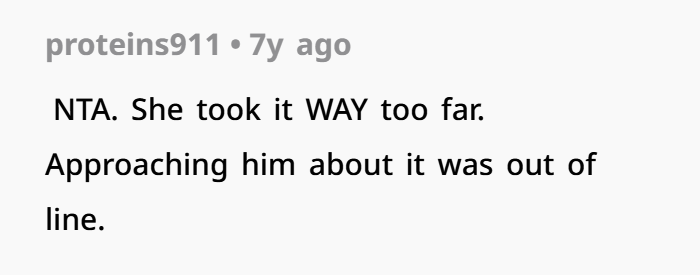
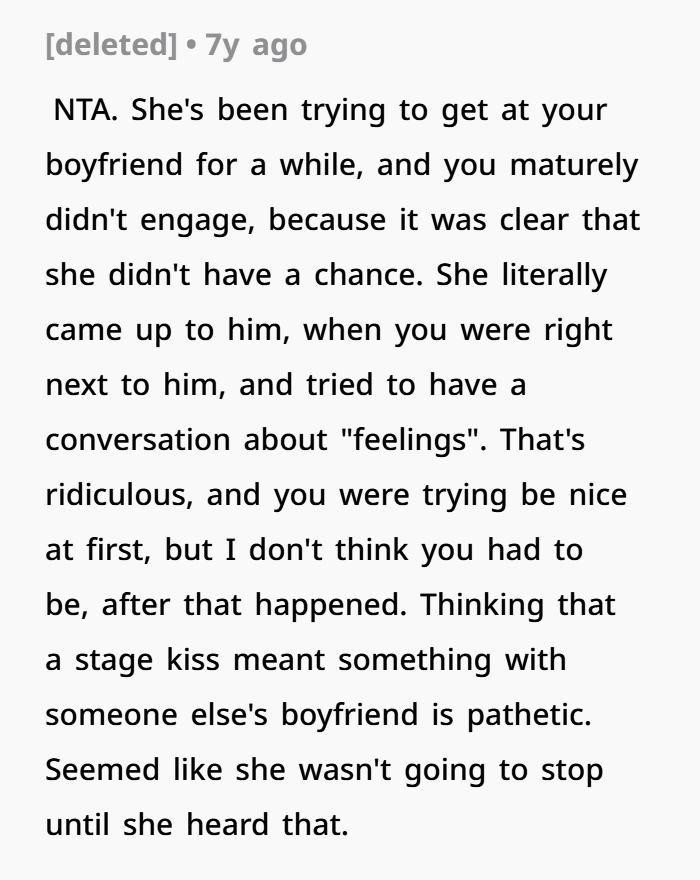
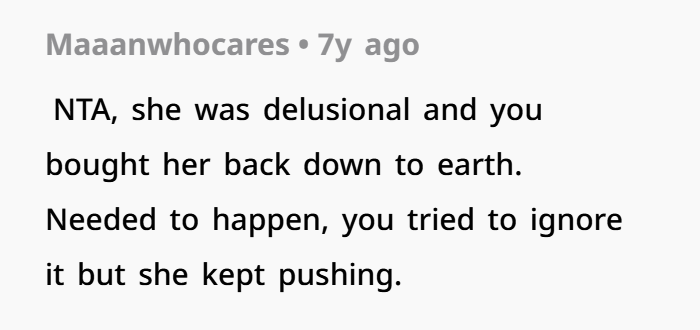
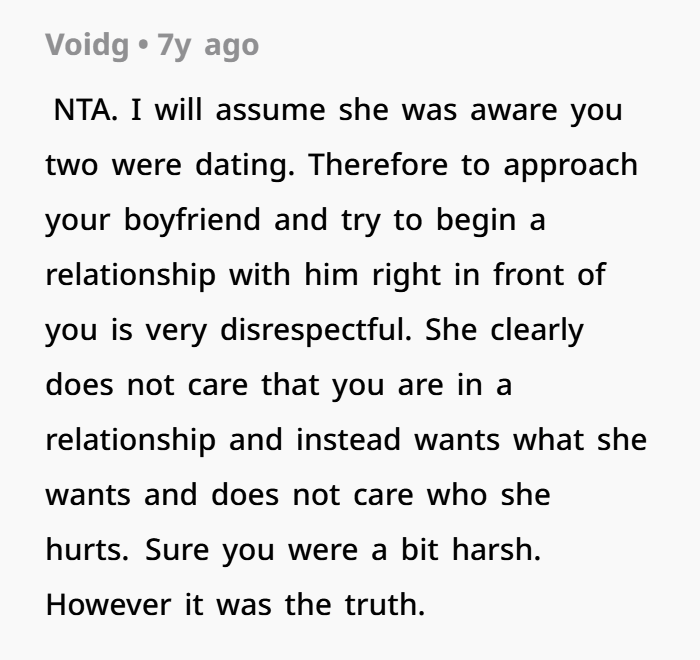
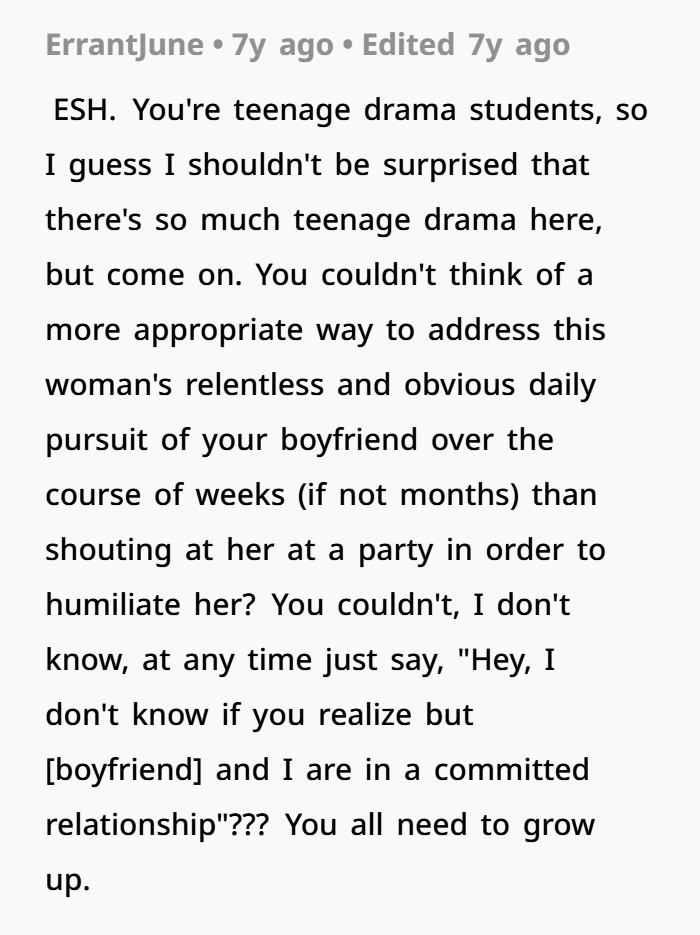
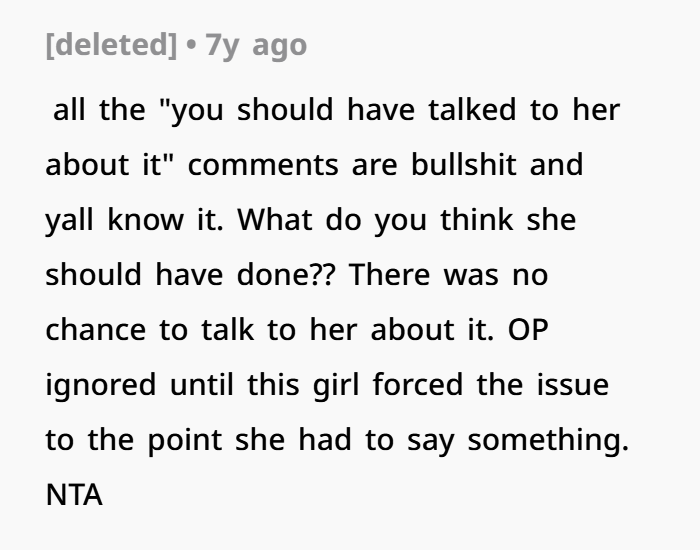
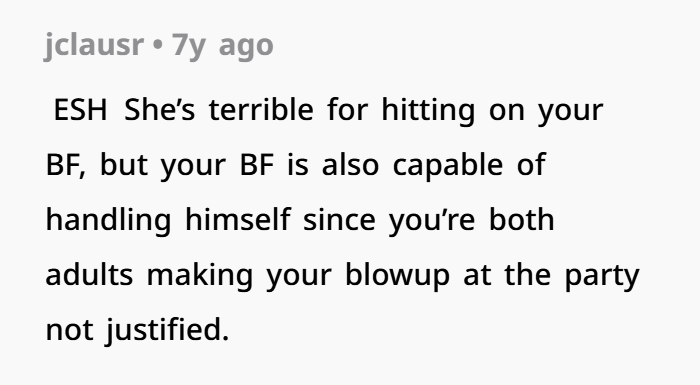
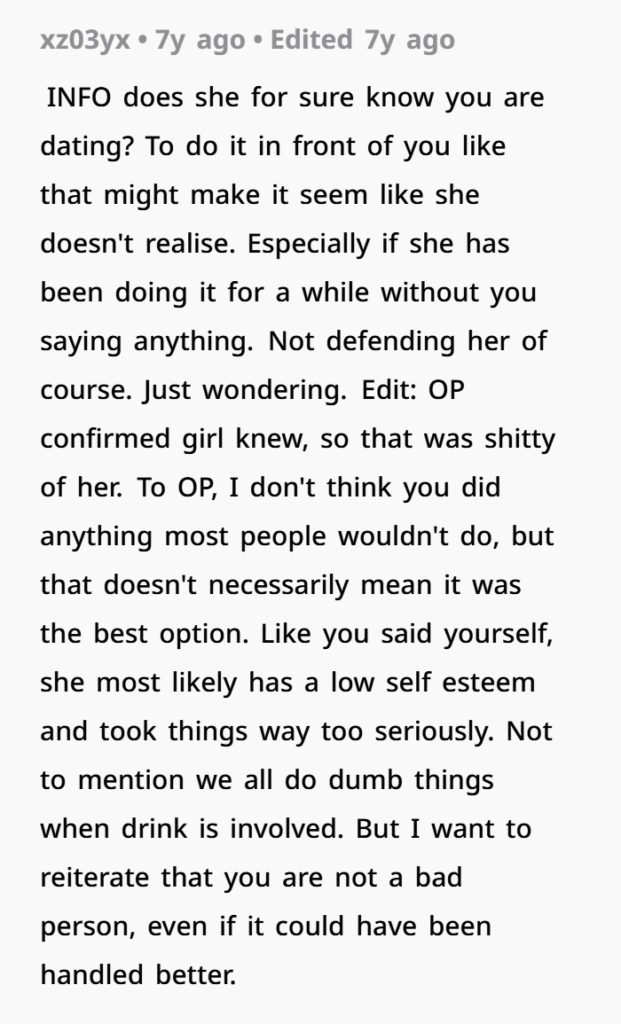
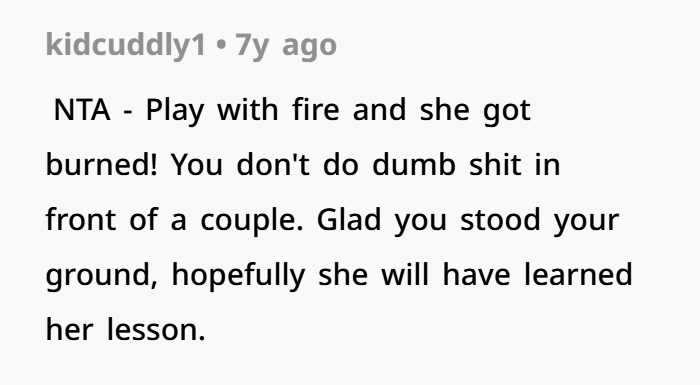
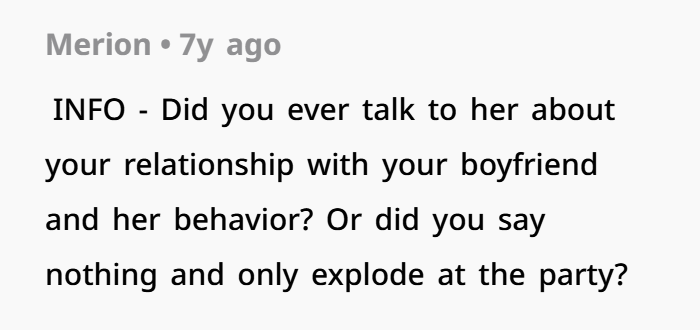
You weren’t wrong for speaking up when Victoria crossed the line. She knew your boyfriend was in a relationship, yet she kept making comments that made you uncomfortable.
Still, the way you confronted her may have been a little too harsh. It’s natural to feel upset when someone disrespects your relationship. But speaking out of anger can sometimes make things worse.
In the end, you had every right to set boundaries and defend your relationship. A calmer conversation might have handled the problem better without causing more drama. Your feelings were fair, even if your choice of words wasn’t the best.
Make the judgment more balancedAdd a stronger final verdict