Bride Ruins Her Own Wedding, Then Blames the Bridal Party for the Wasted Money
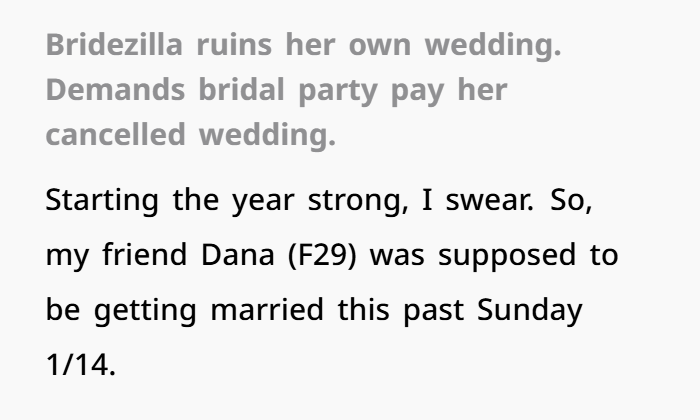
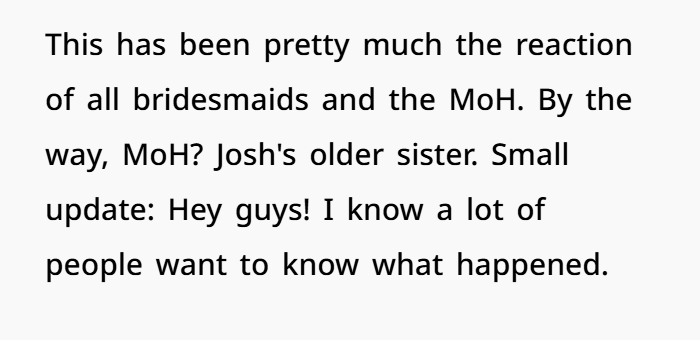
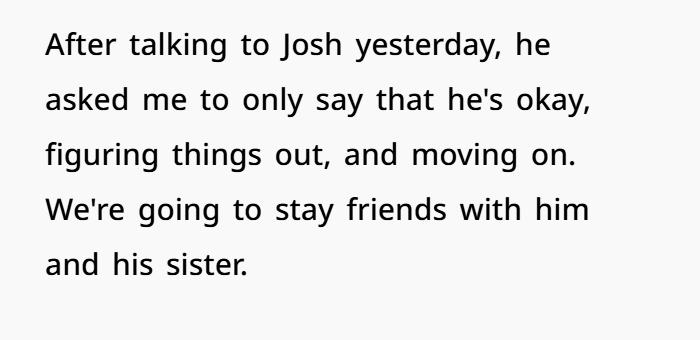
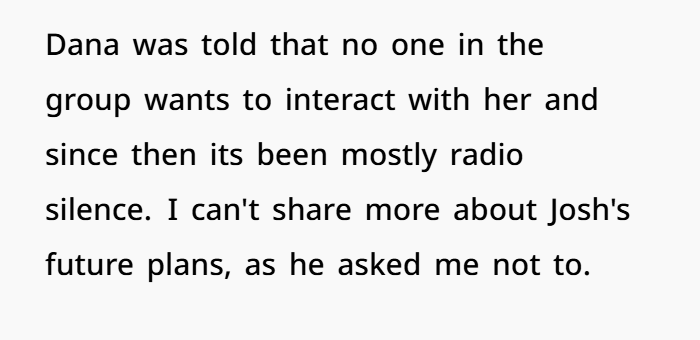
What should have been a happy wedding turned into a mess when Dana, 29, began planning her big day with Josh, 32. Their friends had known each other since college, but wedding plans soon caused arguments, stress, and hurt feelings.
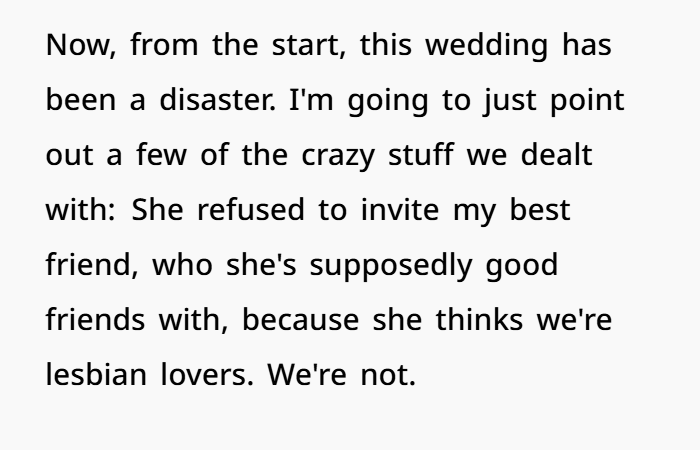
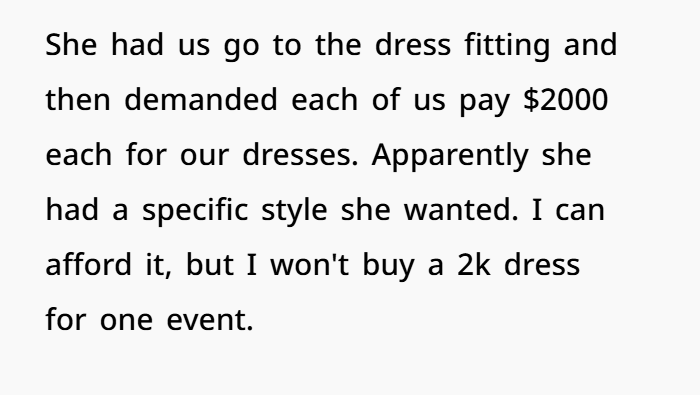
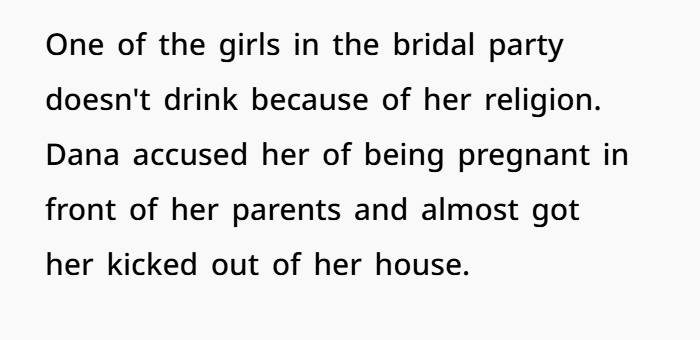
Trouble started when Dana asked her bridesmaids to pay a high price for custom dresses. She also set strict rules about who could attend the wedding. These demands upset several friends and family members. As things got worse, some bridesmaids decided they no longer wanted to be part of the wedding.
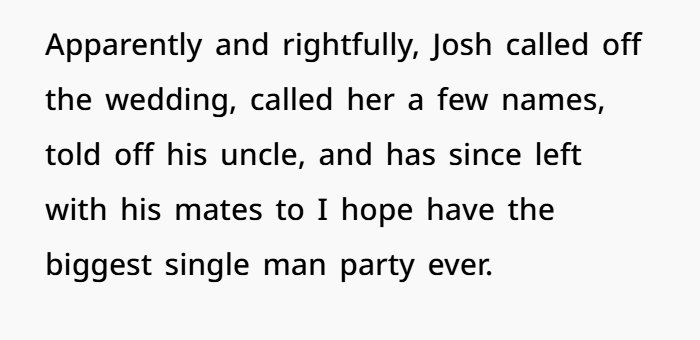
Things fell apart on the wedding day. Last-minute changes, canceled plans, and heated arguments left everyone confused. The wedding was eventually called off, leaving guests and family members shocked.
But the drama didn’t end there. The canceled wedding left behind unpaid bills and other costs. Friends began arguing over who should pay, while family members got pulled into the dispute. Years of friendship were now at risk because of money and blame.
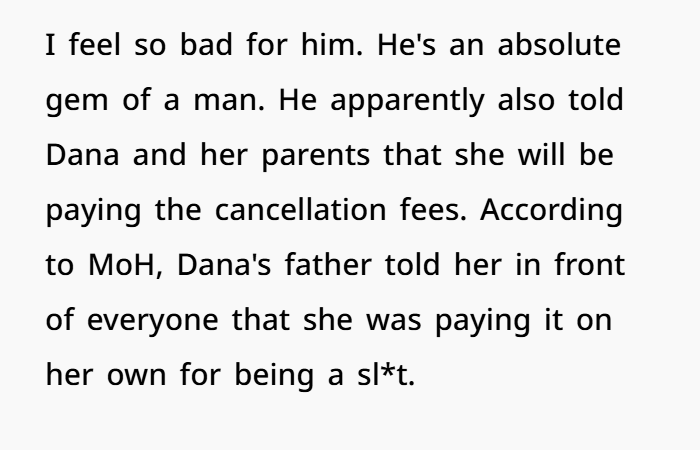
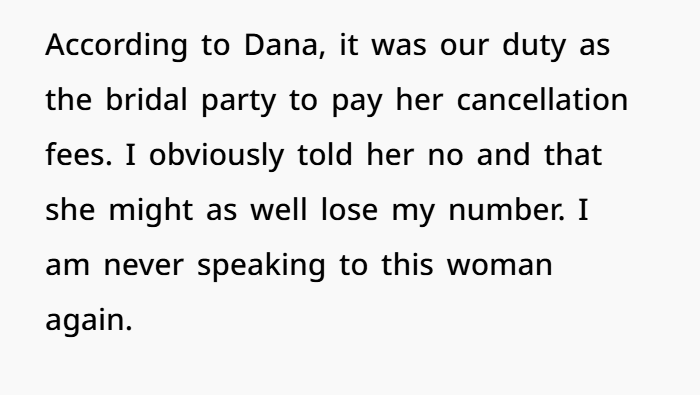
Dana later demanded that members of her bridal party help pay for the canceled wedding. Her request sparked even more anger. Some friends cut ties with her, while others thought about getting legal advice to deal with the money dispute.
The whole situation shows how wedding plans can go wrong when people place too many demands on others. Bridesmaids often spend their own money to support a friend, but that doesn’t mean they should pay for every problem.
In the end, a day meant to celebrate love became a source of anger, broken friendships, and financial stress. Dana’s wedding never happened, but the arguments over who should pay continued long after the guests went home.
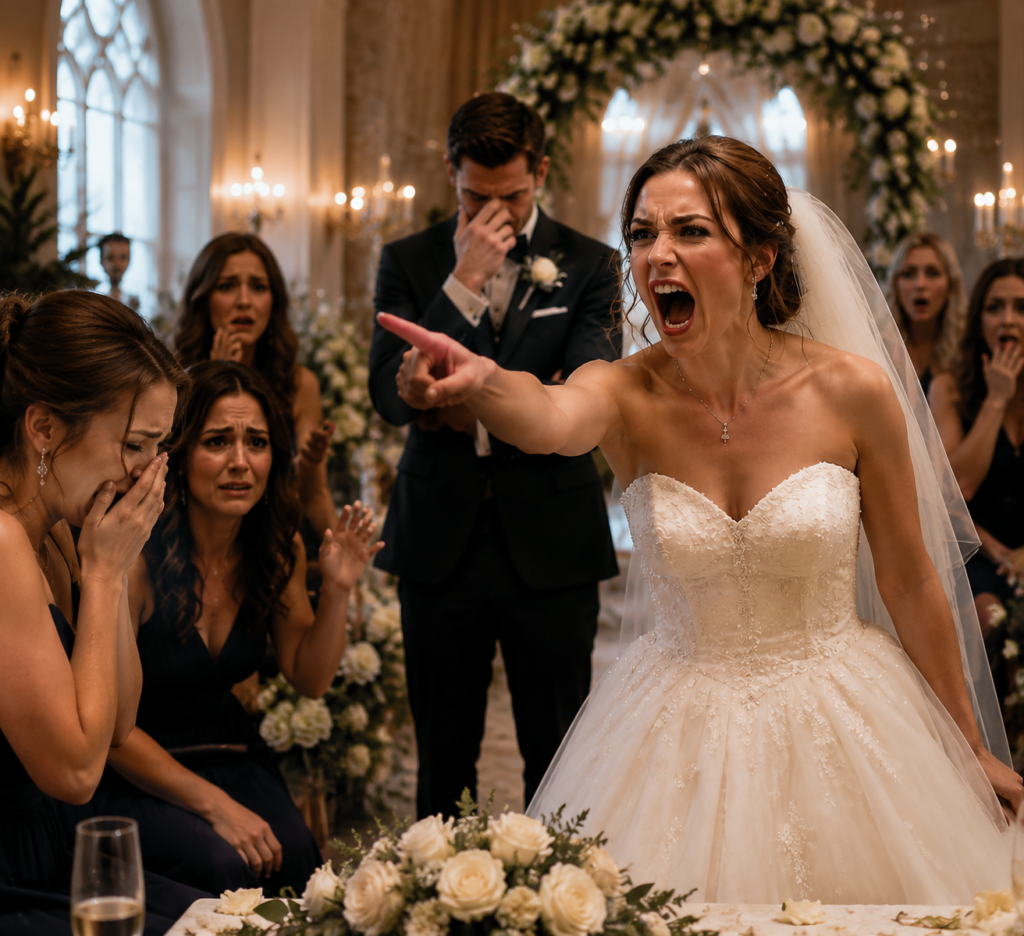



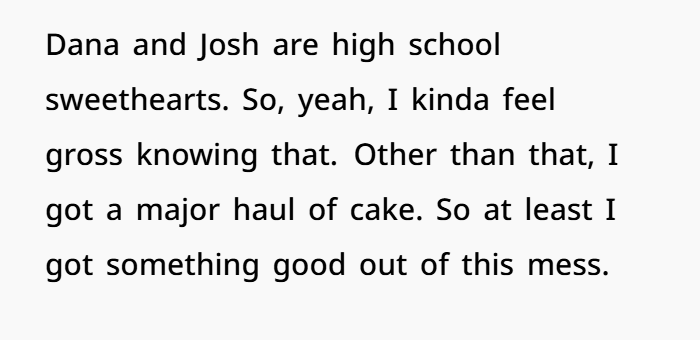
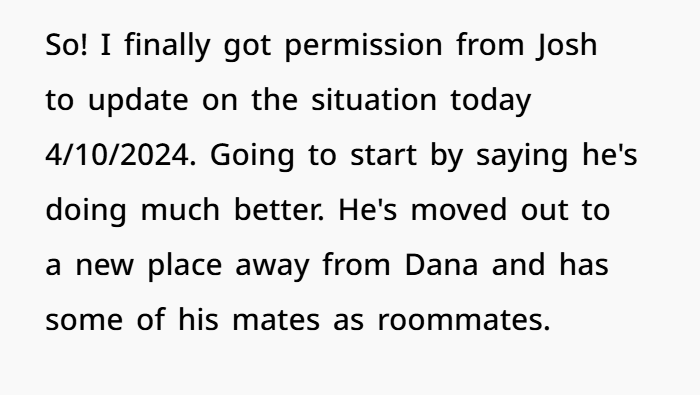
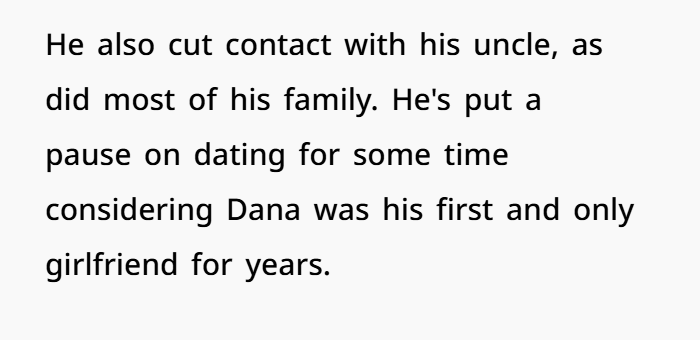
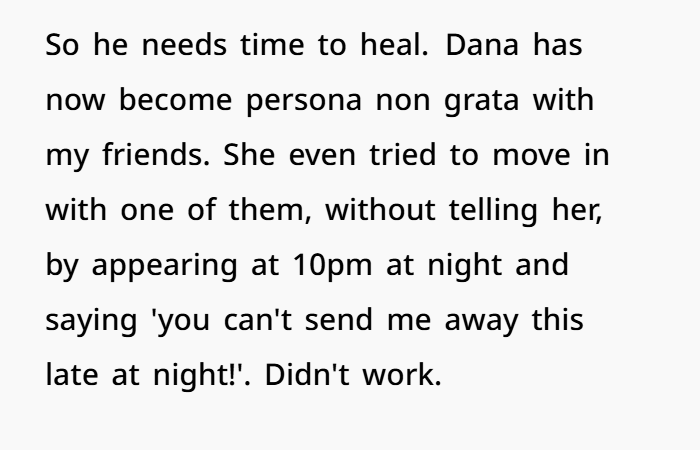
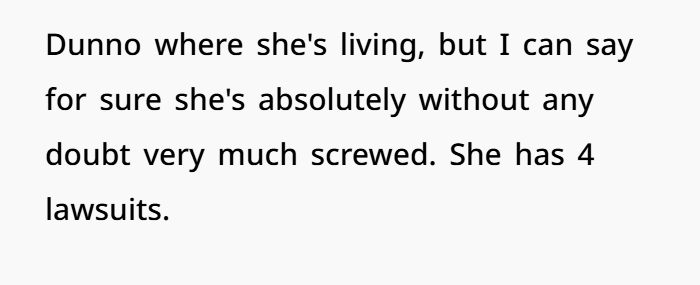
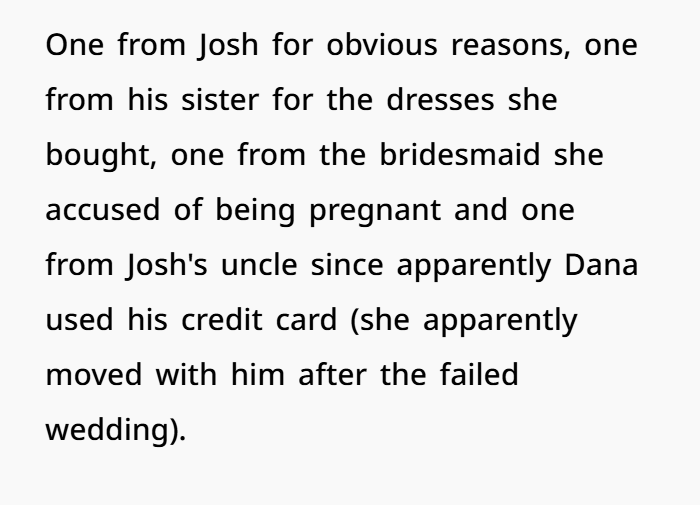
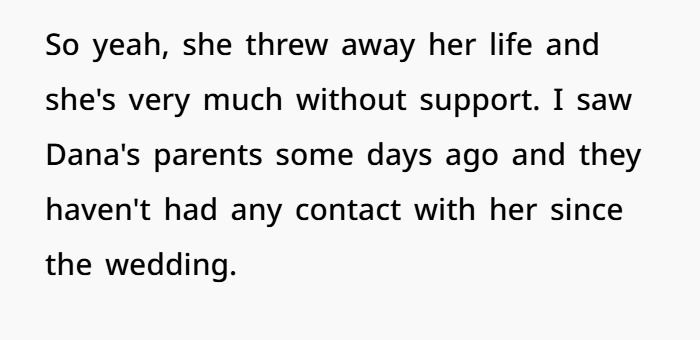
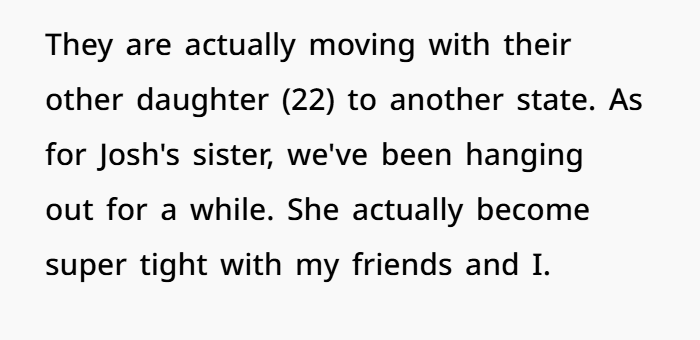
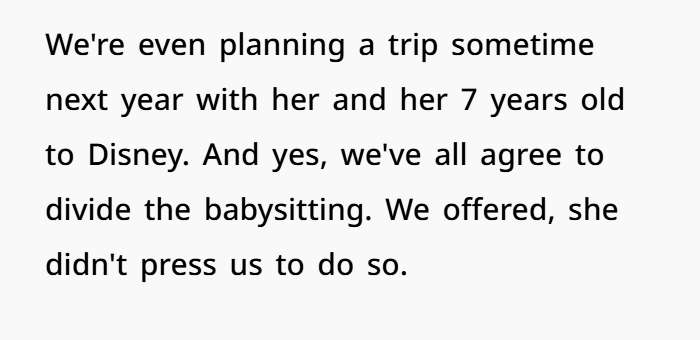
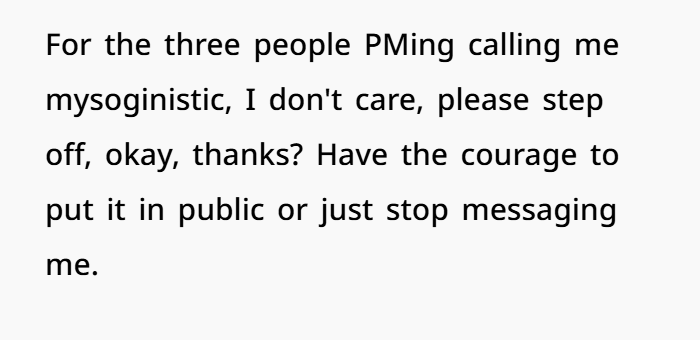
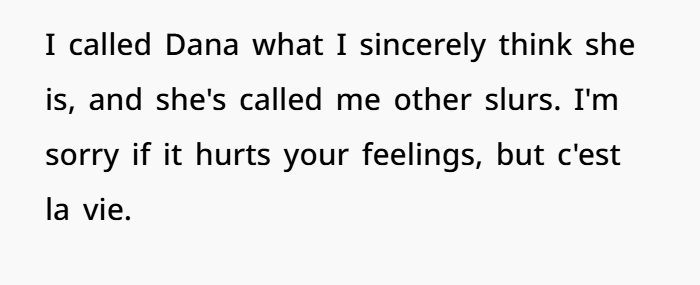
This wedding dispute caused stress, anger, and money problems for everyone involved. While emotions played a big part, the law usually looks at contracts, payment agreements, and who agreed to cover certain costs.
Wedding Cancellation and Contract Rules
Wedding venues, photographers, caterers, and other vendors often require signed contracts before providing their services. When a wedding gets canceled, these contracts help decide who must pay any remaining fees.
In most cases, the people who signed the contracts are responsible for the costs. Bridesmaids and other wedding party members usually don’t have to pay cancellation fees unless they agreed to take on those costs.
A written contract can help settle these disputes. It shows who agreed to pay, what services were booked, and what happens if plans change.
Can Bridesmaids Be Forced to Pay?
Bridesmaids often pay for their dresses, travel, makeup, and other wedding costs. However, these expenses are usually based on what they agreed to pay, not a legal duty.
If a bride demands money after canceling her wedding, she cannot simply assume her bridesmaids owe her. She would need to show that they agreed to cover those costs.
A written agreement isn’t always required for a payment claim. Messages, receipts, and even verbal agreements may matter, depending on local laws.
Some money disputes may end up in small claims court. A judge would review the evidence and decide whether anyone has a legal duty to pay.
Money Disputes and Possible Fraud
Wedding money disputes can become more serious when someone uses another person’s credit card or bank account without permission.
Advertisement – Continue Reading Below
Using someone else’s money without consent may lead to legal trouble. Depending on what happened, the person involved could face a civil claim or criminal charges.
The main question is whether the account owner gave permission. Bank records, payment details, and messages may help show what happened.
Public Accusations and Emotional Harm
Wedding arguments sometimes spread beyond the people involved. Friends may share private details online, make accusations, or blame others for what happened.
In some cases, false claims that harm someone’s reputation may lead to a defamation case. However, being upset by someone’s words does not always mean there is a legal claim.
Courts may look at whether a statement was false, whether it was shared with others, and whether it caused harm.
Claims for emotional distress can also be hard to prove. The rules vary by location, and strong evidence is often needed.
Can Wedding Insurance Cover the Losses?
Some couples buy wedding insurance to protect themselves from certain losses if their plans fall apart.
Depending on the policy, insurance may help cover lost deposits, vendor problems, or cancellations caused by events outside the couple’s control.
However, it may not cover a wedding canceled because of personal arguments or a change of heart. Fraud and intentional acts are also often excluded.
Couples should read their policies before making plans. Knowing what is covered can prevent more money problems later.
How Wedding Stress Can Damage Friendships
Planning a wedding can put pressure on couples, friends, and family members. Large bills, guest list arguments, and high demands can turn a happy event into a stressful one.
Problems often grow when people don’t talk openly about money. A bridesmaid may agree to buy a dress but never expect to pay for a canceled venue or other wedding bills.
Setting a clear budget and discussing costs early can help avoid these issues. Everyone should know what they are expected to pay before making a commitment.
Dana’s situation shows how quickly wedding plans can damage close friendships when money and blame take over. A canceled wedding is upsetting enough without asking others to pay for costs they never agreed to cover.
In the end, clear agreements, fair demands, and respect for others can help prevent a wedding dispute from turning into a much bigger problem.
See the comments to know what people said
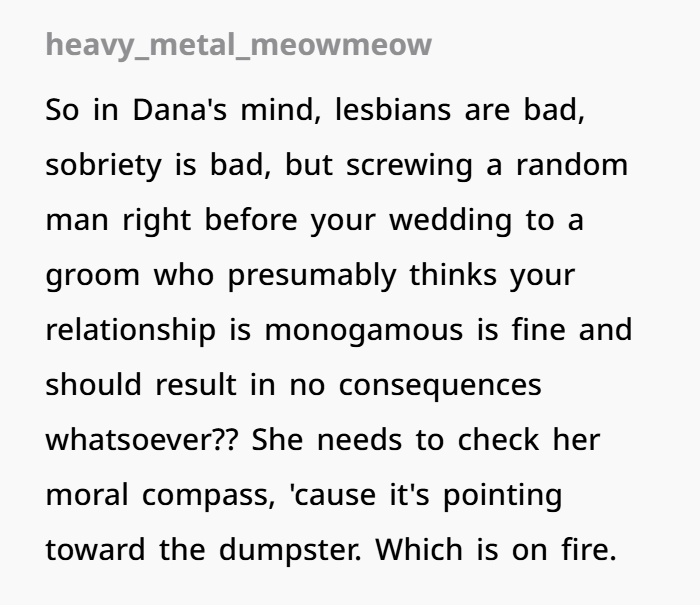

This story shows how wedding plans can turn into serious arguments when money and emotions get involved. What starts as a small disagreement can grow into a bigger problem when people have different ideas about costs and who should pay.
While hurt feelings often get the most attention, legal disputes usually come down to contracts, payment records, and proof of who agreed to cover the bills. Just because someone expects a friend to pay doesn’t mean that friend has a legal duty to do so.
When a wedding gets canceled, vendor fees and unpaid bills are usually handled under the signed contracts. If bridesmaids never agreed to cover those costs, making them pay can be difficult. Still, verbal agreements and messages may also matter under local laws.
If the people involved cannot settle the money dispute, they may need legal advice or help from small claims court. Contracts, text messages, receipts, and bank records can help show who agreed to pay and what money is still owed.