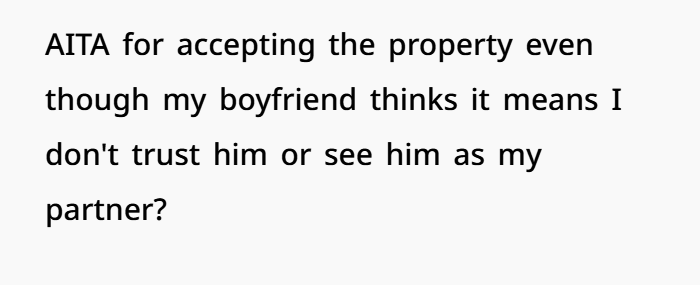
AITA for Accepting a $400K Property Gift and Refusing to Share Ownership With My Boyfriend?
A generous gift from a parent should be something to celebrate. But for one 30-year-old woman, a property worth around $400,000 has caused unexpected problems with her boyfriend.
Her mother plans to give her a rental property in Sacramento as part of her long-term estate plans. The goal is to help her daughter build a secure financial future.
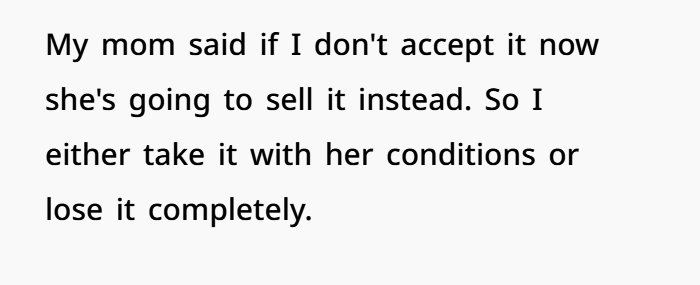
However, the gift comes with one condition. Her mother wants the property to remain in her daughter’s name, even if she gets married.
At first, the woman saw nothing wrong with this arrangement. She understood why her mother wanted to protect something she had worked hard to own.
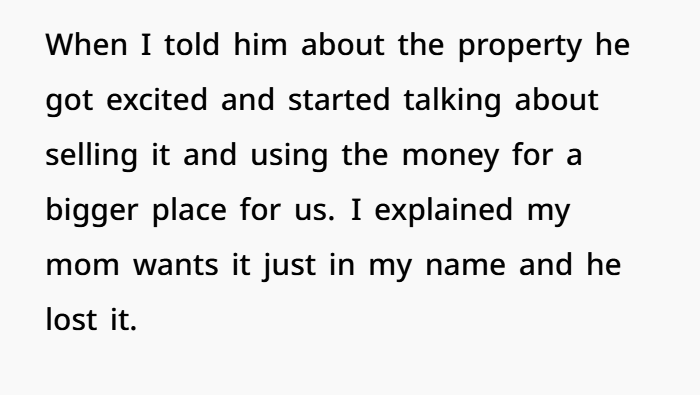
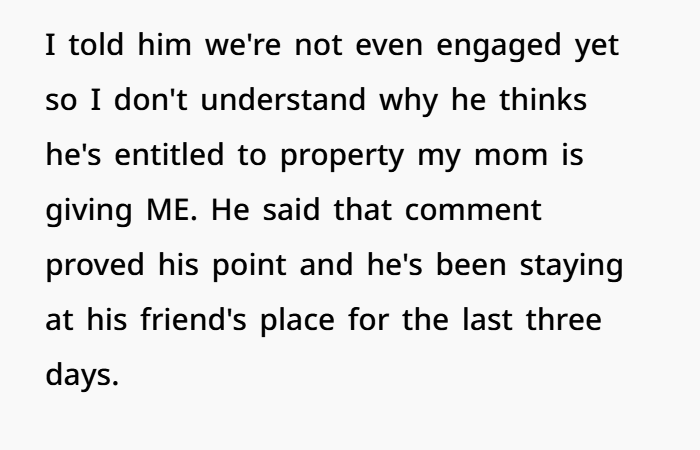
Things became complicated when her boyfriend of three years learned about the property.
Although the couple had talked about marriage, they weren’t engaged. Still, her boyfriend began discussing how the property could help them build a future together.
He suggested they could sell the rental property and use the money toward their shared plans.
He also expected to have a say in decisions involving the property.
The woman wasn’t comfortable with that idea.
She explained that her mother had made it clear the property should remain hers alone. If she married, her mother also wanted her to have legal protection in place to keep the asset separate.
Her boyfriend didn’t take the news well.
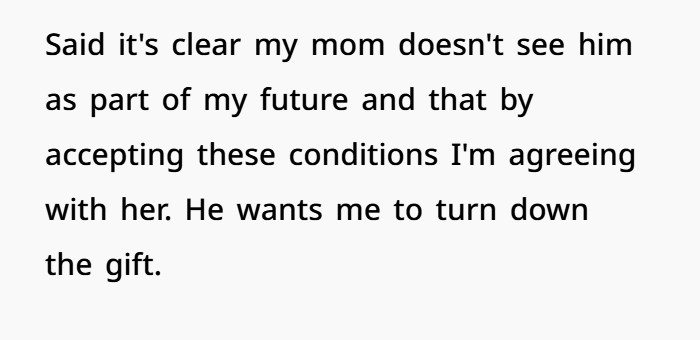
He felt hurt by the condition and believed it showed that her family didn’t trust him. From his point of view, planning a marriage meant making important financial decisions together.
But the woman saw the situation differently.
She wasn’t against building a future with him. She simply believed that accepting a gift from her mother didn’t mean she had to share ownership of it.
The property was meant to provide her with long-term financial security, and she wanted to respect her mother’s wishes.
As they continued discussing the issue, their relationship became strained.
Advertisement – Continue Reading Below
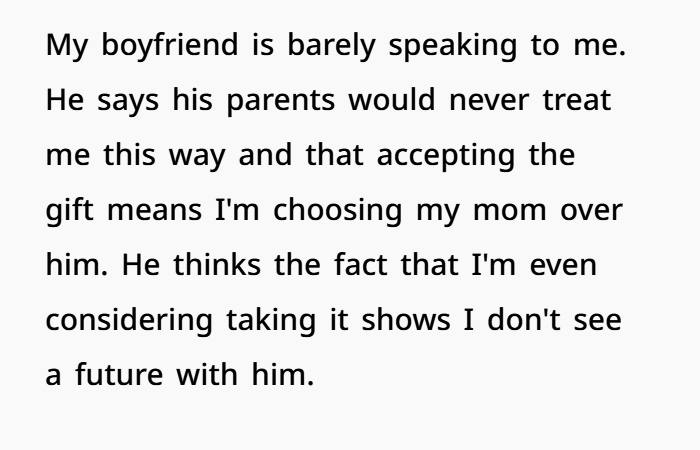
Her boyfriend started acting more distant, leaving her unsure how to handle the disagreement.
She began questioning whether keeping the property separate was unfair to someone she might eventually marry.
At the same time, she couldn’t understand why her boyfriend expected to have control over an asset that hadn’t been given to him.
The situation brought up bigger questions about trust, money, and personal boundaries in relationships.
Some couples prefer to combine their finances after marriage, while others choose to keep certain assets separate.
Family gifts can make those decisions more difficult, especially when parents attach conditions to valuable property.
In this case, the woman’s mother wanted to protect her daughter’s future. Her boyfriend, however, seemed to view the property as part of their possible future together.
Their different expectations created a conflict neither had expected.
Now, the woman must decide how to move forward without damaging her relationship or ignoring her mother’s wishes.
Her experience raises an important question: Does planning a future with someone mean they should have a say in property gifted to you by your family?
A relationship can involve shared goals and financial plans, but that doesn’t mean every personal asset must become shared property. For this couple, the challenge is finding a way to respect both their future together and the financial boundaries already in place.

A valuable property gift can change someone’s financial future. But when money becomes part of a relationship, even a generous family gift can lead to disagreements.
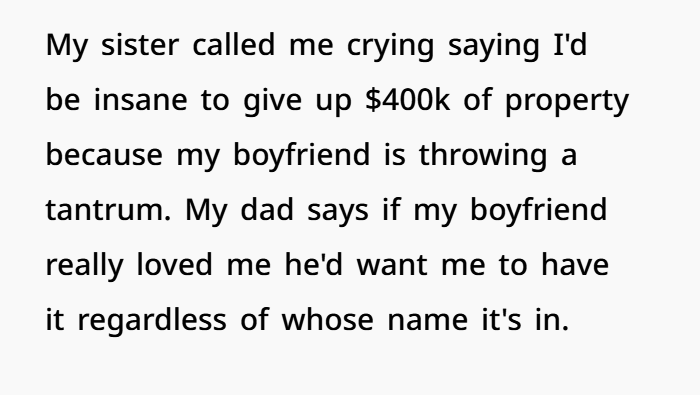
For one 30-year-old woman, receiving a rental property worth around $400,000 from her mother created unexpected tension with her boyfriend of three years.
Her mother wanted the property to remain in her daughter’s name, even after marriage. Her boyfriend, however, felt excluded from decisions about an asset that could affect their future together.
The disagreement raises important questions about financial security, family wealth, trust, and personal boundaries.
1. Why Families Protect Valuable Property
When parents pass down valuable assets, they often want to make sure those assets remain protected.
A house, rental property, or investment can represent years of hard work and savings.
For this woman’s mother, the Sacramento rental property was more than a gift. It was part of her long-term estate plans and a way to help her daughter become financially secure.
Her condition was simple: the property should remain in her daughter’s name.
She also wanted legal agreements in place if her daughter married.
This type of planning can help families manage ownership and reduce the risk of disputes later.
The exact protection depends on state law, how the property is transferred, and how it is managed after marriage.
Keeping an asset separate doesn’t always mean someone distrusts their partner. It can simply be a way to protect something received from family.
2. The Financial Benefits of Owning a $400K Rental Property
Receiving a rental property worth around $400,000 could provide major financial benefits.
Unlike a one-time cash gift, a rental property may continue producing value over many years.
Potential benefits include:
- Rental income: Tenants may provide regular income that helps cover expenses or build savings.
- Property value growth: The property could increase in value over time, although prices can also fall.
- Building equity: Ownership can help build wealth as debt is paid down or property value rises.
- Long-term security: The property may provide another source of income or a valuable asset for the future.
However, rental properties also come with costs.
Repairs, taxes, insurance, vacancies, and property management can reduce the money an owner earns.
Even with these expenses, receiving a valuable property without having to purchase it could give the woman a strong financial advantage.
That helps explain why her mother wants the gift protected.
3. Why Her Boyfriend Felt Excluded
The couple had been together for three years and had discussed marriage.
Although they weren’t engaged, her boyfriend had started thinking about their future together.
After learning about the rental property, he began discussing how they might use it.
One idea involved selling the property and putting the money toward shared goals.
But when the woman explained her mother’s condition, he became upset.
He felt that keeping the property in her name suggested her family didn’t fully trust him.
For someone thinking about marriage, that feeling of being excluded can be difficult.
He may have viewed the property as a chance for them to build something together.
However, wanting to share a future doesn’t automatically mean both partners must share ownership of every asset.
The disagreement shows how two people can have different ideas about money and commitment.
4. Financial Protection Doesn’t Always Mean a Lack of Trust
One of the biggest issues in this story is the difference between financial protection and emotional trust.
The boyfriend appeared to connect the property agreement with how much the woman’s family trusted him.
The woman viewed it as a practical decision meant to protect her future.
These are two different ways of looking at the same arrangement.
Many couples choose to keep some assets separate while sharing other financial responsibilities.
For example, they may share household expenses, save together, or purchase a home jointly while keeping family gifts in their own names.
This doesn’t automatically make a relationship less serious.
Financial independence can exist alongside love, respect, and long-term commitment.
The important part is making sure both partners understand and agree on how they want to handle money.
5. Why Accepting the Gift Could Be Important for Her Future
The property gift is an opportunity that could provide benefits for many years.
At 30, the woman may have decades ahead to manage the rental property, earn income, or decide how it fits into her financial plans.
Turning down the gift because of a relationship disagreement could mean giving up a valuable asset.
That doesn’t mean she should ignore her boyfriend’s feelings.
However, accepting a gift from her mother is a separate decision from how she and her boyfriend plan their future together.
She can respect his concerns while still protecting the property.
Before accepting the transfer, she would also benefit from speaking with a qualified attorney and tax adviser.
They could help her understand ownership rules, possible taxes, and the legal steps needed to protect the asset.
6. Why Money Can Create Relationship Problems
Money disagreements are common because people often connect finances with trust, fairness, and security.
One partner may see separate property as a sensible choice.
The other may worry that it creates distance in the relationship.
In this case, the woman believed she was protecting a family asset.
Her boyfriend felt that the arrangement kept him outside an important part of their future.
Neither feeling should be ignored.
However, disagreements become harder when people stop talking openly.
According to the story, the boyfriend became more distant after learning that the property would remain separate.
That reaction left the woman confused about where their relationship stood.
A calm conversation about their expectations could help them understand the real concern behind the disagreement.
7. Why Couples Should Discuss Money Before Marriage
Couples often talk about weddings, homes, and future plans before getting married.
But discussing how they will handle money is just as important.
Some useful questions include:
- Will we combine our income or keep separate accounts?
- How will we divide household expenses?
- What happens to property owned before marriage?
- How should we handle gifts or inheritances from family?
- Will we make major financial decisions together?
- How will we protect each other’s financial future?
These conversations can help prevent confusion later.
A couple doesn’t need to agree on every detail immediately, but both people should understand what the other expects.
If they have very different views about ownership and money, it is better to address those differences before making major commitments.
8. Finding a Balance Between Love and Financial Independence
A healthy relationship doesn’t require someone to give up control of everything they own.
At the same time, couples planning a future together should be willing to discuss how their financial choices affect each other.
The woman can accept her mother’s gift while remaining open about her plans.
Her boyfriend can explain why the arrangement makes him uncomfortable without expecting ownership of the property.
They may also decide to build shared savings or investments separately from the rental property.
This could allow them to work toward common goals while respecting the mother’s wishes.
The goal should be understanding each other’s needs rather than turning the property into a test of love or loyalty.
Final Thoughts
This disagreement is about more than a $400,000 rental property.
It involves family wealth, financial security, trust, and the expectations two people bring into a relationship.
The woman’s mother wants to protect an asset she plans to give her daughter. The woman sees the property as an important part of her financial future.
Her boyfriend feels excluded because he had imagined using the property to help them build a life together.
The couple now needs to decide whether they can respect each other’s views and find a way forward.
Clear conversations and sound legal advice can help them make informed choices.
Protecting a valuable family gift doesn’t have to come at the cost of a healthy relationship. Love and financial independence can exist together when both partners respect boundaries and communicate openly.
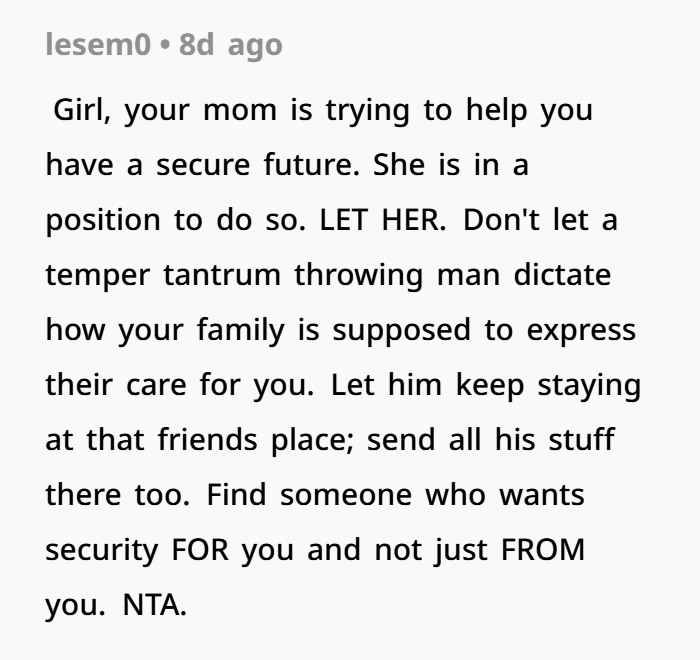
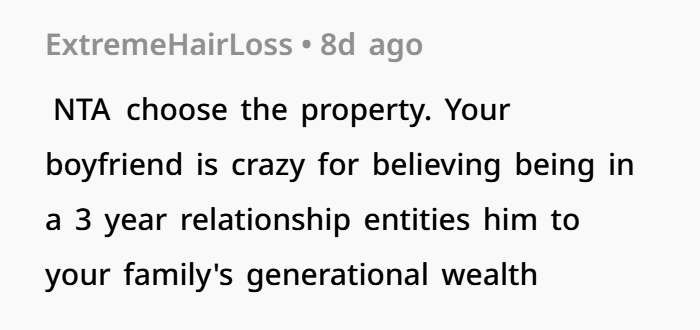
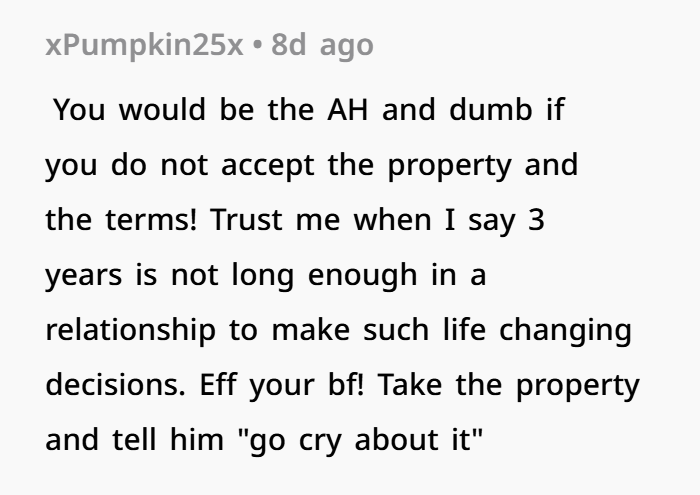
Netizens emphasized that the mother’s condition is protective rather than exclusionary, and that the boyfriend’s expectations are unreasonable




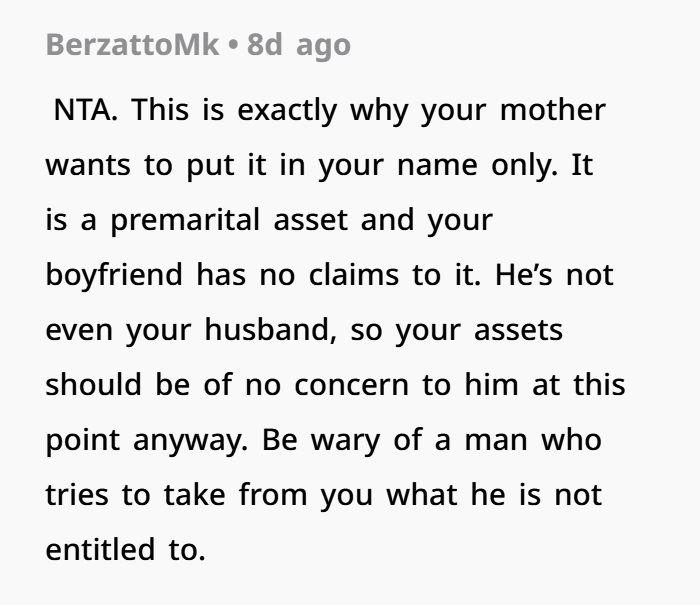


You’re not wrong for wanting to accept the property from your mother. It’s a valuable gift that could help you build a secure financial future.
The real issue isn’t whether your mother trusts your boyfriend. It’s whether he can respect your choice to protect something that belongs to you.
Building a future together doesn’t mean you have to share ownership of everything. A healthy relationship can include shared goals while allowing both partners to keep certain assets separate.
If your boyfriend finds that difficult to accept, it may be time for an honest conversation. The disagreement could point to deeper differences in how you both view money, trust, and personal freedom.
A strong relationship should allow both people to plan a future together without giving up their financial independence.