Woman, 33, Tells Her Mother She Never Wants Kids After 7 Years of Marriage, and the Family Argument Explodes
A 33-year-old South Asian woman never expected a simple FaceTime call with her mother to end in such a painful argument. But things quickly changed when she finally told her mother that she would never have kids.
She had been married for seven years, and her husband fully supported her choice. Both had agreed on a childfree marriage long before their wedding. It was one of the reasons they felt so close from the beginning.
Sadly, her mother never accepted their family planning decision.
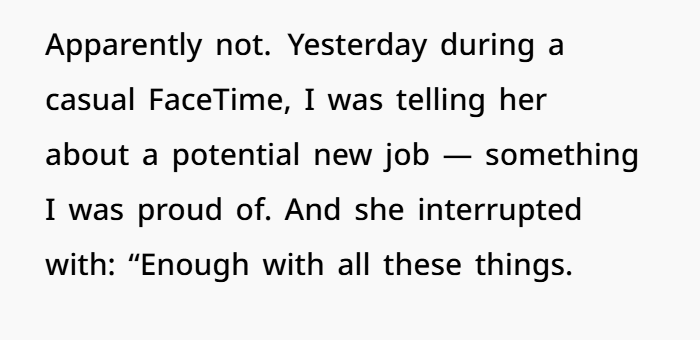
The trouble started when the woman called to share some happy news about a possible new job. She was proud of her career progress and wanted to tell her mother about it.
But her mother was more interested in grandchildren.
She stopped her daughter and told her to forget about those things and start having children.
This time, the woman did not laugh or try to avoid the question. She clearly said she never wanted to become a mother.
Her answer left her mother shocked. She began asking angry questions about her daughter’s life, marriage, and religious beliefs. She even blamed her for setting a bad example for her younger sister.
Then came a comment that made things even more painful. Her mother warned that her husband might leave her one day and marry someone who could give him children.
Her story raises a difficult question that many couples face: Why do some families struggle to accept a woman’s decision to remain childfree, even when she and her husband are happy with their lives?


She and Her Husband Had Made Their Decision Years Ago
For this woman, choosing not to have children was never a sudden decision.
She and her husband dated for six years before getting married. They have now been married for seven more years, making their relationship 13 years long.
From the beginning, they agreed that they did not want kids. It was something they both felt strongly about, and it helped build their relationship.
Still, her mother continued asking when she would share some “good news,” a familiar way of asking about pregnancy in many South Asian families.
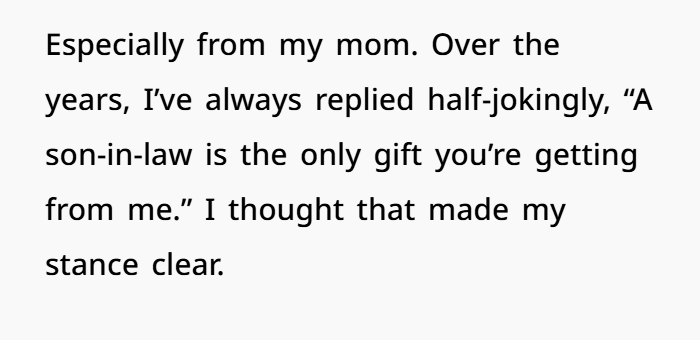
The daughter usually handled these questions with humor. She would tell her mother that a son-in-law was the only gift she would ever receive from her.
She believed the message was clear. Unfortunately, her mother seemed to think she would eventually change her mind.
Advertisement – Continue Reading Below
A Conversation About Her Career Suddenly Became About Having a Baby
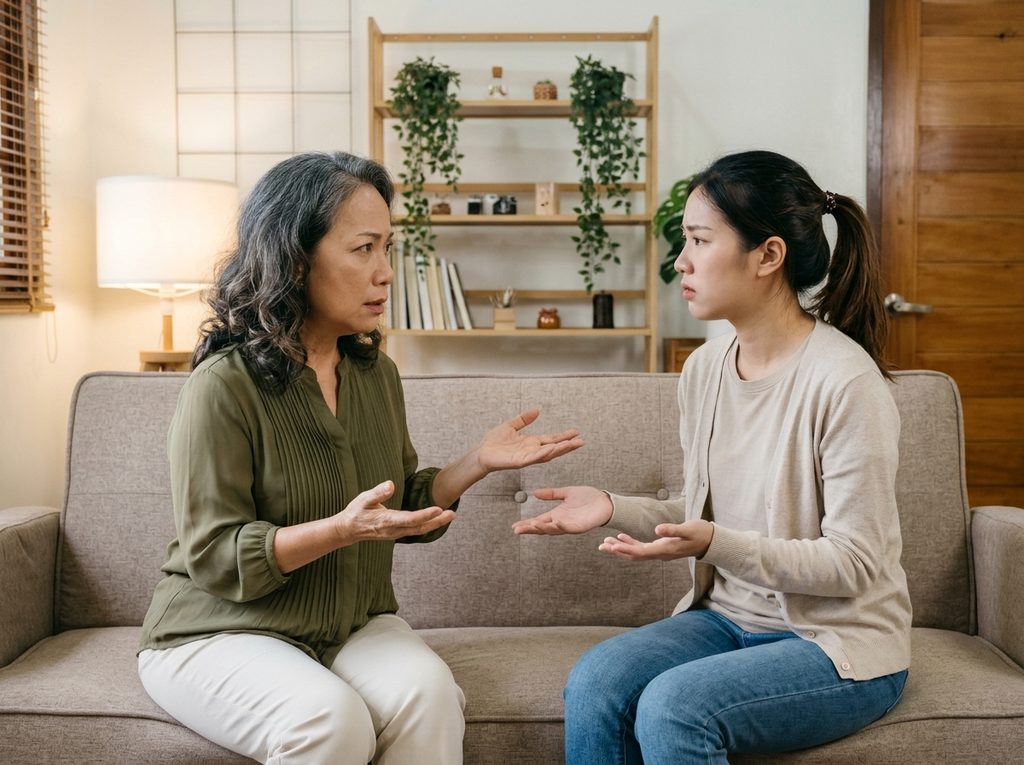
The argument happened during what was supposed to be a normal FaceTime call.
The woman was telling her mother about a possible new job. It was an exciting career opportunity, and she wanted to share something she felt proud of.
But before she could enjoy the moment, her mother interrupted.
“Enough with all these things. Now have a baby. You’ve been married 7 years. It’s too late.”
The comment changed the mood of the conversation.
Rather than avoiding the subject or making another joke, the daughter gave a short, clear answer.
“No. Never.”
Her mother was shocked and asked what she meant.
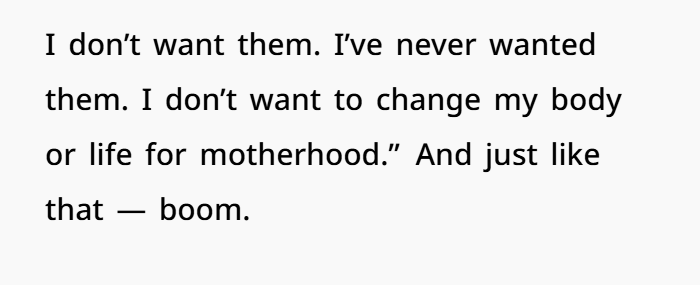
The woman explained that she had never wanted children and had no desire to become a mother. She also did not want to change her body or the life she had built for motherhood.
It was the first time she had explained her decision so directly.
And her mother did not take it well.
Her Mother Questioned the Purpose of Her Life Without Children
The conversation quickly became heated.
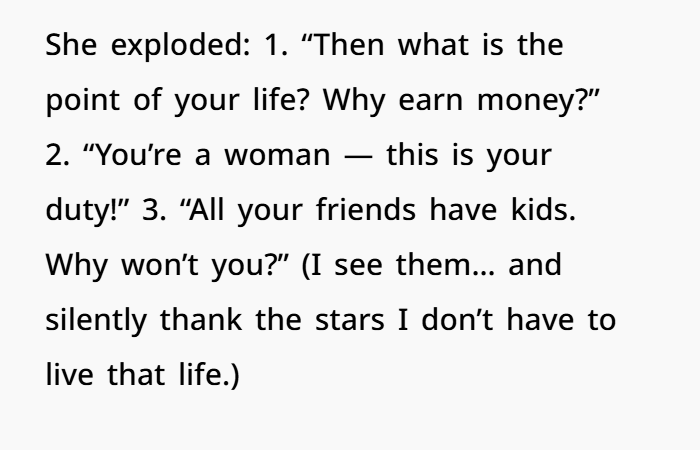
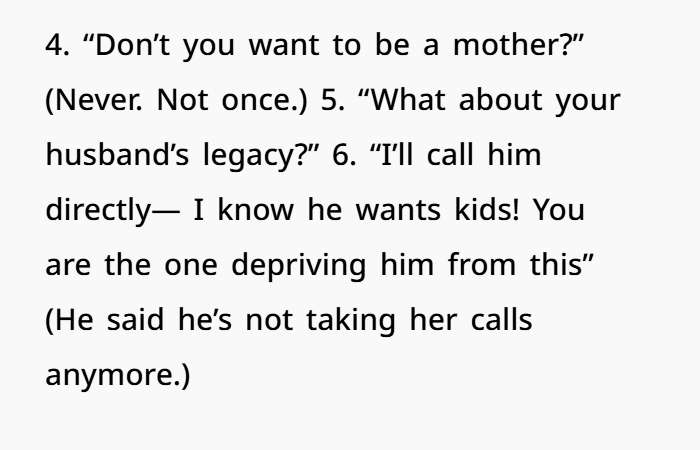
Her mother asked what the point of her life was if she did not plan to have children. She even questioned why her daughter needed to earn money.
She then told her that becoming a mother was her duty as a woman.
The comments were especially painful because the daughter had just been sharing something positive about her professional life.
Her mother also compared her with friends who already had children, asking why she refused to follow the same path.
But the woman did not see their lives as something she wanted for herself. She was happy for them while also feeling relieved that she had made a different choice.
This kind of disagreement is connected to wider conversations about reproductive autonomy and family planning. The United Nations Population Fund explains that people should have the freedom to make decisions about their bodies and reproductive lives.
For couples who choose not to have children, that freedom includes deciding what kind of family and future they want to build together.
Her Mother Even Threatened to Contact Her Husband
The disagreement became more personal when her mother brought up the woman’s husband.
She asked what would happen to his family legacy if they never had children.
Then she claimed that he must secretly want kids and that her daughter was stopping him from becoming a father.
She threatened to call him directly.
But according to the woman’s account, her husband was just as committed to their childfree marriage. After hearing what happened, he said he would no longer answer her mother’s calls.
Her mother’s next warning was even more upsetting.
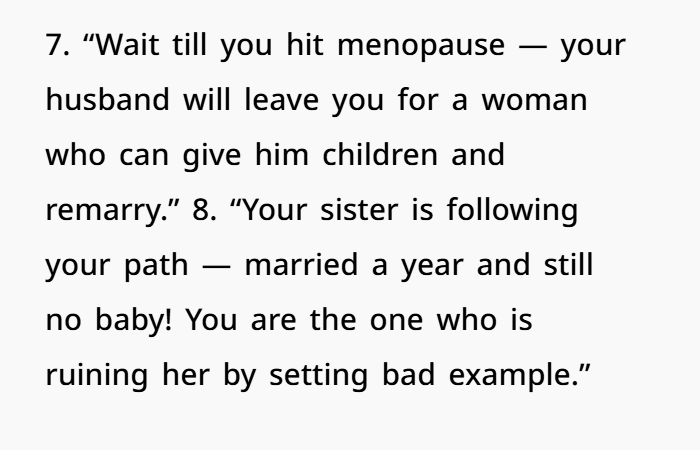
She claimed that once her daughter reached menopause, her husband would leave her and marry another woman who could have children.
There was nothing in the woman’s account suggesting that her husband wanted to leave or that the couple disagreed about parenthood.
The warning appeared to come from her mother’s own fears about marriage, aging, and having children.
Research on voluntary childlessness and relationship satisfaction has explored how couples experience marriage without children. Having children is not the only way couples can build a meaningful relationship.
Her Younger Sister Was Pulled Into the Argument
The mother also blamed the woman for setting what she believed was a bad example for her younger sister.
Her sister, who is 30, had been married for one year and had not had a baby.
Their mother believed the older daughter was influencing her sister to delay motherhood.
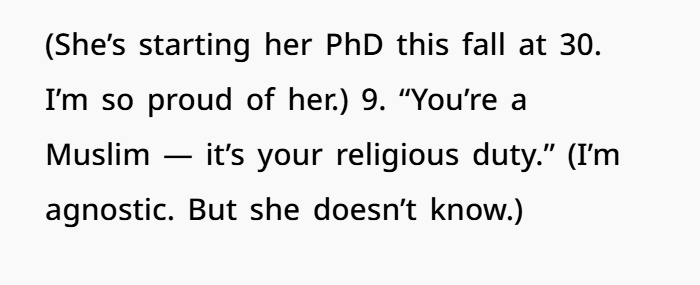
But the younger sister had something else to celebrate. She was preparing to begin her PhD that fall.
The older sister was proud of her achievement.
The argument showed how differently the two generations viewed success.
For the daughters, education, careers, and personal choices were meaningful parts of their lives. Their mother, however, appeared deeply focused on marriage leading to children.
Research from the Pew Research Center on family and marriage has examined how people’s views about marriage, parenting, and family life are changing.
Those changing expectations can create difficult conversations when parents and adult children have very different ideas about what a successful life should look like.
Religion Became Another Point of Conflict
The mother also brought religion into the argument.
She reminded her daughter that she was Muslim and claimed that having children was her religious duty.
What her mother did not know was that the woman privately identified as agnostic.
She had not shared that part of her beliefs with her family.
This made the situation more complicated. The disagreement was no longer only about pregnancy or becoming a mother. It also touched on religion, family traditions, and expectations about how a daughter should live.
The woman’s account did not attempt to settle any religious questions. It simply showed how her mother’s beliefs had become another source of pressure.
She Tried to Stay Calm, but the Argument Became Too Much
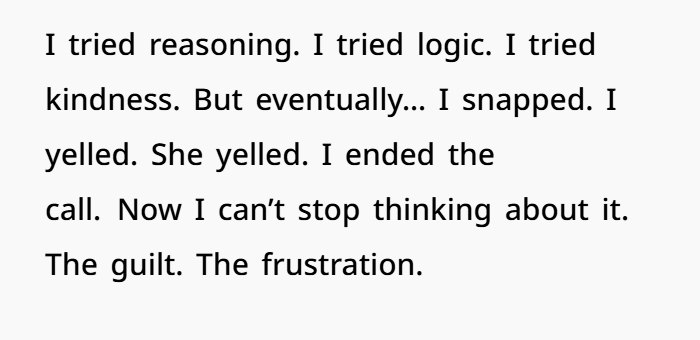
Throughout the conversation, the woman tried to explain her decision.
She used logic, tried to be kind, and hoped her mother would understand that her choice was not meant to hurt anyone.
But the questions and accusations kept coming.
Eventually, she lost her patience and began yelling. Her mother yelled back, and the woman ended the call.
What started as a happy conversation about a possible new job had turned into a painful argument about her marriage, her future, and her worth as a woman.
And even after the call ended, the emotional weight stayed with her.
Why Family Pressure to Have Children Can Be So Difficult
The woman’s experience points to a wider issue faced by some married couples: family pressure to have children.
For many people, getting married brings a new set of expectations. Relatives may begin asking about pregnancy, grandchildren, and family planning, sometimes without considering what the couple actually wants.
A 2024 Pew Research Center study found that 57% of U.S. adults under 50 who said they were unlikely to have children gave one simple reason: they did not want to.
Another 44% said focusing on their careers or other interests was a major reason. Financial concerns also played a part, with 36% saying they could not afford to raise a child.
These findings come from the United States, so they cannot tell us exactly how South Asian families feel about remaining childfree.
Still, they show that choosing not to become a parent is a real and meaningful decision for many adults.
For the woman in this story, money was not the main issue. She simply did not want motherhood, and her husband felt the same way.
Choosing a Childfree Marriage Does Not Automatically Mean Living With Regret
One of the biggest fears surrounding a childfree lifestyle is the idea that people will regret not having children when they get older.
The woman’s mother seemed especially worried about this. Her warning about menopause and her husband’s future suggested that she believed her daughter would eventually face serious consequences.
But research offers a more balanced picture.
A 2023 Michigan State University study found that about one in five adults surveyed in Michigan did not want children.
Researchers also found no evidence that older childfree adults experienced more life regret than older parents.
That does not mean every person who chooses not to have children will feel the same way. People have different experiences, and their feelings can change.
But it does challenge the idea that regret is unavoidable.
The same goes for finding happiness outside parenthood.
Another Pew Research Center report found that 71% of surveyed adults under 50 who were unlikely to have children believed having a fulfilling life had little to do with being a parent.
For this couple, their marriage, careers, and shared plans were already meaningful parts of their future.
The Hardest Part Was Feeling That Her Life Was Not Enough
After the argument, the woman was left dealing with mixed emotions.
She knew she was living the life she wanted. She loved her husband, felt excited about her career, and had no interest in becoming a parent.
Yet her mother’s words still hurt.
She felt guilty and frustrated. More than anything, she struggled with the feeling that her mother did not see her life as enough.
That may be the most painful part of the story.
The woman was not asking her mother to make the same choice. She was not criticizing people who wanted children, either.
She simply wanted her own decision to be respected.
Instead, she found herself defending her marriage, her career, her younger sister, and even her reasons for living.
She Turned to Other Childfree Adults for Support
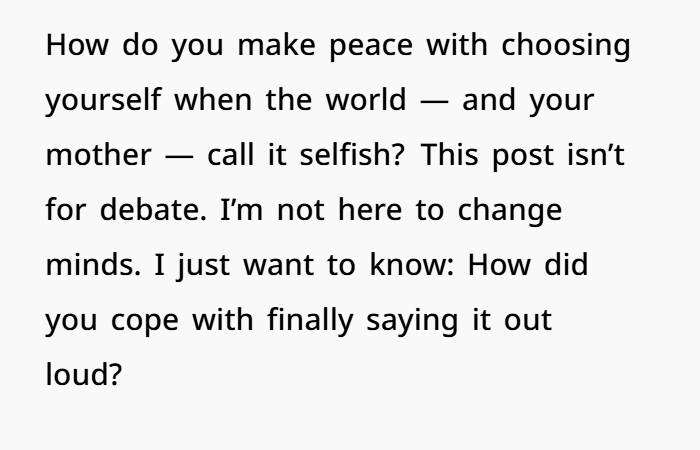
After ending the call, the woman shared her experience with the childfree community on Reddit.
She was especially interested in hearing from other South Asian adults who had faced similar pressure from their families.
Her questions were not about changing her mind or deciding whether she should have children.
That decision had already been made.
What she wanted to understand was how other people handled the guilt, anger, and sadness that can follow when family members reject such a personal choice.
She also wanted to know how people made peace with their decisions when their parents saw those choices as selfish.
There is a difference between making a decision and feeling comfortable with the way loved ones react to it.
For this woman, the first part had been settled for years. The second was proving much harder.
Her story ended without a clear resolution between mother and daughter.
But one thing was no longer uncertain.
After years of jokes and indirect answers, she had finally told her mother exactly how she felt about having children.
And despite the painful argument, her decision had not changed.
The question now was not whether she would become a mother. It was whether her family could learn to respect the life she had already chosen.
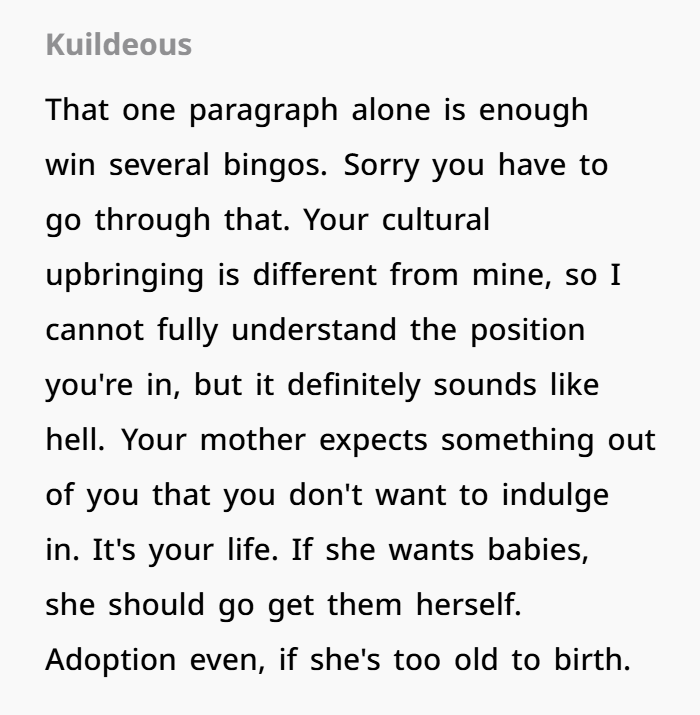
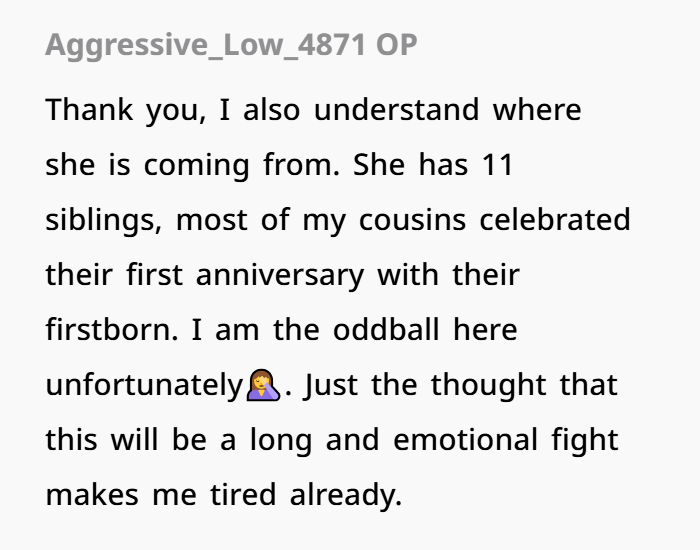
See the comments to know what people said
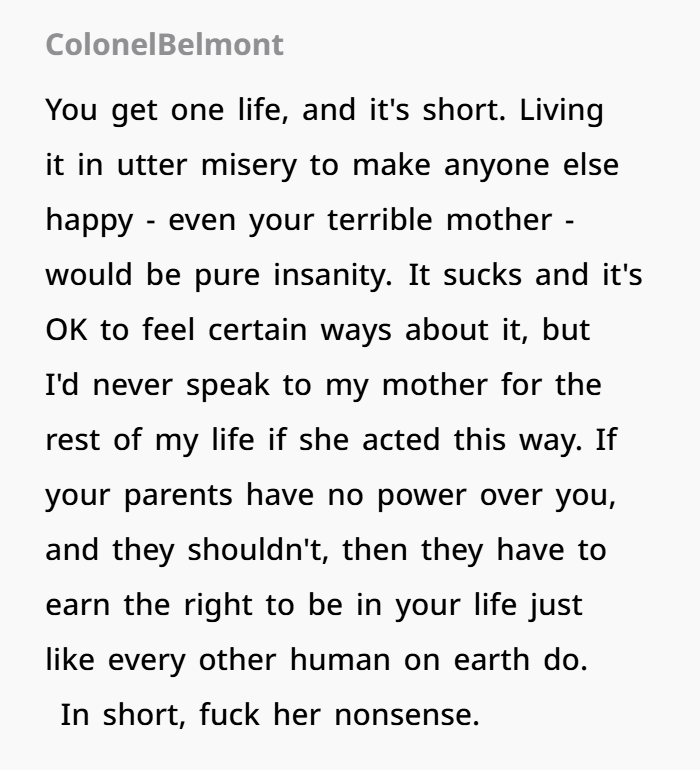
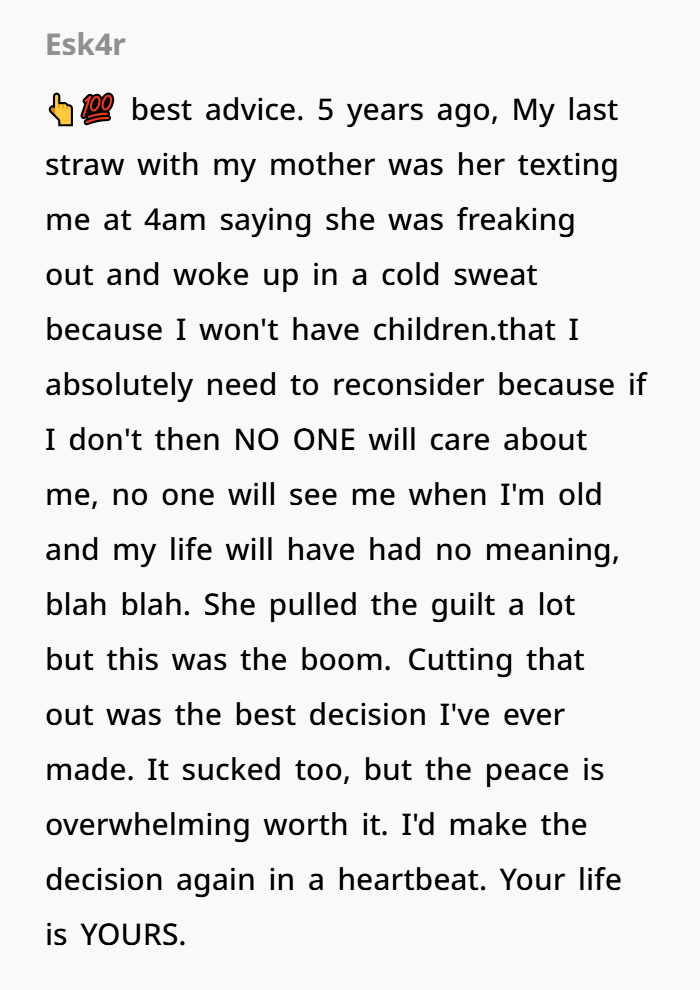

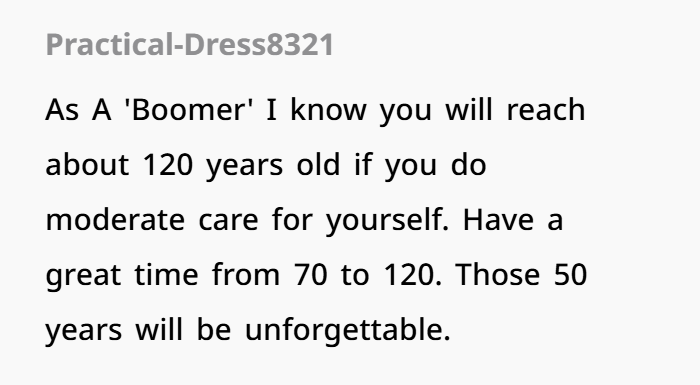
For this 33-year-old woman, the hardest part was never deciding not to have children. She and her husband had made that choice years ago and were happy with it. What hurt most was realizing that her mother still could not accept their decision.
A conversation that began with exciting career news ended in anger, guilt, and disappointment. Instead of feeling proud of her daughter’s achievements, her mother questioned her marriage, her future, and even her purpose in life.
Her story shows how painful family pressure to have children can become, especially when cultural traditions and personal choices clash. Setting boundaries with parents is not always easy, and even adults who feel confident about their decisions can struggle with guilt.
For now, the woman is left hoping to find understanding among others who have faced similar experiences. She is not asking everyone to agree with her childfree lifestyle. She simply wants her family to respect it.
After all, a happy marriage, a meaningful career, and a fulfilling life do not have to include parenthood. And choosing a different path does not make someone’s life any less valuable.