My Sister Accused Me of Male Privilege — Then She Found Out I Had Cancer
Family disagreements can build over many years before reaching a breaking point. In this story, a 46-year-old man shared how ongoing tension with his younger sister came to a head during a family gathering.
The conversation began casually but soon turned into a discussion about family roles, favoritism, and differences in how men and women are treated.
His sister shared her views on unfair treatment without knowing that her brother had been quietly dealing with a serious health condition for the past two years.
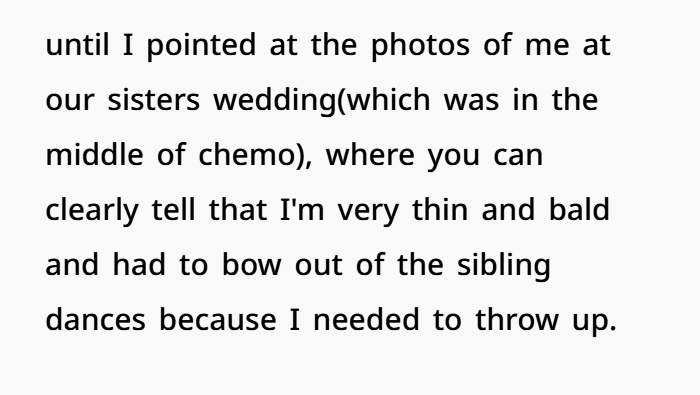
The man had been receiving cancer treatment, including chemotherapy and radiation. He chose to keep most details about his condition private. During the conversation, he revealed his diagnosis to explain changes in his appearance that his family had noticed.
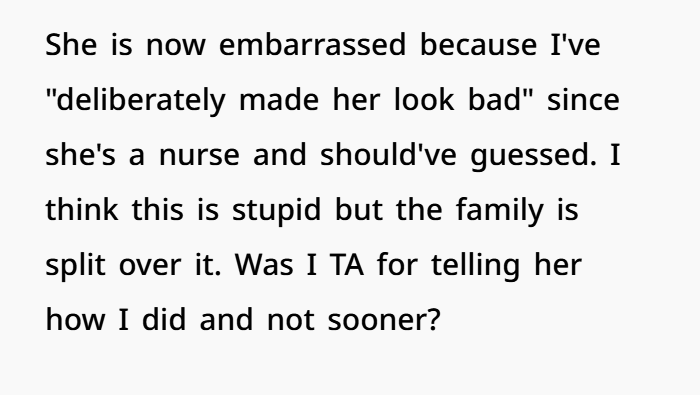
The news shocked everyone, especially his sister. She realized that some comments she had made about his appearance were connected to the effects of his treatment. She later felt hurt and believed he should have shared the information earlier.
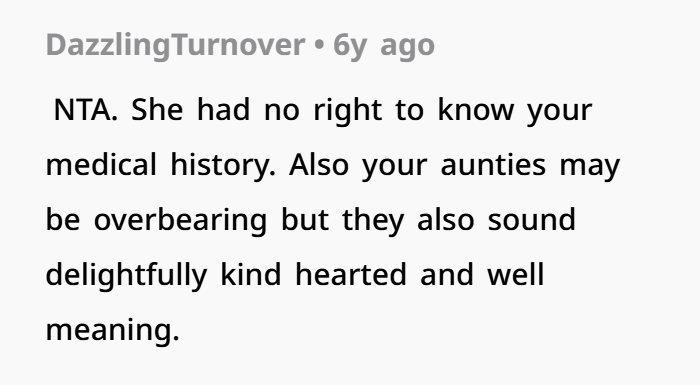
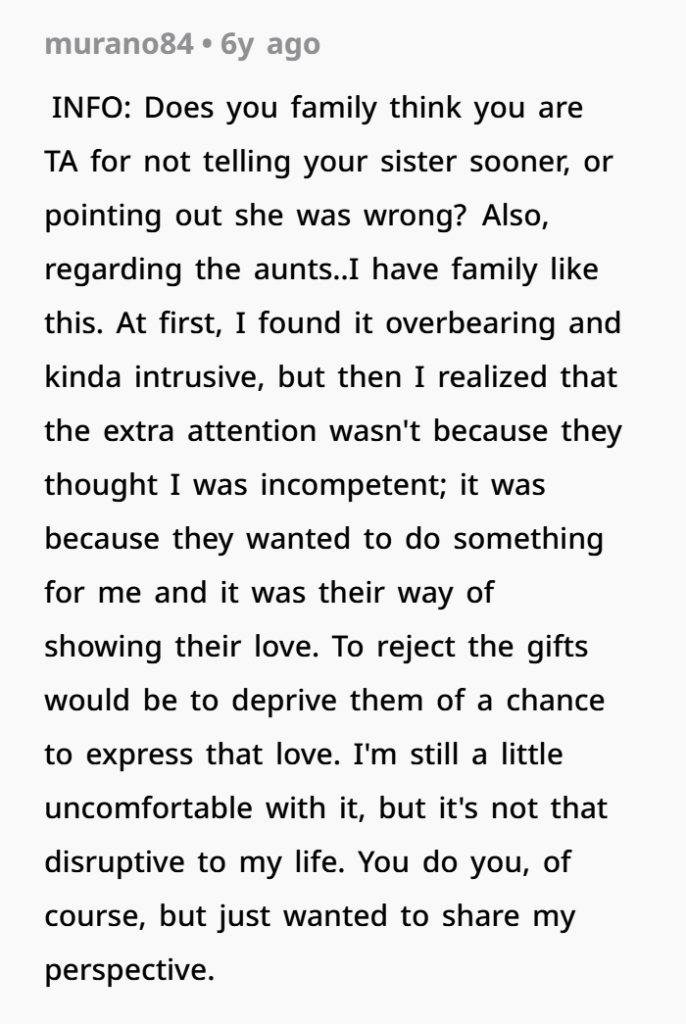
However, other family members supported his decision. They believed that personal health matters are private and that people have the right to share medical information when they feel ready.
The situation raised bigger questions about family support, personal privacy, emotional well-being, and whether loved ones should expect to know about someone’s health struggles before that person chooses to share them.
Family resentment can last for years when old feelings are never fully addressed. Some people move on from past disagreements, while others carry those frustrations into adulthood.
In this story, years of tension between siblings came to the surface during a family conversation.
The biggest turning point came when the man revealed that he had been going through cancer treatment.
According to the story, his relationship with his younger sister Sarah had always been difficult. He felt that she often turned family discussions toward herself and compared their lives. Over time, these differences created distance between them.
Many readers felt the conflict was about more than a single disagreement.
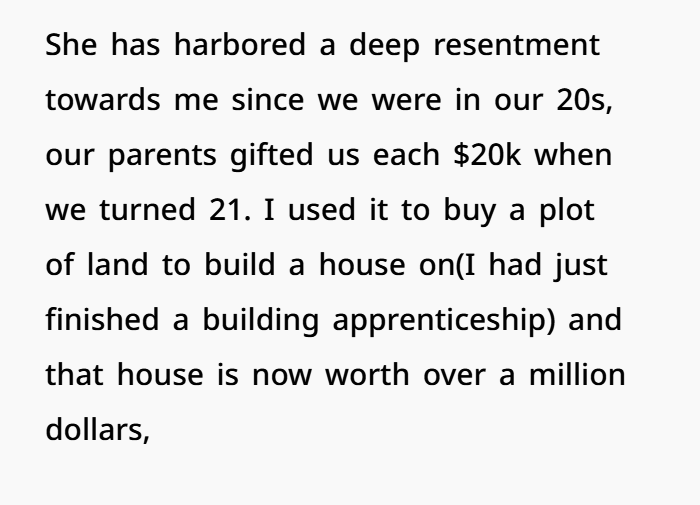
Years earlier, their parents had provided both siblings with the same financial support as they entered adulthood. Each received the same amount of money to build their future.
The brother decided to invest his share in land while training for a career in construction. Over time, those choices helped him build financial stability through real estate and careful planning.
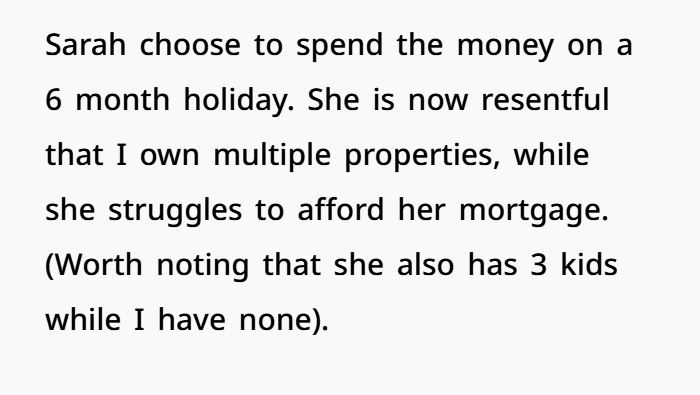
Sarah chose a different path. She spent her money on travel and experiences. That choice was not wrong, but years later, she reportedly felt frustrated when she saw her brother benefit from his investments while she faced financial struggles.
Situations like this can happen in families. Siblings may compare outcomes without fully understanding the risks, sacrifices, and decisions behind those results.
Advertisement – Continue Reading Below
However, Sarah did not know about another major part of her brother’s life.
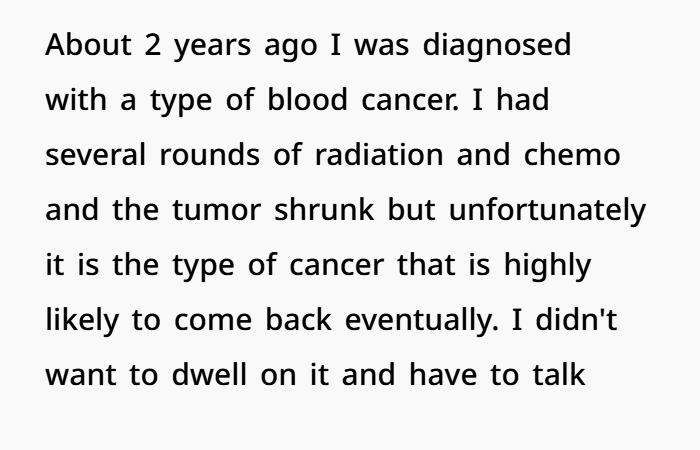
Two years before the family gathering, the man was diagnosed with blood cancer. He began treatment that included chemotherapy and radiation. While treatment helped, he still faced health concerns and uncertainty.
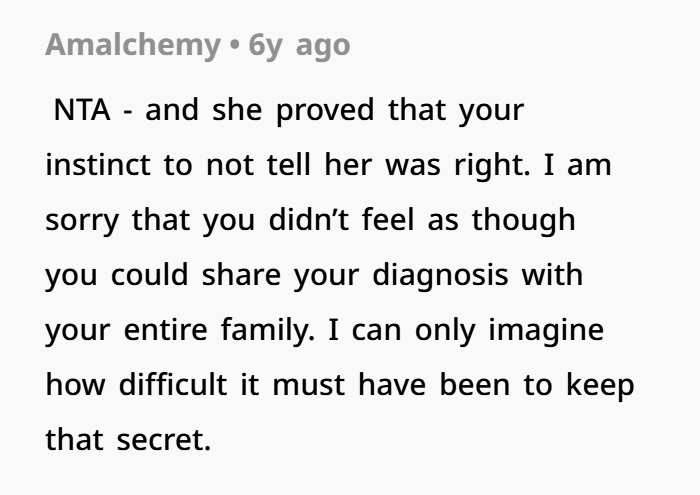
He chose to keep his diagnosis private.
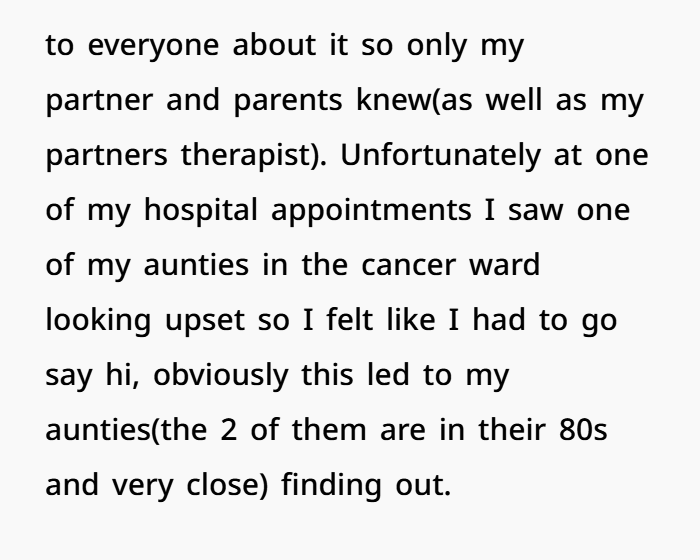
Only a few people knew about his condition, including his partner and parents. Many people dealing with serious illnesses choose privacy because they need time to process their situation and focus on their health.
That privacy changed when a family member unexpectedly saw him during a hospital visit. After that, relatives learned about his condition.
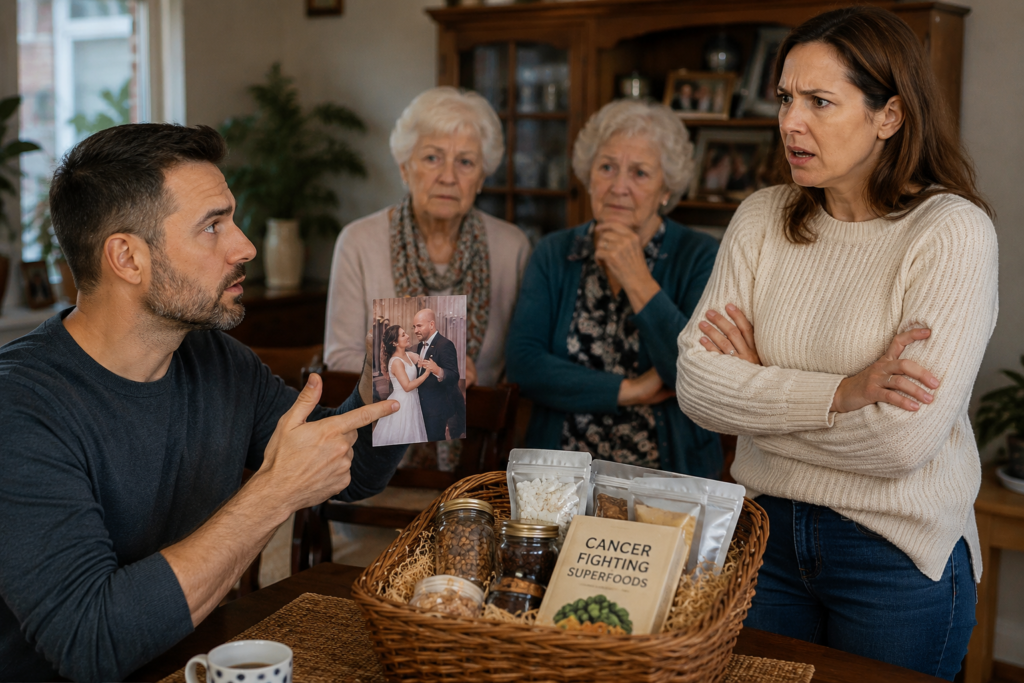
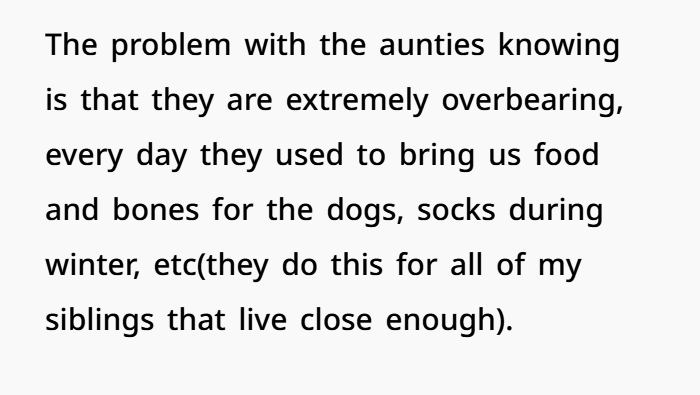
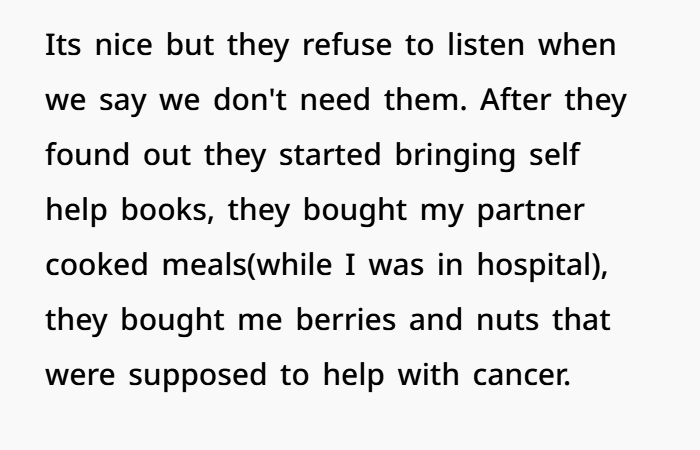
His family responded with support. They brought meals, snacks, books, and small gifts to help him through treatment. Their actions came from care and concern.
The situation changed during a later family gathering.
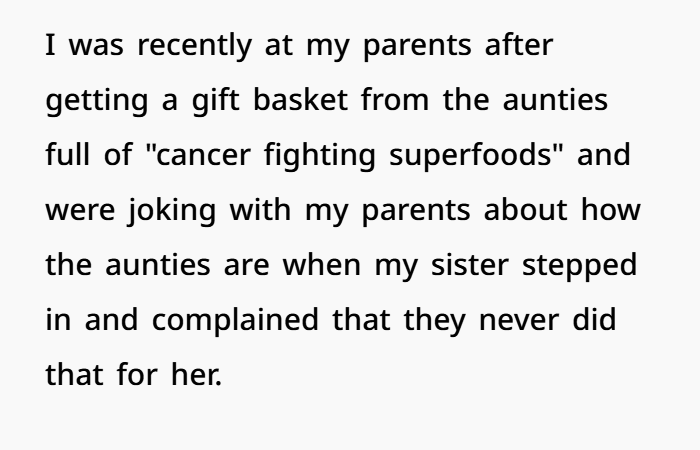
The family was discussing the support he had received when Sarah joined the conversation. According to the story, she became upset and suggested that relatives treated her brother differently because he was receiving more attention.
That was when he explained the reason.
He calmly shared that he had been fighting cancer and receiving treatment for the past two years.
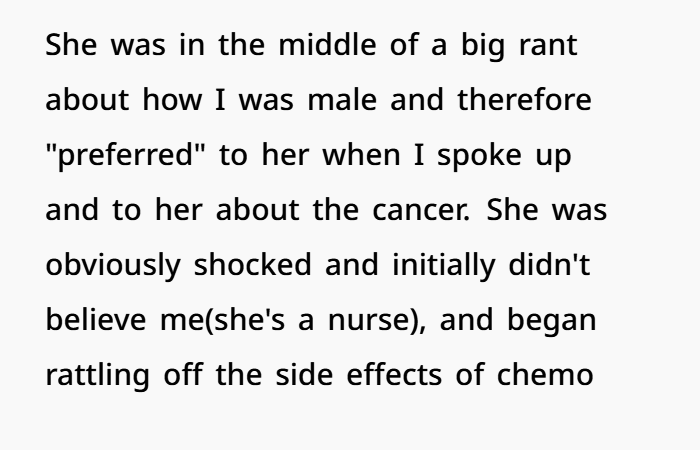
Sarah was shocked. She asked questions about his health and treatment. She also realized that the changes she had noticed before, including weight loss and changes in his appearance, were connected to his illness.
The conversation changed completely.
The issue was no longer about favoritism or sibling competition. It became a reminder that people often deal with struggles others cannot see.
Many readers also noted that even people with medical knowledge can miss signs when it involves someone close to them. Experience and training do not always remove personal blind spots.
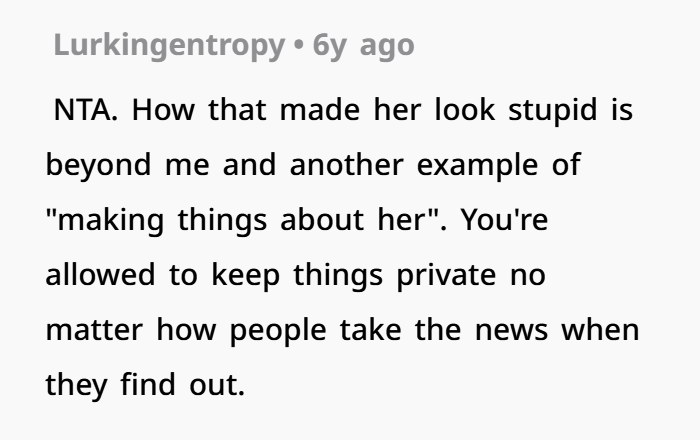
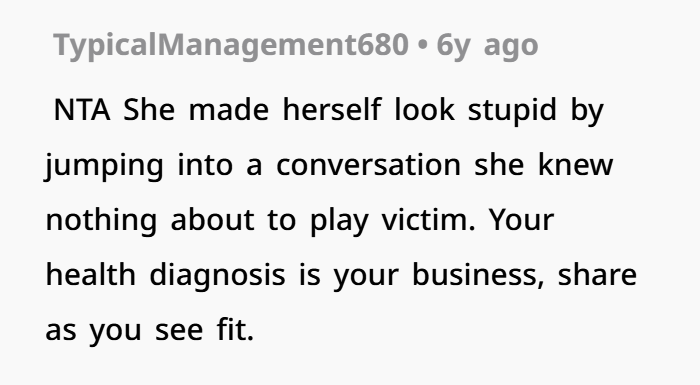
The man did not reveal his diagnosis to embarrass his sister. He shared it because she questioned why family members were supporting him.
The story was not only about cancer. It was about assumptions, family relationships, and the fact that people’s lives are often more complicated than they appear.
For years, Sarah saw her brother’s success and believed he had an easier path. She did not know that he was quietly dealing with a serious health challenge while trying to continue living his life.
The situation is a reminder that everyone carries unseen struggles. Those struggles may involve health, money, family responsibilities, or emotional stress.
We rarely know the full story behind someone’s life. A little more understanding and compassion can help us see the bigger picture.
Readers’ Comments Speak Out