My Wife Cheated After 20 Years of Marriage — So I Left and Started Over With Nothing
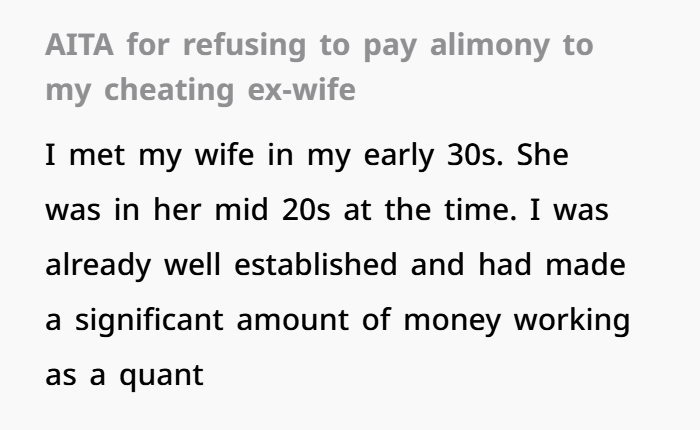
This story follows a marriage that lasted more than 20 years before ending in a painful way. The husband met his wife after building a successful career and becoming financially stable. Together, they raised three children and created a life around a traditional family structure.
During the marriage, he focused on earning income, managing investments, and planning for their future. His wife stayed home and managed the household and childcare. For more than two decades, they worked together to support their family and maintain their lifestyle.
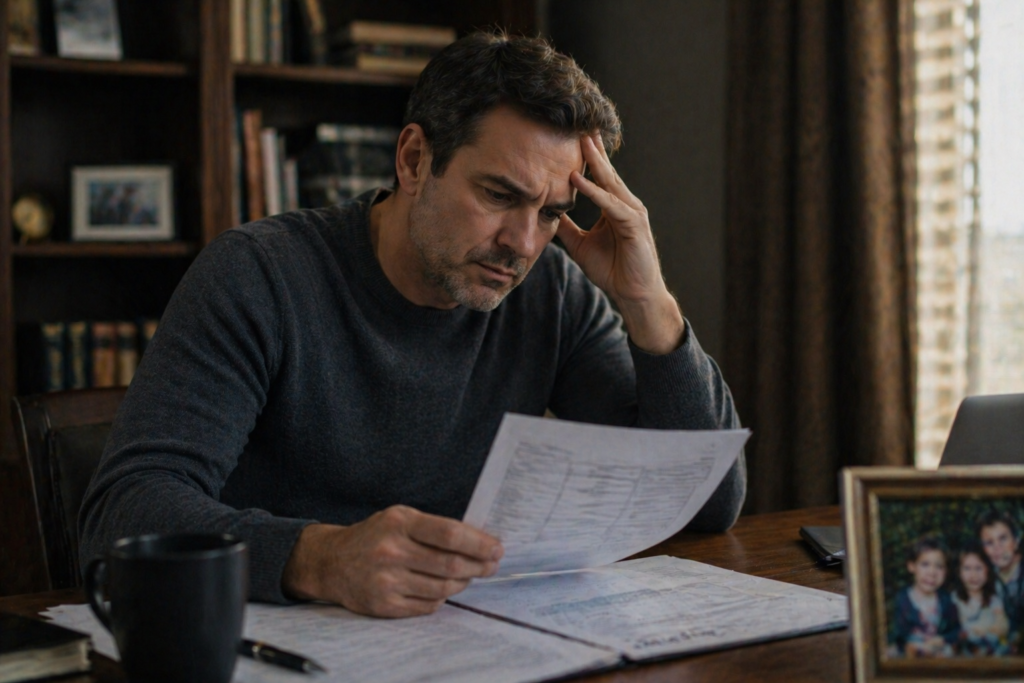
Everything changed when the husband discovered that his wife had been unfaithful. The couple later divorced, but disagreements continued during the settlement process.
The court awarded his wife a significant share of their shared assets along with ongoing alimony payments. The husband felt hurt and frustrated, believing her actions played a role in the end of their marriage. He struggled with the idea of continuing financial support after the betrayal.
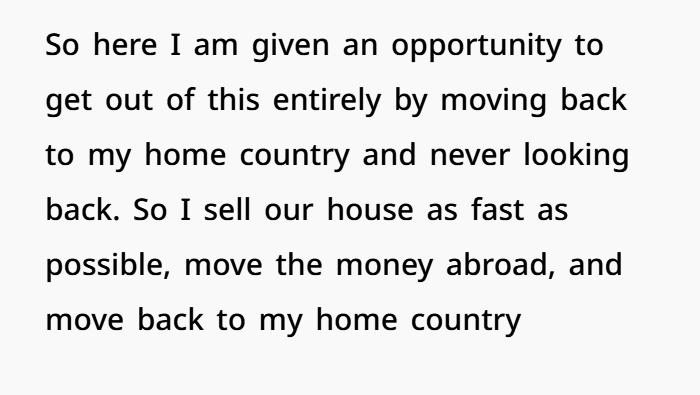
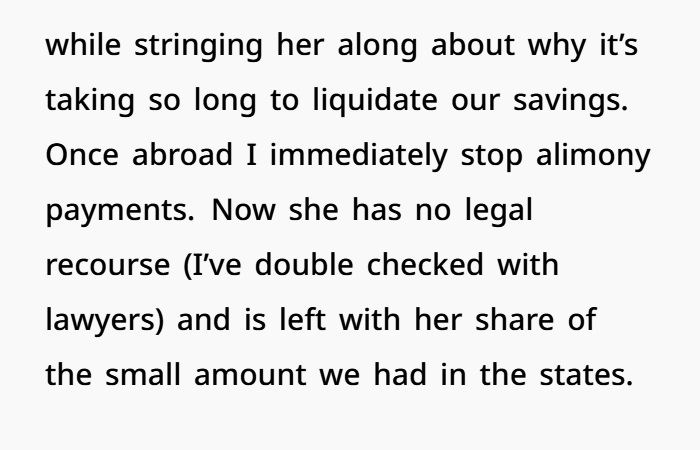
After the divorce, he made major financial decisions, including selling assets, moving money, and returning to his home country. These choices made collecting the alimony payments more difficult.
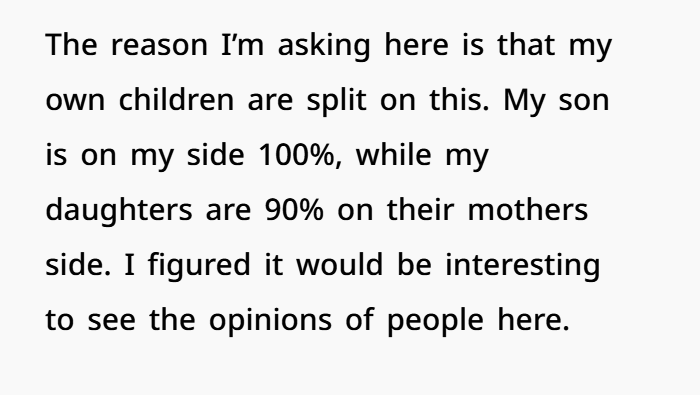
The situation later caused tension among their adult children. Some believed their father was protecting his savings and future. Others felt he still had a responsibility to follow the financial agreement.
The story raises larger questions about divorce, family law, financial choices, and the emotional challenges people face after the end of a long-term relationship.

This situation involves more than a divorce. It includes family law, financial decisions, emotional pain, and personal responsibility.
When a marriage ends because of betrayal, strong emotions can affect how people view money, fairness, and legal decisions.
The end of a long relationship often creates difficult questions about what each person owes the other. Shared assets, financial agreements, and personal feelings can become closely connected during the divorce process.
How Divorce Courts Often View Marriage
Many people believe that a spouse who cheats should lose financial support after a divorce. However, divorce laws often do not work that way.
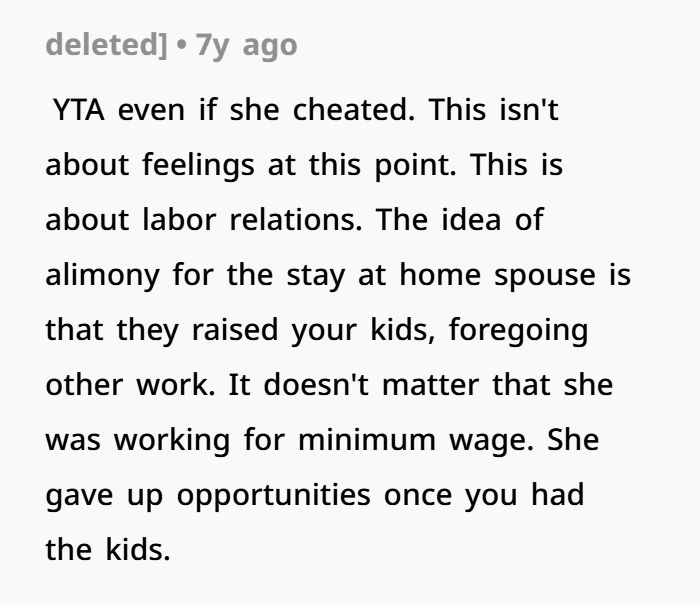
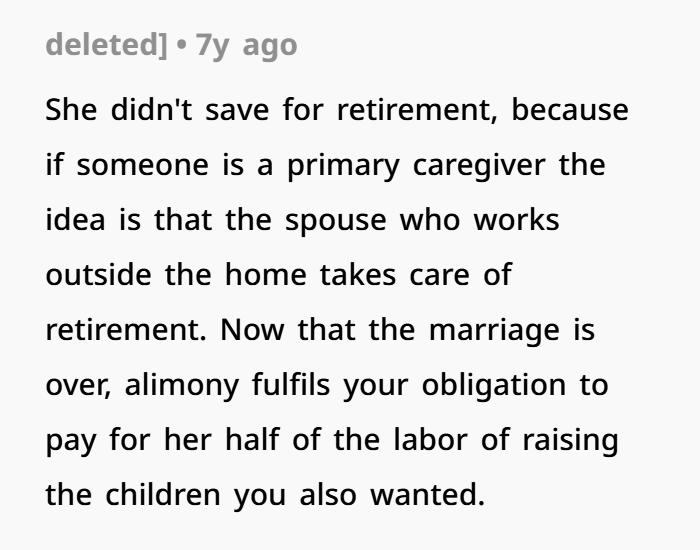
Courts usually view marriage as a partnership where both people contribute in different ways. One person may earn money, manage investments, and handle finances. The other may care for children, manage the home, and support the family in other ways.
In this situation, both roles were considered important. Because of this, divorce settlements may include dividing shared assets and providing financial support, even when the marriage ends because of conflict or betrayal.
The Role of a Stay-at-Home Parent
One reason courts may provide support after a long marriage is financial dependence. Someone who spends many years caring for children and managing a household may face challenges when returning to work.
This does not excuse harmful actions within a marriage. However, it helps explain why divorce laws may include financial support. The goal is often to help both people adjust after a long-term partnership ends.
Financial Choices After Divorce
After the divorce, the husband made several major financial changes. He sold assets, moved money, relocated, and stopped making support payments.
Advertisement – Continue Reading Below
From his perspective, these choices may have felt like a way to protect his future. However, financial decisions connected to court orders can raise questions about legal duties, fairness, and possible consequences.
Laws vary by location, and divorce-related financial matters can become complicated. Disputes over assets and support can continue long after a marriage ends.
Separating Emotion From Financial Decisions
One of the hardest parts of situations like this is separating emotional pain from financial choices.
The husband was hurt by the end of the marriage and felt the divorce outcome was unfair. Because of those feelings, he believed continuing financial support was difficult to accept.
Others may see it differently. Some may believe that legal agreements should be respected regardless of how the marriage ended.
This difference in views is why divorce-related financial issues often create strong reactions.
How Divorce Can Affect Adult Children
The children’s reactions are another important part of the story.
Divorce can make family relationships more complicated, especially when disagreements about money continue after the marriage ends.
Adult children may view the situation differently based on their own experiences with each parent. Some may focus on the events that caused the divorce, while others may focus on the choices made afterward.
When family members disagree about what is fair, those conflicts can create lasting tension.
The Long-Term Effects
Financial success does not always solve emotional problems. Protecting savings or making financial changes may help someone feel secure, but family conflicts can still remain.
Legal disputes, strong emotions, and disagreements about fairness can affect relationships for years. In some cases, rebuilding trust with family members can be harder than resolving financial issues.
The Bigger Picture
At its core, this story is about the connection between divorce, money, responsibility, and personal beliefs.
A legal decision and an emotional response do not always match. People may have different views about the choices made by each person involved.
However, long marriages often involve contributions from both partners, whether financial or personal.
The situation shows how difficult it can be to balance feelings of betrayal with legal responsibilities, family relationships, and future plans.
In the end, the story is not only about money. It is also about fairness, trust, responsibility, and how people rebuild their lives after a painful change.
See The Comments Below





This situation is about more than alimony.
It is about how someone chooses to close a chapter that lasted more than 20 years. Walking away may have felt unfair, but there was still an opportunity to move forward with peace and dignity.
Instead, he chose to protect what he believed was his and fight for his position.
However, some choices come with costs that money cannot measure. The effects on family relationships, trust, and personal peace can continue long after financial decisions are made.