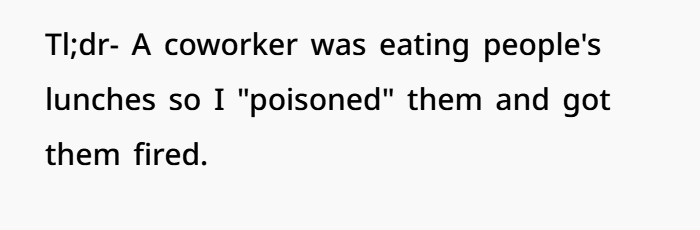
Coworker Keeps Stealing Office Lunches, So Employee Sets a Trap to Catch Them
Lunch theft may seem like a small workplace problem, but repeated incidents can create frustration and damage trust between coworkers.
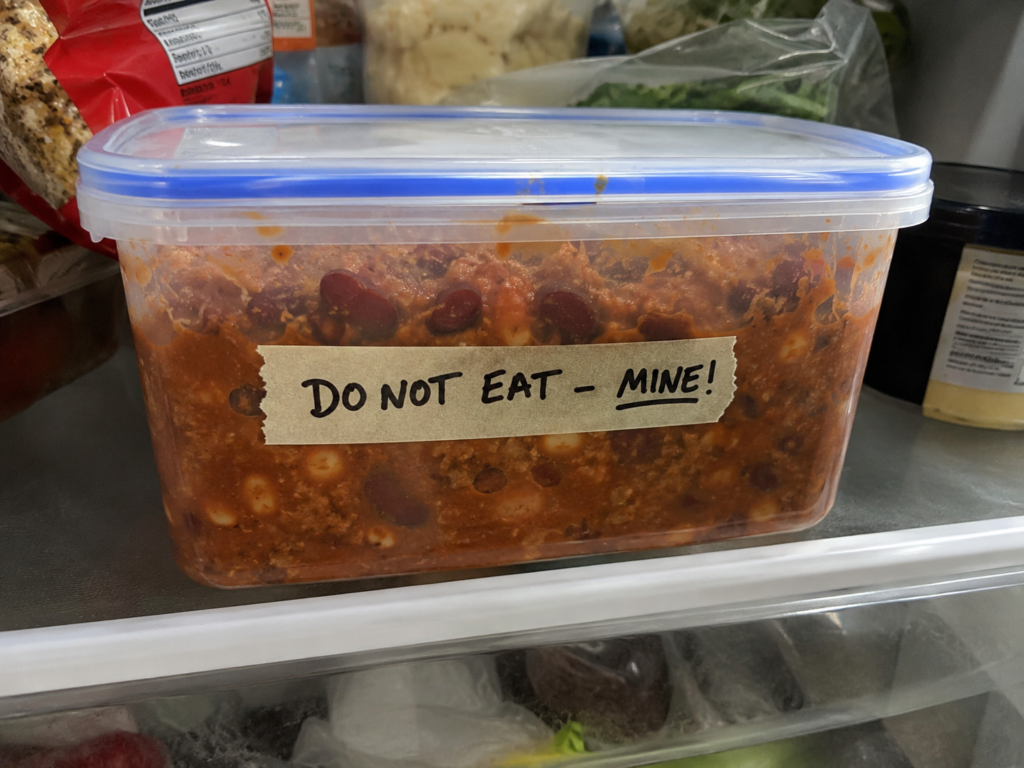
One employee dealt with this issue for months after a coworker repeatedly took meals from the shared office refrigerator. The lunches were clearly labeled, but the coworker claimed it was a mistake and said they did not notice the names on the containers.
Because the missing lunches happened only from time to time, management and human resources did not take major action at first. After losing several homemade meals, the employee became frustrated and decided to handle the situation differently.
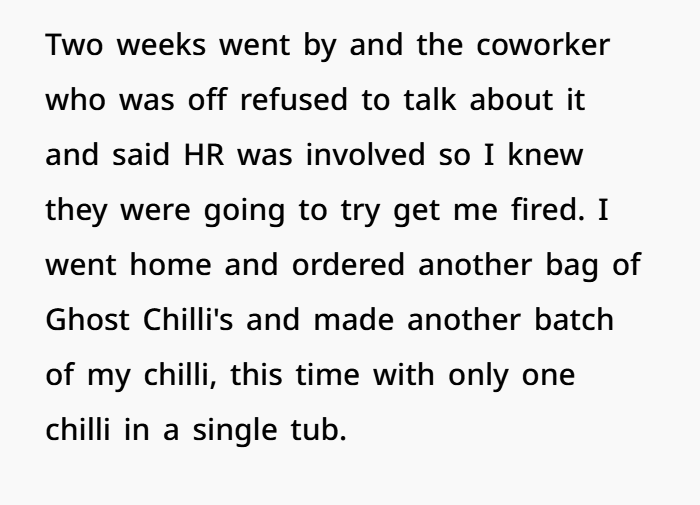
The employee enjoyed spicy food and prepared homemade chili using ghost peppers, which are known for their intense heat. The meal was packed like any other lunch and brought to work over several days.
Eventually, the chili disappeared just like the other meals. The coworker who took the food became sick after eating it and later reported the incident, which led to a meeting with human resources.
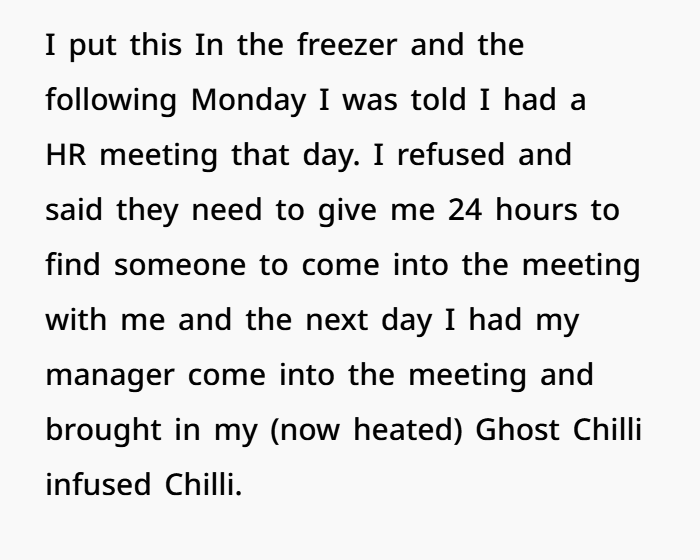
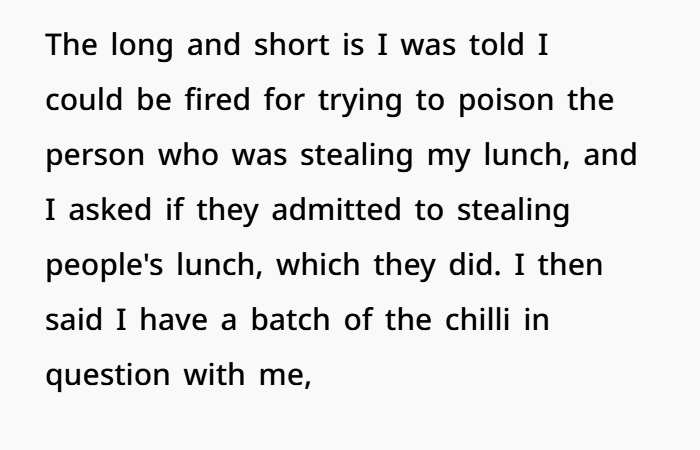
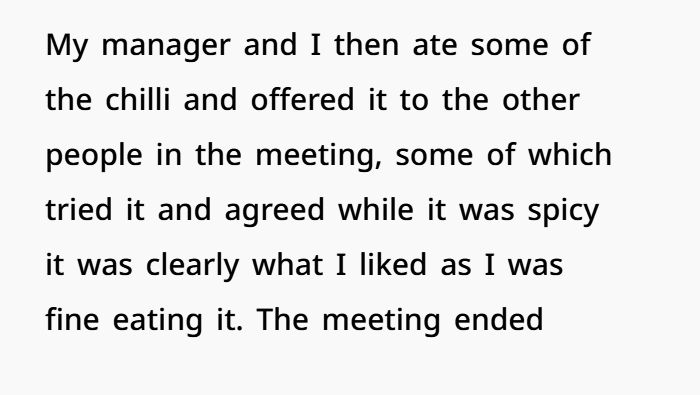
During the meeting, the employee calmly ate the same chili to show that it was a normal meal they personally enjoyed. As the discussion continued, attention returned to the repeated reports of stolen lunches.
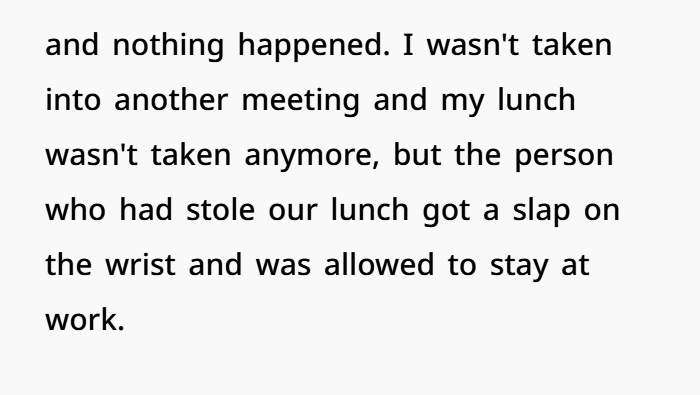
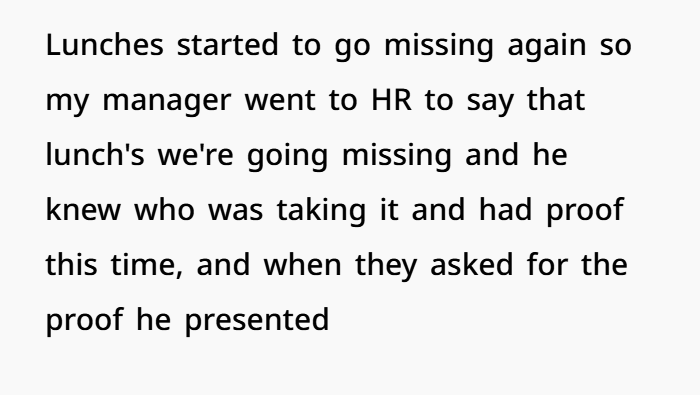
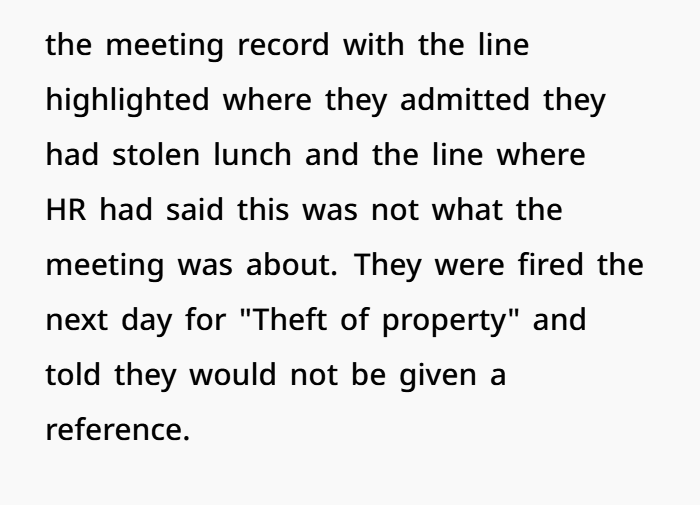
Management later discovered evidence that the coworker had taken food from multiple employees. The employee was not found responsible for wrongdoing, while the coworker faced consequences for taking items that did not belong to them.
This situation highlights the importance of respecting personal property, maintaining workplace trust, and addressing repeated boundary violations in a professional setting.
At first glance, this story may seem like a funny office incident involving a stolen lunch and extremely spicy food. However, it also raises important questions about workplace rules, employee behavior, HR processes, and personal responsibility.
One detail changed how many people viewed the situation: the employee who brought the ghost pepper chili also ate the same meal themselves.
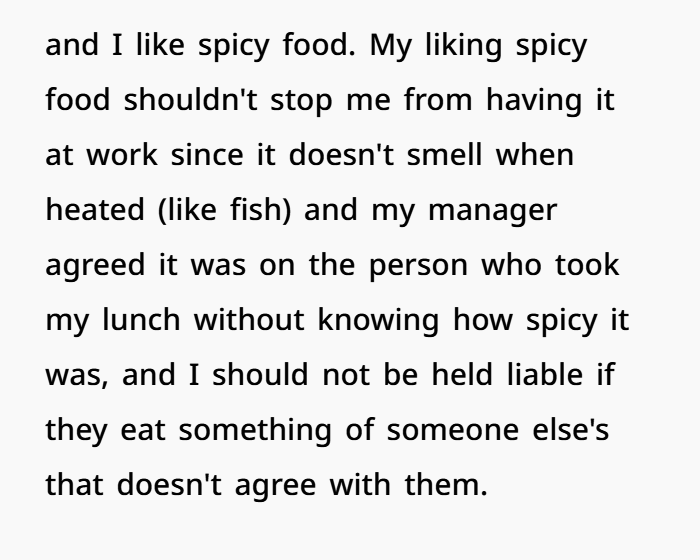
Ghost peppers are extremely spicy, but they are still a normal food ingredient. Since the employee regularly enjoyed spicy meals and could show that the chili was their own lunch, it became difficult to claim that it was created with harmful intent.
During the HR meeting, the employee showed this by eating the same chili in front of management. This helped demonstrate that the meal matched their personal preference and was not designed to target someone.
In workplace investigations, intent and evidence matter. The main concern eventually shifted away from the spicy food and toward the repeated problem of missing lunches.
Taking someone’s lunch once may be a mistake. However, repeatedly taking clearly labeled meals over months becomes a serious workplace issue.
For many employees, a homemade lunch represents more than food. It includes time, money, effort, and planning. Repeatedly taking someone else’s meal can damage trust and create frustration among coworkers.
The spicy chili also raised questions about responsibility. Since spicy ingredients are commonly used in cooking, many people felt the bigger issue was taking food that did not belong to someone else.
Advertisement – Continue Reading Below
Some people also questioned whether setting up a situation like this was the best way to handle the problem. Many workplace experts recommend reporting repeated issues and allowing managers or HR to investigate.
In this case, the investigation focused on the coworker’s pattern of behavior. The consequences were related to repeated workplace misconduct, not the spicy ingredients in the meal.
This difference matters. The issue was not the food itself but the repeated choice to take other employees’ property.
The situation also shows why managers need to take workplace concerns seriously. Small problems can become bigger issues when they are ignored for too long.
Repeated behavior can affect trust, employee morale, and the overall office environment.
The main lesson is not about spicy food. It is about respect, accountability, and workplace boundaries.
Employees should respect each other’s belongings, and companies should address problems before they grow into larger conflicts.
Many people criticized the slow response from workplace systems and argued that companies should have clearer rules and stronger action when employee belongings are repeatedly taken.