Wife Upset After Husband Continues Paying Child Support Despite His Kids Living With Him Most of the Time
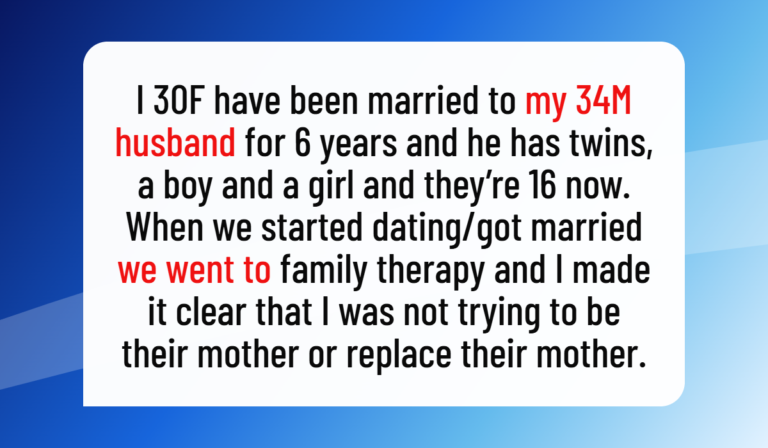
A 28-year-old woman grew tired of her husband’s habit of putting off a serious money issue. He continued sending child support payments to his ex every month, and she felt their household was carrying costs that needed a closer look.
The situation was not simple. Her husband had his children more than half the time but still paid child support. Now pregnant, his wife wanted him to speak with a lawyer and review the arrangement. He disagreed, saying the extra money helped him stay involved in his children’s lives, including paying for trips and spending time with his oldest child.
The disagreement grew when his wife began questioning how much time the children actually spent at their home. What began as a money dispute soon became a bigger argument about family duties, trust, and financial priorities.
Father Has His Kids Most of the Time but Still Pays Child Support; Pregnant Wife Wants Him to Review the Payments With a Lawyer
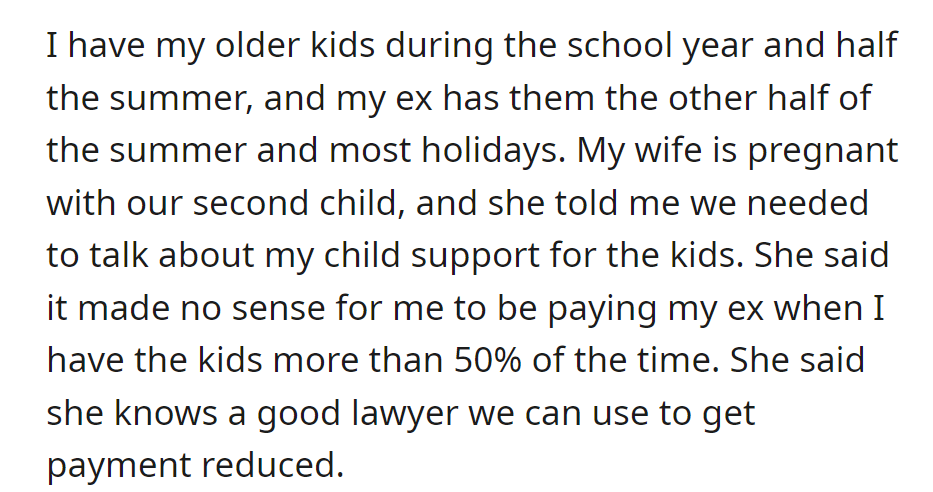
Father Continues Extra Support to Help His Ex While Covering His Kids’ Vacations and Maintaining a Close Bond With His Oldest Child
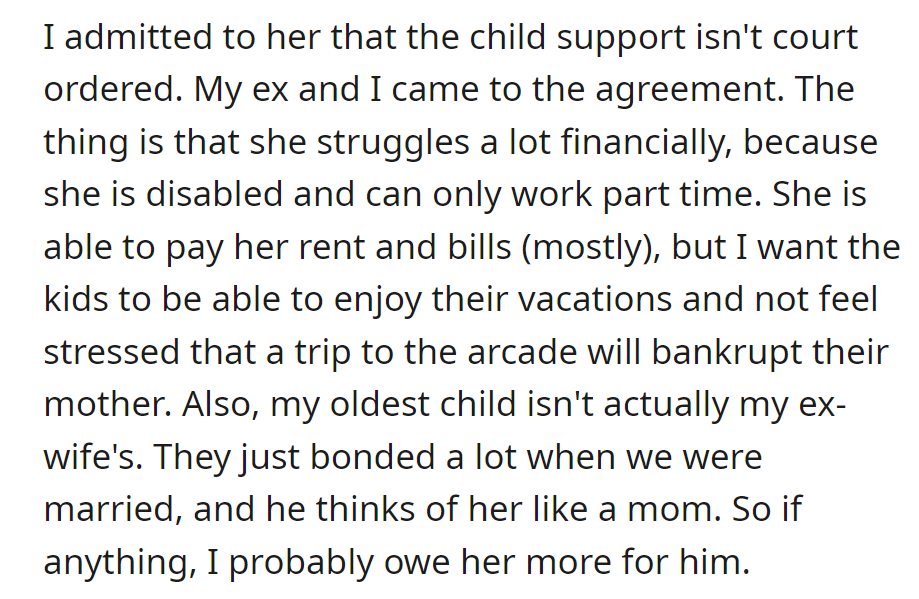
Wife Questions How Often His Kids Stay With Him, but He Says His Child Support Payments Are Not Her Decision.
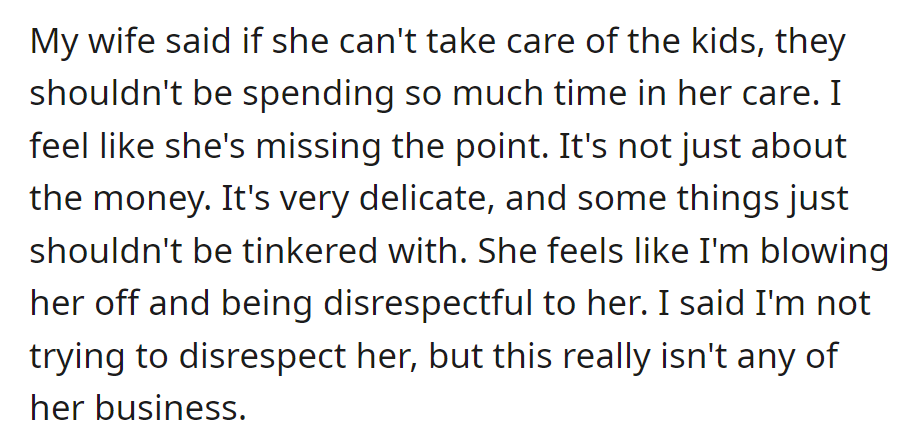
Child support can become a source of tension when family roles and financial needs change. In this case, the wife believes her husband should review his payments because he spends more than half his time caring for the children. She feels the current arrangement does not reflect how much parenting he already does.
Talking openly about money, time, and family duties can help prevent these conflicts. Both parents need to focus on giving their children a stable and healthy home.
The argument grew more heated when the wife accused him of using money needed for their own household. He dismissed her concerns, making the situation even more tense. It is unclear whether their disagreement came from deeper money concerns or the stress of their changing family needs.
Scroll down to see what people had to say…

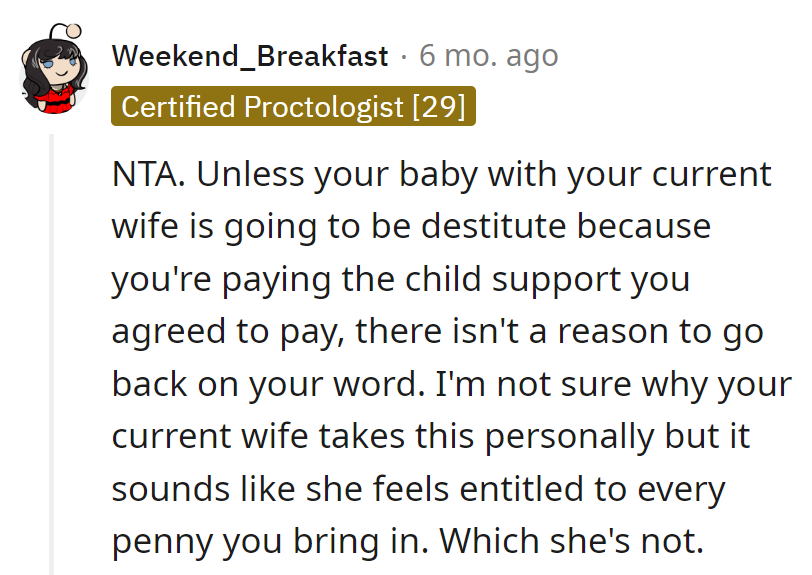
Keeping promises is important. The husband sees his child support payments as part of his duty to his children, not as an extra expense others should control. His wife may need a better understanding of his commitments instead of expecting him to stop or change them quickly.
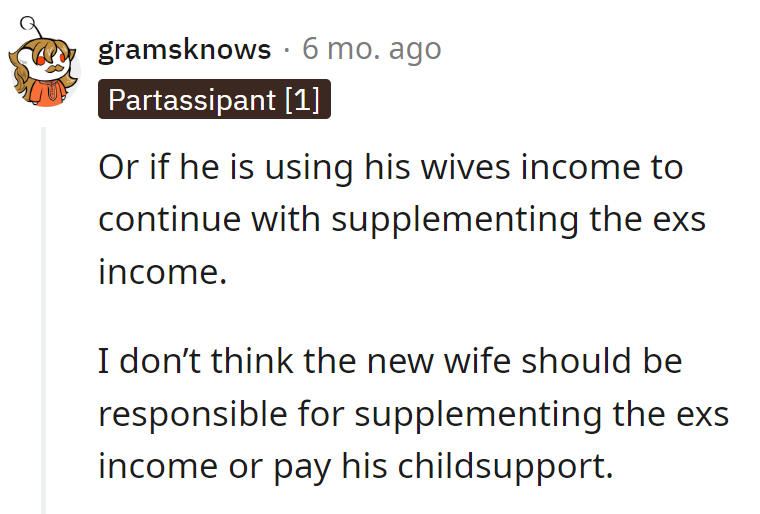
Marriage is about building a future together, not feeling responsible for a partner’s past relationship. The wife believes she signed up for a shared life, not ongoing financial pressure linked to her husband’s previous marriage.
Before reviewing the child support payments, the wife was already questioning how the children divided their time between homes. She seemed unhappy with an arrangement that was already in place.
Money matters in co-parenting can bring up strong emotions. Child support is not just about payments. It can also reflect a parent’s sense of duty, care, and commitment. Tension can grow when one person feels their efforts are overlooked or misunderstood.
The husband believes he should be able to make decisions about his parenting duties without seeking his wife’s approval. He sees these choices as his responsibility, not something she should control.

The wife’s remarks have made some people question her attitude. The bigger question is whether this reflects a change in how she sees her husband’s children or simply her frustration with the family’s current situation.

The Wife’s Relationship With Her Stepchildren Comes Into Question After She Criticizes Financial Support for Her Husband’s Disabled Ex, Despite Knowing Her Circumstances.

He explained that continuing the payments was part of his responsibility as a father. However, his pregnant wife still wanted him to seek legal advice and review the arrangement. Open communication could help them address their concerns and keep the children’s needs at the center.
The big question remains: Are the child support payments putting the new baby’s needs at risk, or is this conflict really about money, trust, and family priorities?
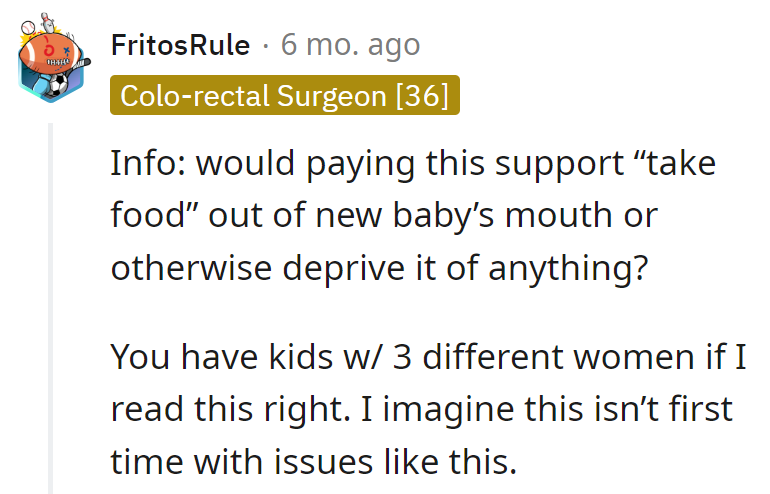
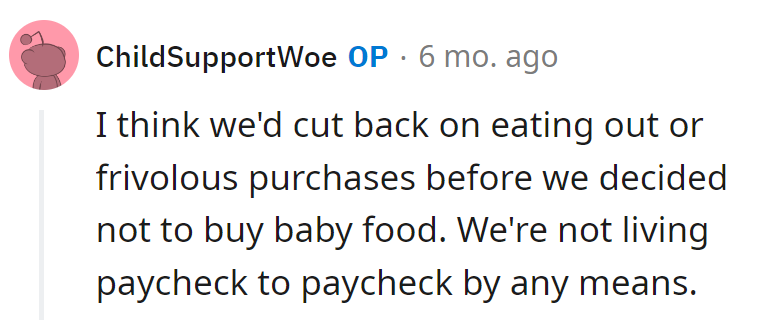
The couple may need to review their household budget before blaming child support payments. Reducing extra spending could be a better first step if their basic needs are still being met.
He needs to consider everyone’s needs and treat his wife’s concerns with respect. Calling her “hormonal” only dismisses her feelings and could create more tension in their marriage.

Research suggests that clear financial agreements can reduce conflict and improve co-parenting. Taking time to discuss responsibilities and put agreements in writing can help prevent future disagreements.
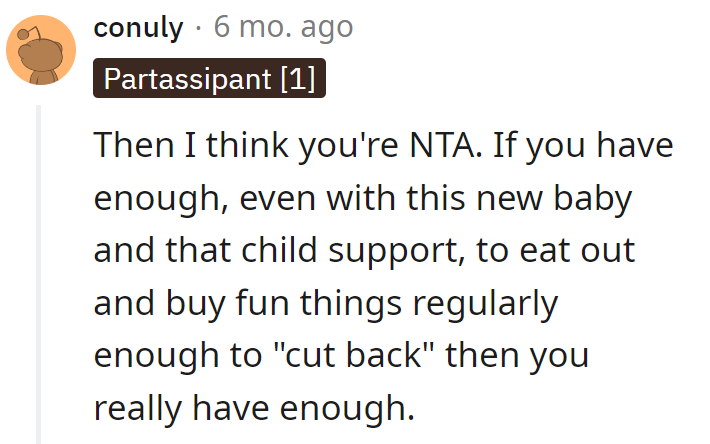
If cutting back means fewer restaurant meals and fewer extra purchases, the family may not be facing a serious financial problem after all.
The next issue is how often the children stay with their father and the growing tension over food costs and household expenses.
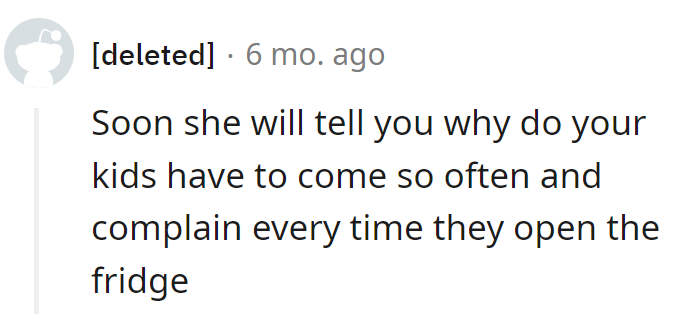
If she knew about the child support payments before they married, changing expectations now may not be easy. Much depends on what they discussed and agreed on before the wedding.
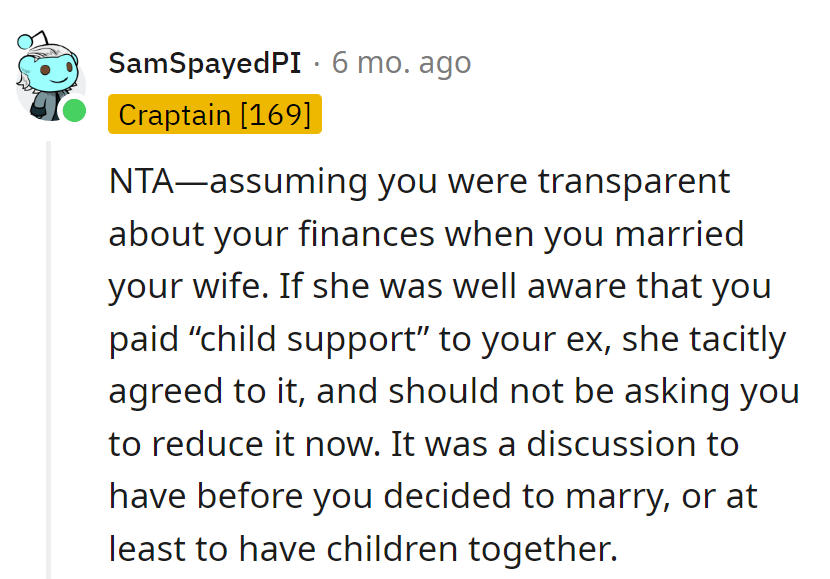
The disagreement grew beyond money when the couple began arguing about daily expenses, including the children’s food, care, and living arrangements.
Flexibility and Communication in Parenting
Co-parenting takes patience and flexibility because children’s needs can change over time. Parents need to stay open to discussion and work together to find fair solutions.
Since the support payments were not court-ordered, honest conversations and clear agreements are even more important for building trust and avoiding future conflicts.

Communication becomes the key issue in their ongoing conflict.

Helping an ex-partner should not put the current household under financial strain. Child support needs to be handled in a way that also protects the family’s basic needs.
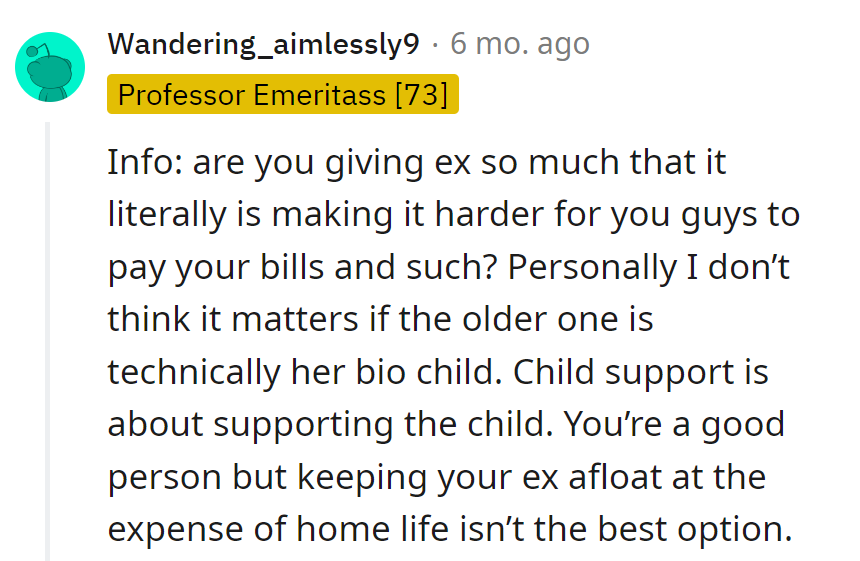
When he told his wife that his ex’s situation was not hers to judge, the disagreement became about more than co-parenting. It turned into a conflict over trust, control, and shared decisions within their marriage.
Money talks can bring out strong emotions, especially when both partners have different concerns. Listening to each other and respecting those concerns can help prevent resentment and build understanding.
The couple also disagreed over the amount of support, with questions raised about why he was paying $500 a week and how much his ex actually needed.

A healthy approach means handling disagreements calmly, putting the children’s needs first, and speaking to each other with respect.

It may not be an issue if he can afford the payments, but welcoming another child while living on a tight budget could put more pressure on the household.

Conflict Resolution in Co-Parenting
When parents disagree about financial support, calm talks and fair solutions can help them find common ground.
Putting the children’s needs first can lead to better outcomes. Child support is more than a monthly payment. It reflects a parent’s duty to provide care, support, and stability.
Advertisement – Continue Reading Below
Divorce may change a family’s structure, but children should not have to suffer because of adult disagreements. Love, steady support, and regular involvement help children feel safe and valued.
Managing co-parenting finances takes patience, honesty, and respect. This situation shows how money disputes can grow when parents have different views about their duties. Open communication can help clear up concerns and reduce tension.
When parents work together, they create a healthier home life for their children. Both parents deserve respect, but the children’s needs should remain the main focus.
If these money disputes continue to put pressure on the marriage, the husband and wife may need to rethink how they handle their shared responsibilities. They may also need to consider whether their relationship can withstand the ongoing conflict.