Receptionist Threatened With Firing Over Her Hair Despite Medical Concerns
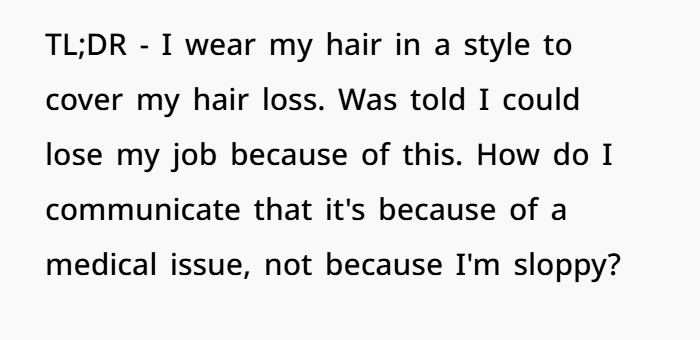
A 26-year-old receptionist is worried about losing her job after her manager criticized her hair.
She works at a small company where employees are expected to follow certain appearance rules. But despite following those rules, her manager told her that her hairstyle looked “messy.”
The comment left her upset, especially because her hair is affected by a medical condition.
The situation became more serious when her manager suggested that her appearance could affect her future at the company.
For the receptionist, this wasn’t just about looking neat at work. It was about protecting her health, keeping her job, and feeling comfortable with her appearance.
Manager Criticizes Her Hair Despite Workplace Rules
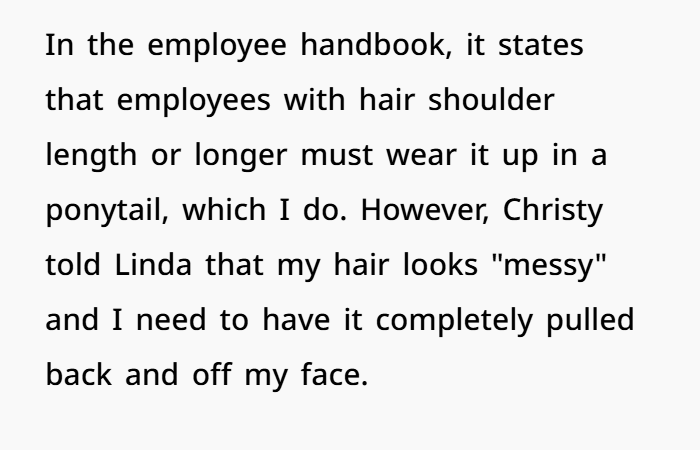
The company has a rule requiring employees with shoulder-length hair to keep it tied back.
The policy is meant to support hygiene and safety in the workplace.
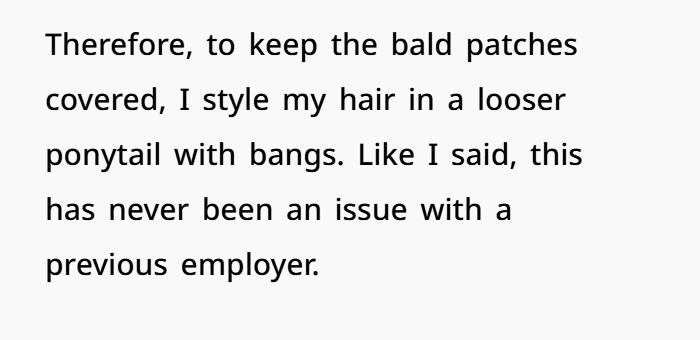
The receptionist said she was already following that rule by wearing her hair in a ponytail.
However, her manager still wasn’t satisfied.
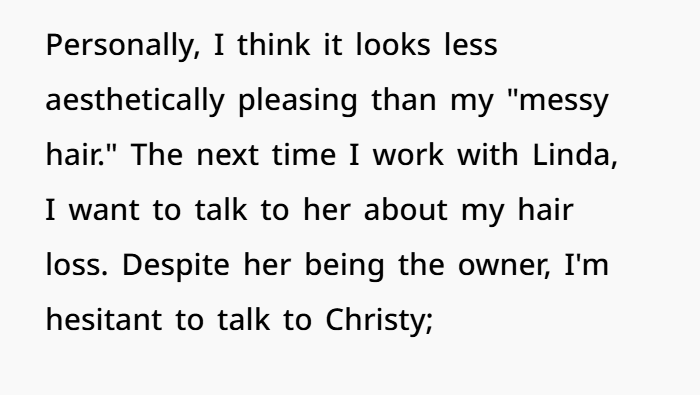
He described her hair as messy and suggested she needed to change how she wore it.
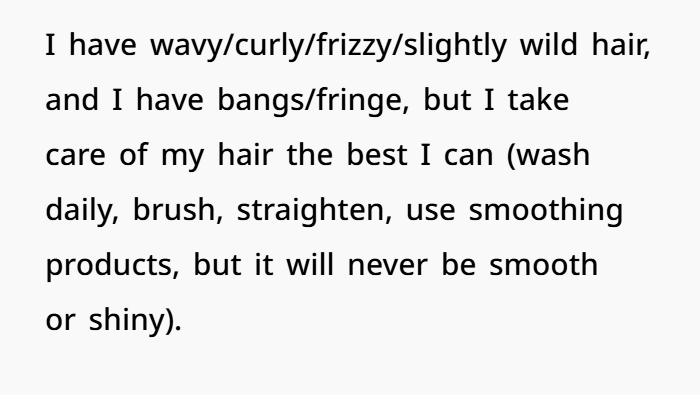
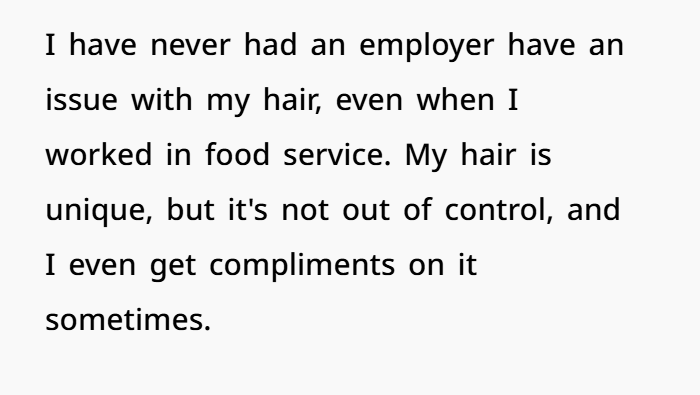
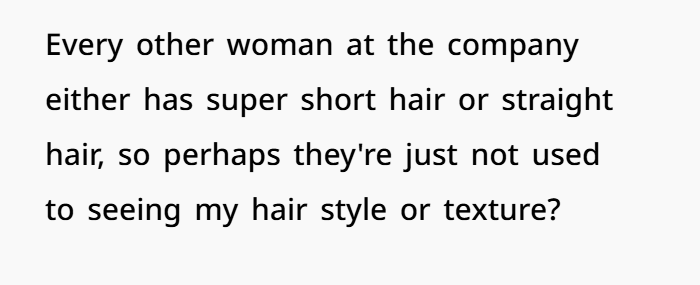
That was difficult for her to hear because she has naturally curly and frizzy hair.
Even when tied back, her hair doesn’t always look smooth or flat.
But the issue went beyond her natural hair texture.
She also had medical reasons for wearing her hair a certain way.
Medical Hair Loss Makes Changing Her Hairstyle Difficult
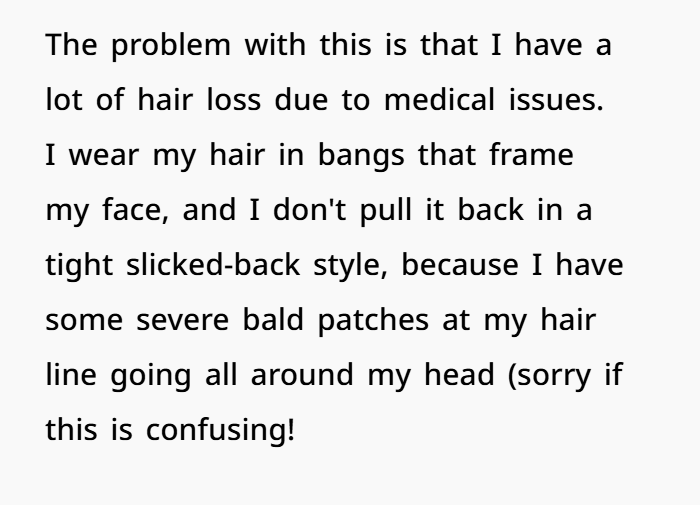
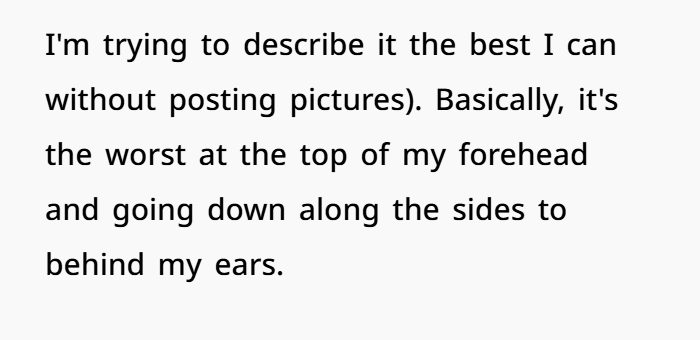
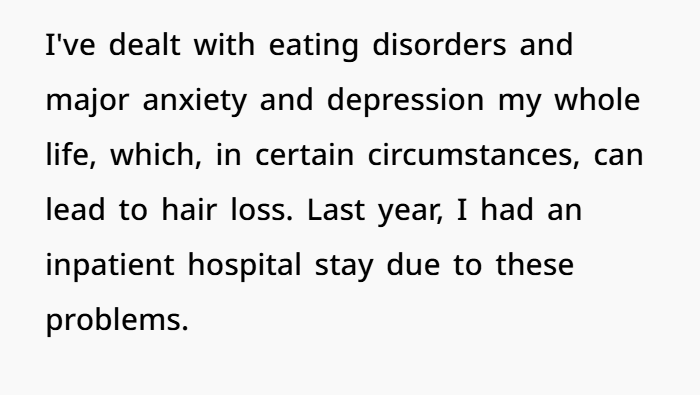
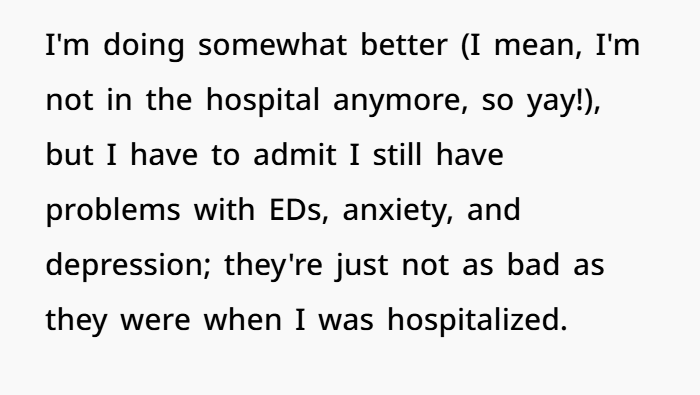
The receptionist explained that she has health problems that affect her hair and scalp.
These issues have caused thinning hair and scalp sensitivity.
Advertisement – Continue Reading Below
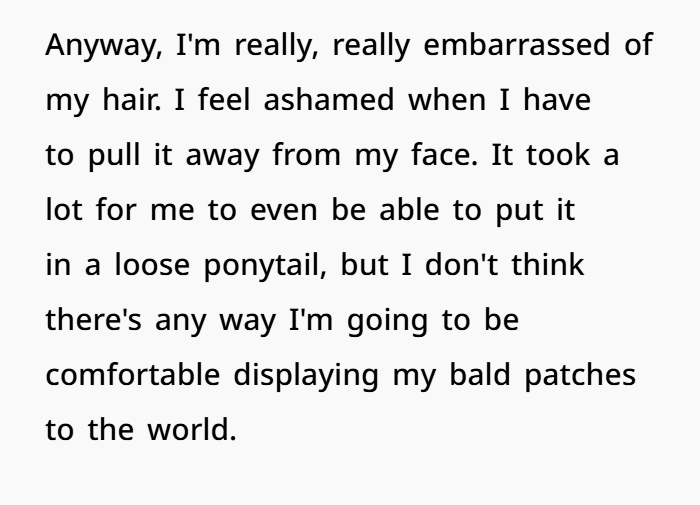
Because of this, she uses protective hairstyles to avoid making the problem worse.
Changing her hairstyle isn’t as simple as choosing a different look before work.
Some styles could expose areas where her hair has thinned.
Others might cause discomfort or place more stress on her scalp.
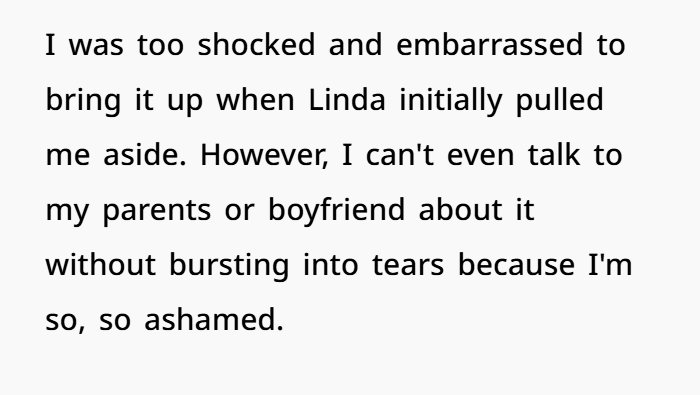
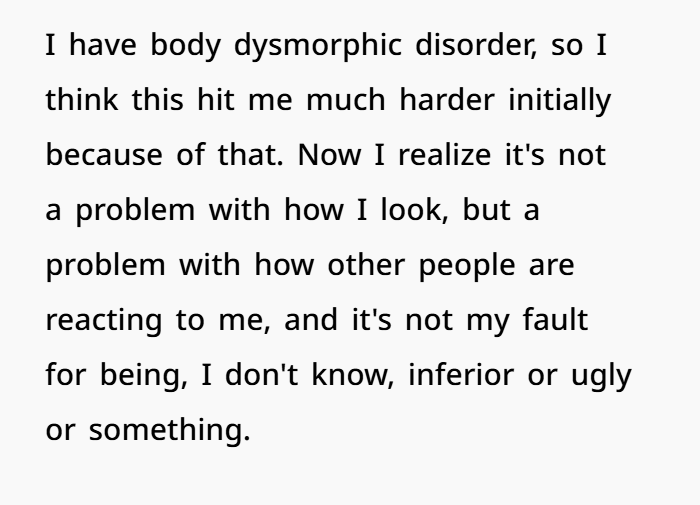
She was already dealing with the emotional effects of hair loss, and the criticism made her feel even more self-conscious.
She wanted to look neat and follow company rules without putting her health or comfort at risk.
But her manager continued to treat her hairstyle as a problem.
Her Appearance May Affect Her Career
What worried the receptionist most was the suggestion that her hair could hold her back at work.
Her manager indicated that she might struggle to move forward in the company unless she changed her appearance.
That made her feel as though her work and skills were being overlooked.
She believed she was doing her job properly and meeting the company’s stated hair policy.
Yet her future seemed to depend on whether her manager liked how her hair looked.
The thought of losing career opportunities over something linked to her health was upsetting.
She also began to worry that the criticism could eventually cost her the job.
Workplace Stress Begins to Affect Her
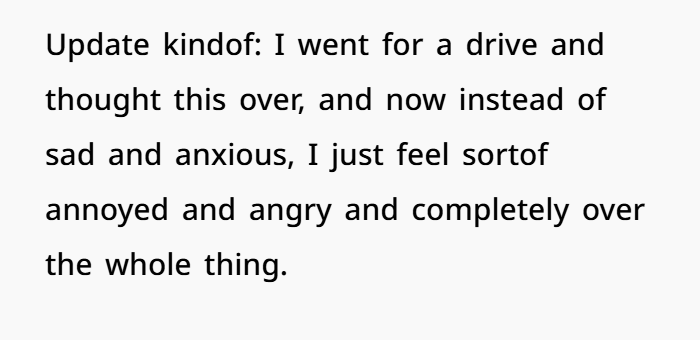
As the situation continued, the receptionist became more anxious about going to work.
She worried about how her hair looked and whether her manager would make another comment.
Something that had once been a normal part of her daily routine became a source of stress.
She felt pressure to change her appearance, even though doing so could make her medical concerns worse.
The situation also affected her confidence.
Hair loss can already be difficult to deal with, especially when it changes how someone feels about their appearance.
Having those concerns raised at work can make the experience even harder.
The receptionist wanted to be judged by how well she performed her duties, not by the natural texture of her hair.
Employee Plans to Speak With HR
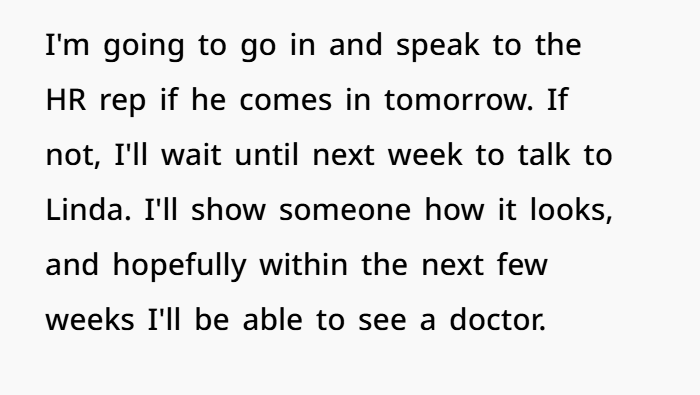
After dealing with the criticism, she decided to contact the company’s human resources department.
She wanted to understand her options and find out whether her medical condition could qualify for workplace support.
Depending on local laws and the nature of her condition, some workers may have rights to reasonable changes in workplace rules.
These changes can help employees continue doing their jobs without placing their health at risk.
The receptionist hoped HR could review the situation and help her find a fair solution.
She also wanted clearer guidance about the company’s appearance policy.
If she was already following the written rules, she wanted to know why her manager continued to object.
She Starts Thinking About Finding Another Job
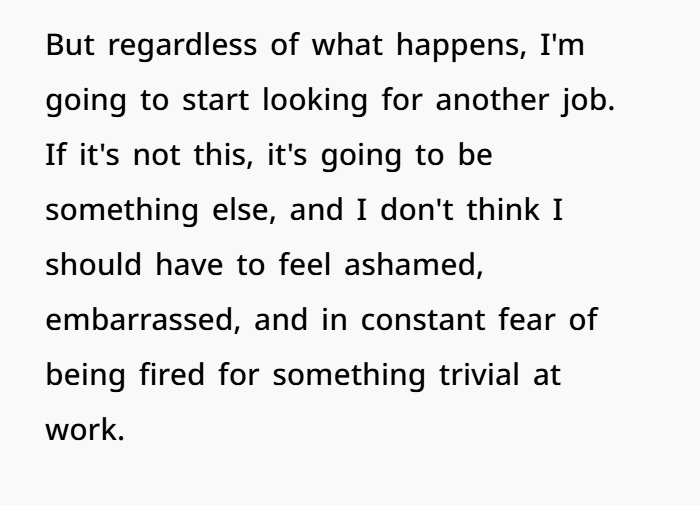
Although she planned to speak with HR, the receptionist also began looking at other career options.
She wasn’t sure she wanted to stay somewhere that made her feel uncomfortable about her health and appearance.
Leaving a job is never an easy choice, especially when someone depends on their income.
But she was concerned about what might happen if the criticism continued.
She wanted to work in a place where she could meet professional standards without feeling pressured to hide a medical condition.
The thought of starting over was stressful, but staying in her current role was becoming difficult too.
The Bigger Issue Behind Workplace Appearance Rules
The receptionist’s experience raises questions about how companies apply appearance policies.
Employers may set dress and grooming rules for safety, hygiene, and professional needs.
But those rules should be clear and applied fairly.
Natural hair textures can look different from one person to another.
Curly or frizzy hair doesn’t always lie flat, even when someone takes care of it.
A hairstyle that looks different from another employee’s doesn’t automatically mean it is unclean or unsuitable for work.
Medical concerns can also affect how employees wear their hair.
For someone dealing with hair loss or scalp problems, certain styles may be painful or difficult to maintain.
That is why listening to an employee’s concerns matters before demanding changes.
Finding a Fair Solution
The receptionist wasn’t asking to ignore workplace rules.
She wanted to follow them in a way that worked with her medical needs.
Her hair was already tied back, as the company required.
The disagreement came from her manager’s view of how neat it looked.
By speaking with HR, she hoped to find out whether the company could offer a fair solution.
The case shows how a comment about someone’s appearance can become a much larger workplace issue.
For this employee, the concern wasn’t just about her hairstyle.
It was about her health, confidence, job security, and future at the company.
She wanted to keep working without feeling that her natural hair and medical needs were being held against her.
And for any workplace, treating employees with respect means looking beyond appearance and understanding the needs of the people doing the work.


Disability Rights and Workplace Protection Laws
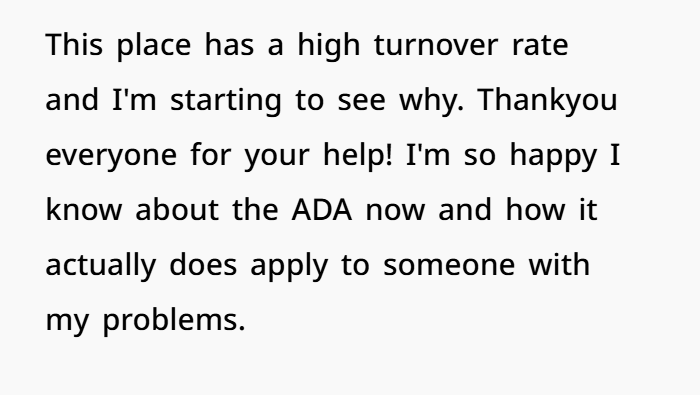
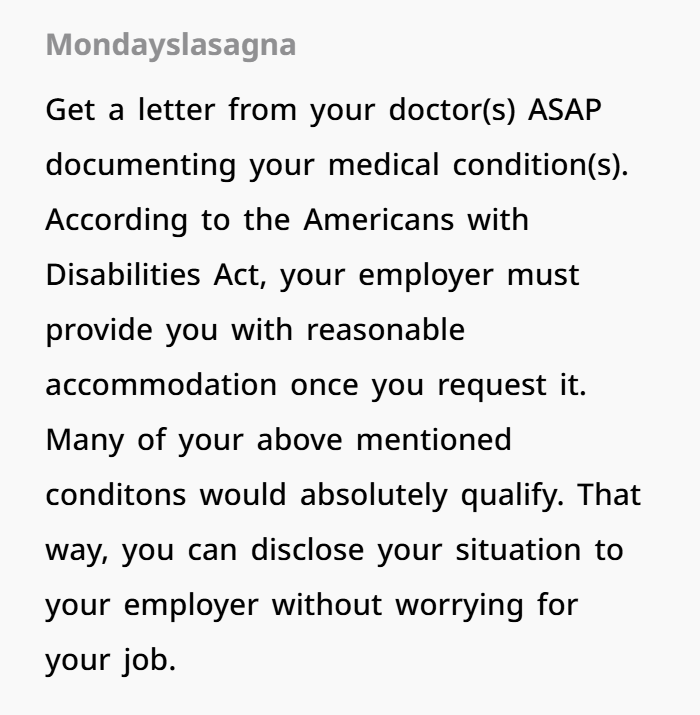
In the United States, laws like the Americans with Disabilities Act (ADA) protect workers with certain health conditions from unfair treatment.
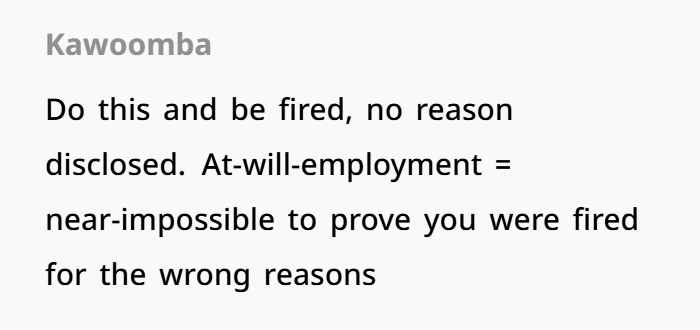
Even in states where employers can usually fire workers without giving a reason, they cannot legally fire someone because of a disability protected by law.
The ADA may cover people dealing with:
- Physical health problems
- Mental health conditions
- Medical issues that limit major daily activities
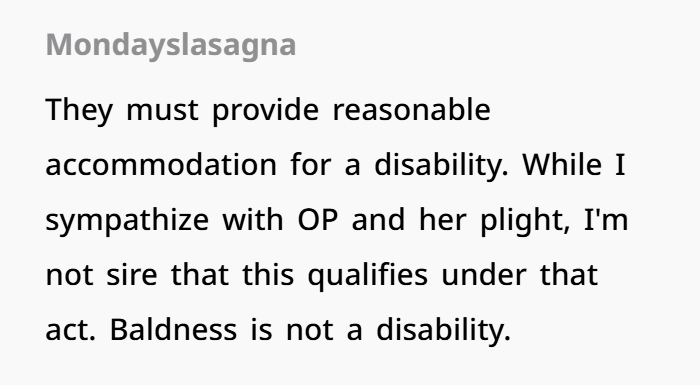
However, not every health problem counts as a disability under the ADA.
Whether someone qualifies depends on how their condition affects their life and the facts of their case.
For the receptionist, this means her hair loss and scalp problems may deserve a closer review.
Medical Accommodations at Work
The ADA may require covered employers to make reasonable changes that help qualified workers do their jobs.
These changes are called reasonable accommodations.
An employer generally doesn’t have to make a change that would cause major difficulty or expense.
In the receptionist’s case, her health problems may make certain hairstyles painful or hard to maintain.
Possible changes could include:
- Allowing a different hairstyle that meets safety needs
- Making exceptions to certain grooming rules
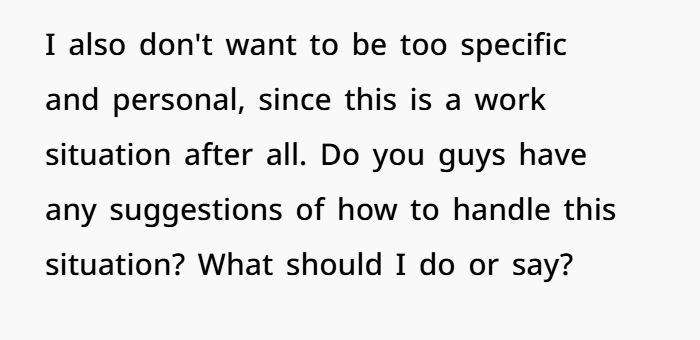
- Letting her discuss medical concerns privately with HR
- Finding another way to meet the company’s appearance standards
The goal is to find a fair solution that lets the employee work safely.
For example, if her hair is already tied back, the company could review whether another change is truly needed.
A hairstyle doesn’t have to look the same on everyone to meet basic workplace standards.
What Employers Should Do When Health Concerns Arise
When an employee explains that a workplace rule affects their health, the employer should take that concern seriously.
For employers covered by the ADA, a request for a change due to a medical condition may start a process to explore reasonable accommodations.
This often means talking with the employee about their needs and possible solutions.
Employers should aim to:
- Listen to the employee’s concerns
- Review possible changes to workplace rules
- Consider medical needs when making decisions
- Apply grooming policies fairly
- Keep private health details confidential as required by law
Managers should also avoid making quick judgments about someone’s appearance.
A worker may have a valid health reason for wearing their hair or clothing in a certain way.
Taking time to understand that reason can help prevent unfair treatment.
When Appearance Rules Conflict With Medical Needs
Many companies have dress codes and grooming policies.
These rules may cover clothing, hairstyles, hygiene, and general appearance.
Some jobs also require certain grooming standards for safety reasons.
But problems can arise when a rule doesn’t account for an employee’s health.
For example, someone with scalp pain or hair loss may struggle with hairstyles that pull tightly on their hair.
Another worker may have a skin condition that makes certain clothing uncomfortable.
In these cases, following the usual rule may cause pain or make a health problem worse.
That’s why employers should consider whether a fair change is possible.
The receptionist’s situation shows how unclear words like “messy” can create problems.
Her hair was tied back, as the company required.
Yet her manager still criticized how it looked.
Without clear standards, employees may struggle to understand what they are expected to change.
Workplace Discrimination and Legal Concerns
When an employee believes their health condition is affecting how they are treated, the issue can become more serious.
Depending on the facts, it may raise concerns about disability rights and unfair treatment at work.
Possible issues include:
- Disability discrimination complaints
- Disputes over reasonable accommodations
- HR reviews of workplace policies
- Employment law concerns
Not every disagreement over appearance breaks the law.
But employers can face legal problems if they refuse a required accommodation or treat someone unfairly because of a protected disability.
Employees who feel their rights have been ignored can ask HR for guidance.
They may also speak with an employment lawyer or contact the Equal Employment Opportunity Commission (EEOC).
The EEOC handles many workplace discrimination complaints in the United States.
Workers should also remember that legal deadlines can apply when filing a complaint.
How HR Can Handle These Situations Better
A good HR team should help solve workplace problems before they become bigger disputes.
When an employee raises a medical concern, the focus should be on finding a practical and fair solution.
Some helpful steps include:
- Writing clear grooming and dress code rules
- Avoiding unclear terms such as “messy” without explaining what they mean
- Teaching managers how to handle medical concerns
- Keeping private health matters out of public discussions
- Reviewing requests for workplace changes fairly
- Keeping records of concerns and agreed solutions
These steps can help employees understand what is expected of them.
They also give managers a better way to address concerns without making workers feel judged.
In the receptionist’s case, a private discussion with HR could help explain why she needs a certain hairstyle.
It could also give the company a chance to review whether its rules are being applied fairly.
The main issue isn’t whether a business can have appearance standards. Most employers can set reasonable rules for their workplace.
The question is how those rules affect employees with medical needs.
By listening, reviewing the facts, and treating workers with respect, companies can often resolve these concerns without turning them into serious workplace conflicts.
A worker shouldn’t have to choose between protecting their health and keeping their job when a reasonable solution is available.
See the comments to know what people said
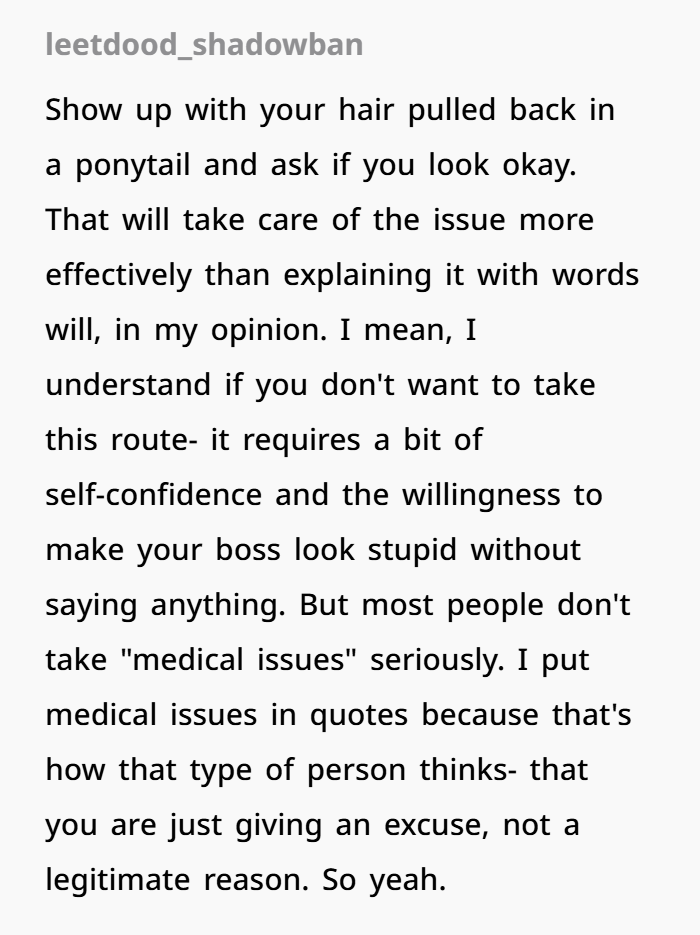
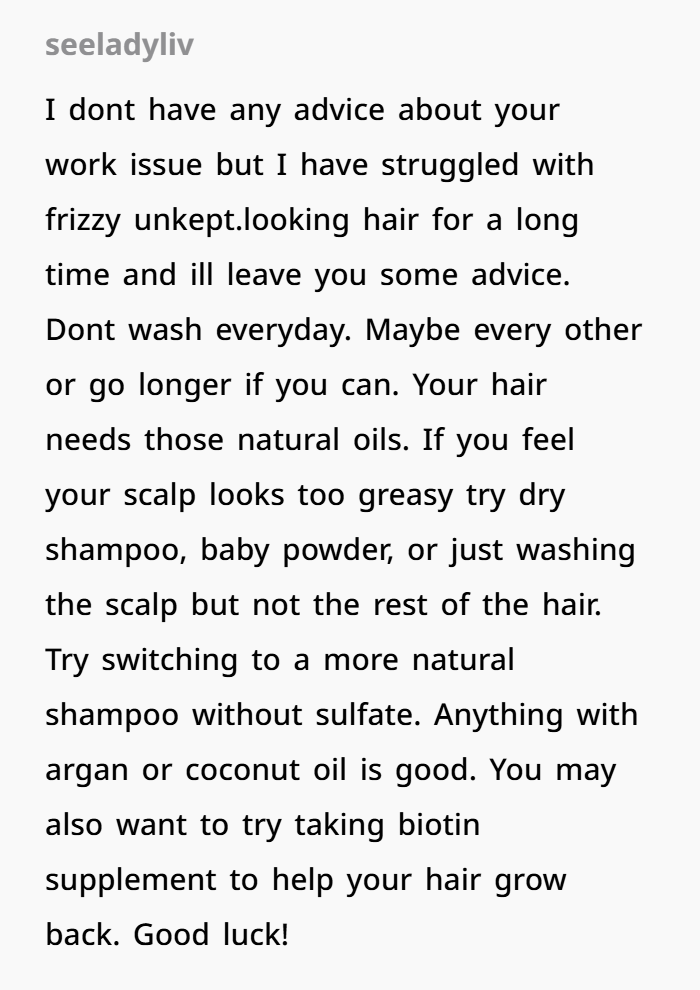
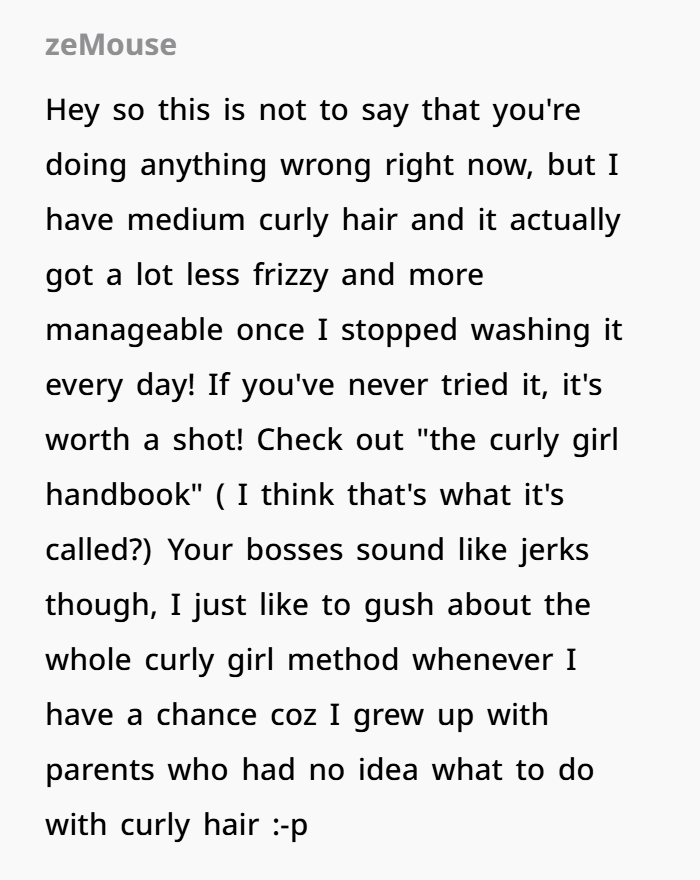
This story shows how workplace rules about appearance can clash with an employee’s health needs and legal rights.
It also shows why employers should:
- Treat workers fairly, including those with disabilities
- Take requests for medical accommodations seriously
- Keep conversations with HR clear and respectful
- Avoid judging someone’s work or skills based on appearance
Companies have the right to set workplace standards, but those rules should also account for employees with medical needs.
A simple conversation and a fair review of the situation can often prevent bigger problems.
At the end of the day, employees deserve to feel respected and supported at work, especially when dealing with health issues beyond their control.