My Mom Cheated, and I Told Her How Much It Hurt Our Family. She Disagreed
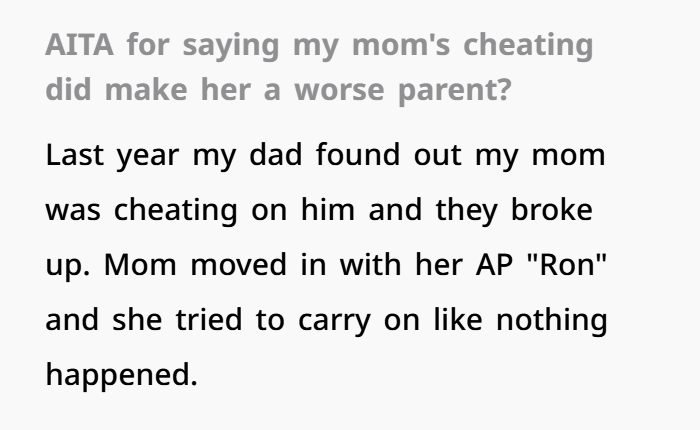
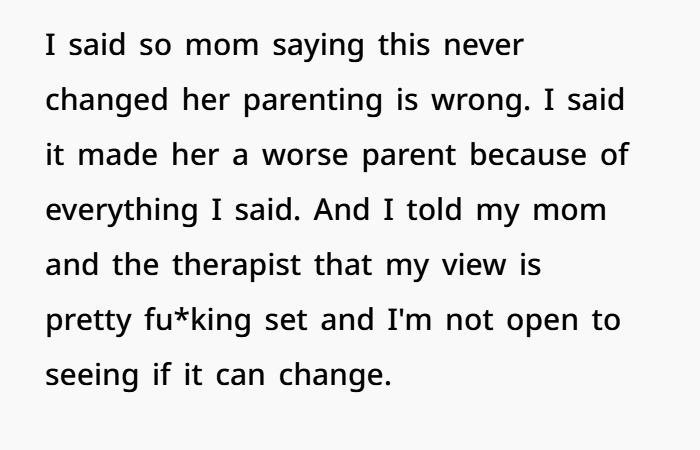
A 16-year-old girl is struggling to handle her parents’ divorce after learning that her mother had an affair and soon started a new relationship.
From the teenager’s point of view, everything changed quickly. A family that once felt safe and stable became filled with separation, arguments, and major changes at home. Her mother’s new partner made things even harder, leaving her feeling hurt, confused, and overwhelmed.
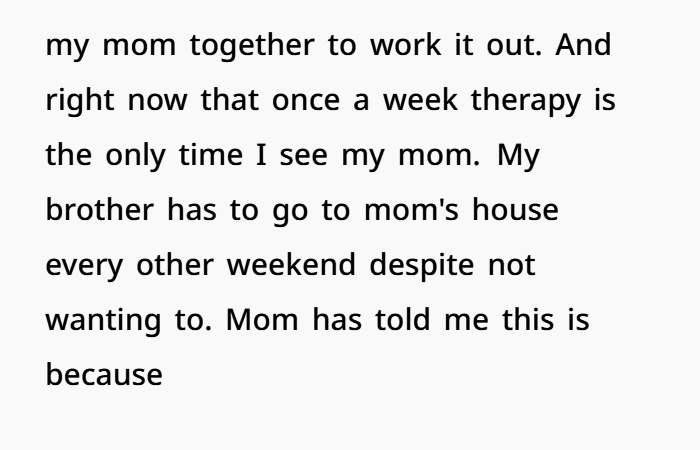
Her mother tried to move forward with life, but her daughter found it difficult to accept what happened. Their bond became tense as the teenager dealt with anger, sadness, disappointment, and the loss of the family life she once knew.
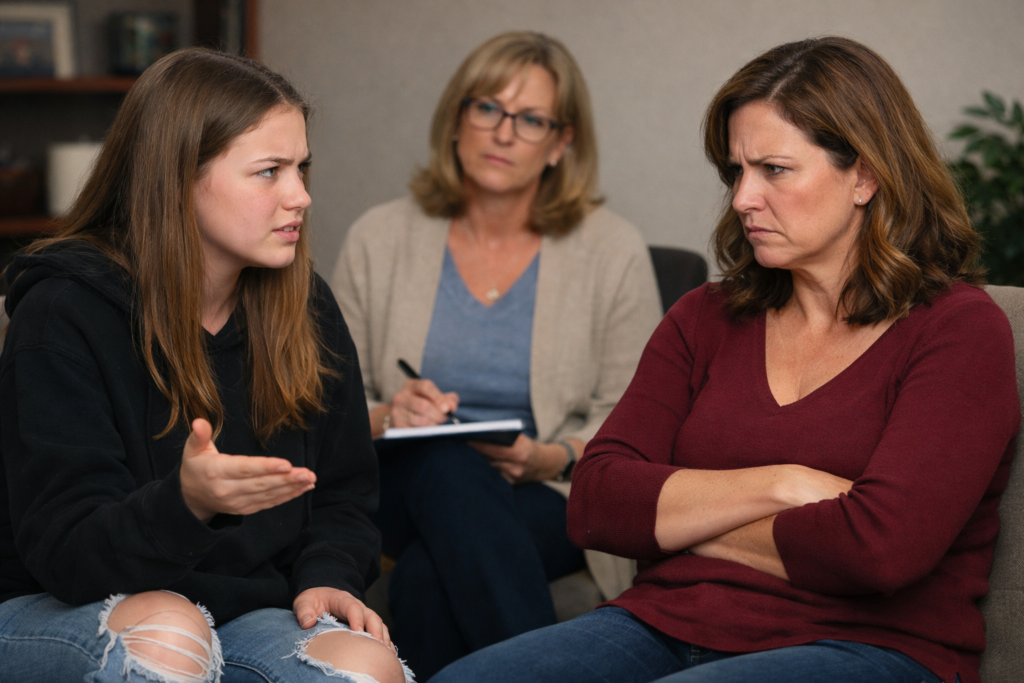
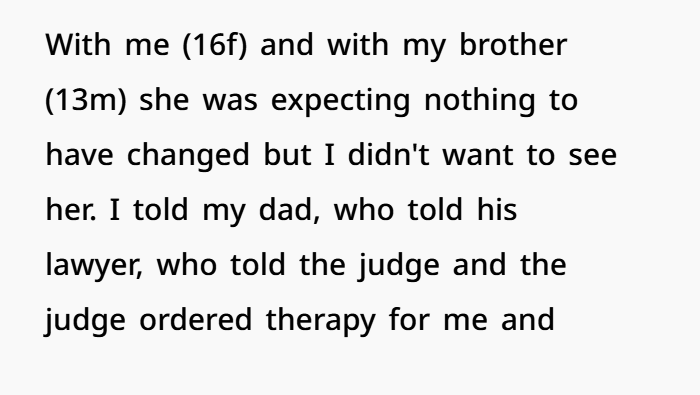
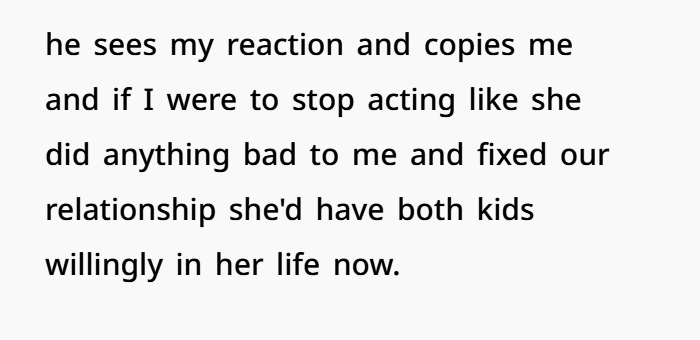
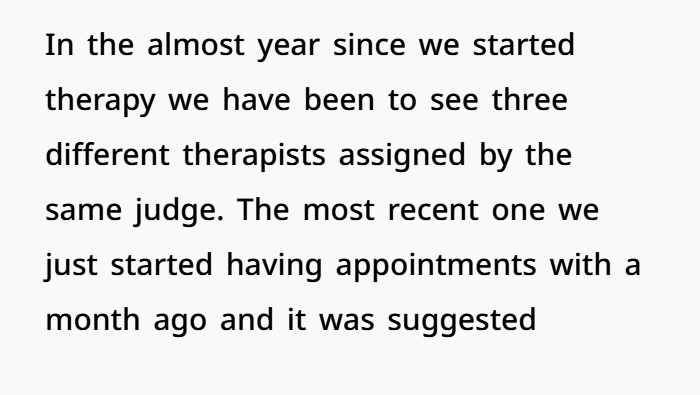
The teenager agreed to try therapy, but the first sessions did not help much. She felt her pain was not being fully heard and that the focus was more on accepting the changes than understanding how deeply the divorce had affected her.
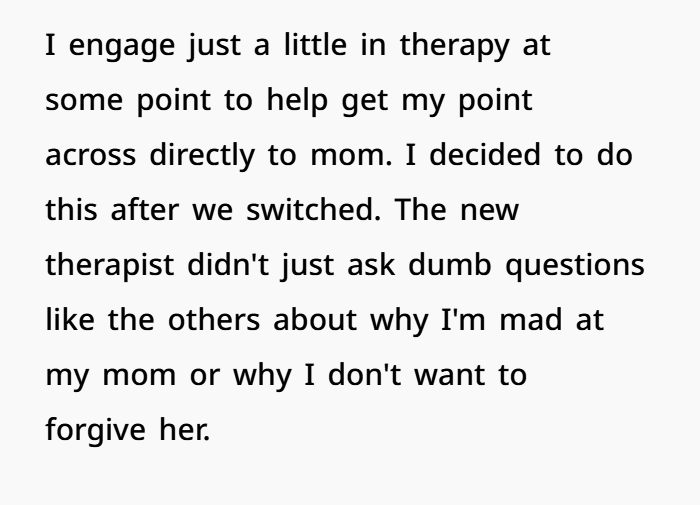
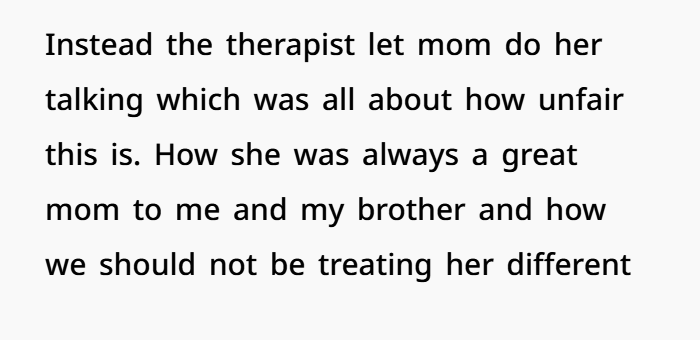
When she met a new counselor, she finally shared her real feelings. She explained that her mother’s affair changed how she saw her, broke her trust, and affected the whole family. She also talked about how the situation changed her relationship with her sibling and her view of home.
After saying everything she had been holding inside, she started to question whether she had been too hard on her mother or if she had simply shared feelings that needed to be heard.
The situation shows how deeply divorce can affect children and why they need time and space to process painful changes. Healing is different for every family member.
Now, the family is working through divorce, shared parenting, rebuilding trust, and emotional recovery. For the teenager, healing means learning to accept a changed family while finding a way to express her feelings and move forward.
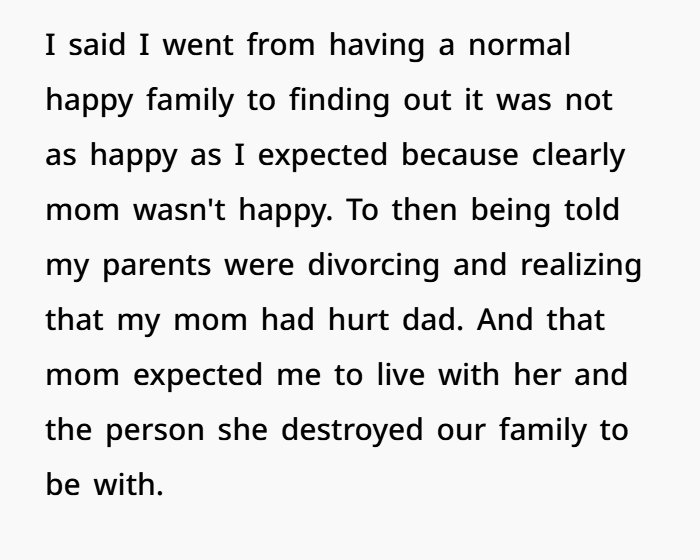
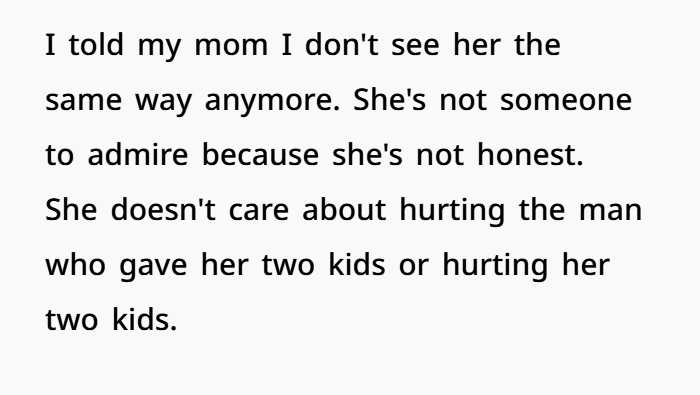
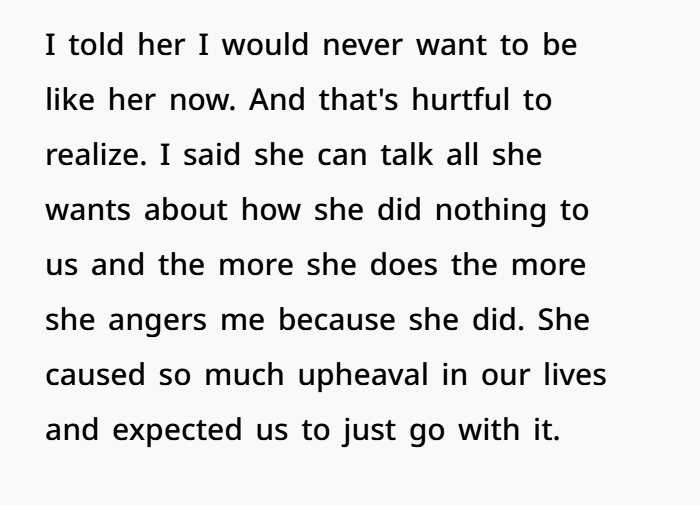
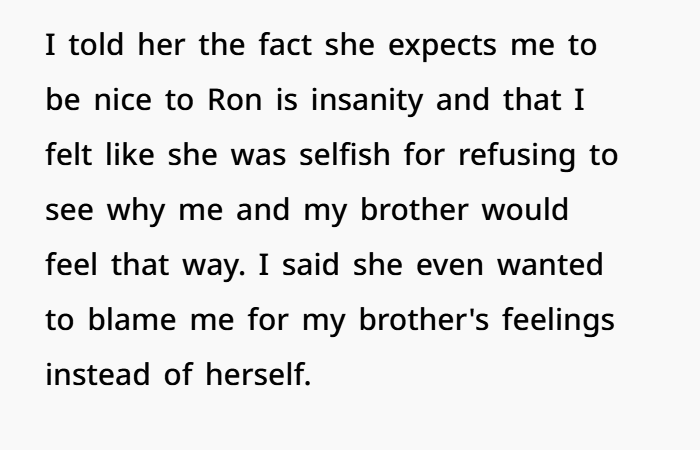

This situation is about more than one disagreement or a single painful moment. It shows how a parent’s choices in a relationship can affect the whole family, especially children.
When trust breaks in a marriage, the effects often reach beyond the couple. Divorce can change a child’s home life, emotional safety, and sense of stability.
Can Relationship Choices Be Separate From Parenting?
Some people believe a parent’s relationship decisions should be separate from their role as a parent.
They may think, “I made mistakes in my marriage, but I can still be a good parent.”
In some cases, this can be true. A parent can still care for their children, stay involved, and provide support after making mistakes.
However, family relationships are closely connected. Events like divorce or infidelity can affect everyone in the home, not just the couple involved.
Children often experience changes in their emotions, daily routines, and feelings of security when their family structure changes.
How Divorce Can Affect Teenagers
When divorce or infidelity changes a family suddenly, teenagers may feel hurt, confused, and overwhelmed.
Advertisement – Continue Reading Below
Changes at home can affect how they see trust, relationships, and family life. Many young people need time, support, and honest conversations to understand what happened.
Instead of slowly adjusting, they may suddenly face major changes:
- The family structure changes
- Home feels different
- A new partner may enter their life quickly
- Their emotional stability may be affected
For many teenagers, these changes can feel like their old life disappeared without warning.
Support, patience, and a safe place to share feelings can help them adjust and cope with the changes.
When There Is No Time to Adjust
One of the hardest parts of a family breakup is when everything changes too quickly.
Children often need time to understand and accept major changes. When separation happens suddenly, they may feel like they had no chance to prepare emotionally.
This can leave them feeling hurt, confused, or left out of decisions that changed their lives.
Sharing Feelings in Therapy
Therapy gives people a place to express difficult emotions and talk about painful experiences.
Feelings like anger, sadness, disappointment, and confusion are normal after major family changes. Sharing these emotions can help people understand what they are going through.
In this situation, the teenager explained how the divorce affected her, including:
- Losing trust within the family
- Adjusting to changes at home
- Feeling emotional stress from the divorce
- Feeling that her pain was not fully understood
Honest communication can be an important part of healing.
Intent vs. Impact
A major conflict in this situation comes from two different viewpoints.
One person may focus on intent, meaning what they meant to do.
The other person may focus on impact, meaning how those actions affected them.
A parent may feel they did not hurt their child because they never wanted to cause pain.
A teenager may focus on how the situation changed their life, emotions, and sense of safety.
Both experiences can exist at the same time. The challenge is learning to listen and understand each other.
The Need to Feel Heard
When teenagers say they are hurt, they often want their feelings to be recognized.
When parents hear criticism about their choices, they may feel attacked or judged. This can create a gap in communication.
The teenager may feel ignored, while the parent may feel blamed.
Without open conversations, both sides can continue feeling misunderstood.
- The teenager feels their emotions are dismissed
- The parent feels unfairly judged
Calm and respectful communication can help rebuild trust.
Sibling Reactions and Family Pressure
Sometimes parents believe siblings are influencing each other’s opinions.
However, each child can develop their own feelings based on personal experiences.
If more than one child feels hurt or affected, it may show that the family change had a wider impact.
Was the Teenager Wrong for Reacting?
Feeling angry, sad, or upset after a major family change is a normal response.
Talking about these emotions can be part of healing. However, the way feelings are expressed also matters.
Strong emotions can make conversations harder if people feel attacked. Clear and respectful communication can help family members share their pain while still allowing room for understanding.
Why Teenagers May React Strongly
Teenagers facing divorce or family conflict often experience strong emotions because:
- They are still growing emotionally
- They are adapting to major changes
- They may feel a loss of safety and routine
- They may feel unheard by the people closest to them
These reactions are common when young people face difficult family situations.
Final Thoughts
This situation is not only about deciding who is right or wrong.
It is about family changes, emotional healing, and the way children experience difficult moments at home.
Parents may believe they are still loving and supportive. Children may see the situation through the pain and changes they experienced.
Healing takes time. It requires patience, honest conversations, support, and a willingness to understand each other.
Teenagers need space to share their feelings and process what happened without feeling rushed or ignored.
See The Comments Below


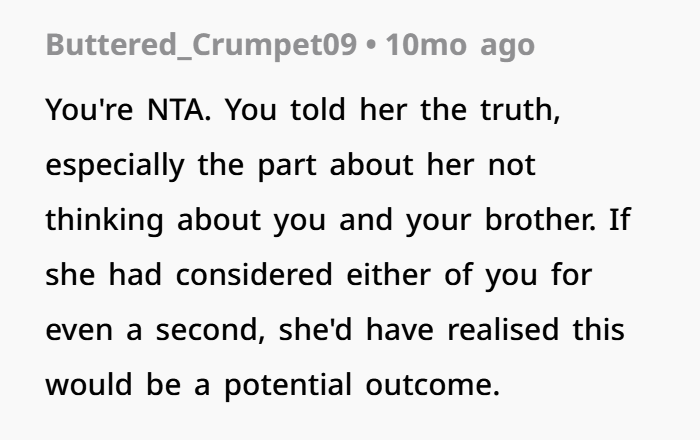
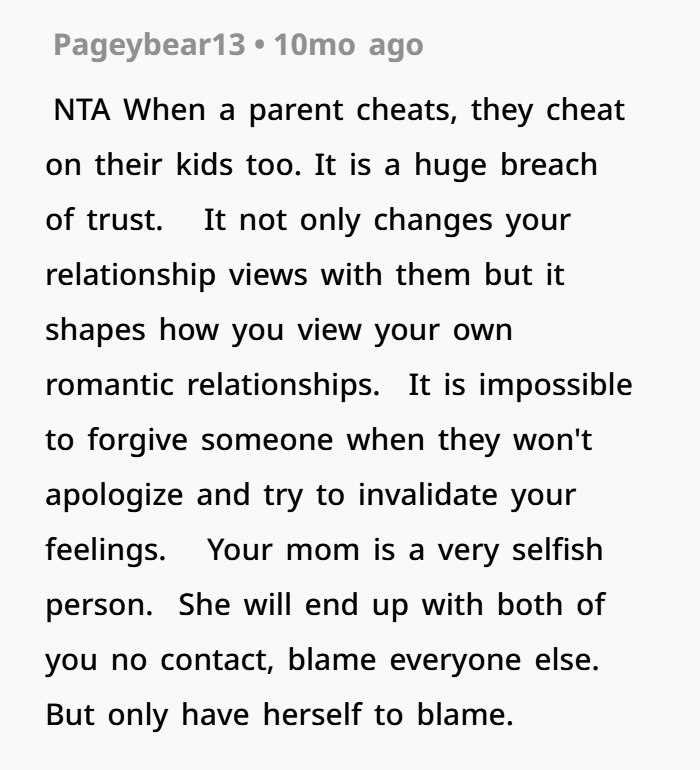


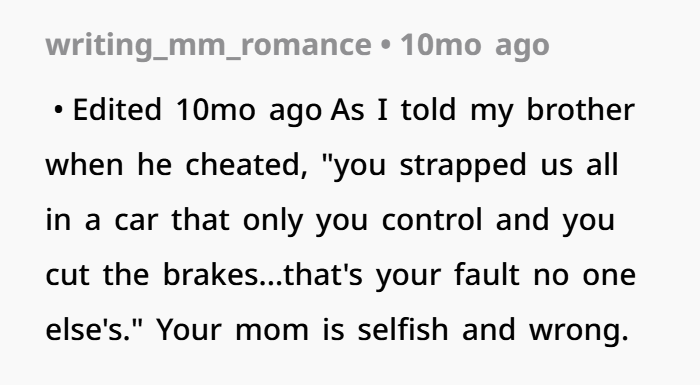

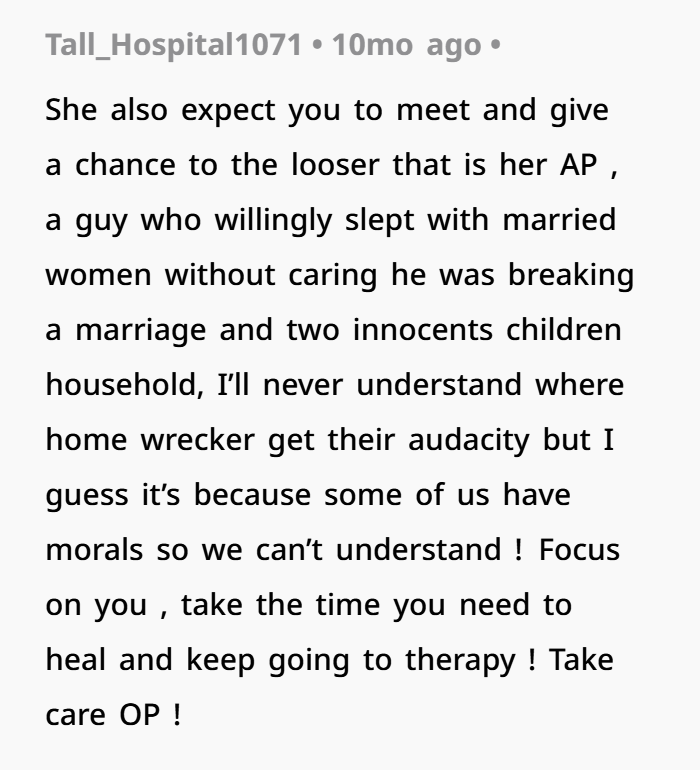
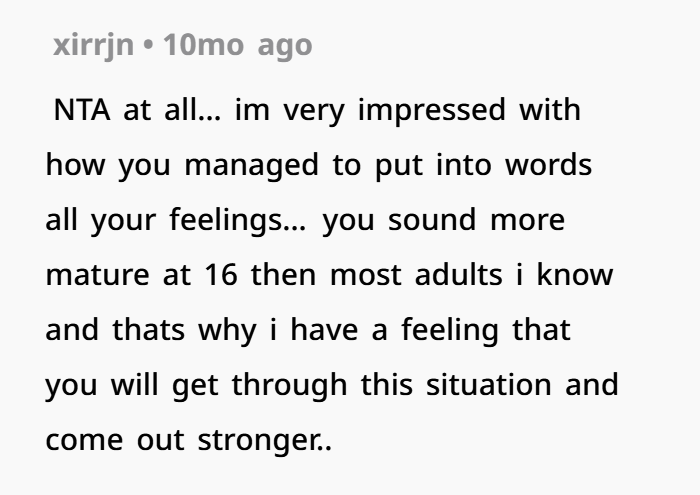


This situation appears to support the idea that the teenager’s feelings are understandable.
She was not trying to hurt her mother. She shared her emotions because they were real and explained how the situation affected her. Therapy is a place where people are encouraged to talk openly about painful experiences and difficult feelings.
Her words may have sounded harsh, but that does not mean her feelings were wrong.
She is dealing with a major change in her family life. Instead of keeping her emotions hidden, she finally expressed the hurt, disappointment, and confusion she had been carrying.
Being honest about emotional pain does not make someone unfair. It can be an important step toward understanding what happened and beginning to heal.