I Kissed a Friend When I Was 17 — Years Later, My Partner Says It Changes Everything
A woman never imagined that one small moment from her teenage years could cause trouble in her relationship.
But when she told her partner about something that happened when she was 17, his reaction caught her completely off guard.
What started as a normal conversation soon turned into an argument that left her questioning their relationship.
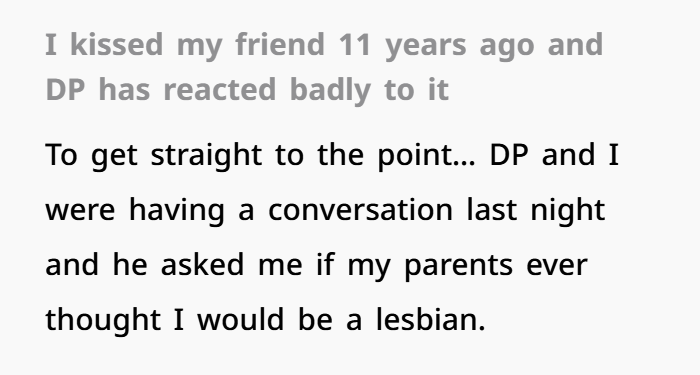
It all began when her partner asked an unexpected question.
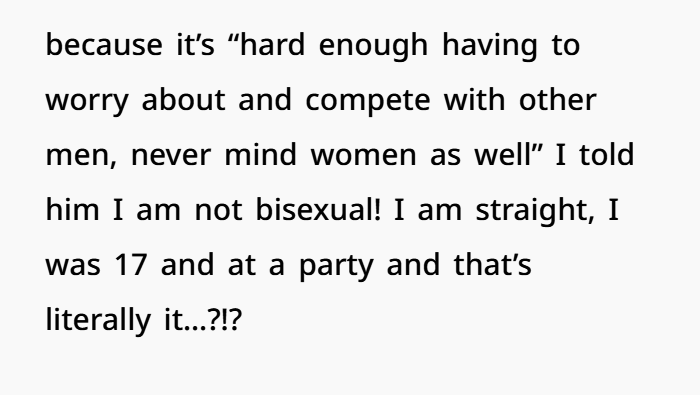
He wanted to know whether anyone had ever thought she might be attracted to women.
She didn’t see any reason to hide the truth.
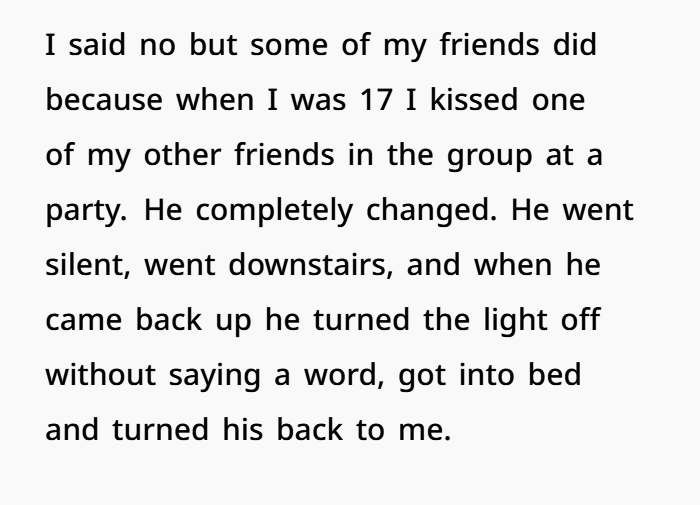
So she told him that when she was 17, she had kissed a female friend at a party.
To her, it was nothing more than a brief teenage experience.
It happened years before she met her current partner, and she didn’t believe it said anything about her feelings today.
She certainly didn’t expect it to become a problem.
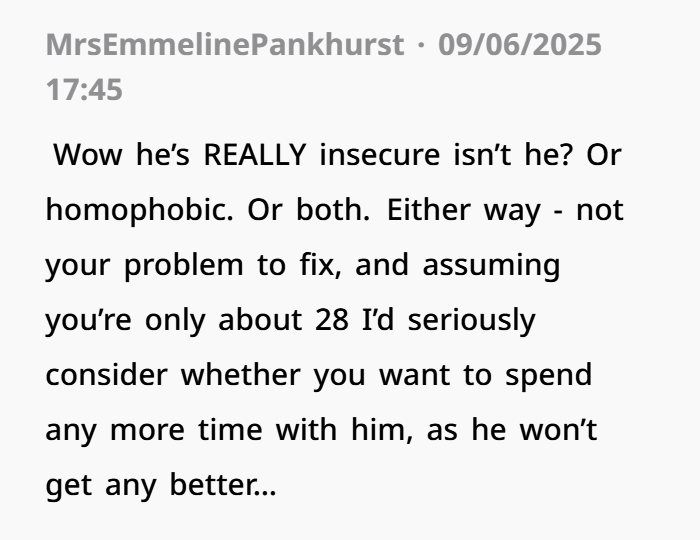
But her partner saw things differently.
After hearing about the kiss, his attitude changed.
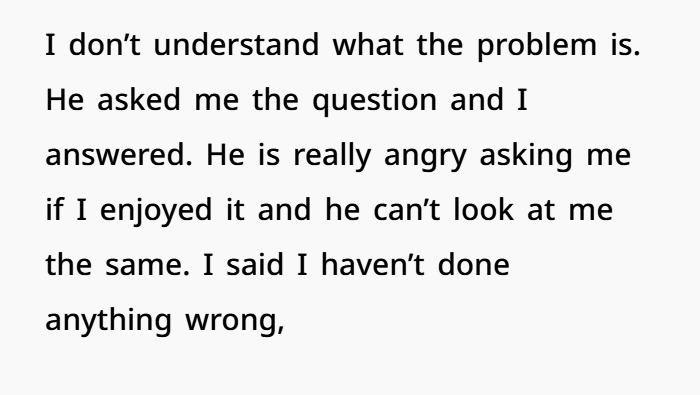
He became distant and upset, leaving her confused about what she had done wrong.
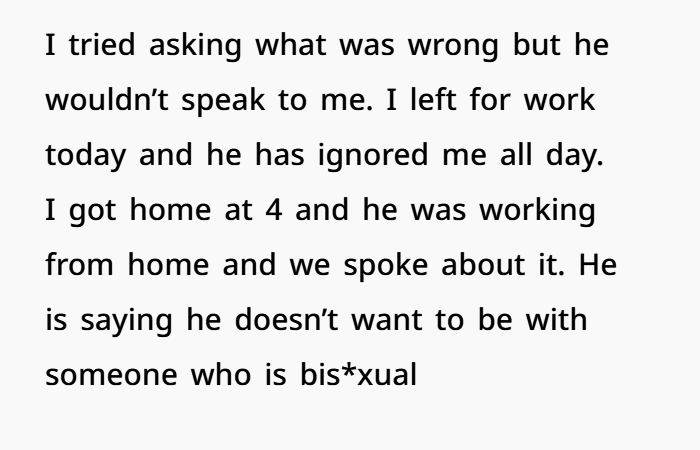
Later, he explained why the story bothered him so much.
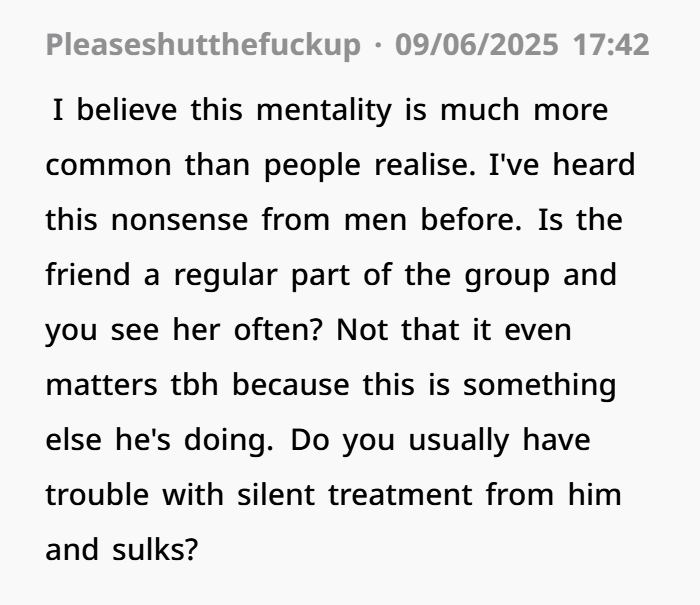
He said he felt uncomfortable being with someone he thought might be bisexual.
His words hurt her.
Advertisement – Continue Reading Below
She had answered his question honestly, yet now she felt as though she was being judged for something that happened when she was a teenager.
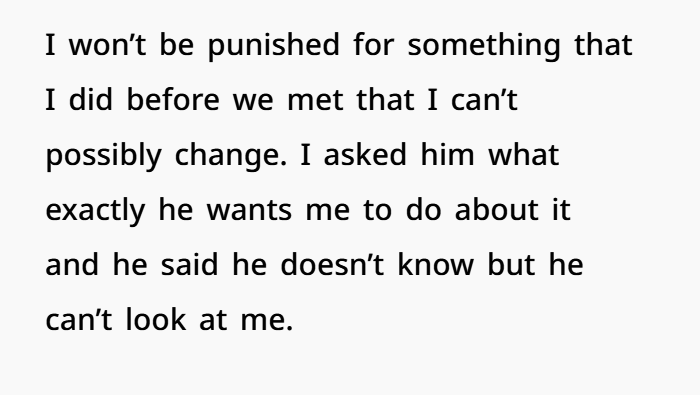
She tried to explain that the kiss was in the past and had nothing to do with their relationship.
It didn’t change her feelings for him or the life they had built together.
But he continued to focus on what she had told him.
He questioned her feelings and admitted that he now saw her differently.
For the woman, this was difficult to understand.
She hadn’t cheated, hidden an affair, or done anything to betray his trust.
She had simply shared an old memory after being asked a direct question.
Now, she was left wondering whether being honest had somehow damaged their relationship.
The situation also raised a bigger concern.
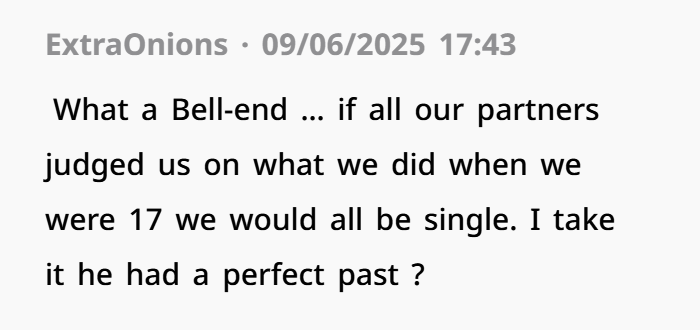
If her partner could react so strongly to one teenage kiss, what did that mean for the trust between them?
And why did he believe that a past experience with another girl should change how he felt about her today?
Was her partner being unfair by judging her over a kiss from years ago, or was he entitled to feel uncomfortable about what he had learned?
Strengthen the opening hookRemove repetitive sentences
A kiss at a teenage party might seem like a small thing. But for this woman, something that happened when she was 17 has now become a serious problem in her relationship.
She told her partner about kissing a female friend years ago. She didn’t expect him to get upset or start questioning her feelings.
Yet that’s exactly what happened.
The real issue isn’t just the kiss. It’s how her partner reacted and what his behavior could mean for their future together.
A Teenage Kiss Doesn’t Define Someone’s Identity
Being a teenager often means trying new things, making mistakes, and learning more about yourself.
At 17, many people are still figuring out their feelings, friendships, and relationships.
Sometimes, that includes kissing someone out of curiosity or simply enjoying a moment.
That doesn’t mean one experience has to define a person’s identity for the rest of their life.
In this woman’s case, she kissed a female friend at a party.
It happened years before her current relationship began.
She doesn’t see that moment as something that changes who she is today.
And there’s no reason to assume that one kiss tells the full story of someone’s sexual orientation.
Only she can decide how she understands and describes her own feelings.
Why Did Her Partner React So Strongly?
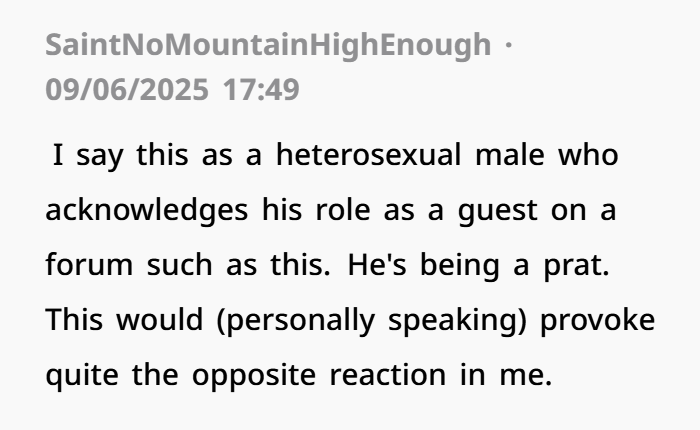
Her partner’s reaction seems to go beyond what happened at the party.
After learning about the kiss, he became distant and upset.
He later admitted that he felt uncomfortable with the idea that she might be bisexual.
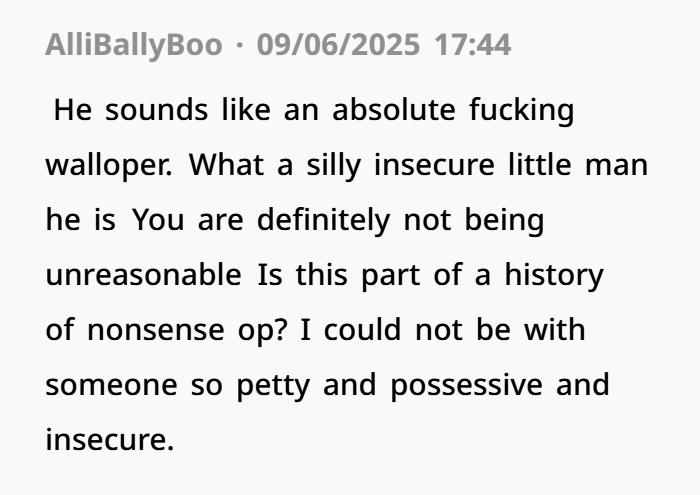
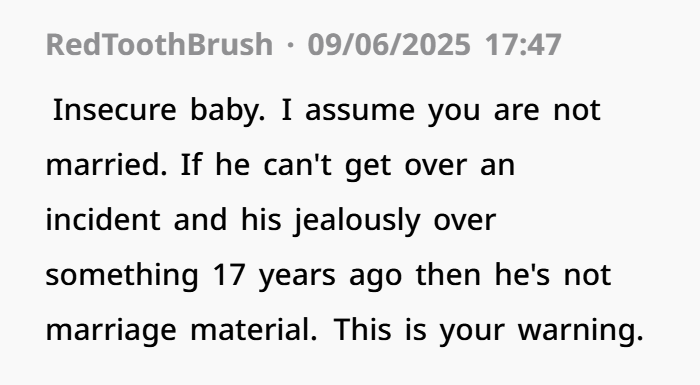
One possible reason for his reaction is insecurity.
He may be worried that his partner could feel attracted to someone else, even though she hasn’t given him a reason to doubt her loyalty.
Instead of focusing on the fact that she has chosen to be with him, he may be thinking about people he sees as possible competition.
But being in a relationship doesn’t mean a person has never found anyone else attractive.
What matters is how someone treats their partner and whether they respect the promises they’ve made.
A healthy relationship needs trust.
Without it, even harmless details from the past can turn into arguments.
The Problem With Making Assumptions About Bisexuality
Another concern is how her partner seems to understand bisexuality.
Some people believe that kissing someone of the same sex automatically means a person is bisexual.
Others assume that bisexual people are more likely to cheat or struggle with commitment.
Those beliefs are unfair.
One kiss doesn’t prove someone’s sexual orientation.
And being bisexual doesn’t mean a person is less capable of staying loyal to a partner.
Someone can be attracted to more than one gender and still choose to remain faithful in a committed relationship.
Loyalty comes from a person’s choices, honesty, and respect for their partner.
It isn’t decided by gender or sexual orientation.
The woman hasn’t said that she wants to be with anyone else.
She simply shared something from her teenage years.
Her partner’s fears shouldn’t be treated as proof that she has done anything wrong.
Why His Silence Made Things Worse
The way her partner handled the conversation also matters.
According to her account, he became distant after hearing about the kiss.
He stopped speaking to her for a time and seemed unwilling to discuss what was bothering him.
Later, he returned to the subject with more questions and criticism.
That left her feeling confused and hurt.
Sometimes, people need a little space after an upsetting conversation.
Taking time to think isn’t necessarily a problem.
But there’s a difference between asking for space and using silence to punish someone.
When a partner suddenly stops talking without explaining why, the other person may begin to worry.
They might wonder what they did wrong or feel pressured to apologize just to restore peace.
Over time, that pattern can damage trust.
A better approach would be to explain the concern calmly.
For example, he could tell her that the conversation brought up feelings he hadn’t expected.
That would give both of them a chance to talk without turning the situation into a fight.
When Overthinking Creates More Problems
Another issue is how her partner appears to be reading into small details.
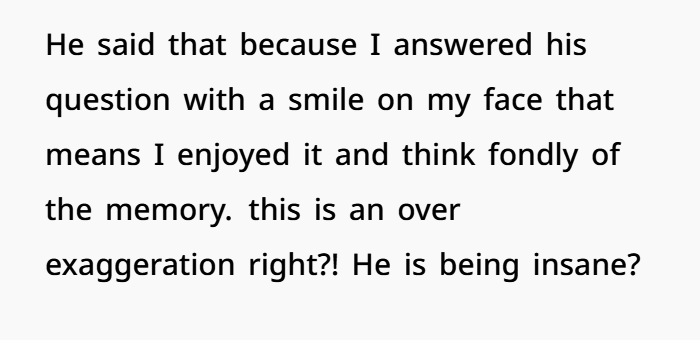
He may be watching her facial expressions, questioning her reactions, or looking for signs that she hasn’t told him everything.
But facial expressions don’t always mean what someone thinks they mean.
A person might smile because they’re nervous.
They might look uncomfortable because they feel judged.
And they might struggle to answer a question because they don’t understand why it’s being asked.
When someone is already worried, they may begin seeing ordinary behavior as proof of their fears.
That can lead to even more questions and suspicion.
In this case, the woman has already explained what happened.
If her partner keeps searching for hidden meanings, the conversation may never feel settled.
Trust requires accepting that a partner can tell the truth without having to defend every small reaction.
Why the Kiss Isn’t the Biggest Problem
The woman hasn’t described cheating or breaking an agreement with her partner.
She kissed someone when she was 17, long before their relationship began.
Yet she now feels as though she has to defend herself.
That changes the focus of the disagreement.
Instead of talking about why her partner feels uncomfortable, the conversation becomes about whether she has done something wrong.
And that can create an unfair situation.
She may begin feeling responsible for calming his fears, even though she hasn’t betrayed his trust.
It’s reasonable for someone to have questions about a partner’s past.
It’s also reasonable to feel surprised by something they didn’t know.
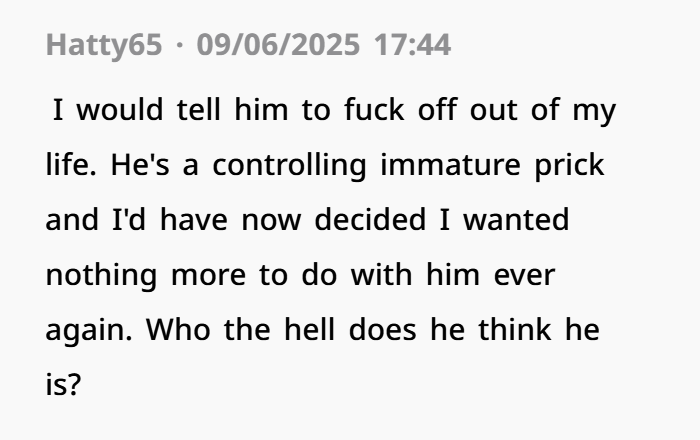
But surprise doesn’t give someone the right to shame their partner or keep bringing up the past as a reason to distrust them.
Both people need to take part in solving the problem.
She can listen to his concerns.
He also needs to listen to her explanation and respect how she understands her own experience.
Can She Help Him Feel More Secure?
When someone you love feels insecure, it’s natural to want to comfort them.
The woman may want to remind her partner that she loves him and wants to be with him.
There’s nothing wrong with offering that support.
But she can’t take full responsibility for his feelings.
If he believes that a teenage kiss makes her less trustworthy, he needs to question that belief.
Repeatedly asking her to explain the same event may not make him feel better.
It could leave both of them frustrated.
A healthier conversation would focus on what is bothering him now.
Is he worried about loyalty?
Does he misunderstand what bisexuality means?
Or does he simply feel uncomfortable because the information was unexpected?
Once he understands his concern, he can talk about it without blaming her.
If they continue struggling, speaking with a couples counselor may help them communicate more clearly.
But any effort to improve the relationship needs to come from both sides.
What Healthy Trust Looks Like
Strong relationships aren’t built on knowing every detail of someone’s past.
They’re built on how two people treat each other in the present.
That means being honest, respecting boundaries, and allowing each other to have experiences before the relationship began.
It also means being able to discuss difficult subjects without fear of punishment or judgment.
A partner should feel safe answering an honest question.
They shouldn’t have to worry that sharing an old memory will change how they’re treated.
In this story, the woman trusted her partner enough to tell him about the kiss.
Now, she may be wondering whether she can be just as open with him in the future.
That’s a concern worth taking seriously.
If every honest answer leads to suspicion, communication can become harder over time.
Final Thoughts
This situation began with a simple question about the woman’s past.
She answered honestly and shared a brief experience from when she was 17.
But her partner’s reaction turned that memory into a much bigger relationship problem.
He may feel confused or uncomfortable, and those feelings are worth discussing.
However, his discomfort doesn’t mean she has done something wrong.
A kiss from years before their relationship doesn’t make her less loyal, and it doesn’t give her partner a reason to question her commitment without other evidence.
What matters now is whether they can talk about the issue with honesty and respect.
The woman deserves to feel accepted without having to defend a harmless part of her past.
Her partner also has a chance to understand his feelings and decide how to handle them in a healthier way.
In the end, the biggest question isn’t why she kissed a friend at 17. It’s whether her partner can accept her past without allowing it to damage their present.
Tighten repetitive relationship analysisAdd a clear reader-focused conclusionrow stronger through understanding and respect, not blame or fear.