AITA for Losing My Temper With My Mother-in-Law After 10 Years of Built-Up Resentment?
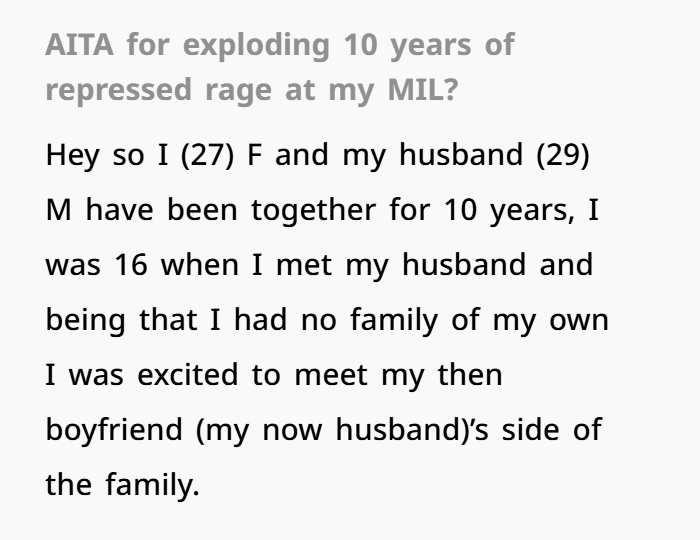
You were just 16 when you entered this relationship. You were still young, figuring out life, and hoping to find your place in a new family.
From the start, you did everything you could to get along with your husband’s family.
You learned their language, cooked their traditional dishes, and tried to understand their customs. You wanted them to see that you cared and truly wanted to belong.
But instead of feeling welcomed, you often faced harsh words, hurtful jokes, and constant judgment.
No matter how hard you tried, you still felt like an outsider.
You kept quiet for years, hoping things would change. But every rude comment and unfair remark added to the hurt you were already carrying.
Then something happened that brought those feelings rushing back.
You watched someone from a similar background receive the warmth and kindness you had wanted for so long.
Seeing that difference hurt more than you expected. It made you question why your efforts had never been enough.
After 10 years of holding back your feelings, you finally lost your temper and let out everything you had kept inside.
Now you’re left wondering whether you went too far.
Were you wrong for confronting your mother-in-law after years of feeling rejected, or was your anger a natural response to how you had been treated?
Let’s look at what led to this moment and why family conflicts like this can become so painful.
After 10 Years of Being Mistreated, She Finally Reached Her Breaking Point, and Things Got Ugly
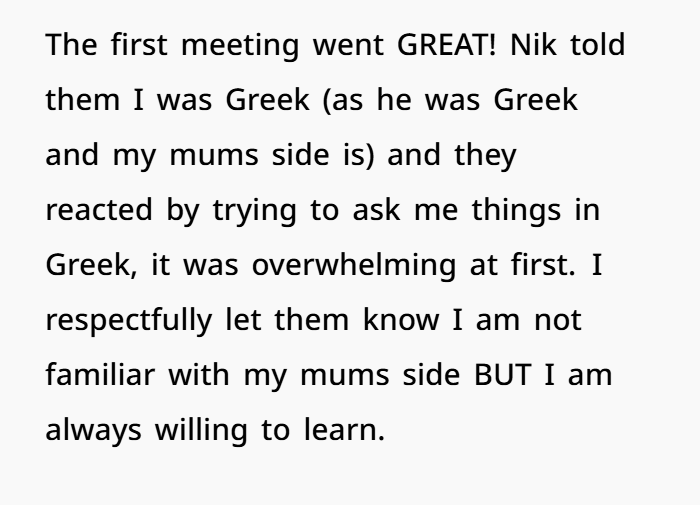
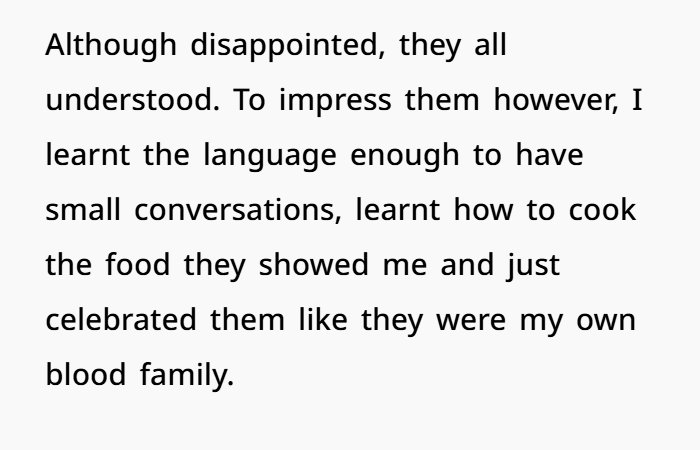
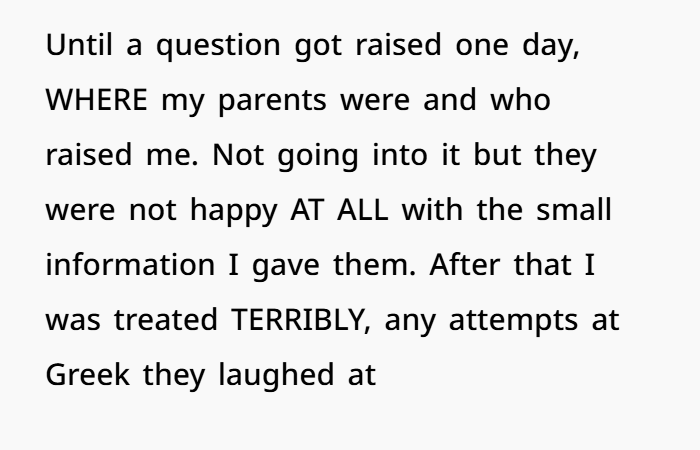
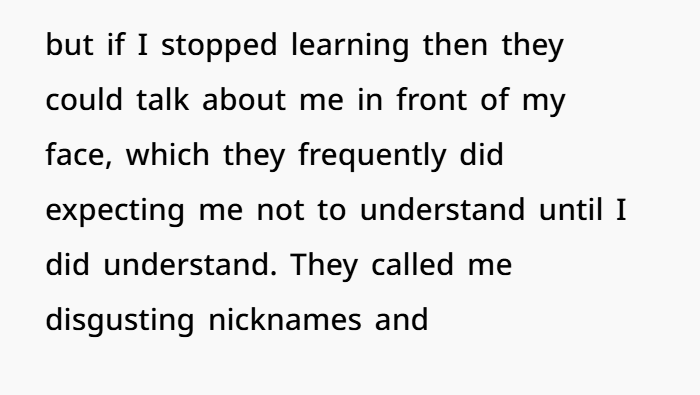
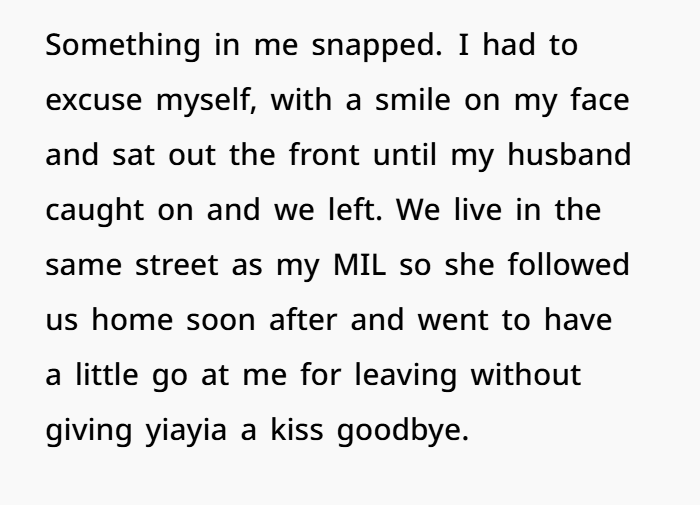
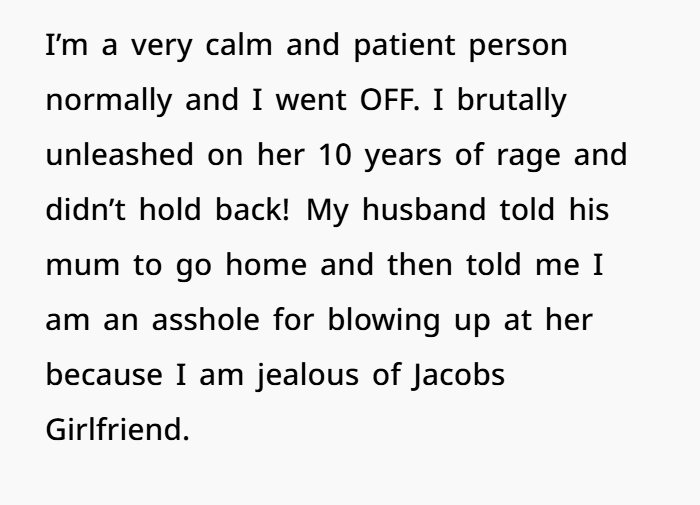
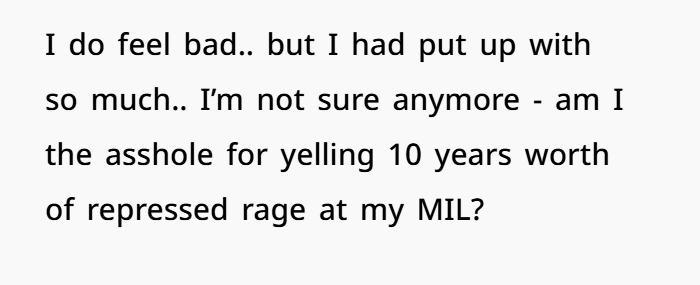
This wasn’t just another argument between a woman and her mother-in-law. It was the result of 10 years of hurt, anger, and feeling unwanted.
When someone faces rude comments and unfair treatment for years, the pain doesn’t always fade. Sometimes, it builds until even a small event can bring everything to the surface.
That’s what seems to have happened here.
Advertisement – Continue Reading Below
To understand why she finally lost her temper, we need to look beyond that one argument.
1. Years of Hurt Can Push Someone to Their Breaking Point
Think of emotional pain like water filling a glass.
One rude comment adds a little water. Another hurtful joke adds more. After years of the same treatment, the glass eventually overflows.
That’s how anger can build when someone keeps their feelings inside.
For 10 years, this woman says she dealt with:
- Hurtful jokes about her background
- People laughing at her efforts to learn their culture
- Family members talking behind her back
- Being blamed for things she hadn’t done
- Feeling left out and unwanted
Each experience may have seemed small to the people around her. But for someone facing them again and again, the pain can become hard to bear.
She tried to fit in. She learned the language, cooked the food, and showed respect for family customs.
Yet she still felt like she wasn’t good enough.
When people face this kind of treatment for years, they may begin to feel angry, helpless, or resentful.
So when she finally snapped, her anger wasn’t just about what happened that day.
It was tied to everything she had kept inside for a decade.
2. Seeing Someone Else Accepted Brought Back Old Pain
One of the hardest moments came when she saw another woman being welcomed into the family.
Jakob’s girlfriend came from a similar background, yet the family treated her with warmth and kindness.
For someone who had spent years trying to earn that same treatment, watching this happen was painful.
She had worked hard to learn their customs and become part of their lives. But she never felt truly accepted.
Then someone else seemed to receive that welcome without facing the same struggles.
It’s easy to see why this brought back painful memories.
The issue wasn’t that she wanted the other woman to be treated badly.
She wanted to know why she had never received the same kindness.
That difference may have made her question everything she had done over the past 10 years.
Was she ever going to be accepted? Had all her efforts meant nothing?
Those questions can hurt, especially when someone has spent years trying to prove they belong.
What looked like jealousy from the outside may have been a much deeper feeling of rejection.
3. Losing Your Temper Doesn’t Mean Your Feelings Are Wrong
Most people have said something in anger that they later wished they had handled differently.
When emotions build for years, staying calm can become harder.
This woman had spent a long time keeping her feelings to herself. She may have hoped that staying quiet would help keep peace in the family.
But silence doesn’t always solve a problem.
Sometimes, it allows hurt and anger to grow.
When she finally confronted her mother-in-law, those feelings came out all at once.
Her reaction may have been harsh, but that doesn’t mean her pain wasn’t real.
There is a difference between feeling angry and choosing how to express that anger.
Being angry doesn’t make someone a bad person. But anger can still lead to words that hurt others.
She had reasons to feel upset about how she was treated. At the same time, shouting may not have been the best way to make herself heard.
Understanding why she snapped doesn’t mean every part of her reaction was right.
It means looking at the full story instead of judging her based on one moment.
4. Her Mother-in-Law Following Her Home Made Things Worse
After the gathering became uncomfortable, the woman and her husband decided to leave.
Walking away from a tense situation can be a good way to avoid an argument.
Sometimes, people need space before they can talk calmly.
But according to her account, her mother-in-law followed them home.
She was upset because they had left without saying goodbye properly.
Under normal circumstances, that might have been a small family disagreement.
But after years of tension, it became something much bigger.
The woman had already reached her limit. She wanted to leave the gathering and get away from the stress.
Instead, the conflict followed her home.
That may have made her feel cornered and unable to escape the argument.
Her mother-in-law may have wanted an explanation, but the timing made things worse.
When someone walks away because they’re upset, giving them space can prevent a bad situation from becoming worse.
Following them and demanding answers may only add to the pressure.
In this case, the confrontation appears to have been the final push that caused years of anger to come out.
5. Was Her Husband Right to Call It Jealousy?
After the argument, her husband suggested that she was jealous of Jakob’s girlfriend.
From his point of view, the timing may have made it seem that way.
She saw another woman being welcomed into the family and became upset.
But there’s more to the story than that.
Her anger may not have been aimed at the girlfriend at all.
She wasn’t upset because someone else was being treated kindly. She was hurt because she had spent years hoping for that same kindness.
There is an important difference.
Imagine spending 10 years trying to earn someone’s respect, only to watch them give it freely to someone else.
That could make anyone question why they had been treated so differently.
Her husband’s response may have made her feel even more alone.
Instead of hearing why she was hurt, she may have felt that he was judging her reaction.
Of course, he may have seen the family conflict differently. He may not have understood how deeply those past events affected her.
But calling her jealous doesn’t address the real problem.
A better conversation would focus on what happened over those 10 years and why she still feels rejected.
Both partners need to understand each other’s feelings if they want to move forward.
6. What Should Happen After Such a Big Argument?
Losing your temper after years of frustration can bring some relief.
For the first time, this woman may have felt that she had finally said everything she wanted to say.
But one angry argument won’t erase 10 years of hurt.
The real challenge comes afterward.
She now has to decide what kind of relationship she wants with her husband’s family.
There are a few steps that may help.
Talk to her husband about the past
Instead of focusing only on the argument, she can explain the events that led to it.
Her husband needs to understand why those years were painful for her.
Set clear limits with her mother-in-law
She doesn’t have to accept rude jokes, insults, or unfair treatment to keep the family happy.
She can make it clear that she expects to be treated with respect.
Take space when needed
If family gatherings continue to cause stress, spending less time together may help.
Distance doesn’t always mean cutting someone out of your life. Sometimes, it gives everyone room to calm down.
Find a healthier way to handle the anger
Talking with a trusted person or therapist may help her work through the pain.
She has carried these feelings for a long time, and she doesn’t have to deal with them alone.
Decide whether the relationship can improve
Repairing a family bond takes effort from both sides.
If her mother-in-law is willing to listen and change how she treats her, there may be a chance to rebuild trust.
But if the hurtful behavior continues, stronger boundaries may be needed.
7. So, Was She Wrong for Finally Snapping?
This is where the story becomes difficult to judge.
On one hand, she spent 10 years trying to be accepted by her husband’s family.
She learned their language, respected their customs, and made an effort to build a close bond.
In return, she says she faced jokes, judgment, and rejection.
It’s understandable that she felt hurt and angry.
On the other hand, losing her temper may have made the family conflict worse.
Harsh words can cause more pain, even when they come from someone who has been mistreated.
So was she wrong?
She wasn’t wrong for being hurt or wanting to stand up for herself. But she may have handled her anger in a way that made things harder.
Her mother-in-law’s past behavior shouldn’t be ignored simply because the woman finally reacted.
At the same time, the woman can reflect on how she expressed her feelings without taking the blame for everything that happened.
The bigger issue is that the family conflict went on for years without being resolved.
If those problems had been addressed earlier, this argument might never have happened.
In the end, she doesn’t have to keep accepting hurtful treatment just to maintain peace.
But moving forward will take more than one angry confrontation.
After 10 years of feeling unwanted, the most important question is whether her husband’s family is finally willing to listen and treat her with respect.rward, communicate, and work through the deeper issues behind the conflict.
“She left crying”: the woman gave some more info when prompted


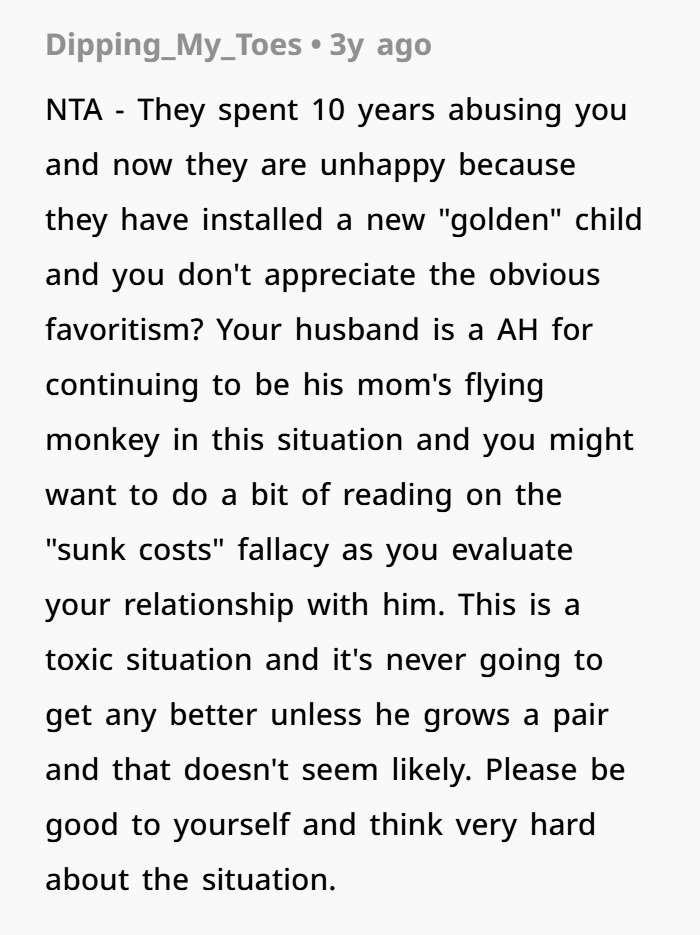
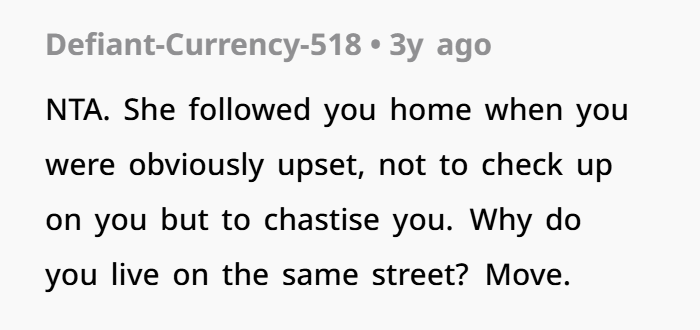


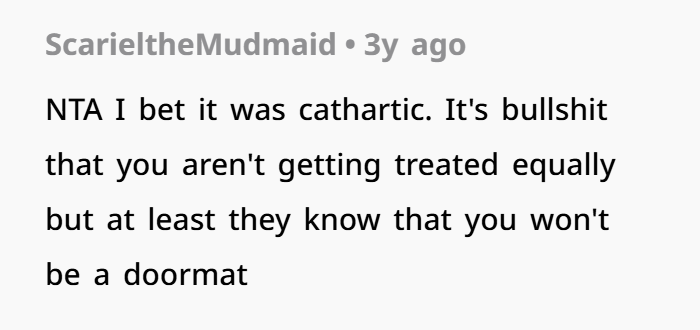
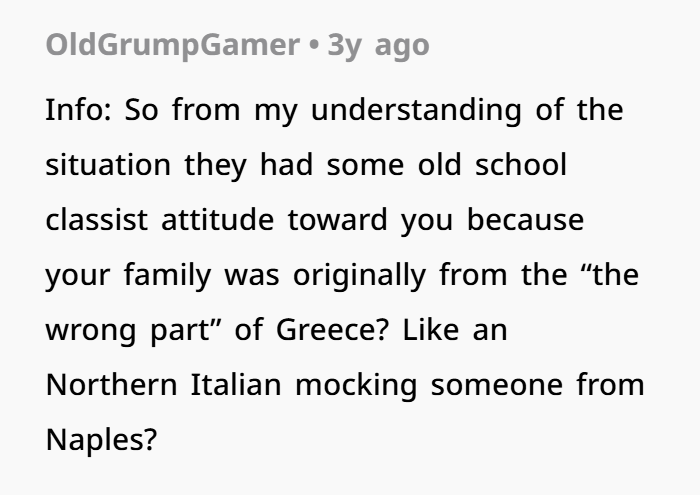
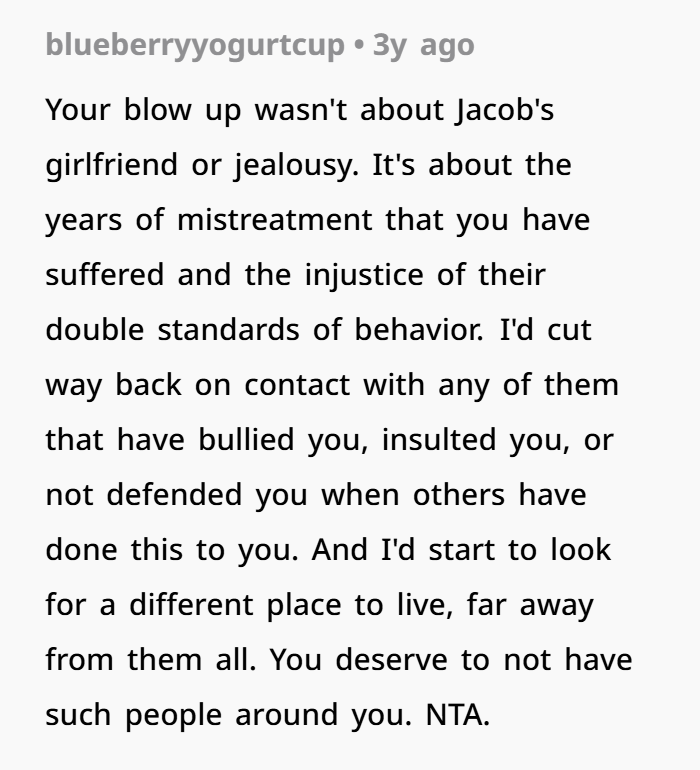
Your anger wasn’t just about your mother-in-law. It came from 10 years of feeling rejected, judged, and unwanted.
You spent years trying to earn her respect and become part of the family. All you wanted was to feel accepted and treated with kindness.
But those needs were never fully met, and the hurt kept growing.
You had every right to feel upset and speak up about how you were treated. Standing up for yourself doesn’t make you a bad person.
Still, how you handle those feelings matters.
Now is the time to set clear boundaries, talk openly with your husband, and decide what kind of relationship you want with his family.
You can’t change the past, but you can choose how to move forward.
Healing doesn’t mean pretending the hurt never happened. It means learning from it, protecting your peace, and refusing to let years of anger control your future.