I (28M) Just Found Out My 5-Year-Old Son Isn’t Mine, and My Wife (27F) Is Using Him to Stop Me From Leaving Her. What Should I Do?
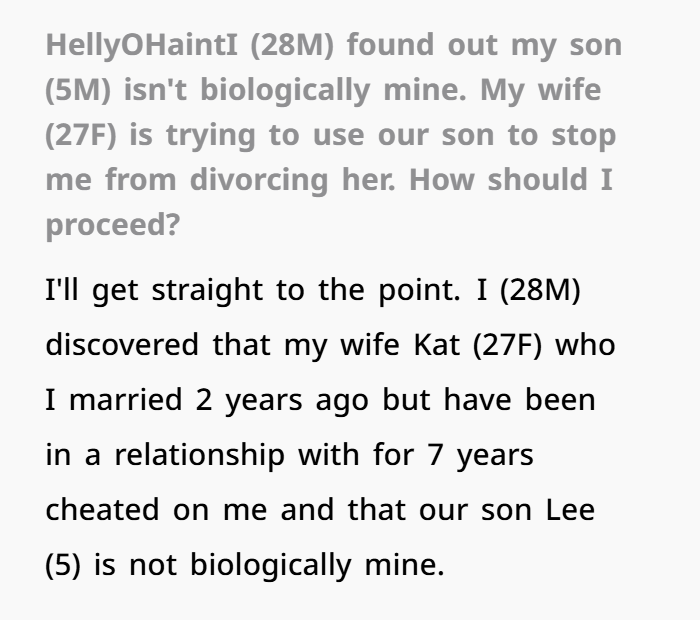
A 28-year-old man has decided to end his marriage after discovering that the 5-year-old boy he raised as his son is not biologically his.
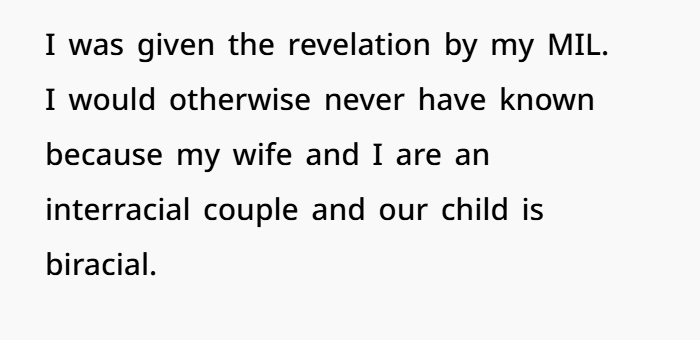
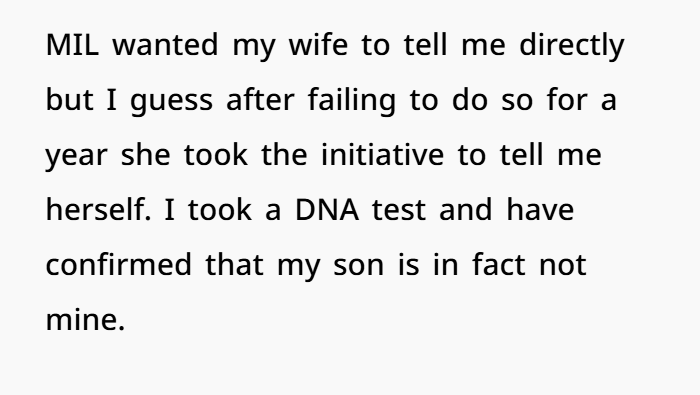
The truth came to light when his mother-in-law revealed that his wife had admitted to having an affair years earlier. She had never told her husband about it. Troubled by the news, he took a DNA test, which confirmed that he was not the child’s biological father.
The couple had been together for seven years and married for two. The discovery left the man heartbroken and struggling to accept what had happened. He says his feelings toward his wife have changed completely. He is also finding it difficult to deal with his emotions toward the boy he always believed was his son.
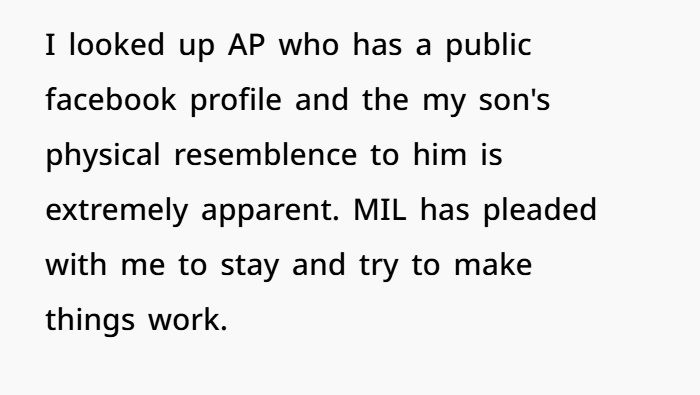
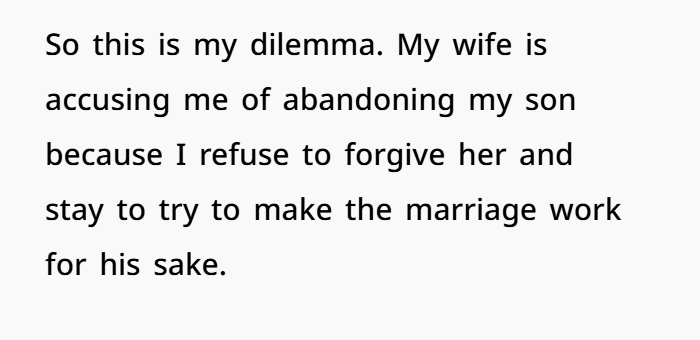
His wife, however, does not want the marriage to end. She has asked him to give their relationship another chance. She fears that breaking up the family will hurt their son and hopes they can find a way forward together.
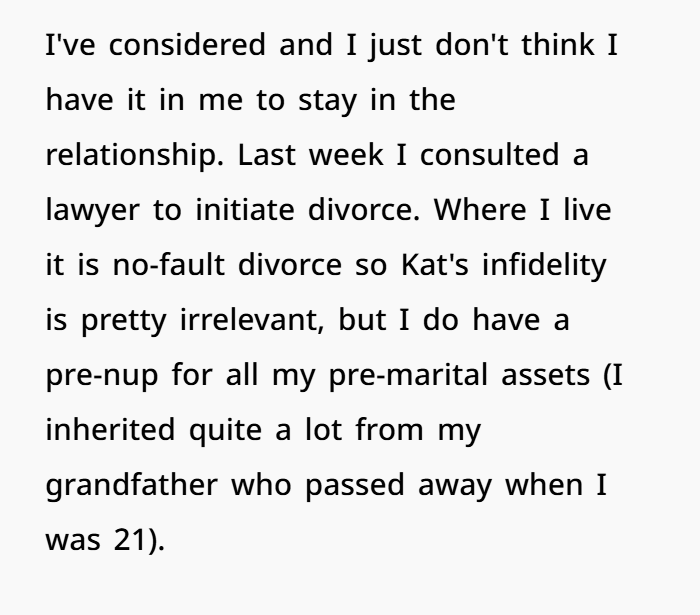
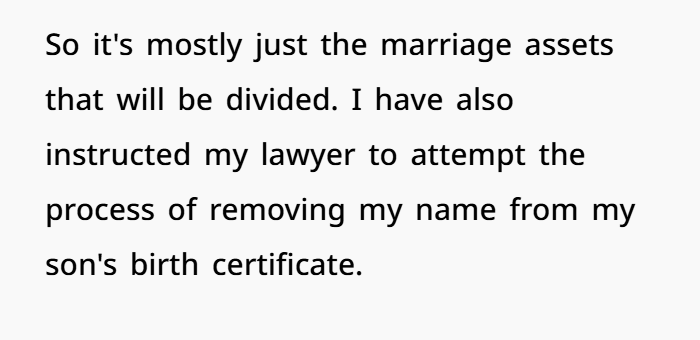
But the man says he cannot move past the betrayal. He plans to continue with the divorce and explore whether he can legally give up his duties as the child’s father.
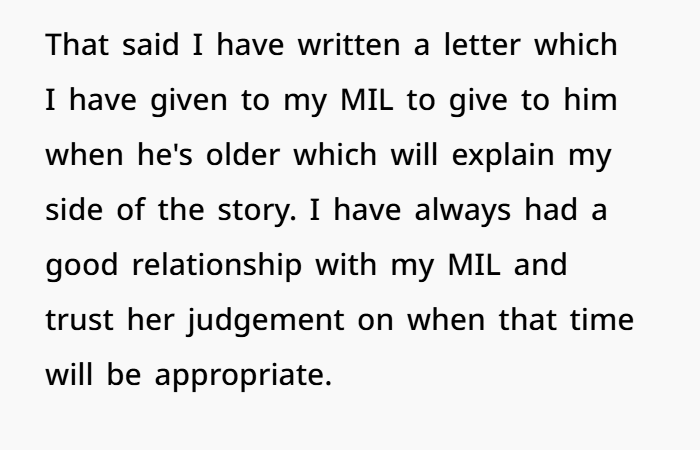
Despite wanting to step away from raising the boy, he does not intend to leave him without financial help. He plans to create a trust fund that will provide support for the child’s future.
The divorce is moving forward under a no-fault system, meaning neither spouse needs to prove wrongdoing to end the marriage. The couple also has a prenuptial agreement that may help protect the man’s personal assets.
Still, the hardest part of this situation goes beyond money and legal matters. For five years, the boy has known this man as his father. Now, that relationship could change because of something the child had no part in.
The man feels he has lost the trust that held his marriage together. His wife wants to save their family, while their young son faces the possibility of growing up without the father he has always known.
The story raises a painful question: Can learning that a child is not biologically yours change the love and bond built over years of raising them?







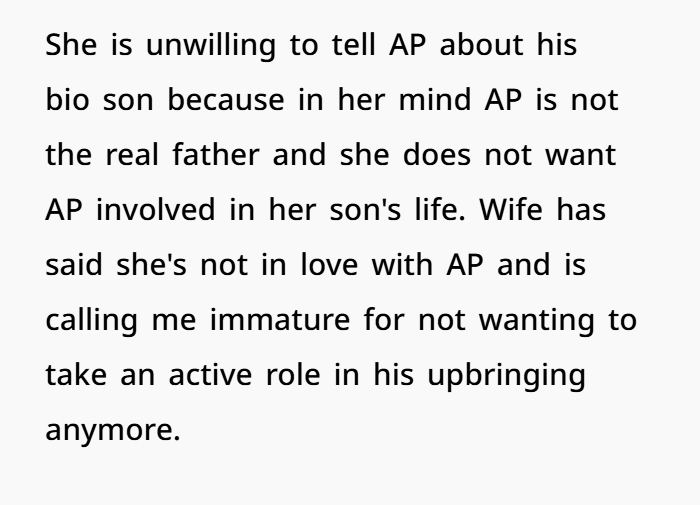

This case is about more than a failed marriage. It involves a dispute over fatherhood, a painful divorce, and a family bond built over several years.
1. Biological Father vs. Legal Father
Being a child’s biological father is not always the same as being their legal father.
A biological father shares a genetic link with the child. A legal father has rights and duties under the law.
Even when a DNA test proves there is no biological link, the man may still be the legal father. This can happen if his name appears on the birth certificate or he was married to the child’s mother when the child was born.
In some places, the law also considers whether he accepted the child as his own.
Ending legal fatherhood is not always simple. A DNA test alone may not be enough. The man may need to go to court and seek help from a family lawyer.
Advertisement – Continue Reading Below
Courts also consider what is best for the child before making a decision.
2. The Bond Between a Father and Child
A father-child bond is not always based on blood.
Some family courts recognize the idea of a “psychological parent.” This refers to someone who has raised, cared for, and formed a close bond with a child.
For five years, this man believed the boy was his son. He likely played an important role in the child’s daily life.
Even though they are not related by blood, the child may still see him as his father.
In some cases, courts may allow someone in this role to remain involved in the child’s life. They may consider how losing that bond could affect the child’s well-being.
However, these rights depend on the laws where the family lives.
3. Divorce and Protecting Personal Assets
The couple is going through a no-fault divorce. This means neither spouse needs to prove that the other caused the marriage to fail.
In many places, cheating does not directly decide how property is divided. However, the rules vary by location.
Courts may look at which assets belonged to each person before marriage and which were gained during it.
The couple also has a prenuptial agreement. If the agreement is valid, it may help the husband protect some of his personal assets.
Still, matters involving the child are usually handled apart from property disputes.
A prenuptial agreement does not normally allow parents to avoid legal child support duties.
4. The Emotional Pain of Discovering the Truth
Finding out that a child is not biologically yours after raising them for years can be deeply painful.
For this man, the discovery has changed how he sees his marriage and family.
He trusted his wife and believed he was raising their biological son. Learning about the affair and the child’s true parentage has left him feeling betrayed.
Such an experience can bring anger, sadness, confusion, and a deep loss of trust.
It can also affect the bond between a parent and child, even when the child has done nothing wrong.
Speaking with a therapist may help someone work through these feelings before making lasting choices.
5. The Child’s Future and the Father’s Decision
One of the hardest parts of this case is how the divorce may affect the 5-year-old boy.
The husband wants to leave the marriage and step away from daily parenting. His wife wants to keep the family together because she fears the child will suffer.
Meanwhile, the boy may not understand why the man he has always known as his father suddenly wants to leave.
Family courts often place great weight on a child’s safety, stability, and emotional needs.
Depending on the law and the facts of the case, this may involve keeping contact with a familiar parent or arranging visits that help the child adjust.
The man has said he wants to create a trust fund for the boy, even if he no longer raises him. However, this may not replace any child support duties required by law.
The situation leaves everyone facing painful choices.
The husband must decide how to move forward after losing trust in his wife. The wife faces the end of her marriage, while the child may lose the daily presence of the only father he has known.
The biggest question is whether discovering the truth about biological fatherhood should change the bond built through years of love and care.
There is no simple answer. The legal outcome will depend on local laws, while the emotional impact may last much longer.
See the comments to know what people said


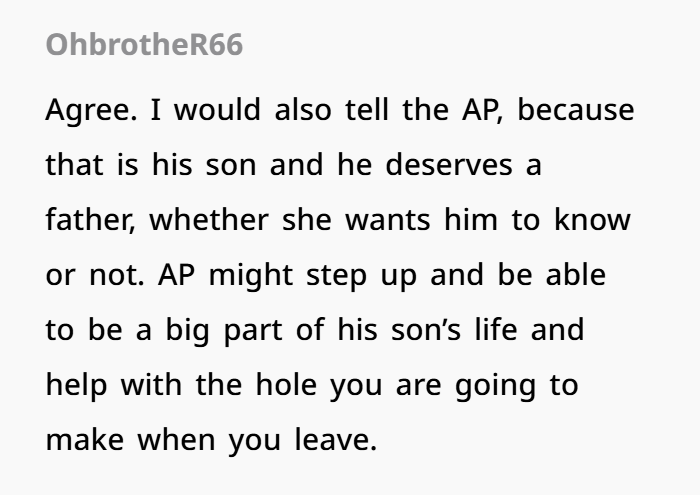





This story shows how painful and difficult family disputes can become when questions about fatherhood, divorce, and emotional bonds arise.
Even when a DNA test proves that a man is not a child’s biological father, the law may still consider the years he spent raising the child. Courts may also look at the bond they share and how a sudden separation could affect the child’s well-being.
Because of this, such cases are not always settled by DNA results alone. They may require a court process to decide legal rights and duties. Counseling or therapy can also help families cope with the emotional pain and changes that follow.