I Told My Parents I Hate Them After Years of Hurt — Did I Go Too Far?
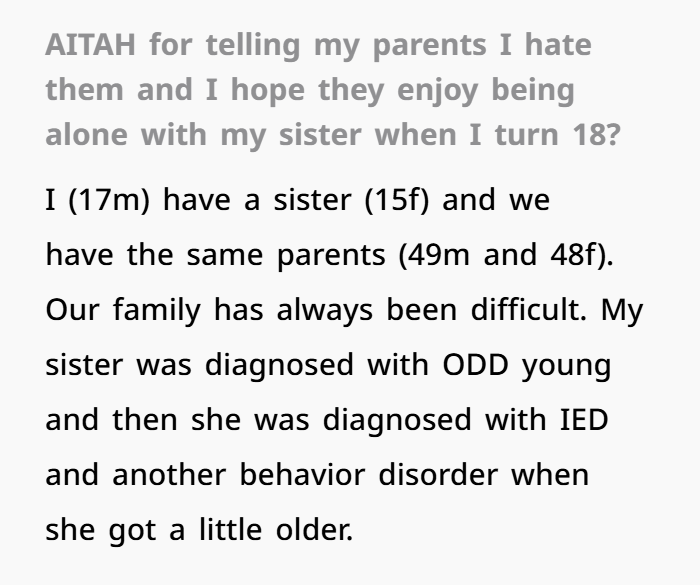
A 17-year-old boy shared a painful story about growing up in a home affected by his sister’s serious behavioral challenges.
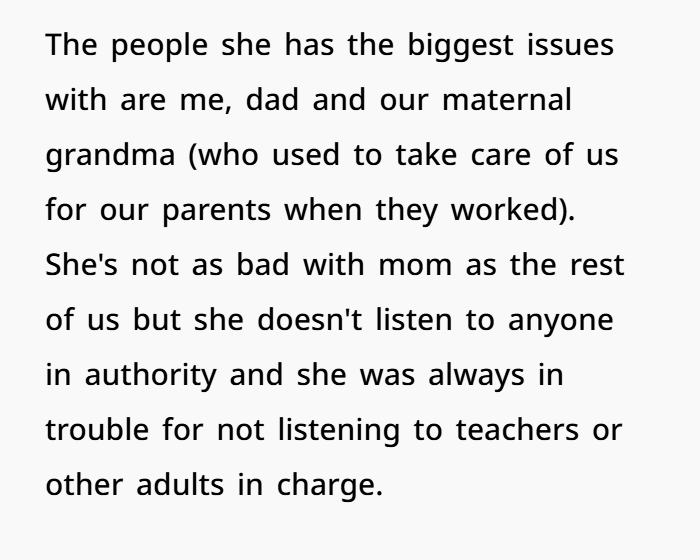
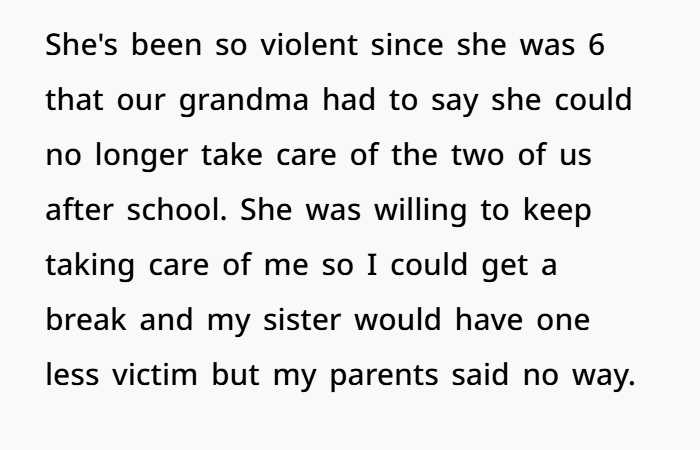
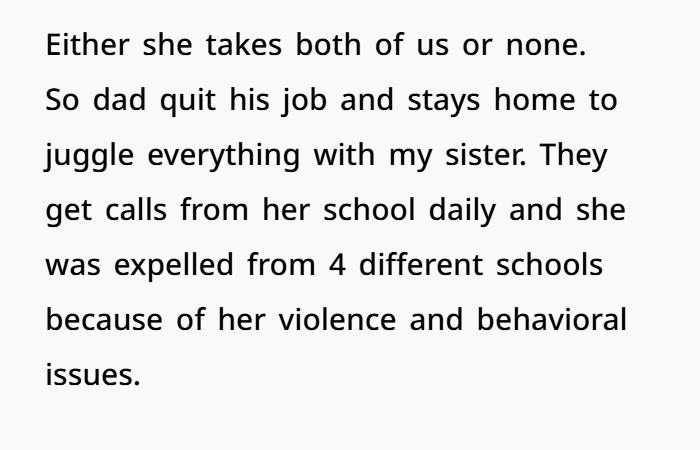
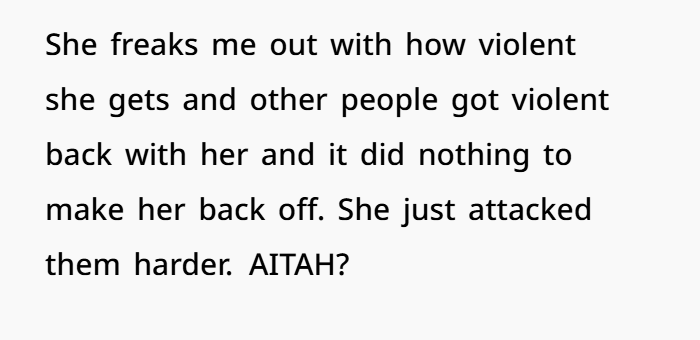
According to his account, his 15-year-old sister was diagnosed with several behavioral disorders and has struggled with aggression for many years.
He said that he, his father, and his maternal grandmother have often been affected by her outbursts. Despite attempts to seek help through schools, evaluations, and behavioral programs, he feels that the situation at home has continued to be difficult.
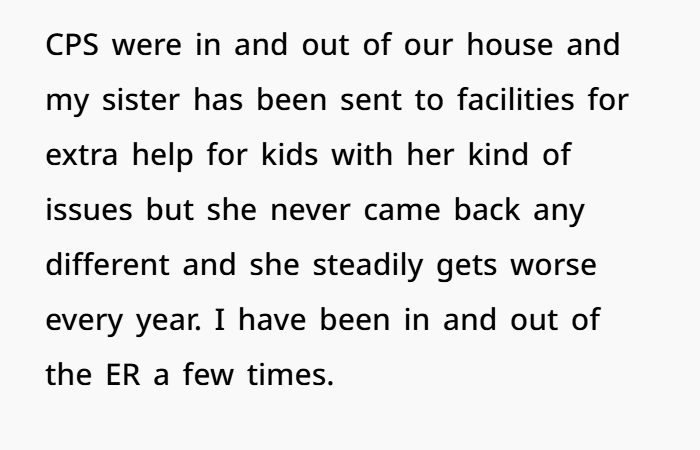
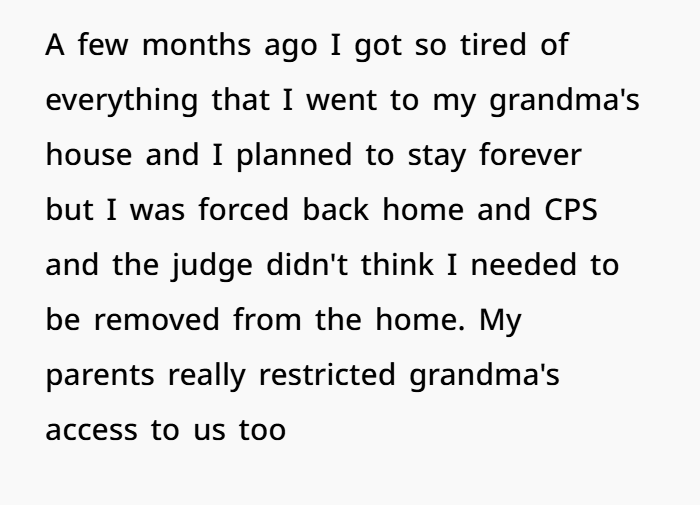
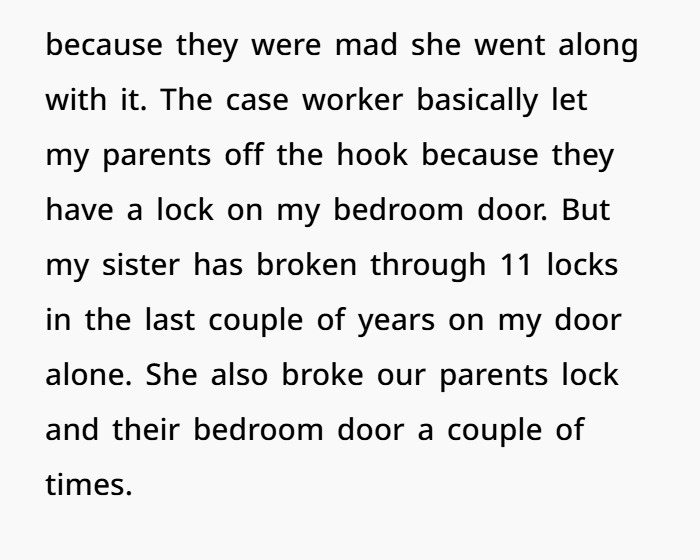
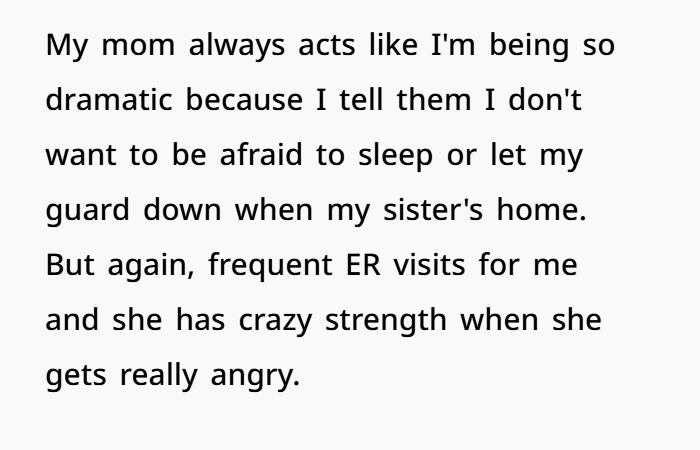
Over time, he said the conflict affected his own safety and emotional well-being. He experienced repeated injuries and needed emergency medical care. At one point, he stayed with his grandmother because he did not feel safe at home. Later, he returned after authorities determined that safety steps had been put in place.
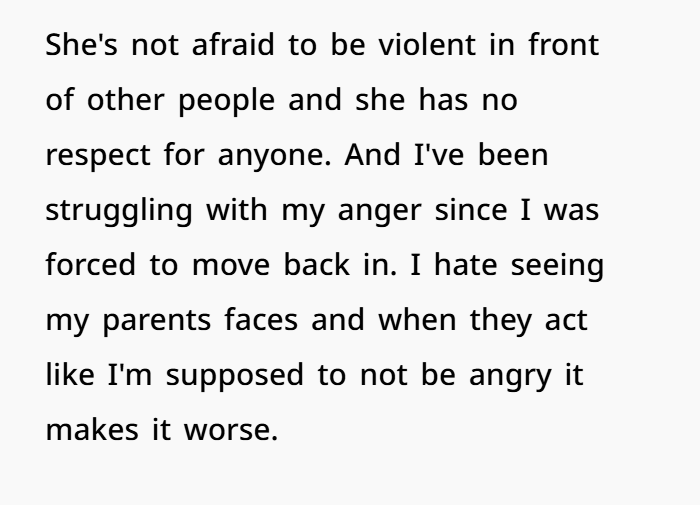
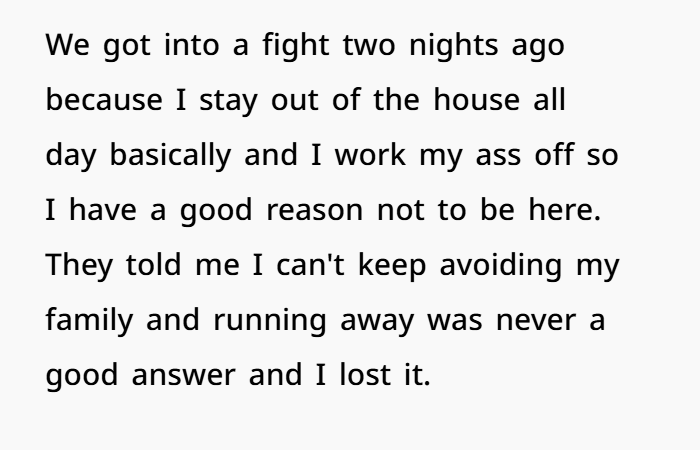
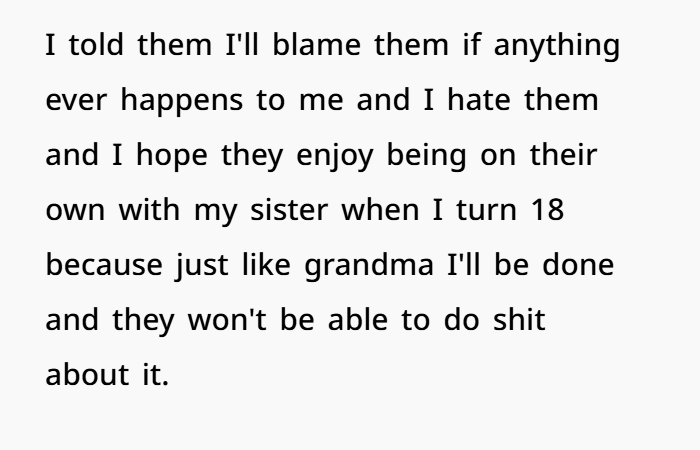
A major conflict happened when his parents questioned why he avoided being at home and struggled emotionally. After years of stress and frustration, he expressed feelings he had kept inside for a long time. He told his parents that he hated them and planned to cut contact once he became an adult.
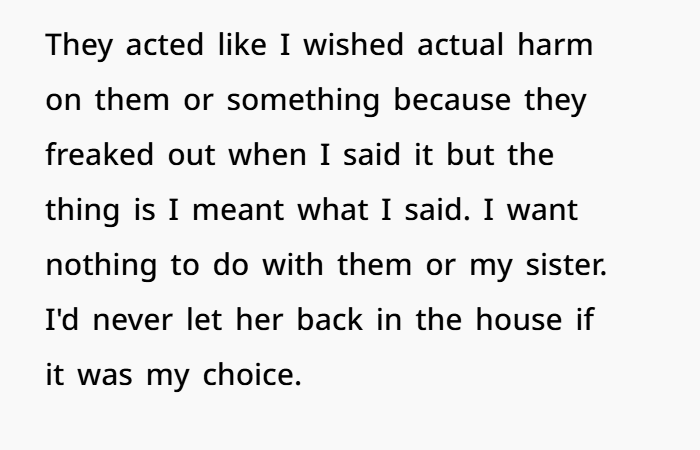
His parents were hurt and surprised by his words, believing he was expressing extreme anger toward them.
However, the situation reveals deeper concerns about family stress, mental health challenges, safety, and the emotional impact of living in a home affected by ongoing conflict.
His parents do not see the situation in the same way. They believe he is overreacting by wanting to move out and view his decision as unnecessary or dramatic.
Your feelings are real. They are not simply a teenage reaction or an overdramatic response. Living in a home filled with fear, stress, and emotional pain can deeply affect how someone views their family and future.
People often dismiss young people’s emotions by saying they are too young to understand hardship or that they will change their minds later. However, ongoing stress and repeated harm can leave lasting effects.
When someone spends years feeling unsafe or ignored, those feelings do not disappear overnight. Moving out or becoming an adult may change the situation, but the emotional impact can take time to understand and heal.
What Happens When Someone Lives With Fear Every Day
Growing up in a home where you feel physically unsafe can change how your mind responds to the world. It is not only emotional. Long periods of fear and stress can affect how a person reacts to danger.
Mental health professionals often describe this as a trauma response. It can feel like always expecting something bad to happen, avoiding conflict, and staying alert at all times.
For someone living through this, it may look like:
- Feeling nervous when someone moves suddenly
- Struggling to sleep because of fear about what may happen next
- Always staying alert
- Feeling like normal moments can quickly become stressful
These reactions are not simply signs of being dramatic. Long-term exposure to fear and stress can affect emotional and mental health.
Repeated stressful experiences can lead to feelings of anxiety, anger, exhaustion, or emotional shutdown. These reactions can develop as ways of coping with a difficult environment.
The Challenges of Getting Help
Another important part of this story is the feeling that support systems did not fully solve the problem.
Advertisement – Continue Reading Below
When outside agencies become involved, they may take steps to check safety and create solutions. However, safety is about more than a single measure or short visit.
A locked door or safety plan may help in some ways, but it may not remove the fear someone experiences every day.
Family situations involving sibling aggression can be difficult to address. The full impact of ongoing stress may not always be visible to people who only see a small part of what is happening.
Being allowed to return home does not mean the situation was not serious. It may mean that others did not fully understand what daily life felt like for the person involved.
Why the Anger May Be Toward the Parents
The anger in this situation may not only be about the sister’s behavior. It may also come from feeling that the adults did not provide enough protection or support.
A parent can try to help one child while still missing the needs of another. Supporting a child with serious struggles should not mean ignoring the safety and emotional needs of other family members.
The parents may believe they made the best choices they could. However, good intentions do not always prevent someone from feeling hurt.
When someone feels ignored for a long time, anger can become a way of expressing deep pain.
Strong Words Can Come From Deep Hurt
People under extreme emotional pressure sometimes say things like “I hate you” or “I never want to see you again.”
To someone outside the situation, those words may sound harsh. However, they can also be expressions of exhaustion and a need to be heard.
Sometimes the message behind those words is:
“I cannot handle this anymore.”
“I do not feel safe.”
“I need space.”
Strong emotions do not always mean someone wants to cause harm. Sometimes they show how overwhelmed a person has become.
The Impact of Staying in a Harmful Environment
Avoiding home, staying away for longer periods, or trying to create distance may not always be about running away.
For someone living with constant stress, these actions can be ways to cope and find peace.
When others see this as avoidance, it can feel like they are ignoring the reason behind it.
Long-term stress can leave people feeling exhausted, disconnected, or emotionally drained. Those effects may continue even after leaving the situation.
Healing often requires support, understanding, and time.
Protecting Your Boundaries
A boundary is a limit someone sets to protect their well-being.
Choosing distance from certain relationships after becoming an adult can be a way to protect emotional health. It does not always come from hate. Sometimes it comes from needing safety and space.
Healthy boundaries can look like:
- “I do not want to be around violence.”
- “I need space to protect my mental health.”
- “I cannot continue being ignored.”
Setting boundaries does not mean someone is cruel. It means they recognize their own limits.
Many people struggle with boundaries throughout life. Learning when to step back and protect your well-being is an important part of personal growth.
Creating distance can sometimes be the first step toward building healthier relationships in the future.e…”: He gave a bit more info when prompted by netizens
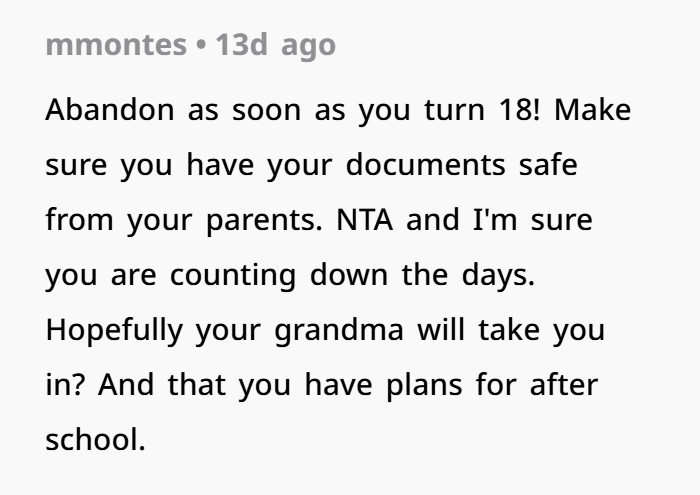
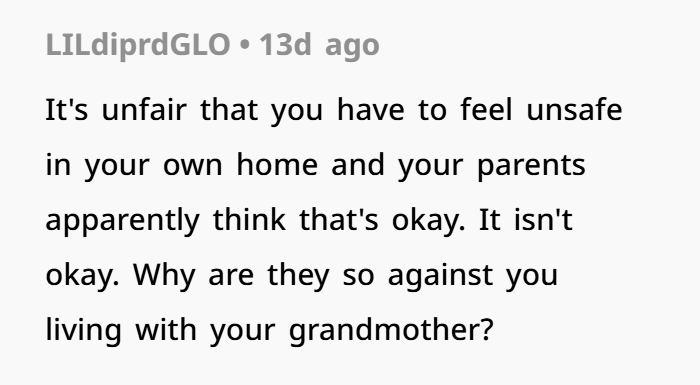
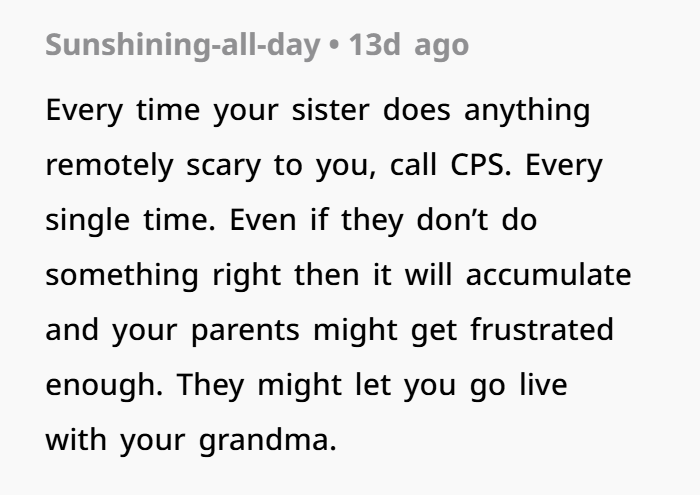
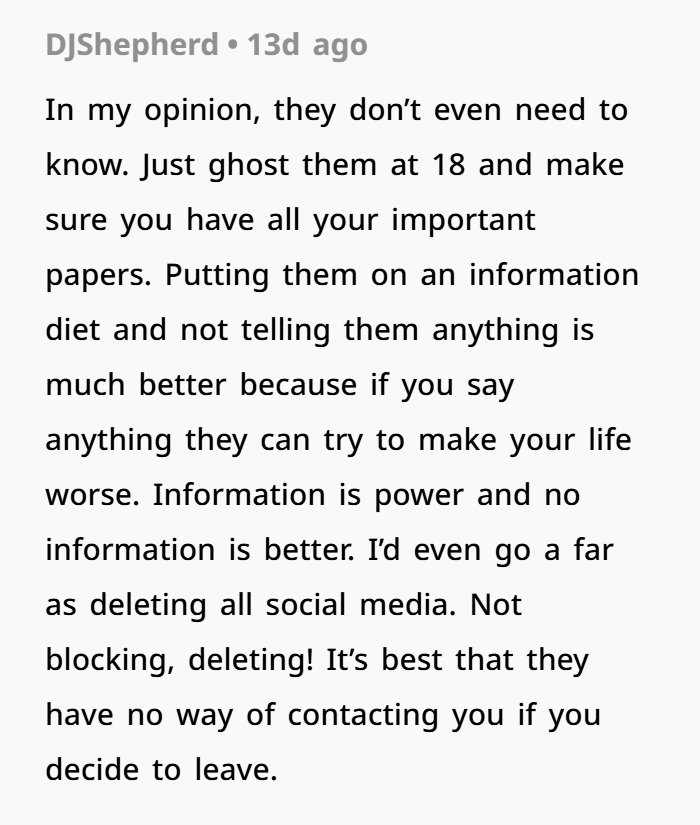
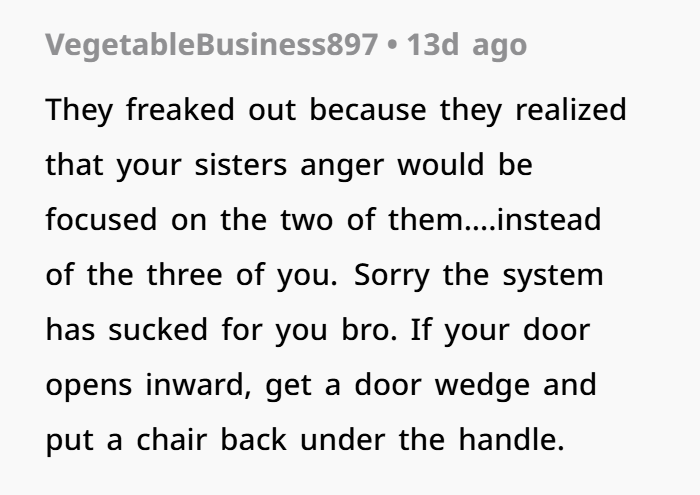
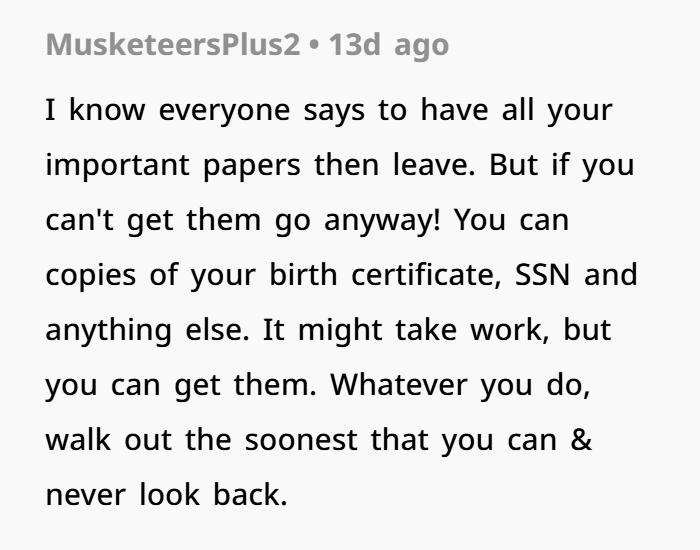
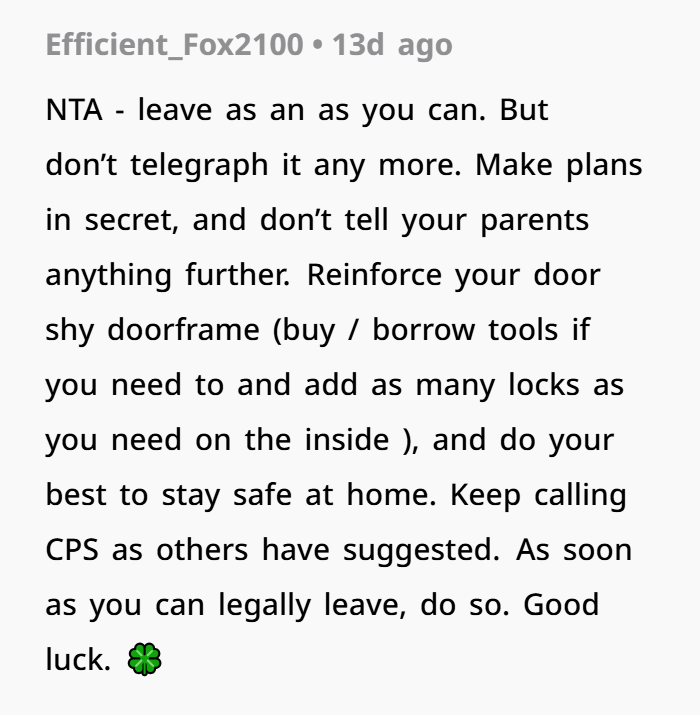
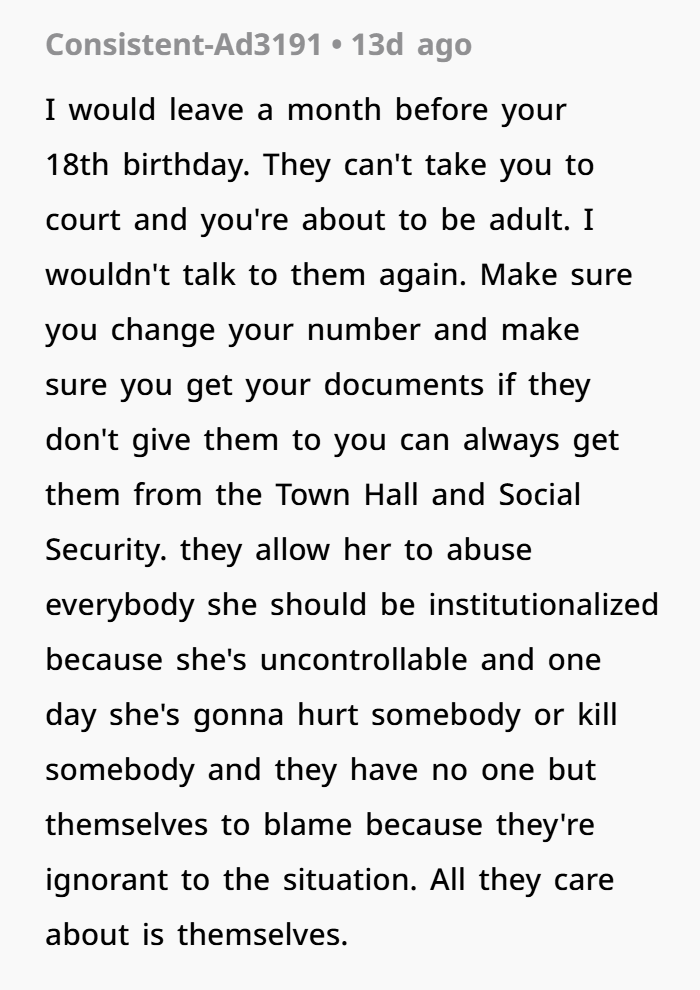
From a human and emotional perspective, your reaction is understandable. You are responding to years of stress, fear, and feeling unheard.
You may feel angry, hurt, and exhausted. Those emotions can happen when someone has been dealing with a difficult situation for a long time.
Some people may believe there were better ways to express that pain, and there may have been. However, saying something during a moment of extreme frustration does not make you a bad person. It shows that you reached a point where your emotions became too difficult to keep inside.
Your safety, mental health, and emotional well-being matter. You deserve to be heard, supported, and taken seriously. You also deserve an environment where you can feel safe instead of constantly feeling on edge.