AITA for Calling Off My Engagement After My Fiancée Asked Me to Sign a Prenup?
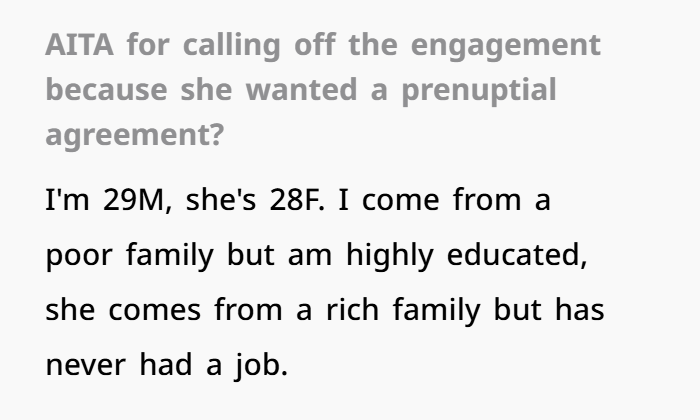
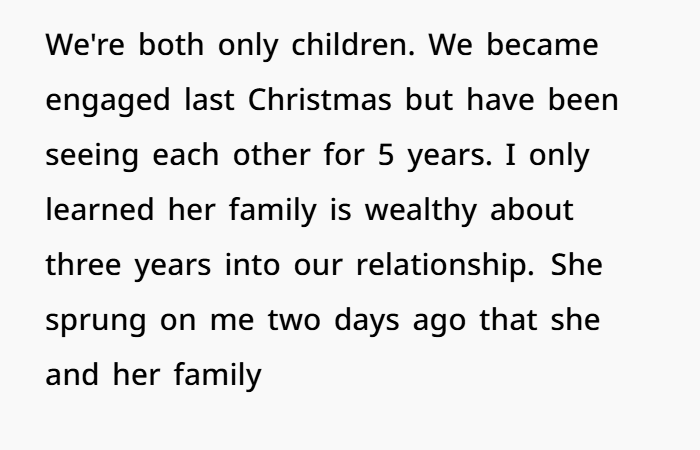
A 29-year-old man found himself questioning his future with his fiancée after five years together. They had gotten engaged over the holidays, and he was excited to start planning their wedding. But one request from her wealthy family changed everything.
He grew up in a modest home and worked hard to build a stable life. He focused on his education, built his career, and saved his money. His fiancée, on the other hand, came from a family with far more wealth. Their different backgrounds had never seemed like a major problem until they started talking about marriage.
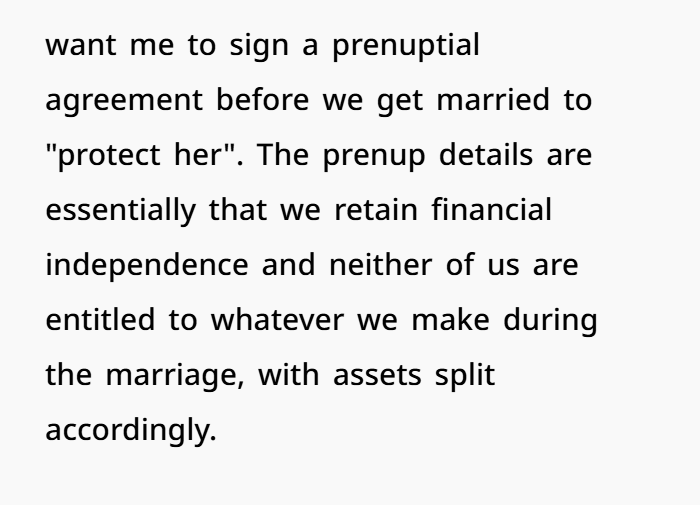
While making wedding plans, her family brought up a prenuptial agreement. He wasn’t prepared for what the document said. It required both partners to keep their income, property, and investments separate, even after they got married.
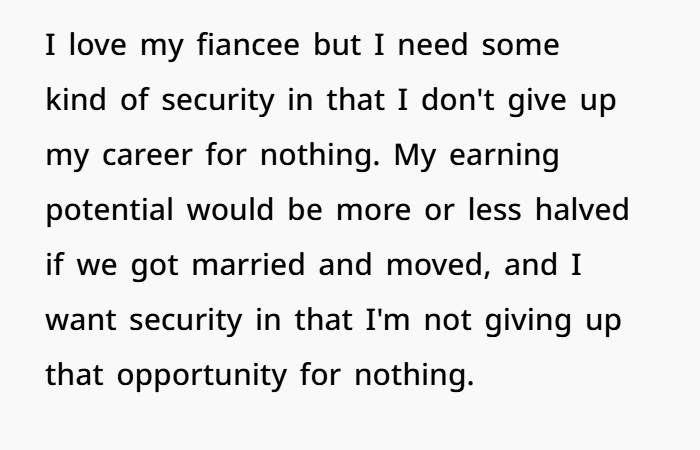
What bothered him wasn’t just the money. He felt the agreement didn’t consider what might happen if one partner gave up career opportunities for the other.
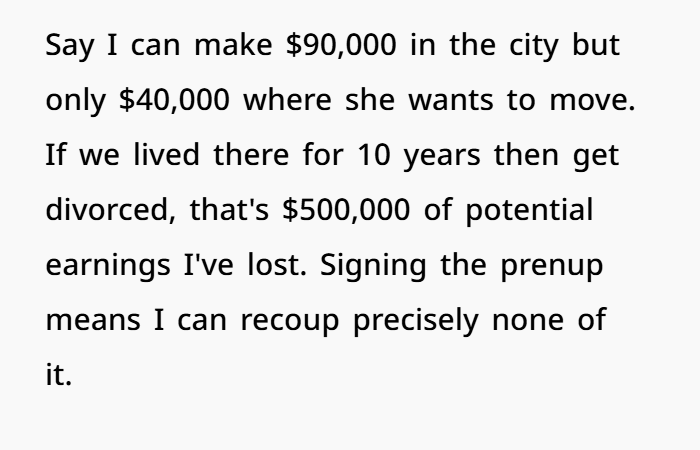
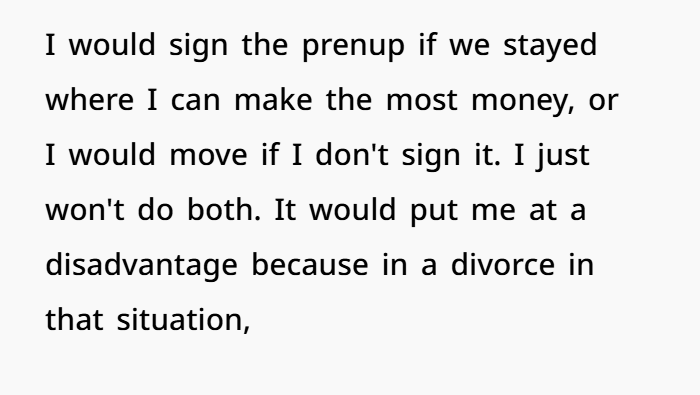
There was also another issue. They planned to move to a rural area, where her family would help them buy a house. Although he valued their offer, he worried about leaving behind better job opportunities in his technical field.
He feared that moving could slow his career while the prenup left him with little protection for that sacrifice.
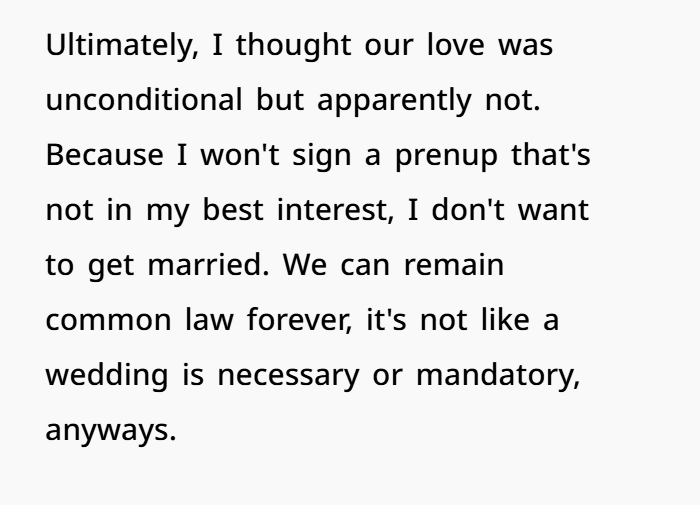
After thinking about their future, he decided to put the wedding on hold. He wanted to make sure they agreed on important matters like money, careers, retirement, and the life they hoped to build together.
Not everyone supported his decision. Some friends and family questioned whether he was making too much of the prenup. But for him, the issue went beyond signing a legal document.
He wanted a marriage where both partners felt secure and where their sacrifices mattered.
Now, he’s left wondering whether he was unfair for questioning their engagement over a prenup, or whether he was right to rethink the marriage before saying “I do.”
A Man Who Grew Up Poor but Worked Hard to Get an Education Got Engaged to a Wealthy 28-Year-Old Woman Who Had Never Worked a Day in Her Life
Prenups are becoming a more common topic for couples planning to get married. Many people now enter marriage with savings, property, investments, or debts they built up on their own.
There’s nothing wrong with wanting to protect what you already own. But a prenup can become a problem when one person feels they’re taking all the risks while the other has little to lose.
That’s what troubled this 29-year-old man. He wasn’t against signing a prenup. He just wanted an agreement that treated both partners fairly, especially since their future plans could affect his career and income.
1. What Was Actually in the Prenup?
The agreement his fiancée’s family wanted him to sign went beyond protecting their existing wealth.
Based on his account, it included several strict terms:
- Each partner would keep their own income, even money earned after marriage.
- Neither could claim assets the other built during the marriage.
- Neither would receive spousal support if they divorced.
- There was no clear protection for someone who gave up career opportunities for the relationship.
These terms worried him because marriage often involves making choices together.
Advertisement – Continue Reading Below
One person might move for the other’s needs, leave a job, or earn less while helping the family.
In his case, he was already being asked to consider a move that could hurt his career.
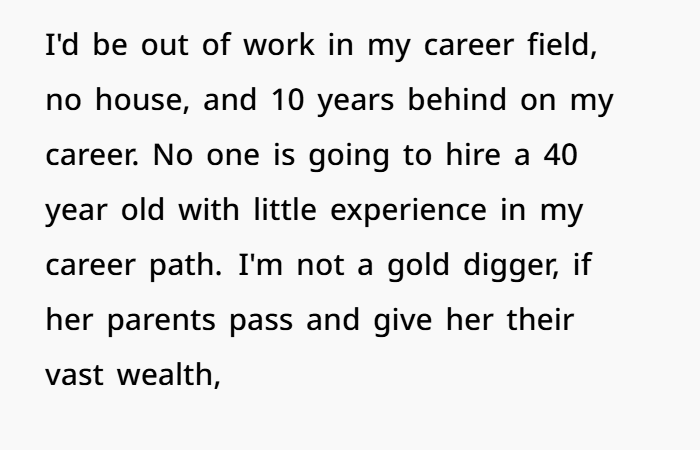
He feared that if the marriage ended, he could lose years of career growth without receiving anything in return.
For him, that didn’t feel like a fair deal.
2. The Move Could Hurt His Career
One of his biggest concerns was where they planned to live after getting married.
His fiancée’s wealthy family had offered to help them buy a house in a rural area. It sounded generous, but there was a catch.
He worked in a technical field where location could make a big difference.
Moving away from areas with better job options might mean fewer chances for promotions, lower pay, and slower career growth.
And those losses could follow him for years.
Even if the house came with financial help from her family, he worried about what he would be giving up.
His fiancée had never held a job, while he had spent years working toward a stable career.
He didn’t want to risk everything he’d built without knowing how the prenup would protect him.
3. Marriage Should Feel Like a Partnership
For many people, marriage means sharing more than a home.
It means making plans together, supporting each other’s goals, and dealing with problems as a team.
That doesn’t mean couples must combine every dollar they earn. Some married people keep separate accounts and manage their money on their own.
But both partners still need to feel that the arrangement works for them.
The man wasn’t asking to take ownership of his fiancée’s family wealth.
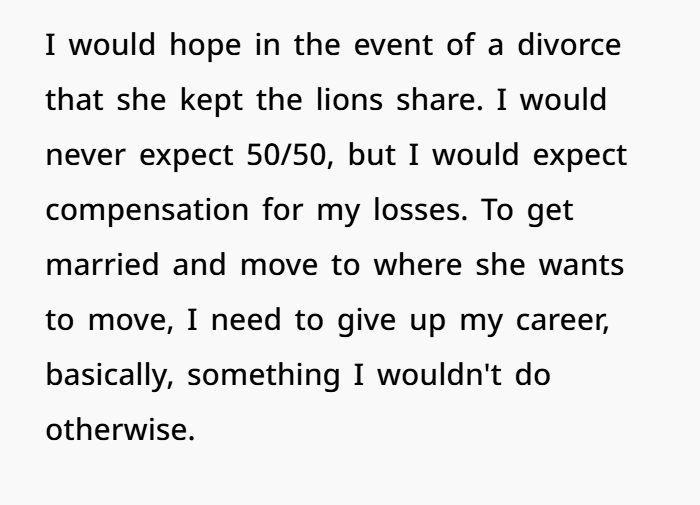
He wanted to know what would happen if he made sacrifices for their marriage.
If he moved somewhere with fewer job opportunities, how would that affect his future? What if he earned less because of that choice? And what would happen if they later divorced?
Those were questions he felt the proposed prenup didn’t answer fairly.
4. He Was Willing to Find a Middle Ground
An important part of this story is that the man didn’t reject every kind of prenup.
He was willing to discuss changes that could make the agreement more balanced.
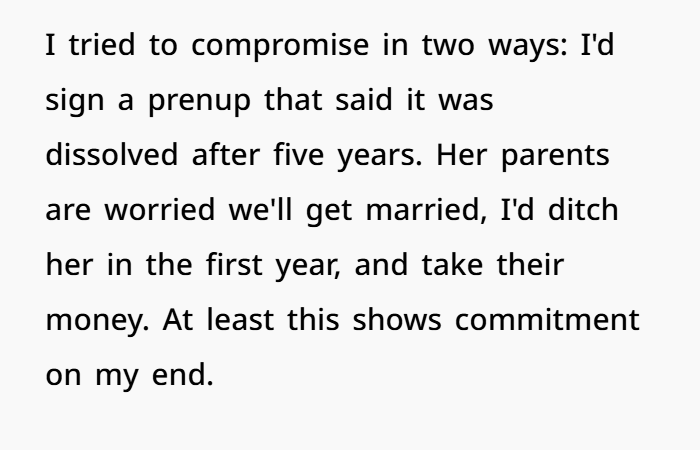
Some of his suggestions included a sunset clause, which could end certain terms after several years of marriage.
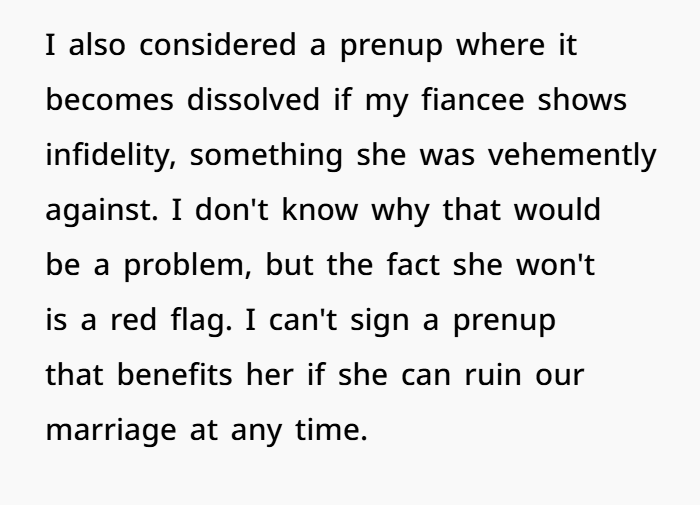
He also wanted extra protection if serious problems arose during their relationship.
These ideas showed that he was looking for a compromise.
He understood that his fiancée’s family wanted to protect their wealth. But he also wanted his own future to matter.
A prenup doesn’t have to be unfair. Both people can work with their own lawyers to create terms they understand and accept.
The problem comes when one partner feels they have no real say in the agreement.
5. The Timing Made Things Worse
Another issue was when the prenup came up.
The couple had already gotten engaged and started thinking about their wedding.
Then her family introduced a legal agreement that could affect their entire future.
That was a lot for him to process.
Money can be a difficult subject, especially when two people come from very different backgrounds.
His fiancée grew up with wealth, while he had worked hard to build his own financial security.
They may have had different ideas about what marriage should mean for their money.
Talking about those differences before getting engaged could have helped them avoid some of the conflict.
Instead, he found himself questioning whether they wanted the same kind of marriage.
6. Does Asking for a Prenup Mean Someone Doesn’t Trust Their Partner?
Not always.
Many couples use prenups to protect property, savings, businesses, or family wealth.
A prenup can also help both people understand how their finances would be handled if the marriage ended.
For someone who comes from a wealthy family, protecting inherited assets may be especially important.
But protecting wealth shouldn’t mean ignoring the other partner’s concerns.
In this case, the man wasn’t upset simply because his fiancée wanted a prenup.
He was worried about what the terms meant for his own financial future.
He had spent years building his career and didn’t want to lose that security.
Both people had reasons to care about their finances. The challenge was finding an agreement they could both accept.
7. Was He Wrong to Put the Wedding on Hold?
Calling off or delaying a wedding is never an easy choice, especially after five years together.
But signing a legal agreement without feeling comfortable with its terms could lead to bigger problems later.
The man had serious concerns about his career, future earnings, and financial security.
Rather than ignore those concerns, he decided to stop and think.
That doesn’t mean his fiancée was wrong for wanting to protect her family’s money.
It means they had different views about how their marriage should work.
If they couldn’t agree on something this important, taking more time made sense.
Marriage comes with major choices, and both people should understand what they’re agreeing to before moving forward.
8. The Biggest Issues They Needed to Discuss
Several parts of their situation needed more thought.
First, the prenup was introduced after they got engaged. That left him dealing with a major financial decision while they were already planning their wedding.
Second, the move to a rural area could affect his career. He might have to give up better job opportunities to live near her family.
Third, the house her family offered to help buy raised questions about ownership. If the home wasn’t in his name, what rights would he have if the marriage ended?
Finally, the prenup seemed to offer little protection for future sacrifices.
These were not small concerns.
They affected where he would live, how much he could earn, and what financial security he might have years later.
Both partners needed to discuss these issues before making a lifelong commitment.
9. Fairness Matters More Than Who Has More Money
The couple came from very different financial backgrounds.
His fiancée had family wealth behind her. He had built his own future through education, work, and careful spending.
Neither background made one person more deserving than the other.
What mattered was whether they could create a marriage where both felt respected.
His fiancée had a right to protect her assets. He also had a right to protect his career and future earnings.
A fair agreement doesn’t always mean splitting everything equally.
It means both people understand the terms, have a chance to raise concerns, and feel comfortable with the choice they make.
Without that shared understanding, money problems can turn into deeper relationship issues.
10. The Real Problem Was Bigger Than the Prenup
At first glance, this story might sound like a man ending his engagement because his wealthy fiancée wanted a prenup.
But the details paint a different picture.
He wasn’t demanding access to her family’s fortune. He was worried about making career sacrifices while signing away possible financial support.
The proposed move, the strict prenup terms, and their different views on money made him question their future together.
Those concerns deserved a serious discussion.
A prenup can be useful when both partners understand what they’re signing. But it shouldn’t leave either person feeling that their future doesn’t matter.
Before agreeing to any such document, each partner should seek advice from their own family law attorney.
So, was he unfair for putting the wedding on hold?
Based on his account, no.
He had every right to question an agreement that could affect his finances for years.
His fiancée also had the right to ask for a prenup. But neither person was required to accept terms they didn’t believe were fair.
Marriage should begin with both partners feeling secure about the future they’re building together.
If they couldn’t agree on that future, it was better to face those differences before the wedding than after it.
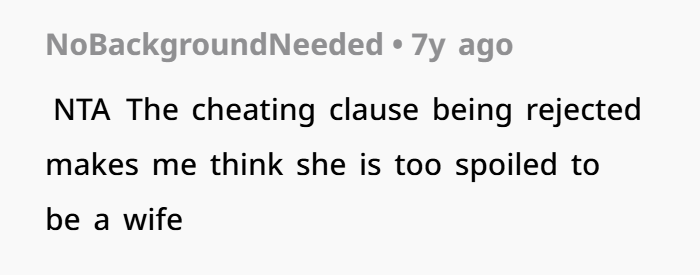
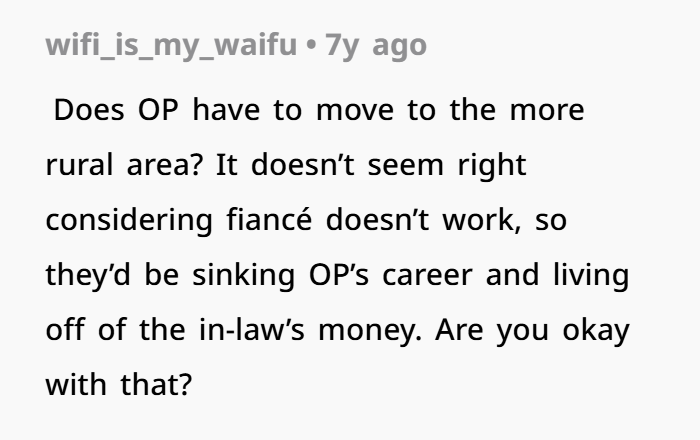
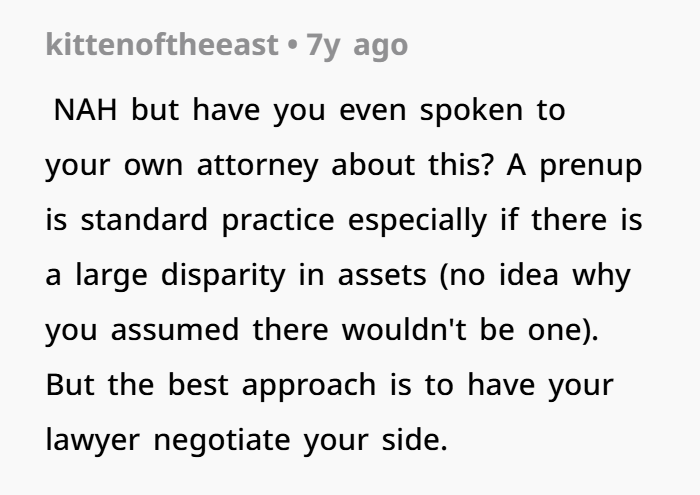
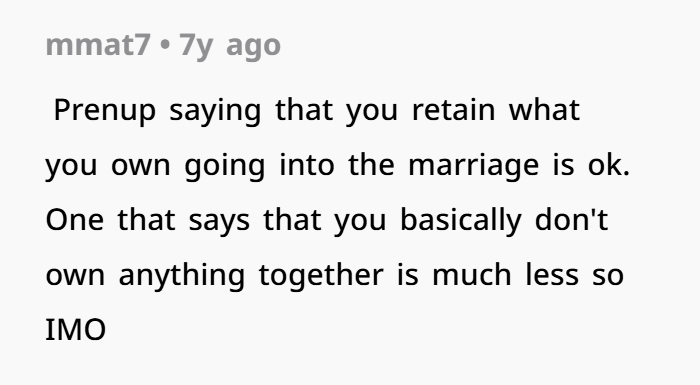
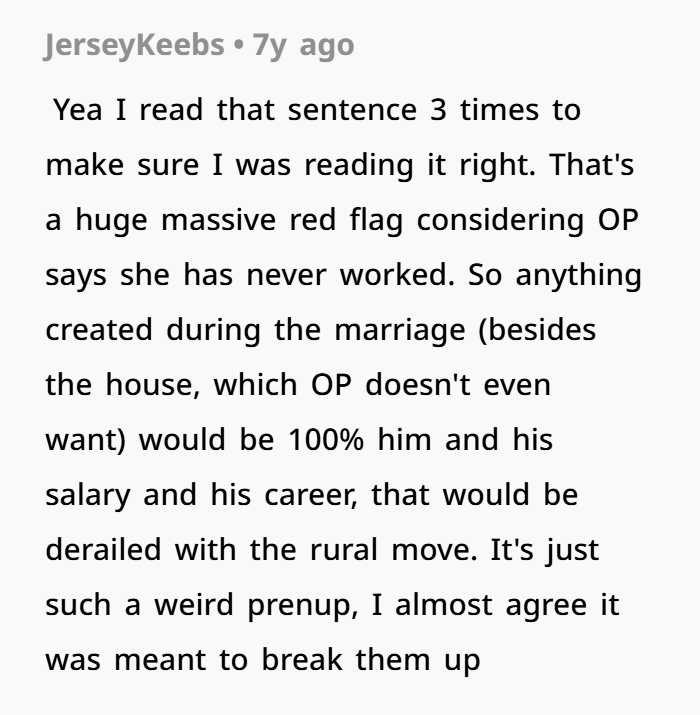
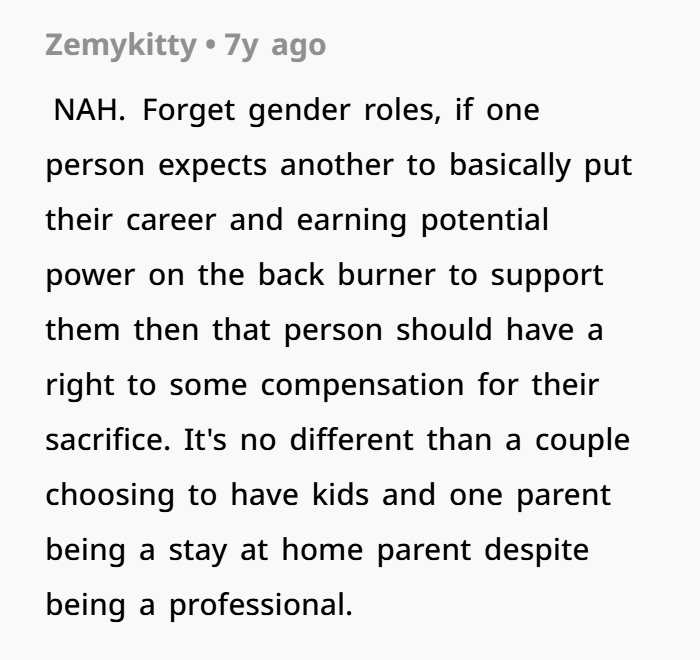
In the comments, readers seemed to agree that the guy was not being a jerk and offered him some advice about prenups