He Cheated First, But Did Her Affair Make Things Worse?
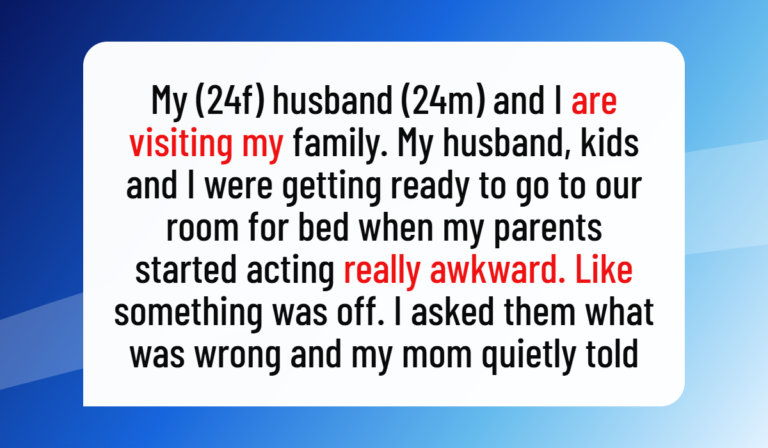
A couple had been together for 12 years and married for nine years. They had two children, owned a home, and appeared to have a stable family life. However, behind the scenes, their marriage carried a painful issue that was never fully resolved.
A few years earlier, after the birth of their second child, the husband had an affair with a mutual friend. At the time, his wife was recovering from childbirth and struggled with intimacy for more than a year.
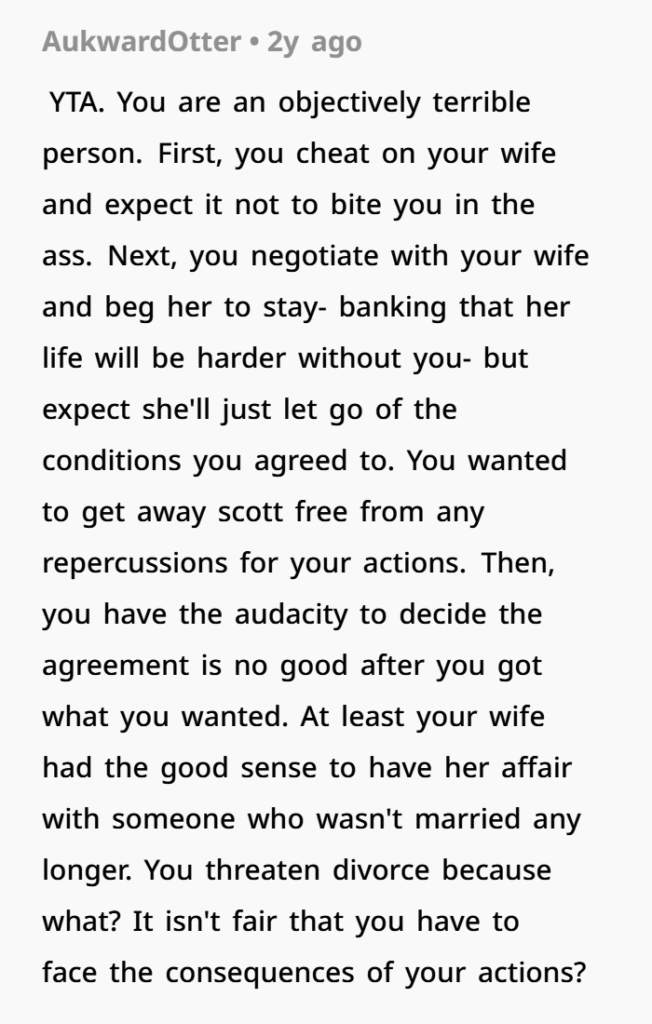
Feeling unwanted, he chose to cheat. The decision caused serious damage to the trust and emotional connection in their marriage.
The affair ended quickly, but the pain remained. About a year later, the other woman revealed what happened to the wife. The discovery created a major crisis, and the wife considered ending the marriage.
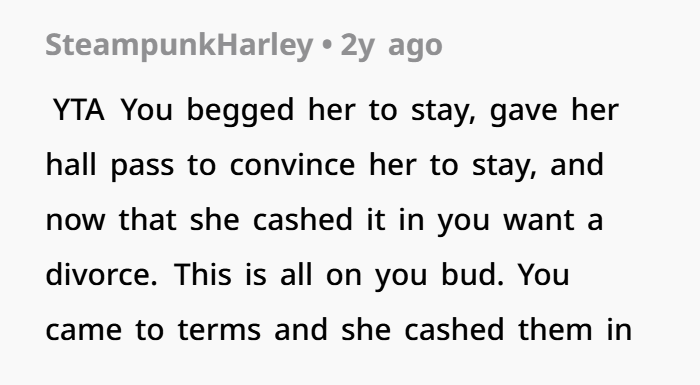
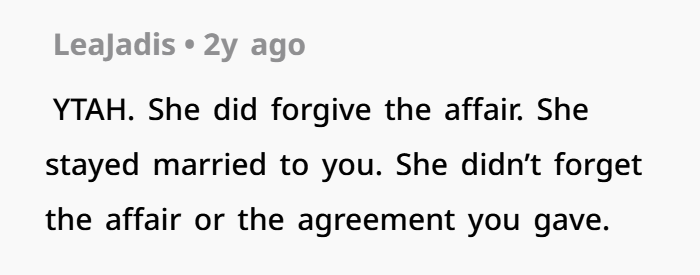
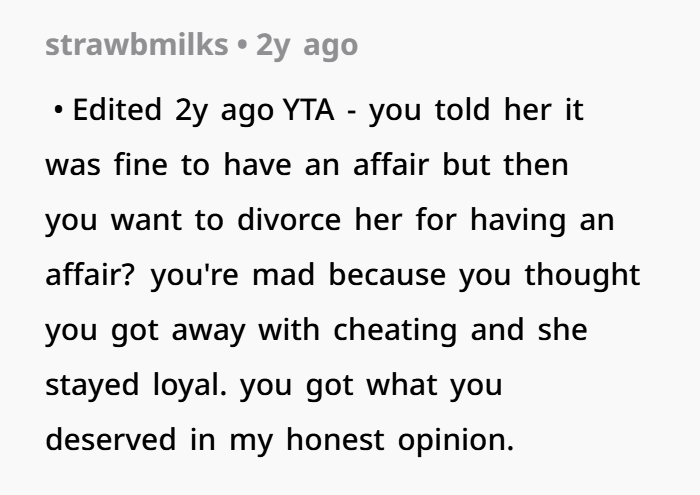
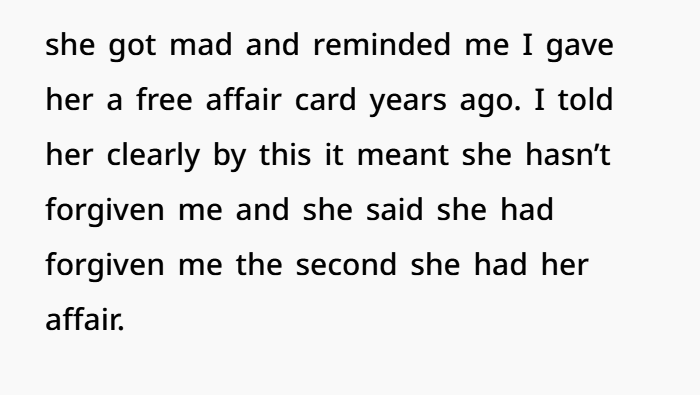
Instead of seeking divorce, she gave her husband one condition. She told him that one day she would have the same chance to be unfaithful. The husband agreed, believing it was something said in anger and that it would never actually happen.
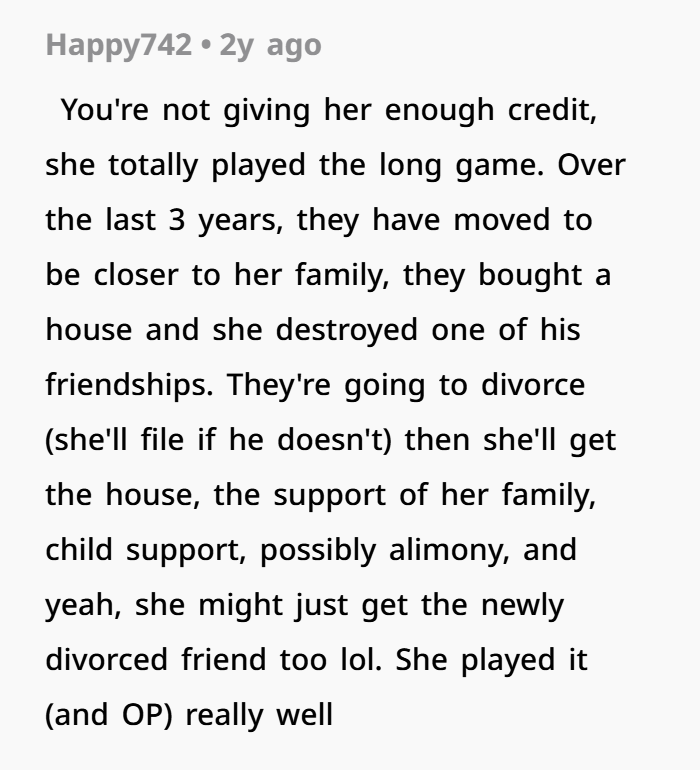
Over the years, they stayed together. They continued raising their children, bought a home, and slowly worked on rebuilding their relationship. The husband believed they had moved past the betrayal through time, forgiveness, and effort.
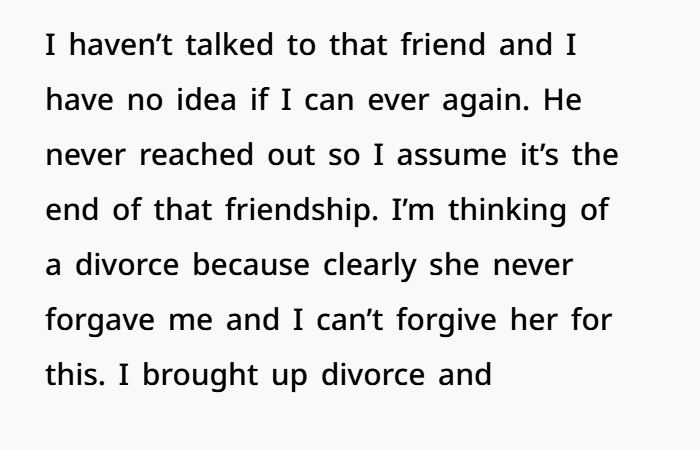
That changed four months ago when the wife revealed that she had started an affair with one of his close friends, who had recently gone through a divorce.
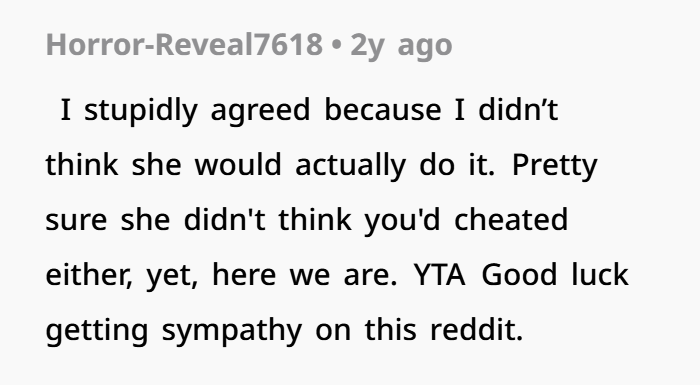
She explained that she was following the agreement they made years earlier. She believed it was fair because the affair lasted for a similar period and involved a similar emotional connection. In her view, it was a way to address the hurt she had carried for years.
The husband, however, felt devastated. Although his wife believed she was honoring their agreement, he saw the situation as another betrayal and began considering divorce.
The story raises difficult questions about trust, forgiveness, boundaries, and whether one act of betrayal can ever be balanced by repeating the same behavior. It also shows how unresolved pain can continue affecting a relationship long after the original event.
Situations like this may seem unusual, but similar conflicts often appear in discussions about relationships and marriage struggles. When cheating happens, some couples consider ideas like a “hall pass” or an affair in return as a way to balance the pain. However, these choices often create more problems instead of fixing the damage.
Many relationship experts explain that revenge cheating does not rebuild trust. Instead, it can add more anger, guilt, and emotional pain. Rather than helping both partners heal, it may keep them connected to the hurt caused by the original betrayal.
In this situation, the husband believed that time had helped repair the damage from his affair. However, his wife may have never fully healed from what happened. Staying in a marriage does not always mean a person has moved past the pain.
Some couples remain together because of children, finances, or a desire to protect their family. At the same time, unresolved emotions can remain hidden and grow into resentment.
The wife’s later affair was not only about the relationship itself. It involved one of the husband’s close friends, which likely made the betrayal feel more painful. When trust is broken by both a partner and a friend, the emotional impact can become even harder to handle.
The husband may have felt hurt not only by his wife’s actions but also by the involvement of someone he trusted.
Advertisement – Continue Reading Below
Another important part of the story is that the wife appeared to see her affair as a way to repay the pain she experienced years earlier. This type of reaction is often called revenge cheating. While the feelings behind it may come from real hurt, it rarely brings the peace or closure someone hopes to find.
From a legal point of view, the effects of infidelity can vary depending on where a couple lives. In many places, divorce decisions focus mainly on practical issues such as child custody, property, and financial responsibilities.
The children remain one of the most important parts of this situation.
Children can be affected by stress, conflict, and emotional distance between parents, even if they do not fully understand the details. A tense home environment can influence their sense of safety and stability.
The wife originally chose to stay in the marriage partly because of their children. However, with both partners now carrying the pain of betrayal, the family situation has become more difficult.
A major challenge is that both partners seem to view the past in different ways. The husband believed the affair had been forgiven and left behind. His wife may have continued carrying the emotional damage from that experience.
This happens often in relationships. One person may believe a problem has been solved, while the other person still feels deeply affected.
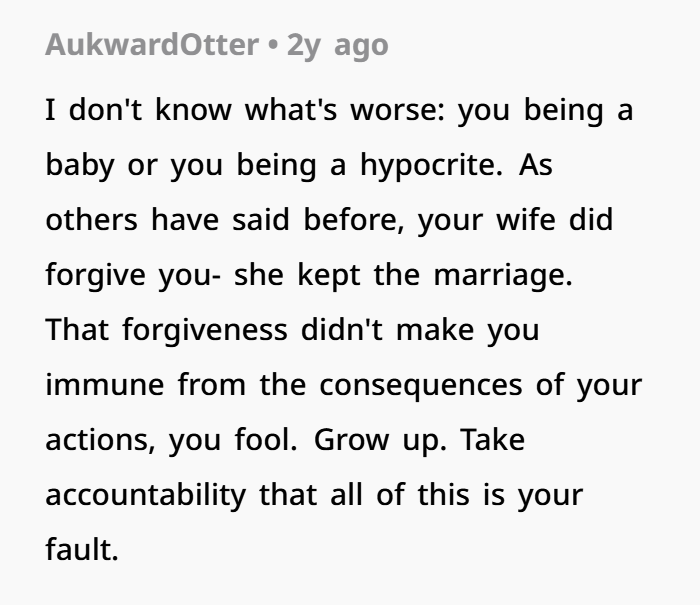
Because of this, both partners now believe their feelings are understandable. The wife feels she followed the agreement they made years earlier. The husband feels that trust has been broken again.
The involvement of a close friend creates another layer of damage. When betrayal affects several relationships at once, it can leave someone feeling like they have lost both a partner and a trusted person in their social circle.
The bigger question is not only who cheated first. The deeper issue is whether the marriage can survive after trust has been damaged by both sides.
Some couples do recover after serious relationship problems, but it usually requires honesty, accountability, and a real effort to rebuild trust. Many couples seek counseling to address anger, hurt, and communication problems.
At this point, the relationship appears focused more on past pain and retaliation than on healing.
This story shows that trying to make suffering equal does not usually create peace. Real recovery often comes from honest conversations, forgiveness, and a shared decision to either rebuild the relationship or move forward separately with respect.
See The Comments Below