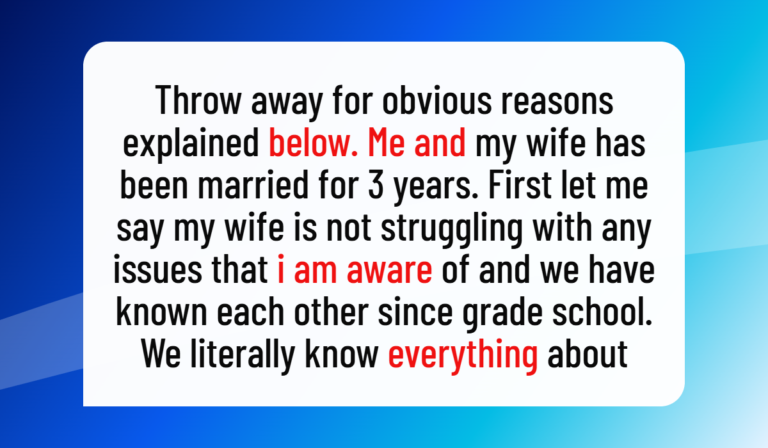
I Think I Hurt My Husband Deeply. What Should I Do Now?
A woman has carried emotional pain for years after a major betrayal in her marriage. Although she and her husband chose to stay together and rebuild their relationship, the hurt never completely disappeared.
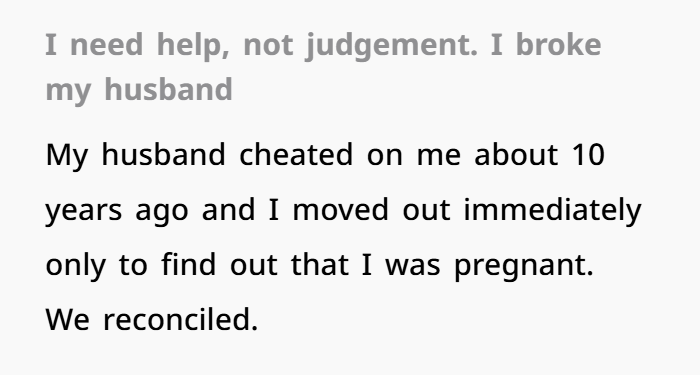
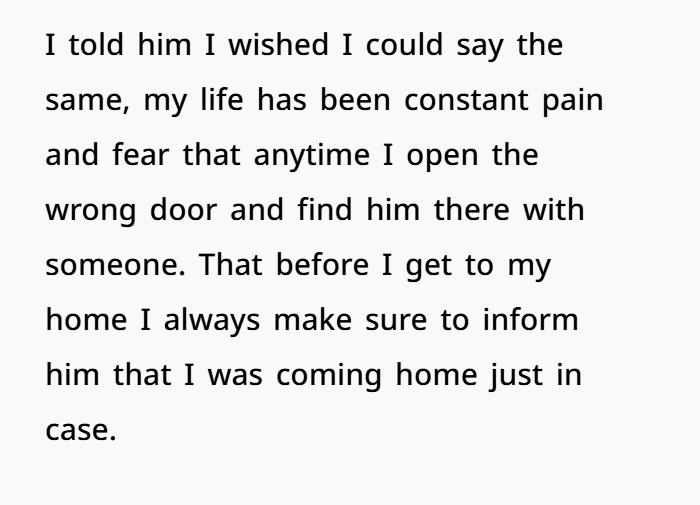
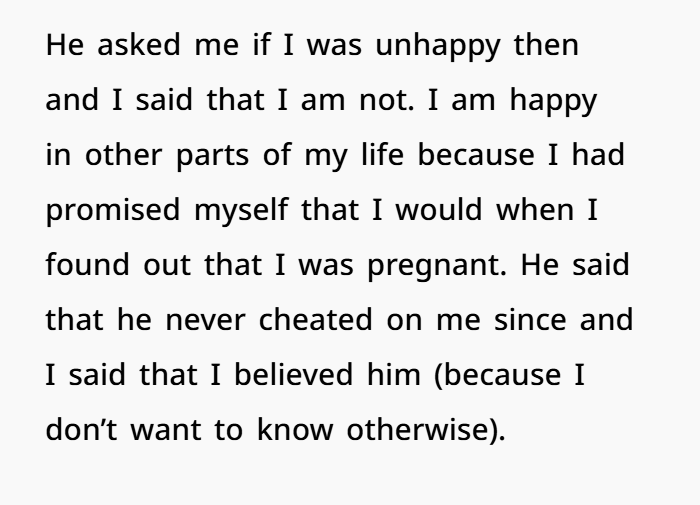
About 10 years ago, her husband cheated. She moved out after discovering the betrayal, but later found out she was pregnant. The couple eventually reconciled and decided to continue their marriage while raising their family together.
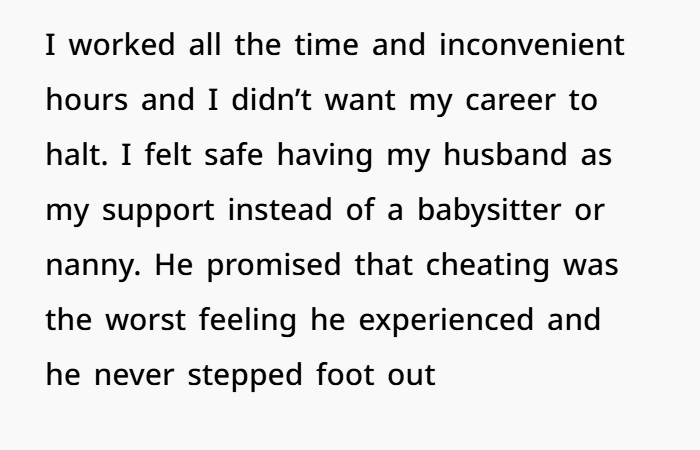
Over the years, she focused on caring for her family, managing work, and handling everyday responsibilities. However, some emotions were never fully addressed. She tried to move forward, but the pain remained beneath the surface.
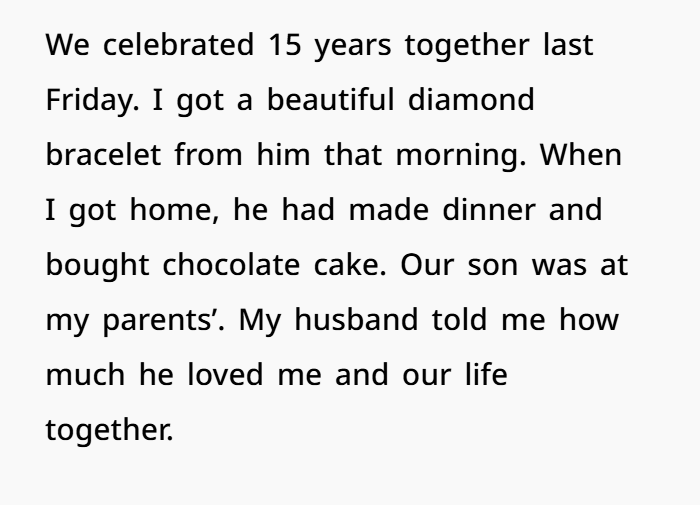
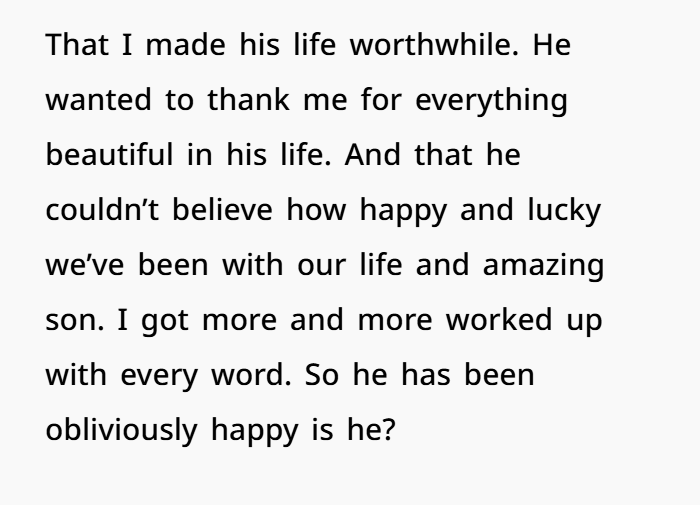
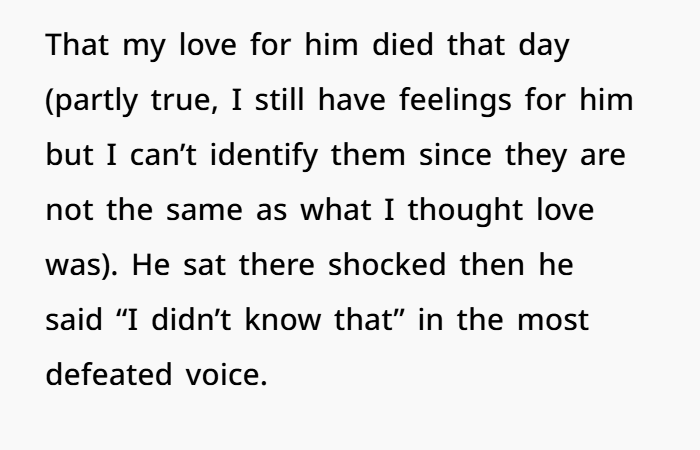
During a recent wedding anniversary conversation, those unresolved feelings came back. She finally opened up about the hurt she had been carrying for years and shared emotions she had previously kept to herself.
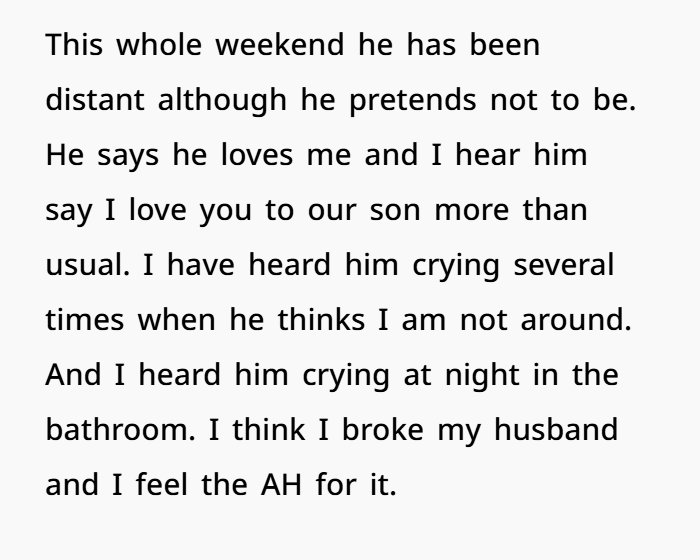
The conversation was difficult for both of them. She worried that being honest may have deeply hurt her husband, but she also realized that avoiding the pain was not helping either of them heal.
Her experience has sparked conversations about marriage recovery, emotional healing, communication, and personal growth. Many people believe that rebuilding trust requires honesty, patience, and a safe space where both partners can express their feelings.
Healing from betrayal takes time. Honest communication and support can help couples rebuild trust and connection.
1. Why Betrayal Can Still Hurt Years Later
When someone you trust deeply hurts you, the pain does not always disappear with time.
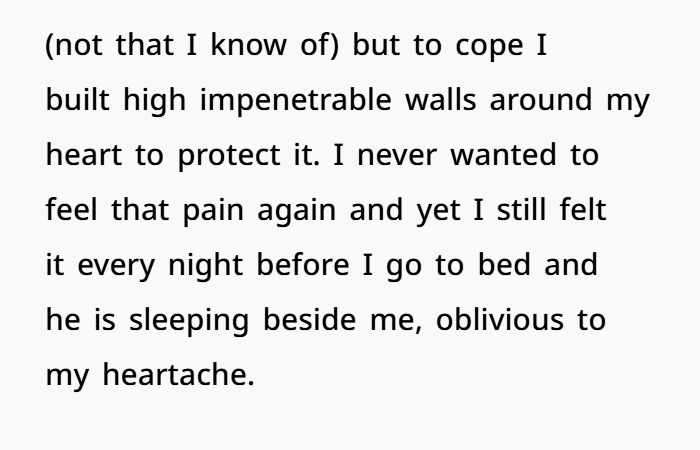
After betrayal in a marriage, many people continue to experience sadness, fear, trust issues, and emotional distance. Life may appear normal, but unresolved hurt can remain underneath.
Building emotional walls is a common way people protect themselves after being hurt. However, those walls can also create distance between partners. Healing often begins when both people can communicate openly and work toward rebuilding trust.
2. Understanding Both Sides
The betrayal caused deep pain, but the person who caused the hurt may also experience guilt, regret, and shame after realizing the impact of their actions.
A partner’s emotional reaction, increased affection, or desire to reconnect may show that they are beginning to understand the pain that was caused.
Understanding their feelings does not erase what happened. It simply creates space for both partners to acknowledge the past and decide how to move forward.
3. Why Honest Conversations Matter
Sharing painful feelings is not wrong.
When emotions are hidden for years, a partner may never fully understand the impact of their actions. Honest conversations can be difficult, but they allow both people to recognize what needs healing.
A healthy relationship requires openness, understanding, and a willingness to listen.
4. Steps That Can Help Rebuild Trust
Healing after betrayal takes effort from both partners. Some helpful steps include:
Advertisement – Continue Reading Below
Taking Responsibility
The person who caused the hurt needs to acknowledge the damage and show a commitment to change.
Better Communication
Both partners need a safe space to express their feelings and listen without becoming defensive.
Individual Support
Personal counseling can help process emotions and develop healthier coping skills.
Couples Therapy
A therapist can help partners communicate better and work through trust issues together.
Addressing Deeper Problems
Understanding past struggles, emotional needs, and relationship patterns can help couples reconnect.
5. Practical Ways to Move Forward
Care for Your Emotional Health
Journaling, hobbies, exercise, and personal support can help manage difficult emotions.
Have Calm Conversations
Choose peaceful moments to discuss sensitive topics. Using phrases like “I feel hurt” or “I need support” can encourage understanding.
Rebuild Trust Through Actions
Trust grows through consistent behavior, including:
- Keeping promises
- Being honest
- Following through on commitments
- Creating emotional safety
Be Patient
Healing is not always a straight path. Some days may feel easier than others, and painful memories may return.
6. Your Feelings Matter
Sharing your pain does not make you unfair or unkind. You have the right to express how past experiences affected you.
Honest communication can be an important part of healing, whether the goal is rebuilding the relationship or finding personal peace.
7. Moving Forward in Different Ways
Every couple’s path is different. Some rebuild their relationship, some create a healthier connection while staying together, and some choose to separate.
What matters is that both people are honest, respectful, and willing to make changes.
Healing begins with understanding, support, and taking steps toward emotional well-being.
A First Step
Writing down your thoughts can help you understand your feelings before having difficult conversations.
When you are ready, talk openly with your partner about what you need moving forward. Professional support, such as individual or couples therapy, can also provide guidance.
Your feelings matter. Your healing matters. A healthy relationship requires trust, respect, and emotional safety.