Am I Wrong for Stopping My Daily Coffee Routine for My Daughter-in-Law?
This story is about a mother whose simple act of kindness turns into a disagreement about expectations, hospitality, and family boundaries.
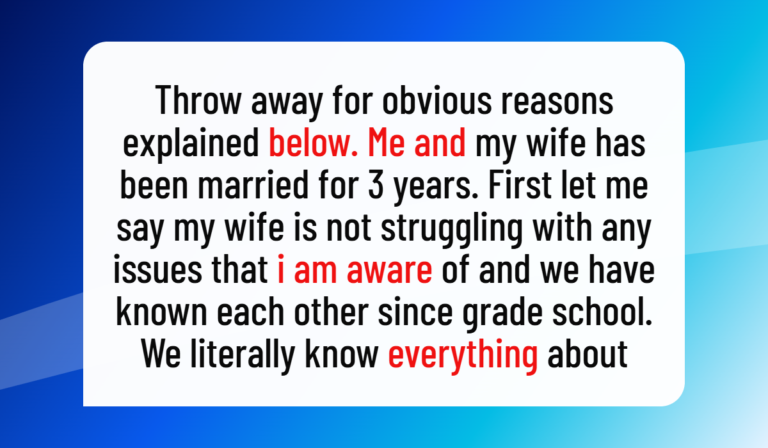
The mother works night shifts and usually gets home around 6:30 a.m. After work, she often makes coffee and breakfast for her husband before going to rest.
Recently, her son and daughter-in-law, Emily, moved into her home for about a month while their own house was being repaired. They had only been staying there for a few days when the conflict began.
Wanting to make them feel welcome, the mother offered to prepare coffee and breakfast for them in the mornings before they went to work. They declined breakfast but accepted the coffee offer. She also asked about their preferences, including how they liked their coffee and what type of cream they used, so she could make something they enjoyed.
Later, Emily sent a detailed message explaining how she preferred her coffee. Her instructions included specific coffee beans, freshly ground coffee, a different brewing method, foamed milk, and flavored syrups.
The issue was that the household only had a basic drip coffee machine. The mother continued making the regular coffee she already prepared for herself and her husband.
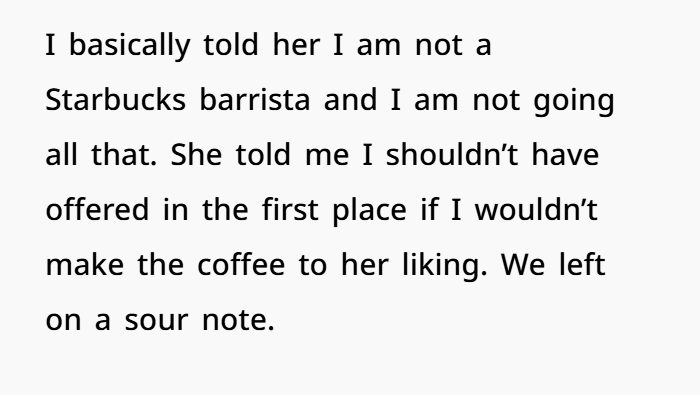
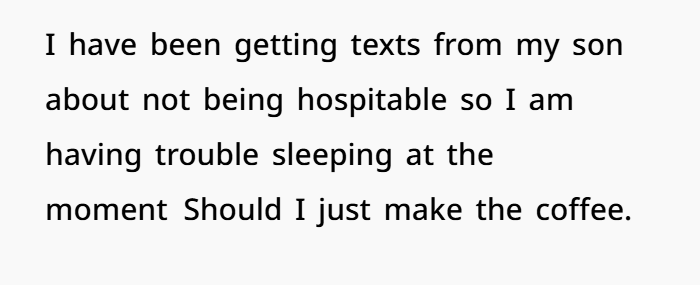
Emily became upset and argued that the mother should not have offered to make coffee if she could not prepare it exactly the way she liked it. The son also criticized his mother and said she was not making enough effort to welcome them.
Now, the mother is questioning whether her offer of a simple homemade coffee was already a thoughtful gesture or whether she was expected to provide a daily specialty coffee routine.
The situation raises questions about family expectations, appreciation, boundaries, and the difference between offering help and being expected to provide a service.
The MIL offered to make her a cup, but received a Starbucks-level order
 When someone stays in your home for an extended time, small daily habits can sometimes become sources of stress.
 When someone stays in your home for an extended time, small daily habits can sometimes become sources of stress.
Simple things like coffee, meals, or household routines may create tension when the host and guest have different expectations.
Often, the issue is not about kindness or bad intentions. It is usually about communication. Guests and hosts may have different ideas about what support, comfort, and hospitality should look like.
Setting clear expectations early can help avoid misunderstandings. Guests can share their needs without assuming they will be provided, while hosts can offer help without feeling pressured to meet every request.
A comfortable living arrangement works best when both sides show appreciation, respect boundaries, and communicate openly.
When someone stays in your home, both the host and guest have responsibilities.
 When someone stays in your home, both the host and guest have responsibilities.
A host shares their space, time, and daily routine. Being a good host means making guests feel welcome, offering basic support like meals or drinks, and helping create a comfortable environment.
However, guests also have a role to play. A good guest should respect the household’s rules, avoid expecting special treatment, offer help when possible, and understand that the host has their own routine.
During longer stays, clear communication becomes important. Guests and hosts may have different ideas about comfort, support, and hospitality. Talking openly about meals, schedules, and responsibilities can help prevent misunderstandings.
Advertisement – Continue Reading Below
Guests should remember that staying in someone else’s home often means adapting to what is available. Hosts should also be honest about what they can provide without creating extra stress.
Kindness is meaningful when it is freely given. A simple offer of help should not become an unspoken responsibility or expectation.
Offering coffee or breakfast is a simple way to show kindness and make someone feel welcome.
 Offering coffee or breakfast is a simple way to show kindness and make someone feel welcome.
However, problems can arise when a small gesture turns into a daily expectation.
For example, tension may grow when:
- A guest expects specially prepared drinks
- Requests become detailed or require extra effort
- The host feels responsible for providing the same service every day
At that point, the situation may move beyond normal hospitality and become an added responsibility for the host.
When guests expect daily tasks to be completed in a specific way, the host may begin to feel less like they are sharing their home and more like they are providing a service.
This can lead to stress and frustration, especially when the host already has their own work, routines, and responsibilities to manage. A kind offer works best when it stays voluntary and is appreciated rather than expected.
Many conflicts in shared living situations begin with unclear expectations.
 Many conflicts in shared living situations begin with unclear expectations.
For example:
- The host says, “I’ll make coffee.”
- The guest assumes it means a specific type of coffee prepared exactly to their preference.
The problem is that both sides may have different ideas about what the offer means. If expectations are not discussed early, a simple act of kindness can turn into frustration.
Guests may assume certain things are included, while hosts may believe they are only offering basic support.
Clear conversations about needs, responsibilities, and boundaries can help avoid misunderstandings. When everyone understands what is being offered and what is expected, small issues are less likely to become bigger family conflicts.
When a host has a demanding schedule, their time and rest should also be respected.
 When a host has a demanding schedule, their time and rest should also be respected.
For someone who works night shifts, sleep is an important part of staying healthy and managing daily responsibilities. Expecting them to prepare special coffee or breakfast every morning can add unnecessary pressure.
Helping family members is a thoughtful gesture, but it should not come at the cost of the host’s own needs. Healthy relationships require a balance between being welcoming and maintaining personal boundaries.
A host can still be kind while being clear about what they can provide. For example:
- “I can make simple coffee.”
- “If you want a special drink, you may need to prepare it yourself.”
Setting limits does not mean being unkind. It helps create a more respectful and comfortable arrangement for everyone.
Healthy Boundaries in Shared Living Situations
 Healthy Boundaries in Shared Living Situations
Setting boundaries is not rude. It is an important part of building healthy relationships and creating a comfortable home environment.
People can be caring and helpful while still having limits. Clear boundaries help reduce stress, prevent resentment, and avoid misunderstandings between family members and guests.
Good home boundaries and guest etiquette include:
- Agreeing on what the host can comfortably provide
- Keeping food and drink requests reasonable
- Avoiding extra demands without discussion
- Respecting the host’s personal time, work, and rest
If guests want additional comfort or specific services, they can also help by preparing things themselves or sharing responsibilities.
A respectful home environment works best when kindness is balanced with understanding and consideration.
Simple Solutions That Work
To prevent misunderstandings and stress, a few simple steps can make living together easier.
1. Keep offers simple
Offer coffee, tea, or meals based on what you normally prepare. Avoid creating expectations for custom orders or special requests.
A kind gesture should remain comfortable for the person offering it. Guests who prefer something specific can prepare it themselves.
2. Create a self-service option
A small self-serve area can make things easier for everyone. Consider keeping items like:
- Coffee beans or powder
- Milk or creamer
- Sugar or syrup
This allows guests to make their own drinks based on their preferences.
3. Set clear expectations early
Before or during a longer stay, communicate:
- What you are comfortable providing
- What you may not be able to do every day
Clear boundaries help avoid confusion later.
4. Share responsibilities
If guests are staying for an extended period, they can help with daily tasks like breakfast, coffee, or household chores.
A healthy host-guest relationship works best when everyone contributes. Small acts of support and appreciation can make sharing a home easier for everyone.
Fixing Misunderstandings in Family or Guest Relationships
 Fixing Misunderstandings in Family or Guest Relationships
When conflicts happen, calm communication is often the best way forward.
A simple conversation can help both sides understand each other:
- “I want you to feel welcome in my home.”
- “I also need time to rest after work.”
- “Let’s keep coffee simple or share the responsibility.”
This approach reduces tension and helps build mutual respect.
Family hospitality and longer guest stays work best when there is balance. A host can be generous without taking on unlimited responsibilities, and guests can feel comfortable without placing extra pressure on the person helping them.
Many commenters supported the mother-in-law, saying guests should appreciate hospitality without expecting hotel-style service.


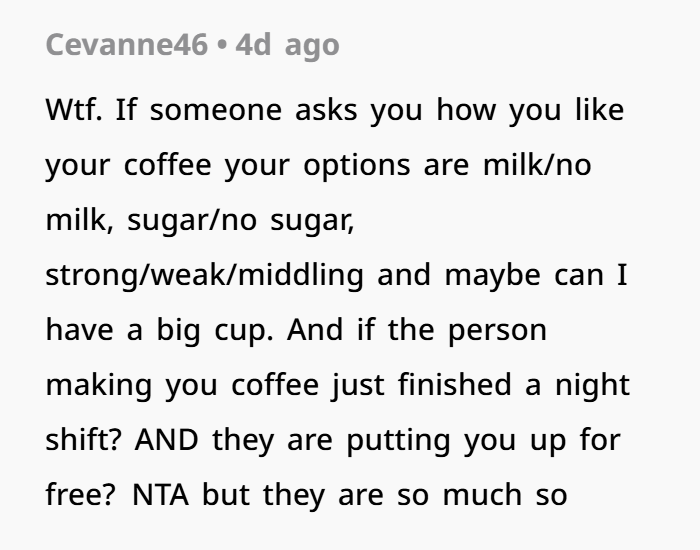
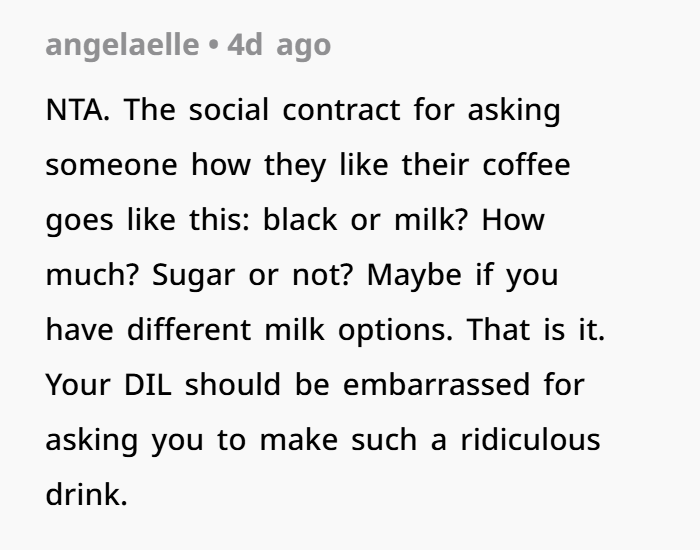

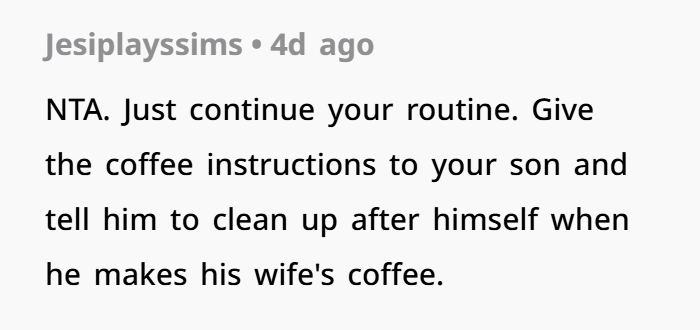
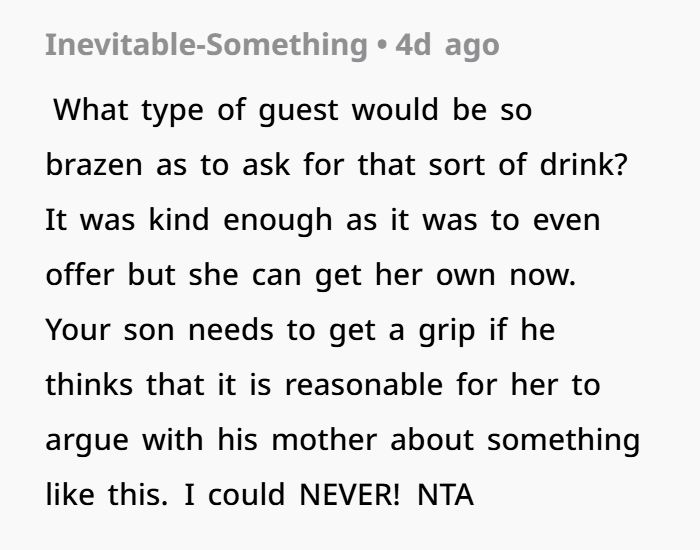
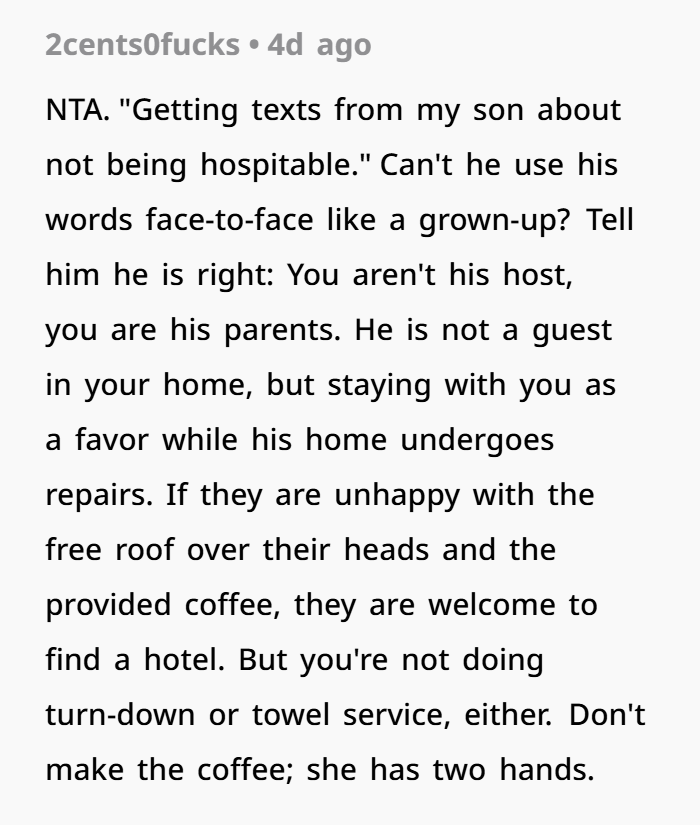
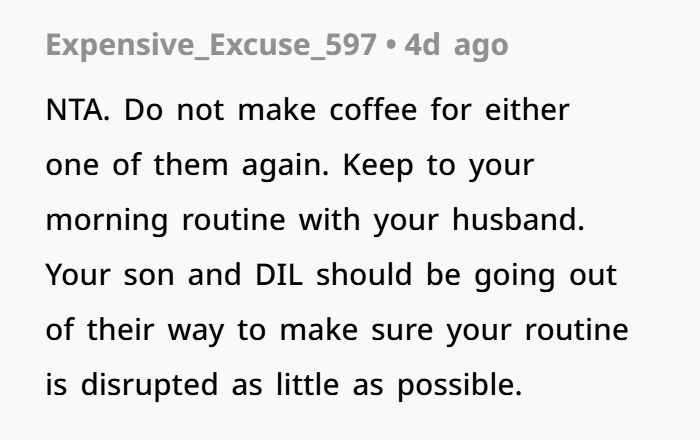
This situation leans toward NTA because the host offered help as a kind gesture, welcomed the guests into her home, and tried to be accommodating within her ability.
The main issue was not the coffee itself. The problem was that a simple offer of homemade coffee turned into an expectation for a specific, café-style routine every morning. There is a difference between offering a family member a drink and being responsible for preparing a customized order every day.
The situation also shows a communication gap. Both sides may have understood the offer differently, and clearer expectations could have prevented the disagreement.
Helping family is generous, but kindness should not become an obligation. Respecting a host’s time, energy, and boundaries is an important part of living together peacefully.