Am I Wrong for Feeling Relieved as My Stepmother, Who Hurt Me for Years, Declines?
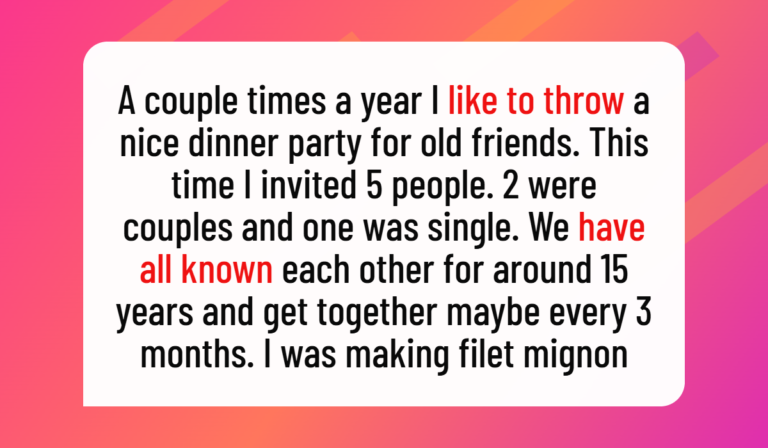
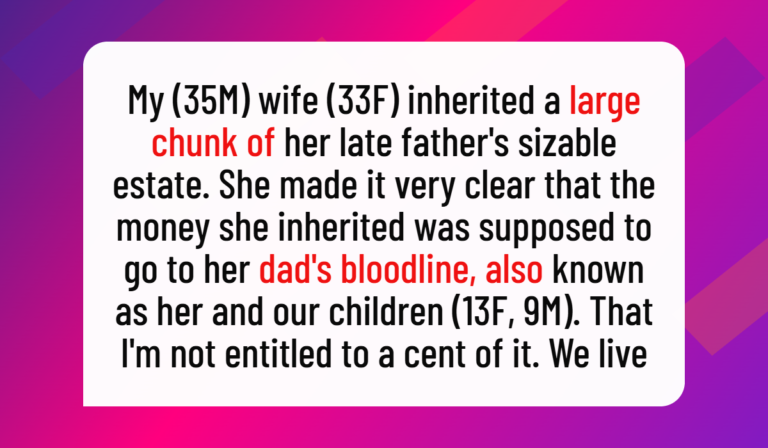
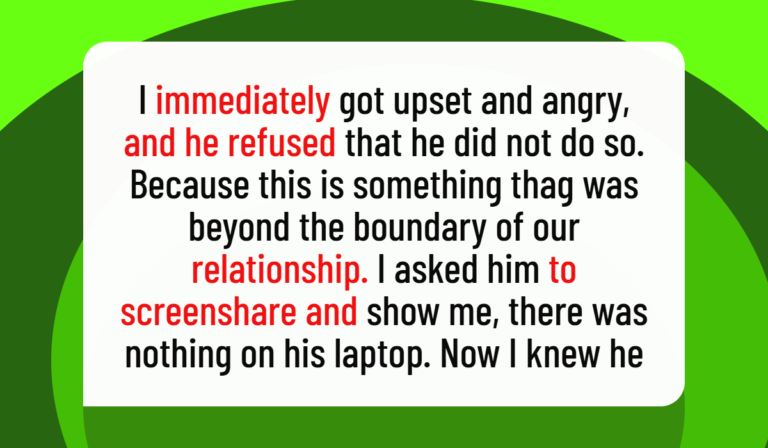
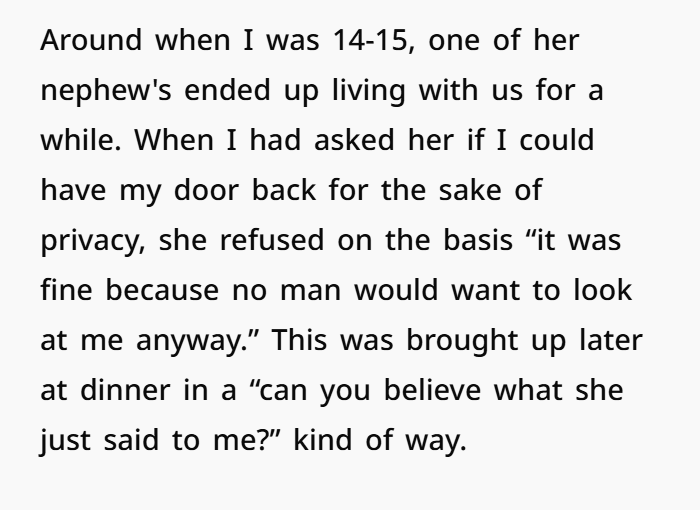
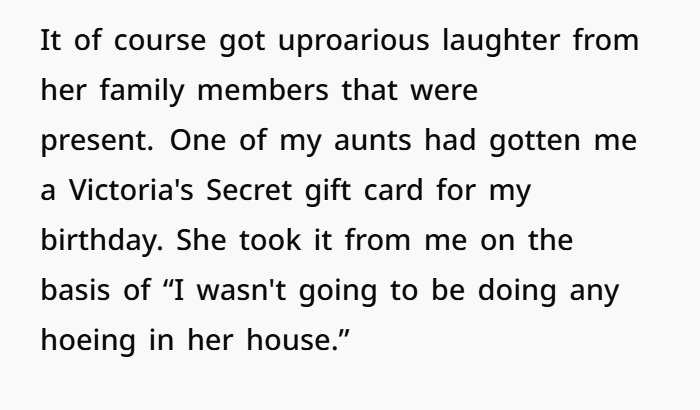
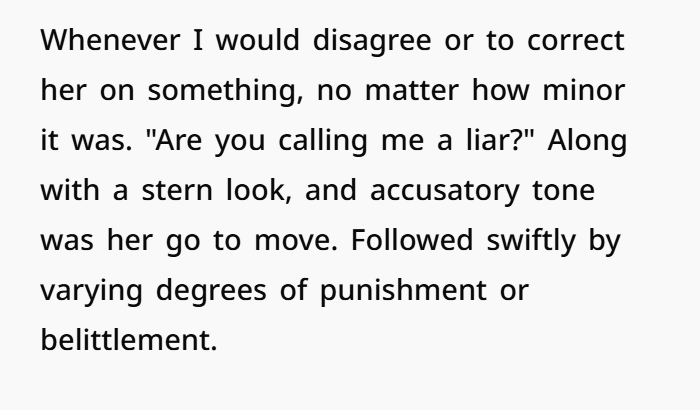
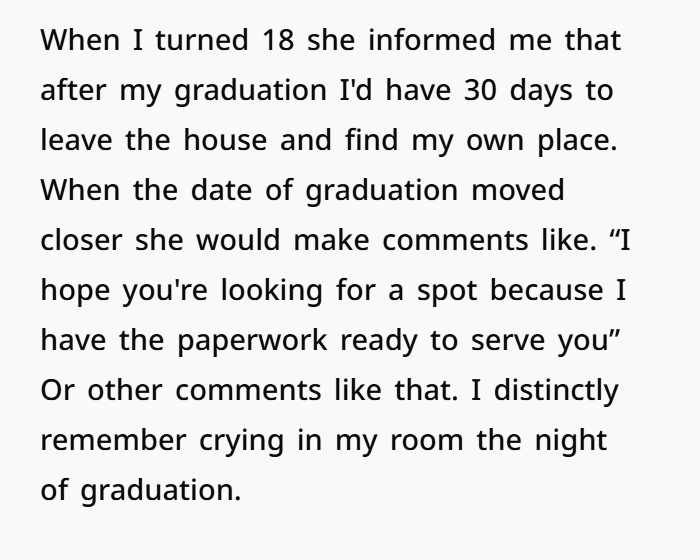
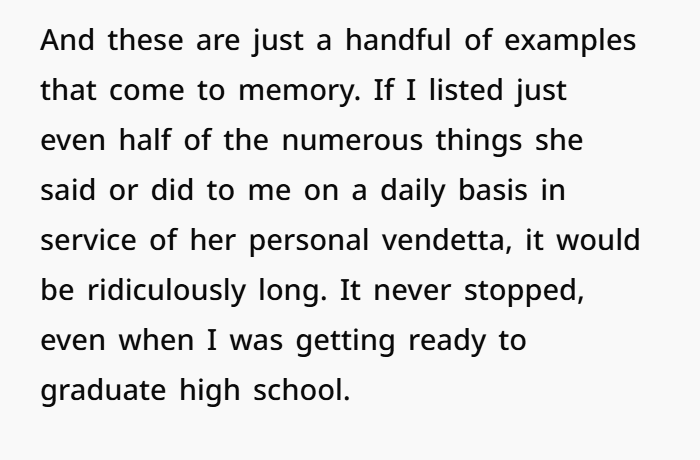
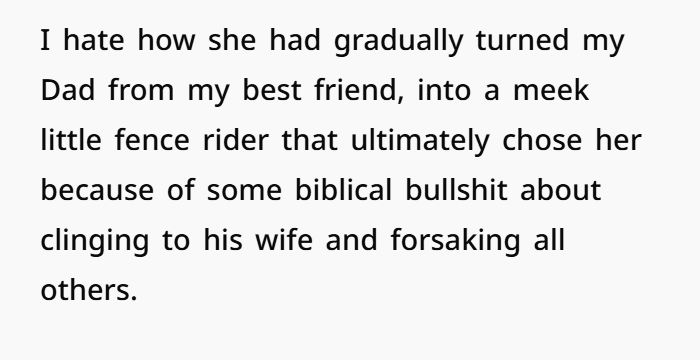
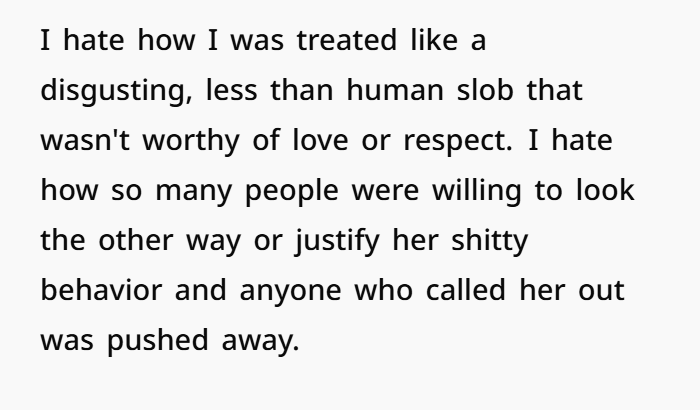
A person shares their painful childhood experience with a stepmother who treated them badly for years. Instead of feeling safe at home, they faced constant insults, blame, and harsh words. Their stepmother often accused them of things they hadn’t done and made them feel worthless.
What made things worse was that other family members did nothing to stop it. No one stepped in to protect them, leaving them to deal with the emotional pain alone.
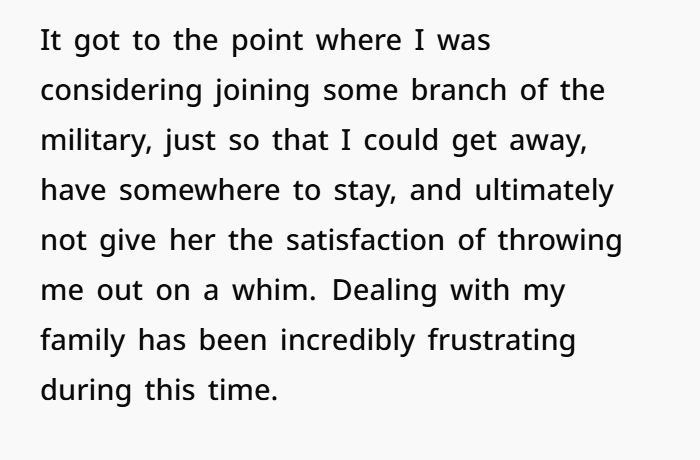
As they grew older, they decided to cut ties with their stepmother. They also stopped speaking to relatives who had ignored the abuse. It wasn’t an easy choice, but they wanted to protect their peace and move forward with their life.
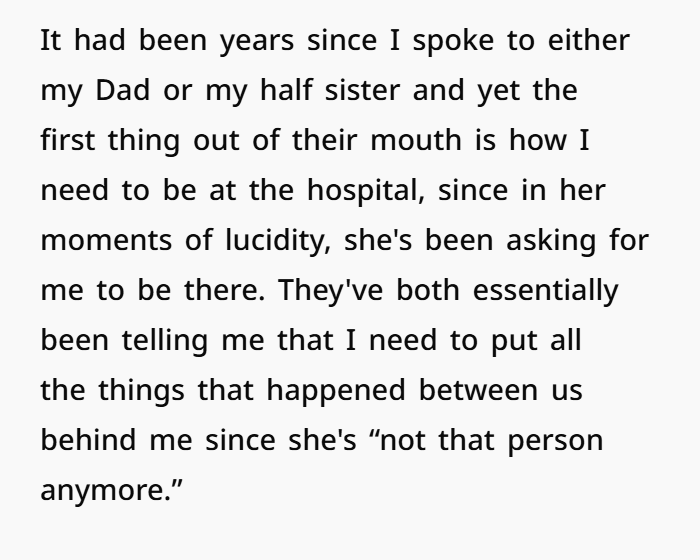
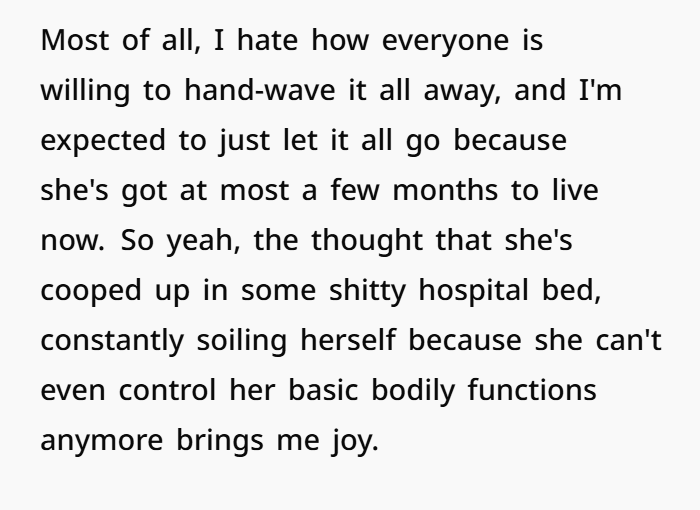
Years later, they learned that their stepmother was seriously ill and had been taken to the hospital. Family members soon began asking them to visit her, forgive her, and make peace before it was too late.
The relatives claimed she had changed and deserved another chance. They wanted everyone to put the past behind them and come together as a family again.
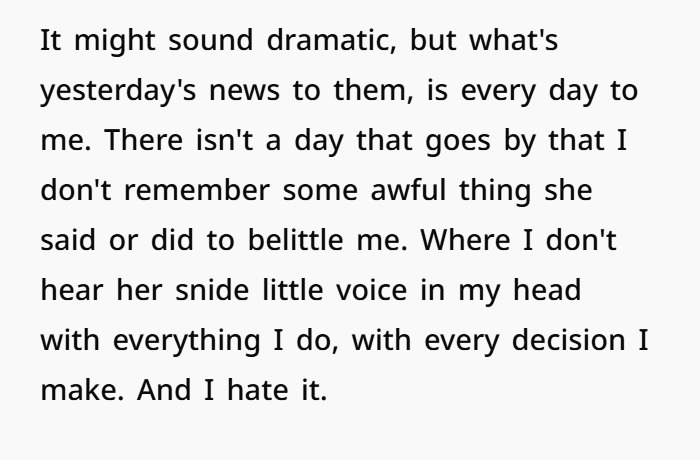
But the person didn’t feel the same way. The years of hurt and cruel treatment were still fresh in their mind. They couldn’t simply forget everything because their stepmother was now sick.
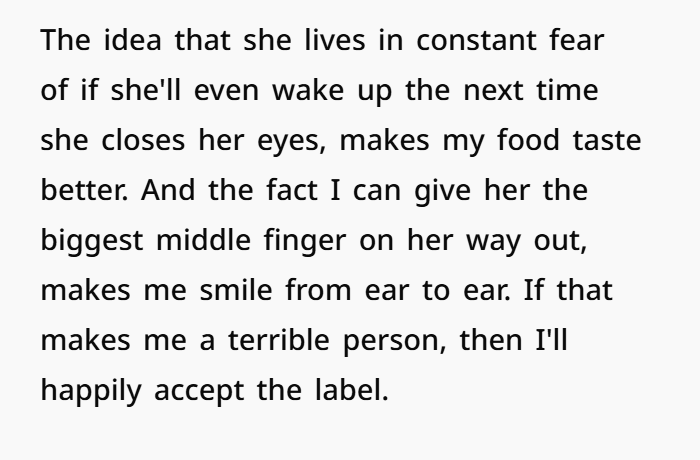
Instead of feeling sad or guilty, they felt relieved. Knowing that their stepmother could no longer hurt them brought a sense of peace they hadn’t felt before.
Now, they are left wondering whether their feelings make them a bad person. Their family expects forgiveness, but they don’t believe being related to someone means they must accept years of mistreatment.
The situation raises an important question: Is it wrong to feel relief when someone who caused you years of pain is no longer able to hurt you, even if that person is seriously ill?
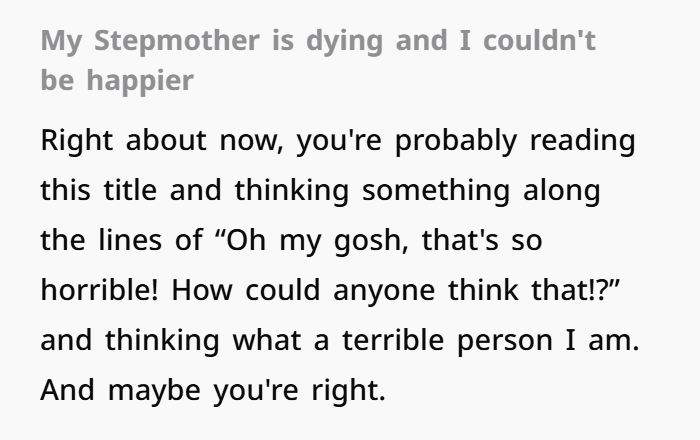
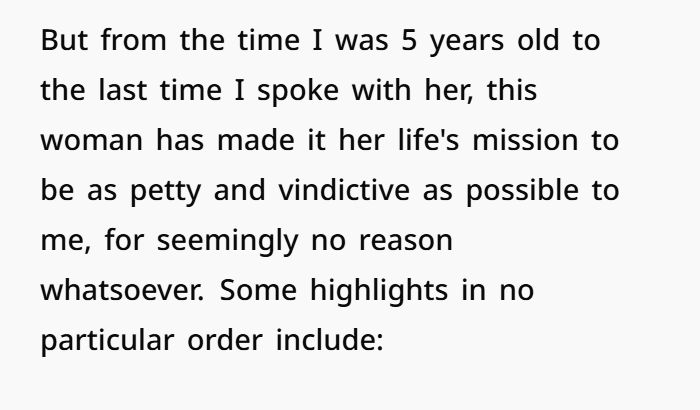
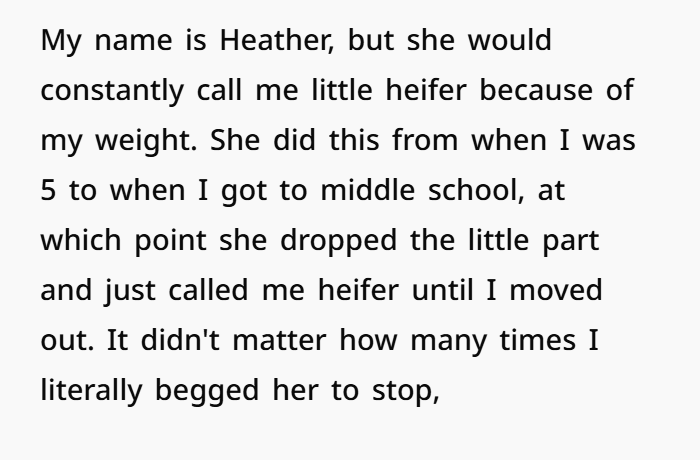
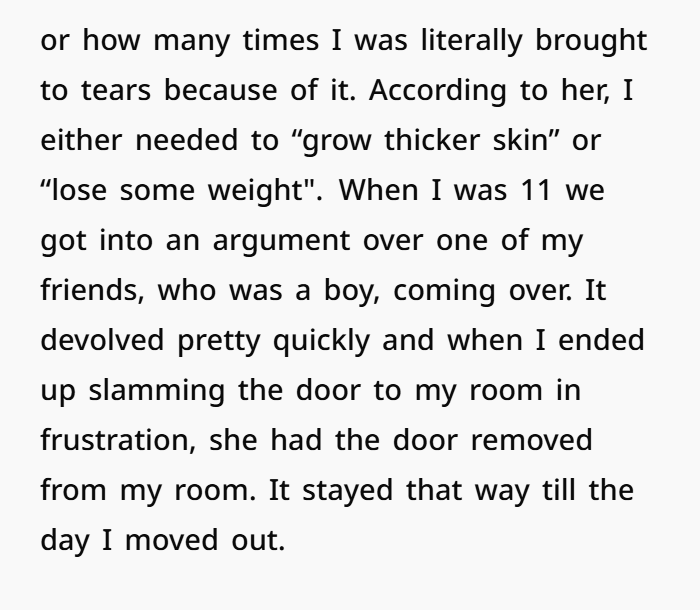
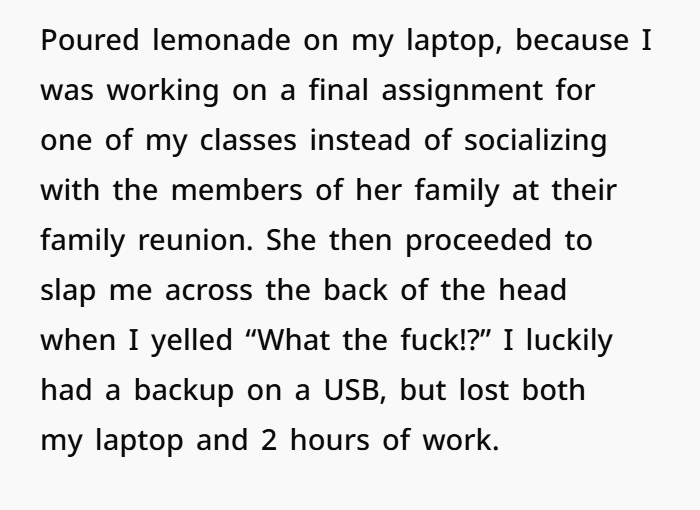
The author recounted her stepmother being so mean to her ever since she was five years old
Understanding Trauma, Boundaries, and Forgiveness
When someone has been hurt for years, those painful memories don’t simply go away. The effects can stay with them long after the abuse has ended.
People often say forgiveness is the best way to move forward. But healing isn’t always that easy. Some people need years to work through what happened, while others may never feel ready to forgive.
Setting clear boundaries can help people feel safe and regain control of their lives.
How Emotional Abuse Can Affect Someone for Years
The stepmother’s behavior wasn’t just a few harsh words or one bad argument. It was years of insults, blame, and cruel treatment that left lasting emotional scars.
Growing up in that kind of home can make a child feel unwanted, afraid, and alone. When other family members ignore the abuse, the pain can become even harder to deal with.
Studies have linked childhood emotional abuse to several long-term struggles, including:
Advertisement – Continue Reading Below
- Low self-esteem and a lack of confidence
- Anxiety, fear, and constant stress
- Trouble trusting other people
- Difficulty building healthy relationships
- Emotional pain that can last into adulthood
These effects don’t always fade when someone grows up or moves away. Even after cutting ties with an abusive family member, the memories can still cause pain.
Healing takes time, and everyone’s experience is different.
Forgiveness Should Be a Choice, Not a Demand
Forgiving someone who caused years of pain is a deeply personal choice. No one should feel forced to do it just because other family members want peace.
When relatives say things like “forget the past” or “just forgive her,” they may not understand how much damage was done.
Those words can make the person who was hurt feel as though their pain doesn’t matter.
Forgiveness cannot erase what happened. It also doesn’t mean someone must welcome an abusive person back into their life.
Some people find peace through forgiveness. Others find it by accepting what happened and keeping their distance.
A person can heal without forgiving someone who hurt them.
Why Setting Boundaries With Harmful Family Members Matters
Walking away from a harmful family relationship can be difficult, especially when relatives expect everyone to stay close.
But sharing blood or being part of the same family doesn’t give someone the right to mistreat another person.
For someone who has faced years of emotional abuse, keeping their distance may be the best way to protect their peace.
Healthy boundaries may include:
- Cutting off contact with an abusive relative
- Limiting calls, messages, or family visits
- Refusing to discuss painful topics
- Staying away from people who excuse past abuse
- Putting personal safety and mental health first
Other family members may not agree with these choices. They might even accuse the person of being selfish or holding a grudge.
Still, the person who experienced the abuse gets to decide what feels safe.
Setting boundaries isn’t about punishing someone. It’s about preventing more pain.
Is It Wrong to Feel Relief When an Abuser Becomes Ill?
Learning that someone who caused years of suffering is seriously ill can bring up mixed emotions.
Some people may feel sad, while others may feel anger, confusion, or nothing at all.
For someone who spent much of their childhood living in fear, the news might even bring relief.
These feelings can include:
- Relief that the abuse has stopped
- Peace from knowing they can no longer be hurt
- Emotional distance from the person who mistreated them
- Little or no sadness about the person’s illness
- Confusion about whether their feelings are wrong
Feeling relieved doesn’t always mean someone wishes harm on another person. Sometimes, it simply means they feel free from a source of pain.
There is also a difference between having difficult feelings and choosing to hurt someone.
People cannot always control their first emotional reaction. What matters is how they handle those feelings and treat others.
Talking with a trusted friend, writing in a journal, or seeking help from a therapist may help them make sense of their emotions.
No one is required to forgive, visit, or reconnect with someone who abused them simply because that person is sick.
In the end, healing is about finding peace with the past, not meeting everyone else’s demands. A person can respect their own feelings and protect their well-being without rebuilding a relationship that caused years of pain.motional harm. Personal healing, safety, and peace should remain a priority.
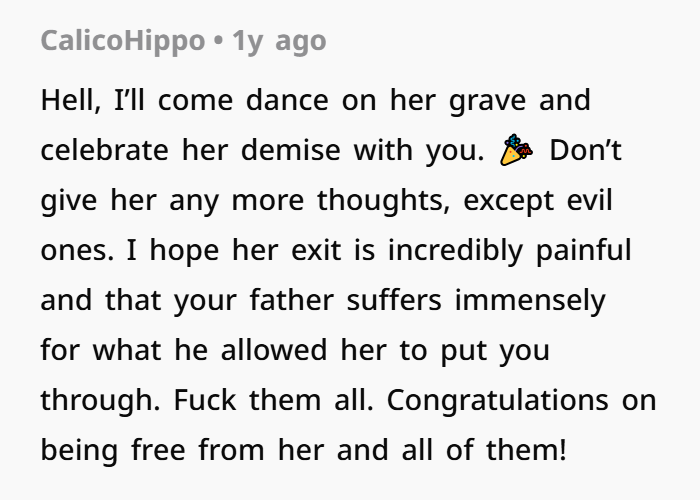
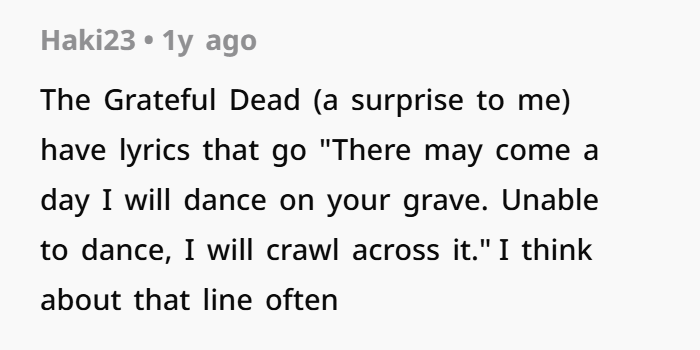
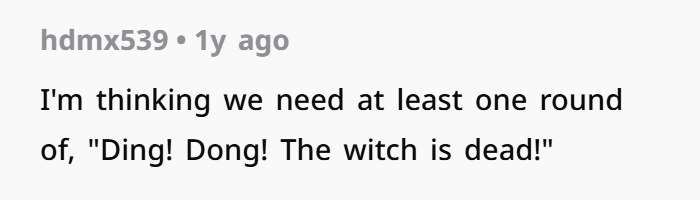
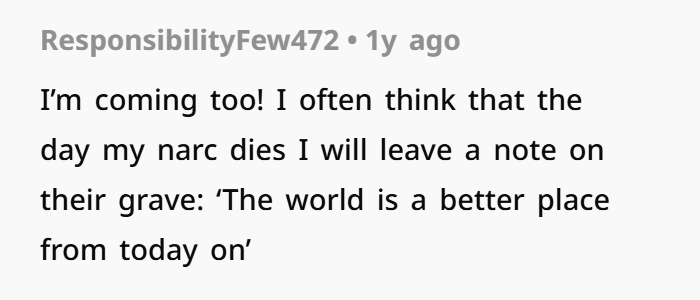
Netizens believe the author has every right not to want to visit her stepmother at the hospital and resorted to dark humor