I Discovered Our Dog Was Still Alive at the Shelter After My Partner Told Me He Had Died
Our family adopted Winston, a 12-year-old beagle, after his previous owner passed away. We wanted to give him a safe, loving home where he could enjoy his remaining years.
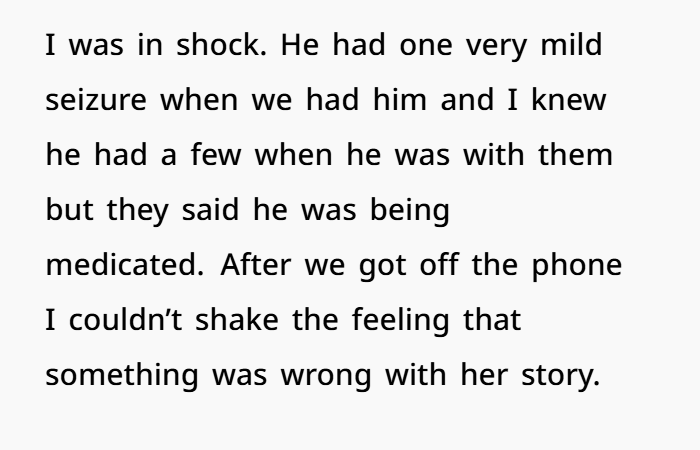
Winston was a gentle, sweet dog who quickly became part of our family. Although he was older and suffered from seizures, he was calm, friendly, and easy to care for.
Because of his age and health problems, he needed regular vet visits and extra attention. We even considered pet insurance to help cover future medical bills.
Despite everything, Winston was a loving companion who brought happiness into our lives.
After spending time with him, my in-laws became very attached to him. They enjoyed having him around, and we began thinking their quieter home might be better for his needs.
Eventually, we agreed to let Winston live with them, believing he would receive the love and care he deserved.
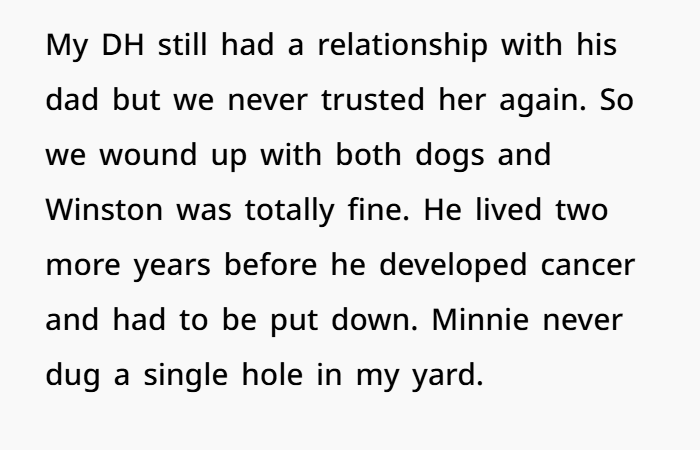
In return, we welcomed their dog, Minnie, into our home. This meant she could stay with people she knew instead of being sent to a shelter or another family.
At the time, the arrangement seemed like the best choice for everyone, including both dogs.
About a year later, everything changed.
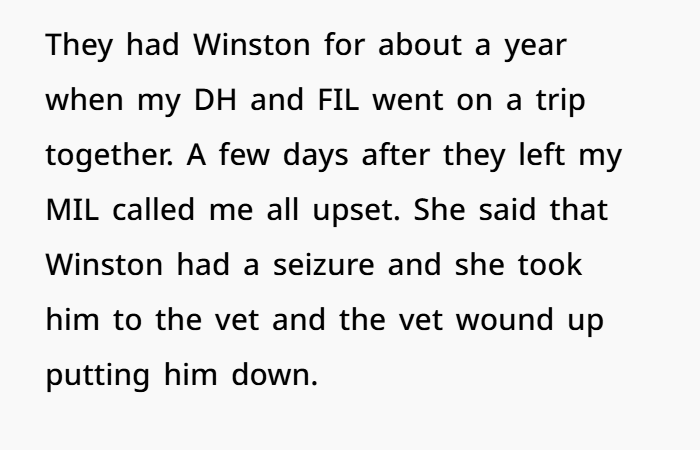
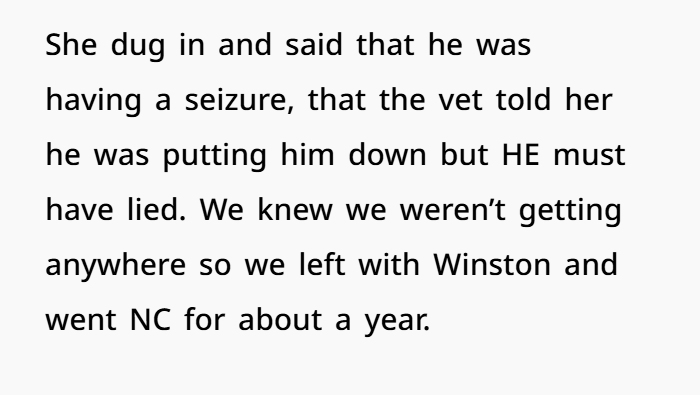
My mother-in-law called with heartbreaking news. She claimed Winston had suffered a serious medical emergency and passed away at an animal hospital.
We were devastated. Even though Winston was elderly and had health issues, we weren’t prepared to hear that he was gone.
But something about her story didn’t feel right.
Certain details left me confused, and I wanted to understand exactly what had happened to him.
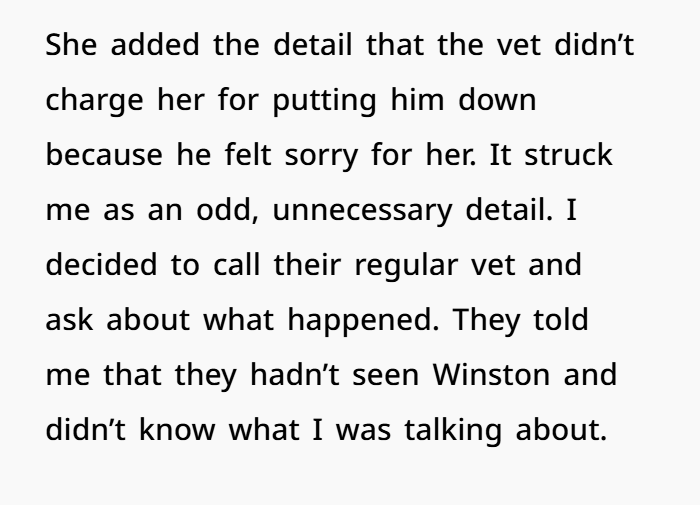
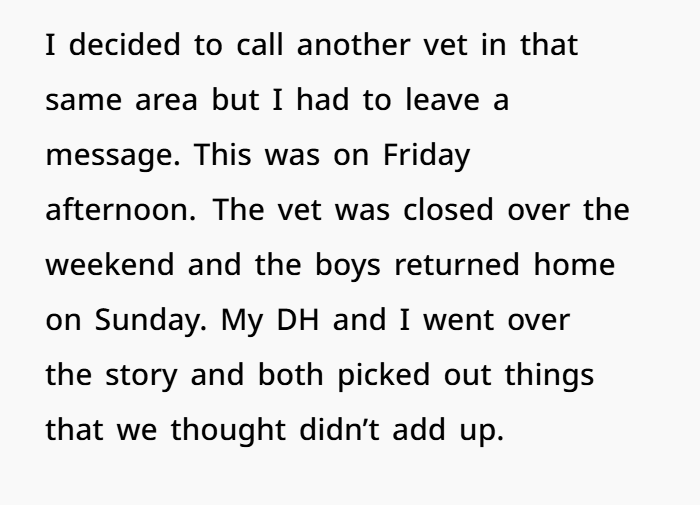
So I began asking questions and contacting local veterinary clinics, hoping to learn more about his final moments.
During my search, I came across information that didn’t match what my mother-in-law had told us.
One animal clinic said a beagle had been brought in and later transferred to animal control.
Advertisement – Continue Reading Below
That immediately raised questions.
If Winston had died at the hospital, why was there a record of a beagle being sent to animal control?
I decided to visit the county animal shelter to find out.
What I discovered left me stunned.
Winston was there, alive.
The dog we had been grieving was sitting in a shelter, even though we had been told he had died.
Seeing him again was overwhelming. I felt relieved that he was alive, but I was also hurt and confused.
How had he ended up there? Why had my mother-in-law told us he was dead? And what had really happened to him?
We had trusted our in-laws to give Winston a peaceful home during his later years. Finding him at the shelter made us question that trust.
The experience raised serious concerns about honesty, family relationships, and the care of older pets.
Senior dogs, especially those with health problems, depend on their owners to make safe and caring choices.
Winston deserved that same care and respect.
What began as an effort to give an elderly rescue dog a comfortable home turned into a painful family situation.
We thought Winston was gone forever. Instead, we found him alive at the pound, leaving us with more questions than answers.
Then One Day, She Got an Unexpected Call From Her Mother-in-Law
Winston’s story wasn’t just about a family disagreement. It raised serious concerns about trust, pet ownership, and the care animals deserve.
When a beloved pet is involved, emotions can run high. But these situations can also bring legal questions, medical costs, and problems over who owns the animal.
In many parts of the United States, pets are treated as personal property under the law. This means records can play a major role in proving ownership.
Adoption papers, vet records, microchip details, and pet licenses can all help show who legally owns an animal.
Receipts for medical care and other expenses may also provide useful evidence.
This becomes especially important when a pet moves from one home to another.
In Winston’s case, the family agreed to let him live with their in-laws. They believed he would receive better care in a quieter home.
But when they later discovered him alive at the shelter, questions arose about who had been making decisions for him.
That’s why families should discuss pet care arrangements before handing over an animal.
Everyone should know who will pay vet bills, handle medical needs, and make choices during an emergency.
Clear agreements can prevent confusion and protect the pet if problems arise.
Animal shelters also need correct details when taking in pets.
If someone provides false or unclear information, it can make it harder to find the rightful owner.
Vet records can be helpful in these cases.
Animal clinics often keep records showing who brought an animal in, what treatment was given, and who approved the care.
These details may help explain what happened when different people give conflicting accounts.
For Winston’s family, contacting local clinics helped them uncover information they hadn’t been told.
That search eventually led them to the shelter where Winston was still alive.
The story also shows why pet owners should plan for medical costs.
Older dogs often need more care than younger pets. Regular checkups, medicine, and emergency treatment can become expensive.
Winston already had seizures, which meant his health needed close attention.
Setting aside money for emergencies or looking into pet insurance can help owners prepare for unexpected bills.
However, pet insurance plans vary. Some may not cover health problems an animal had before the policy began.
Owners should read the terms carefully before choosing a plan.
When disagreements over pet ownership become serious, legal advice may help.
Depending on local laws, disputes may involve civil court or small claims court.
Adoption records, vet bills, microchip details, and proof of daily care can all become important.
A microchip can also help reunite a lost pet with its owner.
When the chip is registered with current contact details, shelters and clinics can use it to identify the person listed.
However, a microchip alone doesn’t always prove legal ownership.
It works best alongside other records that show the pet’s history.
Beyond paperwork and legal concerns, there’s also the emotional side of caring for animals.
For many families, dogs are much more than pets.
They offer comfort, friendship, and years of happy memories.
Losing a dog can feel like losing a family member.
That’s why Winston’s family was so devastated when they were told he had died.
Finding him alive brought relief, but it also raised painful questions about the people they had trusted.
When someone gives false information about a beloved pet, rebuilding that trust can be difficult.
Families may need to set clearer boundaries and make new rules about who can care for their animals.
The animal’s well-being should always come first.
Moving between homes can be stressful for dogs, especially older ones.
A senior dog may struggle with unfamiliar surroundings, changes in routine, or being separated from people they know.
For a dog like Winston, who already had health problems, a stable and caring home was especially important.
His story is a reminder that taking responsibility for an animal means more than providing food and shelter.
It also means making careful choices, seeking medical help when needed, and being honest with everyone involved in the pet’s care.
Pet owners can protect their animals by keeping records safe, updating microchip details, planning for vet bills, and making care arrangements clear.
These steps may seem small, but they can make a major difference during an emergency.
Most importantly, pets depend on people to speak and act on their behalf.
Winston’s experience shows why honesty, proper care, and clear communication matter so much. Animals can’t explain what happened to them, so the people responsible for them must put their safety first.
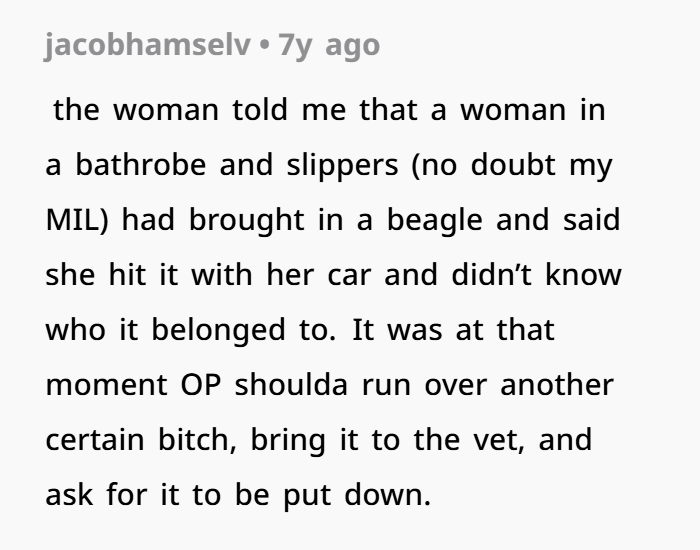
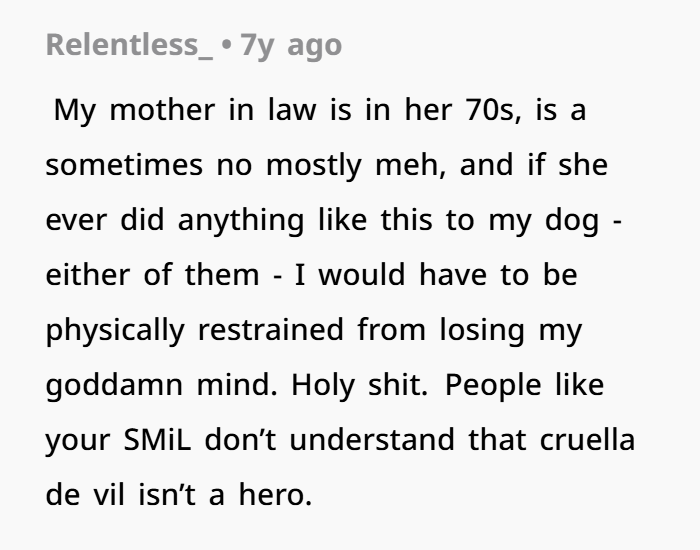
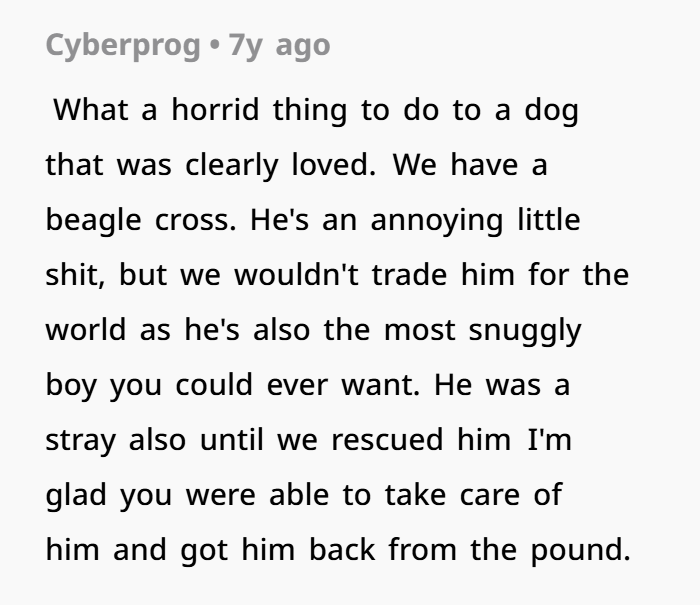
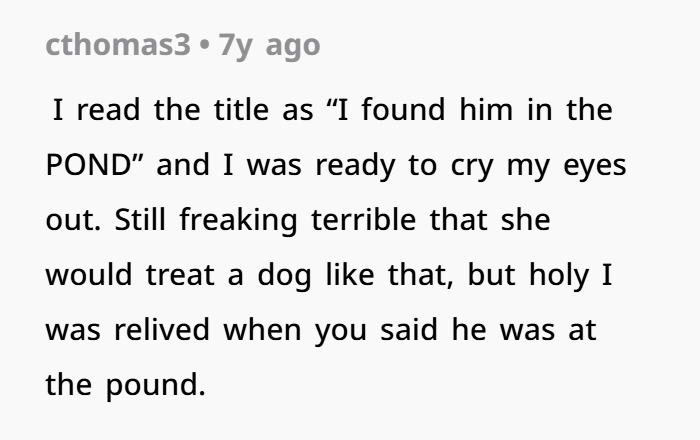
People have had a lot of reactions to this woman’s experience