AITAH for Thinking About Leaving My Husband After He Started Locking the Door and Making Me Feel Uneasy?
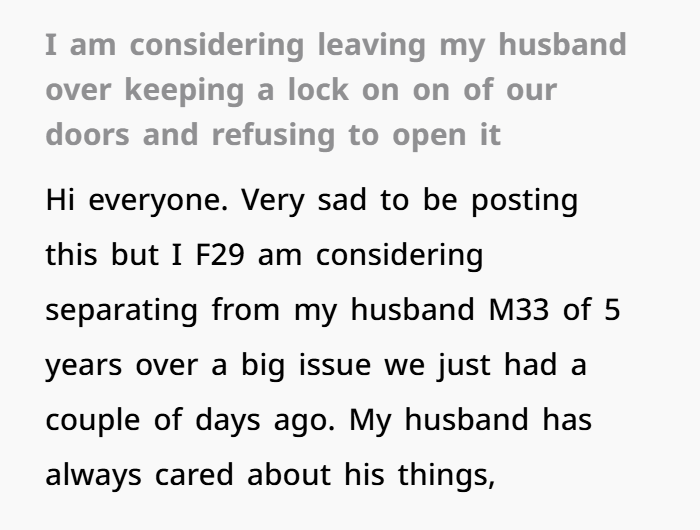
I’m 29 years old, pregnant, and have been married to my 33-year-old husband for five years. We also have a toddler, so life has been pretty busy and stressful lately.
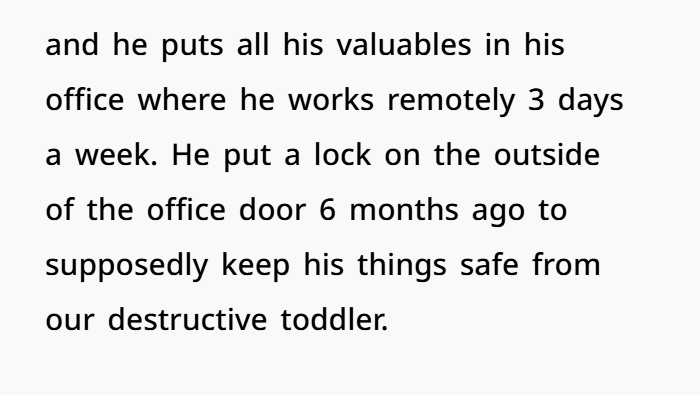
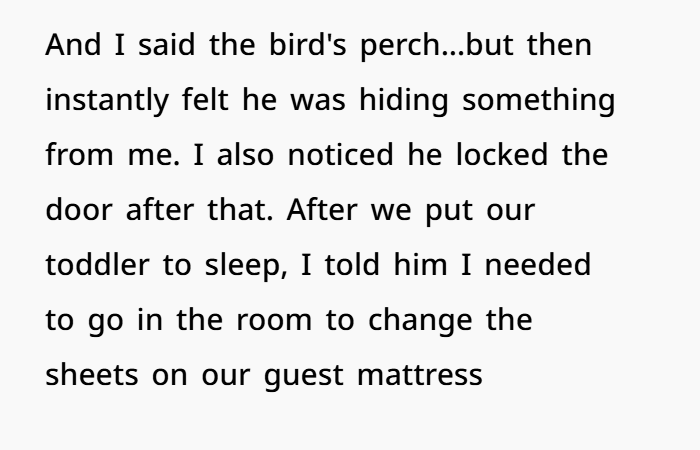
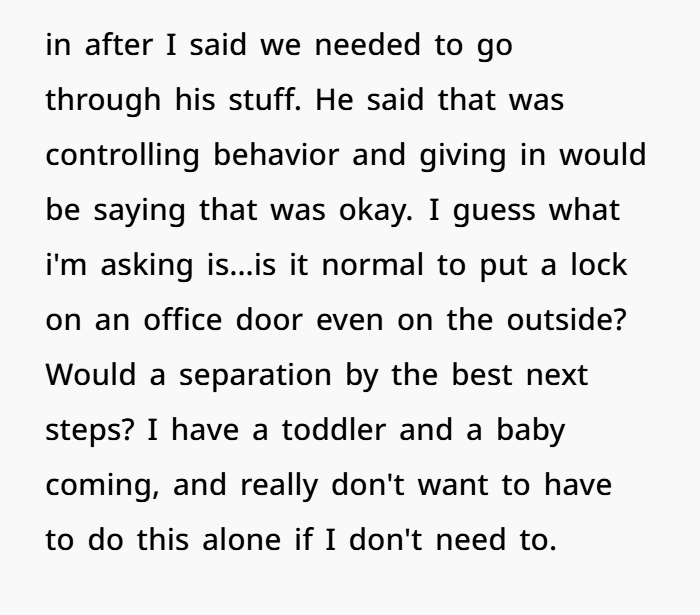
My husband works from home a few days a week and has a small office in our house. About six months ago, he put a lock on the outside of the office door. He said he wanted to keep our toddler out and protect his things. At first, I didn’t think much of it.
But as time went on, things started to feel strange. The key was often missing, and I couldn’t get into the office when I needed something.
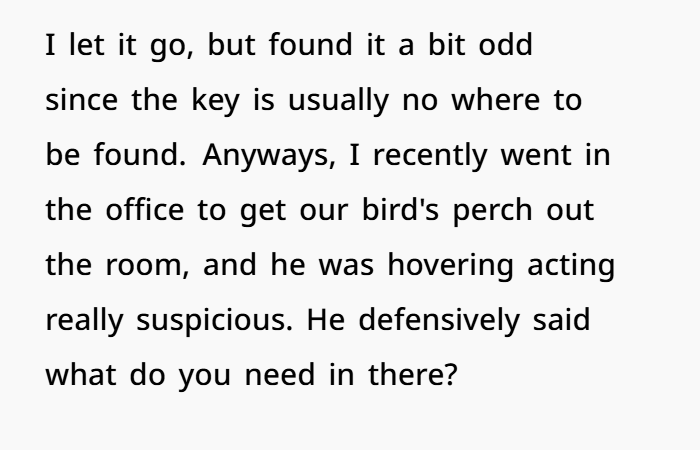
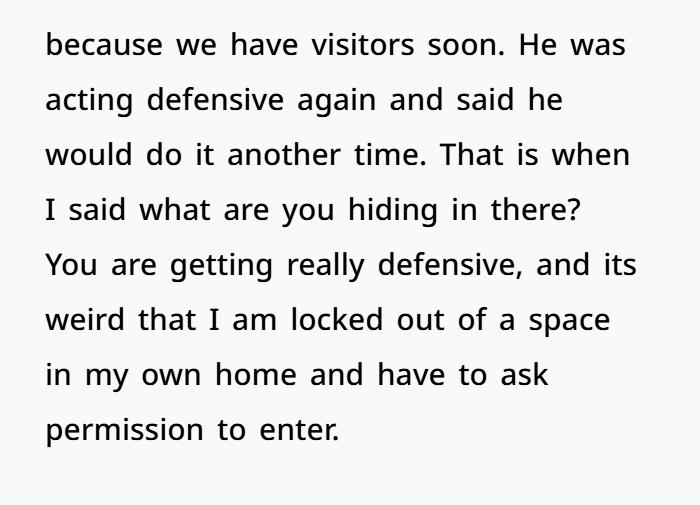
Recently, I went into the room to grab something for the house, and my husband got upset. After I left, he locked the door again. Later, when I needed clean bedding for our guests, he refused to let me inside.
When I asked why he was acting this way, he accused me of being controlling. I couldn’t understand why getting something from a room in our own home had become such a big problem.
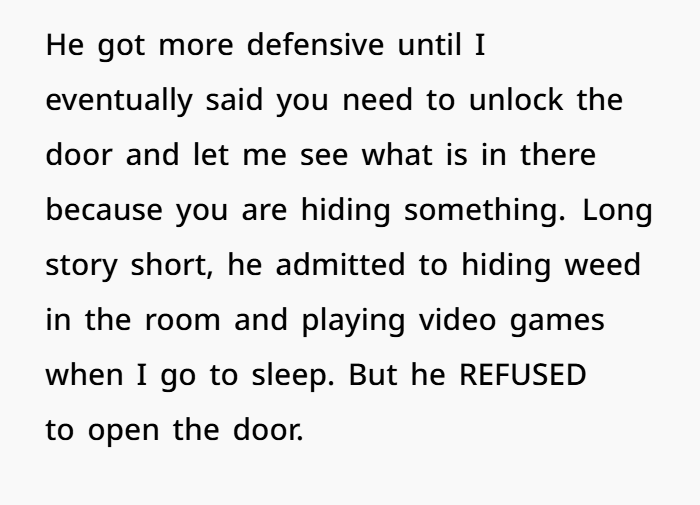
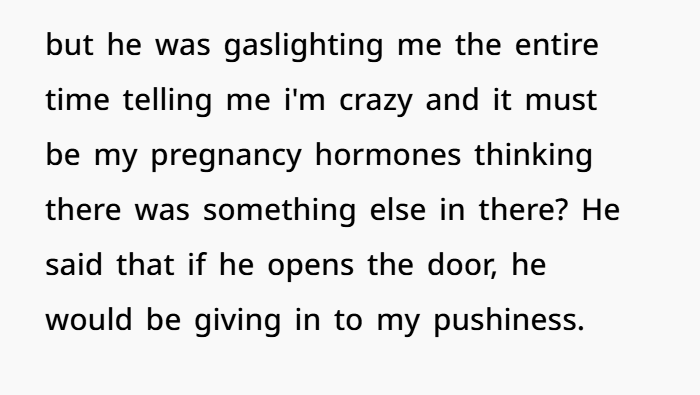
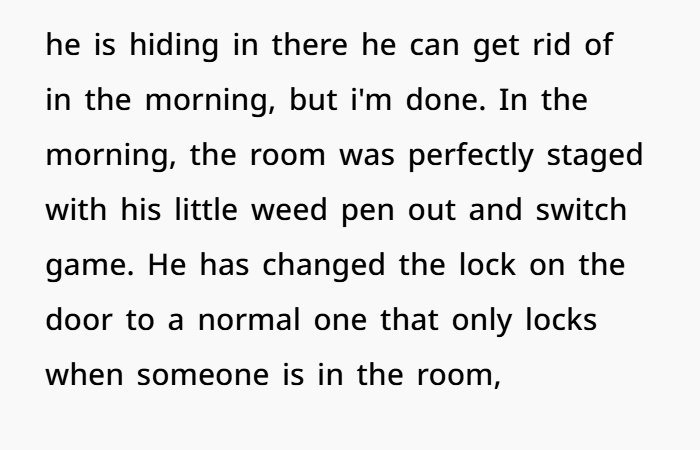
Eventually, he admitted that he had been hiding weed and video games in the office. But instead of understanding why I was upset, he said letting me in earlier would have meant giving in to my demands.
That response hurt even more. I wasn’t trying to control him or invade his privacy. I just wanted to be able to access things in our home without having to argue about it.
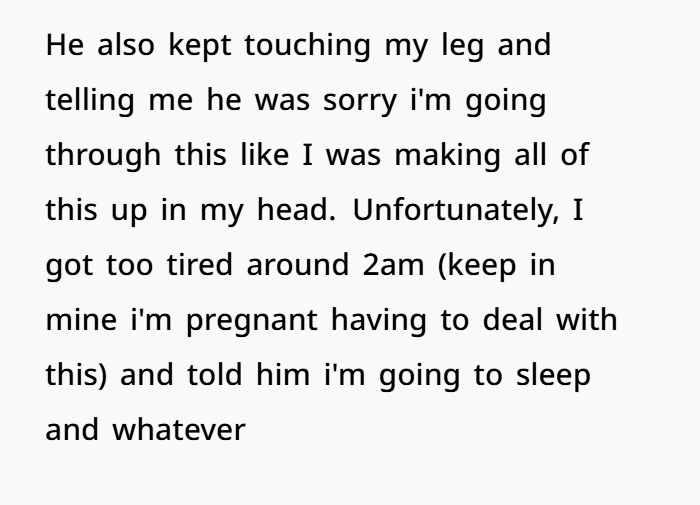
When I tried to explain how his behavior made me feel, he brushed off my concerns. He even blamed my pregnancy hormones, making me feel like my feelings didn’t matter.
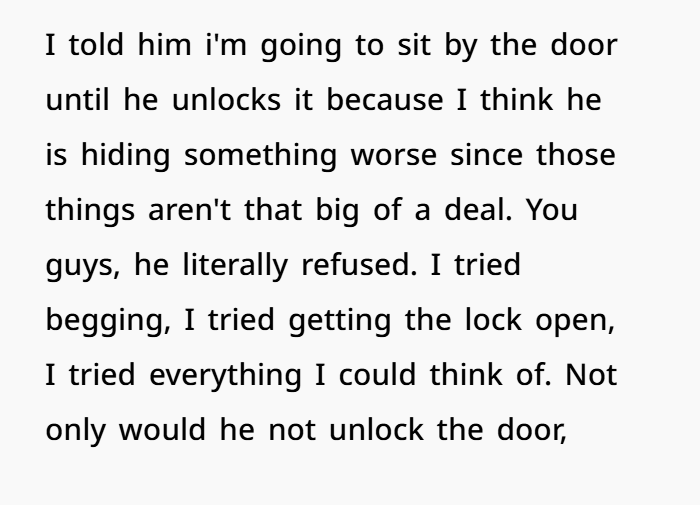
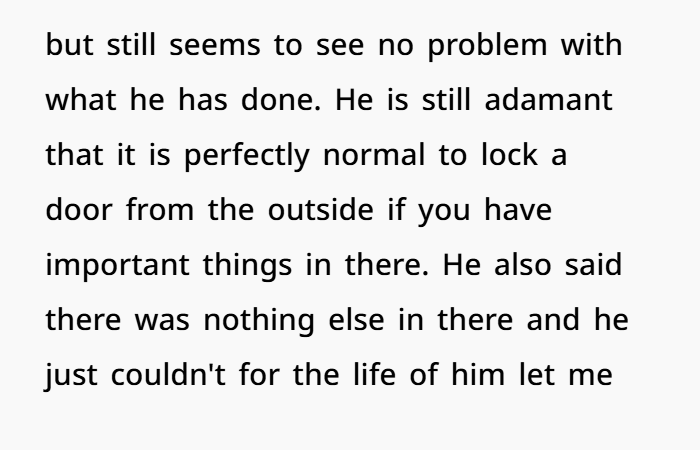
He later changed the lock, but he acted as though the whole situation was nothing serious. For me, though, the problem wasn’t just the locked door anymore. It was the secrecy, the arguments, and the way he treated me when I asked simple questions.
Now I’m struggling with what to do next. We have a toddler, and I’m expecting another baby. I want our children to grow up in a home where both parents trust and respect each other.
I’ve thought about marriage counseling because I don’t want to give up on our relationship without trying to fix things. But I’m also worried about what happens if his behavior doesn’t change.
I love my family, but I don’t want to spend my life feeling shut out, dismissed, or afraid to ask questions in my own home.
All I want is honesty, respect, and a partner who takes my feelings seriously.
AITAH for thinking about leaving my husband over this, even though we have a toddler and another baby on the way?
Make the opening hook more suspensefulStrengthen the husband’s dismissive behavior
The author of the post and her husband have one toddler, and the woman is bearing another baby now
A healthy marriage should make both partners feel respected, valued, and included in decisions that affect their lives. Everyone needs some privacy, but keeping secrets can slowly damage trust.
Advertisement – Continue Reading Below
When one partner locks a room in a shared home and refuses to explain why, it can raise concerns. This becomes even more upsetting when the room holds things the family needs.
Having personal space is normal, but both partners should be able to talk about their needs. Respecting boundaries while being honest with each other helps keep a relationship strong.
Privacy vs. Secrecy in a Shared Home
Everyone deserves privacy, even after getting married. Having personal belongings, hobbies, and time alone is healthy.
But there’s a difference between wanting privacy and keeping secrets that affect your partner.
For example, having a private office isn’t usually a problem. However, refusing to let your spouse enter that room, even when they need household items, can create tension.
The issue isn’t always the locked door itself. It’s how the situation is handled and whether both people feel respected.
In a marriage, both partners share a home, make plans, and often raise children together. That makes honest talks about shared spaces even more important.
Why Locked Spaces Can Create Trust Issues
Imagine needing clean bedding for guests but being told you cannot enter a room in your own home.
That kind of situation can leave someone feeling confused, frustrated, or shut out.
Some actions that may raise concerns include:
- Refusing to let a partner enter a room without explaining why
- Keeping household items locked away
- Getting angry when asked about access
- Avoiding simple questions about what is being kept inside
A locked room doesn’t always mean someone is hiding something harmful. There may be valid reasons for keeping certain items private or away from children.
But when a partner refuses to talk about those reasons, trust can suffer.
Both people should be able to discuss the problem and agree on a fair solution.
Control, Communication, and Emotional Safety
Good communication means more than simply talking. It also means listening and taking each other’s feelings seriously.
Disagreements happen in every marriage. What matters is how both partners handle them.
Problems can grow when one person regularly:
- Dismisses their partner’s feelings
- Refuses to explain their actions
- Avoids important conversations
- Accuses their partner of overreacting
- Blames reasonable concerns on emotions or hormones
These responses can leave someone feeling unheard and alone.
For example, blaming a pregnant woman’s concerns on her hormones can feel deeply hurtful. Her feelings still deserve respect, even if her partner disagrees.
When this behavior happens repeatedly, it can create emotional distance and make honest conversations harder.
Both partners should feel comfortable raising concerns without fearing anger or ridicule.
Boundaries and Respect in Marriage
Personal boundaries are important in every relationship. They help people protect their privacy, comfort, and well-being.
However, boundaries should not be used as an excuse to ignore shared duties or dismiss a partner’s needs.
In a marriage, respect often means finding a balance between personal space and family needs.
For example:
- Both partners should have fair access to shared household items.
- Private spaces should be discussed when they affect family life.
- Decisions involving shared areas should consider both partners.
- Each person should be able to express concerns without being mocked or ignored.
A husband may want a private office, and his wife may need access to household supplies stored there.
Both needs can matter at the same time.
Instead of arguing over who controls the room, the couple could agree on where shared items belong and when privacy is needed.
The goal should be finding a solution that works for everyone.
How Trust Issues Affect Everyday Life
Trust doesn’t disappear overnight. Sometimes, it weakens through small actions that happen again and again.
A missing key, an unexplained rule, or an angry response to a simple question may seem minor on its own.
But when these things keep happening, they can make a partner question what is going on.
Over time, this may lead to:
- Worry and anxiety
- Constantly questioning a partner’s actions
- Emotional stress
- More frequent arguments
- Doubts about the future of the marriage
These feelings can become even harder to manage when a couple has young children or is expecting another baby.
Daily family life already comes with many duties. Ongoing conflict can add stress when both partners need support.
Clear answers and honest conversations can help reduce confusion and rebuild trust.
Emotional Abuse Red Flags: When to Pay Attention
Not every argument or disagreement means a relationship is abusive.
However, repeated behavior that makes someone feel afraid, powerless, or worthless deserves attention.
Some warning signs include:
- Constantly ignoring a partner’s concerns
- Making someone feel foolish for asking questions
- Blaming the other person for every disagreement
- Refusing to discuss problems that affect the family
- Using anger or silence to avoid taking responsibility
One argument may not reveal the full picture. It’s important to look at whether these actions form a repeated pattern.
For example, dismissing someone’s feelings once during a stressful moment is different from doing it every time they raise a concern.
If a person regularly feels afraid to speak up, that may point to a deeper problem.
Emotional safety means being able to share feelings, ask questions, and disagree without fear of threats or punishment.
When Behavior Becomes a Deal-Breaker in Marriage
Everyone has different limits when it comes to relationships.
Some couples can work through serious disagreements with time, effort, and honest conversations.
Others may struggle when the same problems continue without any sign of change.
Certain behaviors can become deal-breakers, such as:
- Refusing to discuss ongoing problems
- Continuing to hide important information
- Showing little concern for a partner’s feelings
- Making no effort to rebuild damaged trust
- Rejecting every attempt to find a fair solution
The biggest concern is often not the first mistake but what happens afterward.
Does the person listen? Do they accept responsibility? Are they willing to change?
These questions can reveal whether both partners are ready to work on the marriage.
A relationship cannot improve through one person’s effort alone.
Thinking About the Next Steps
When trust begins to break down, deciding what to do next can feel overwhelming.
This is especially true when children, pregnancy, and shared responsibilities are involved.
Before making a major decision, it may help to think about a few questions:
- Does my partner take my concerns seriously?
- Do I feel respected and safe in my home?
- Can we discuss problems without constant arguments?
- Has my partner shown a real desire to change?
- Do I believe we can rebuild trust together?
The answers may help make the situation clearer.
It’s also worth looking at the full relationship rather than focusing on one argument.
A single disagreement about a locked office may be something a couple can resolve. But repeated secrecy, blame, and disrespect may point to larger problems.
Taking time to understand these patterns can help someone decide what they need from their marriage.
When to Seek Support
Sometimes, couples need help working through problems they cannot solve on their own.
Seeking support doesn’t mean the marriage is over. It can be a way to understand what went wrong and whether things can improve.
Some options include:
- Marriage counseling: A trained counselor may help couples discuss problems and improve how they communicate.
- Trusted friends or family: Talking to someone supportive can provide comfort and a fresh point of view.
- Individual therapy: Speaking with a therapist can help someone sort through difficult feelings and understand their needs.
- Legal advice: If separation is being considered, learning about legal rights and responsibilities may help with planning.
Couples counseling may be helpful when both partners feel safe and want to work together. If there are threats, fear, or controlling behavior, private support from a trained professional may be a safer first step.
For someone who is pregnant and caring for a toddler, having reliable emotional and practical support can be especially helpful.
Final Thoughts
A locked office door may seem like a small issue, but the way a couple handles it can reveal bigger problems.
Privacy is important, and both partners deserve personal space. At the same time, secrecy and dismissive behavior can damage trust.
In this case, the wife’s concerns go beyond the door itself. She feels hurt because her husband kept things hidden, refused access to shared items, and dismissed her feelings.
The question isn’t simply whether he has a right to privacy. It’s whether they can find a way to respect each other’s needs and rebuild trust.
A strong marriage requires honesty, patience, and effort from both people.
Whether the couple chooses counseling, makes changes at home, or considers other options, the focus should remain on respect, emotional safety, and the well-being of their children.
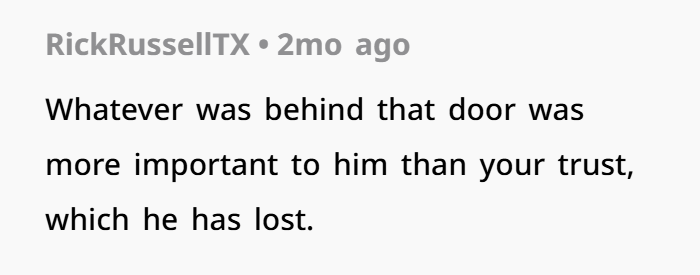
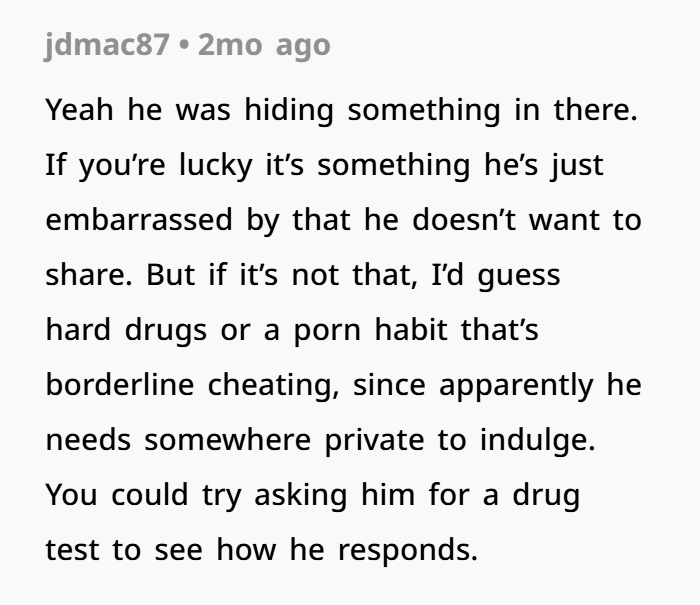
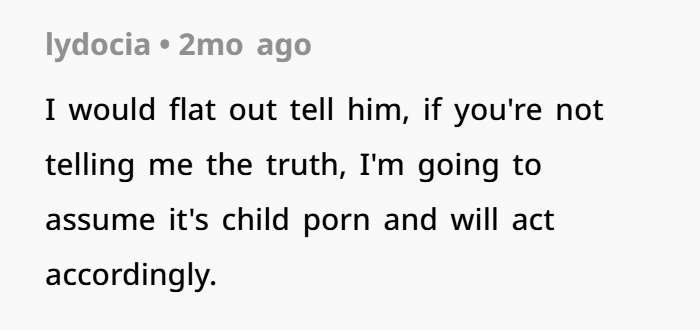
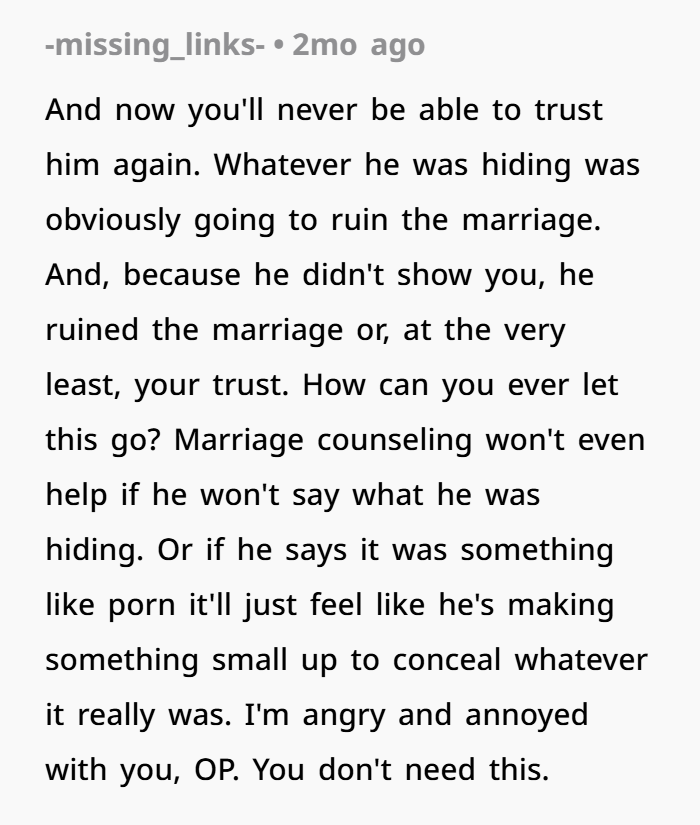
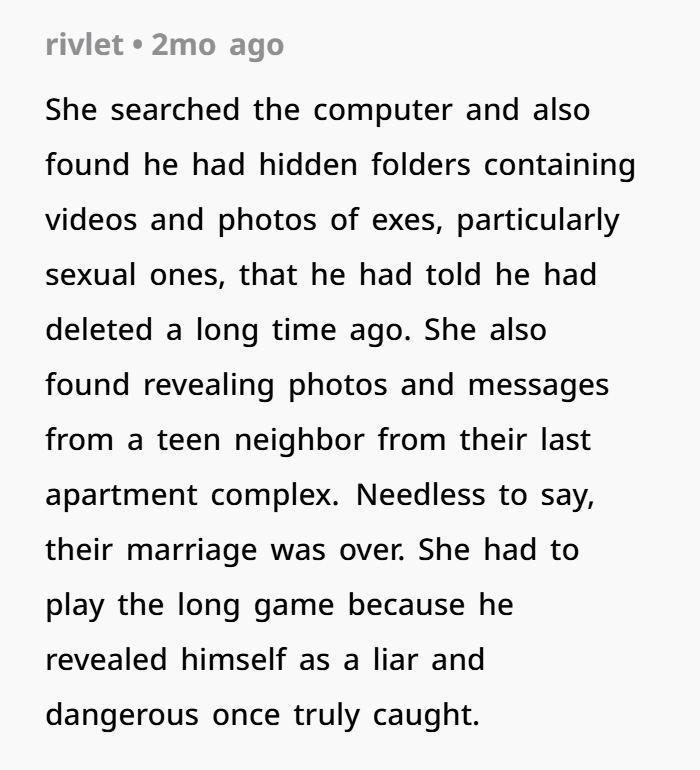
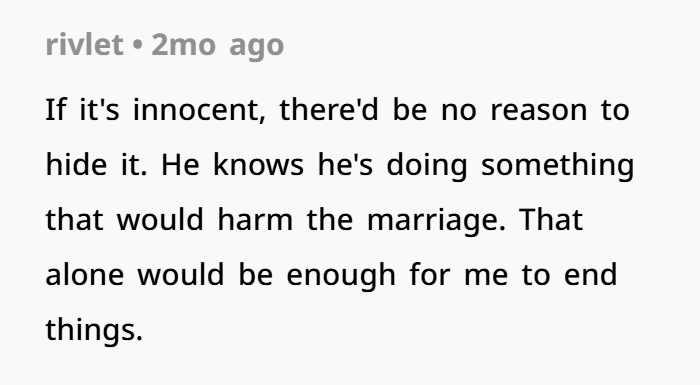
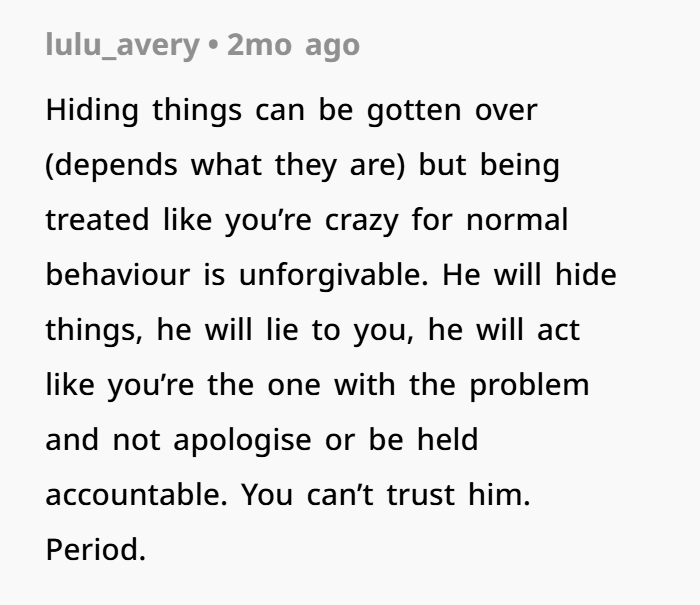
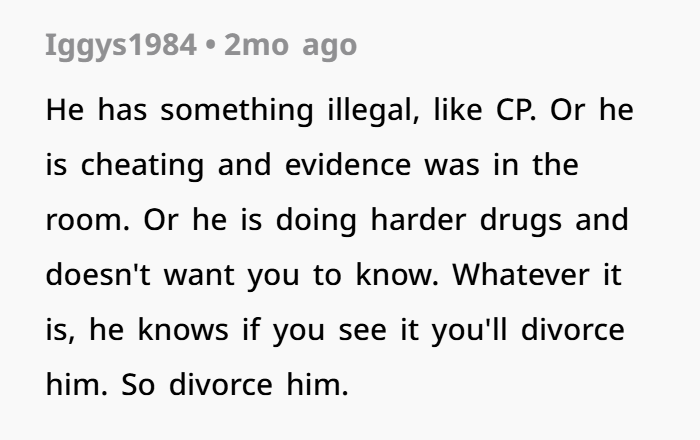
Most commenters sided with the author, claiming that her concerns are totally justified and the trust is destroyed here


A healthy marriage is built on trust, respect, and honest conversations. Both partners deserve privacy, but keeping secrets or shutting each other out can slowly damage their relationship.
When one partner keeps ignoring the other’s concerns, it can lead to hurt feelings, stress, and a loss of trust. These feelings matter and should never be brushed aside.
Everyone deserves to feel safe, loved, and respected in their own home. This becomes even more important when raising children and sharing family responsibilities.
A strong relationship requires both people to listen, understand each other’s needs, and work through problems together. Without honesty and mutual respect, even small disagreements can grow into serious issues.