I Left Home at 18 and Never Went Back
A teenager’s decision to leave home has sparked a larger talk about family, parenting, and emotional health.
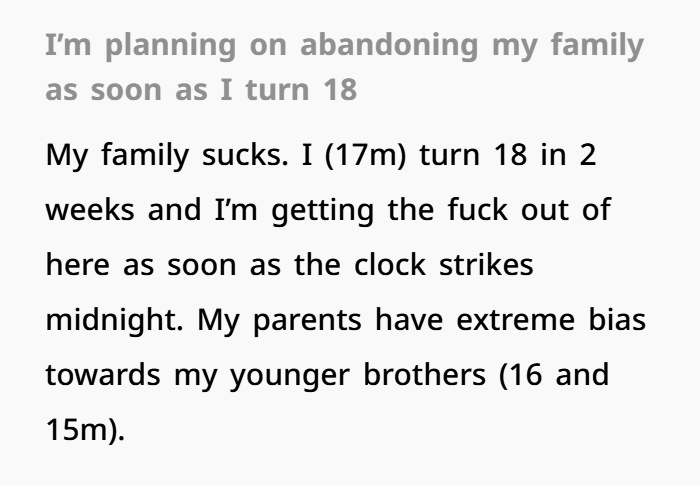
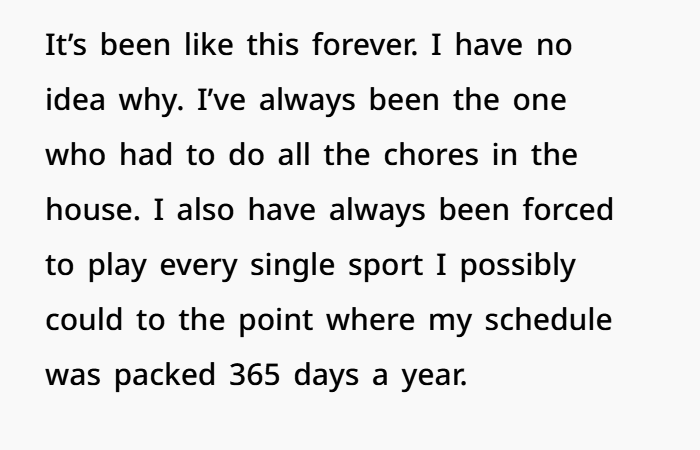
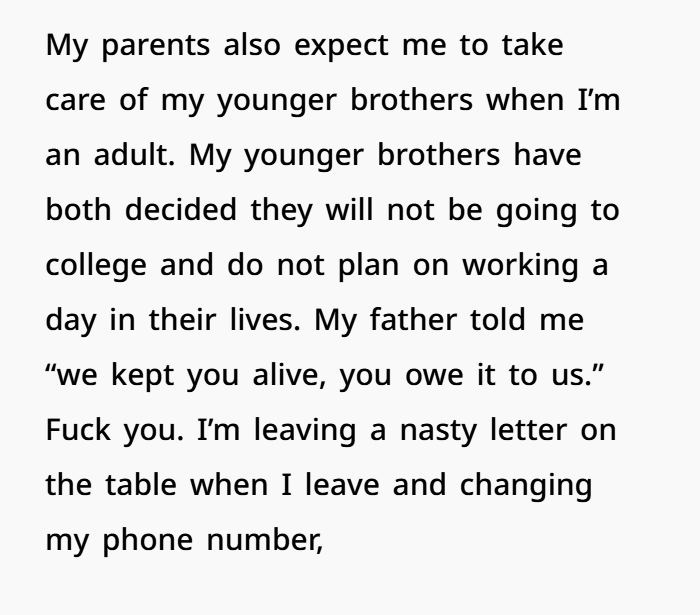
Now 18, he says he often felt treated differently from his younger brothers. Growing up, he faced stricter rules and had more chores around the house. His parents also expected him to stay busy with activities and meet higher standards.
But the biggest issue was not just the extra work. He felt he received less care and emotional support than his siblings.
He says his parents often reminded him of the sacrifices they had made. As he grew older, they expected him to carry even more responsibility.
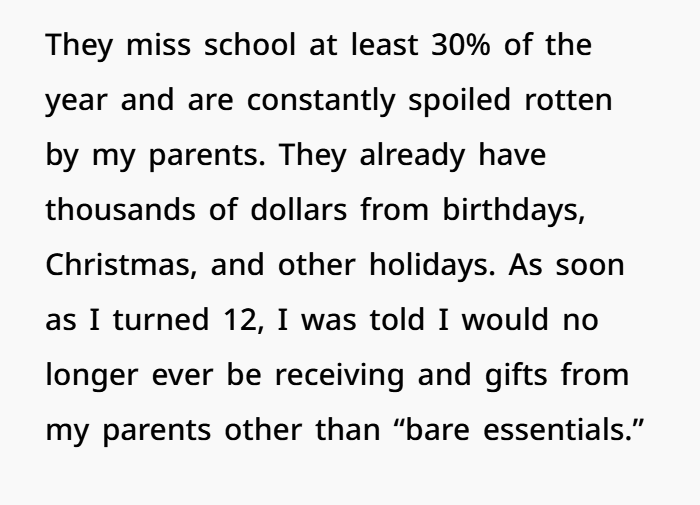
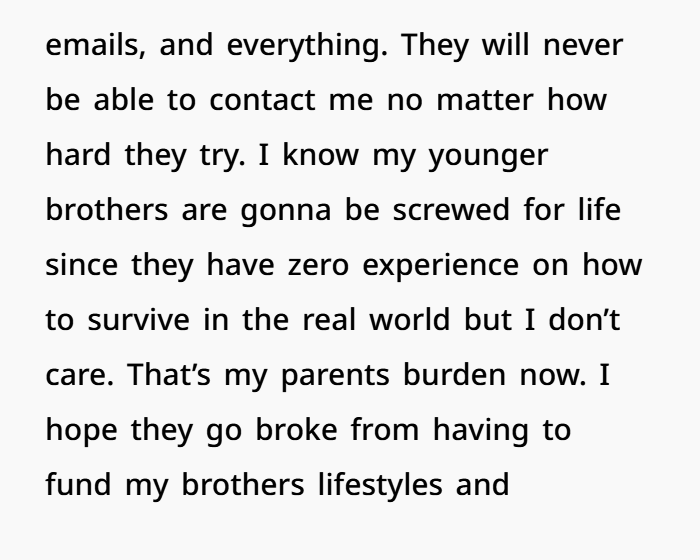
Meanwhile, he felt his younger brothers had much more freedom. They had fewer chores, fewer rules, and faced fewer consequences for their choices.
His story has since sparked debate about fairness at home. It has also raised questions about parenting, mental health, and emotional support.
After turning 18, he decided it was time for a fresh start.
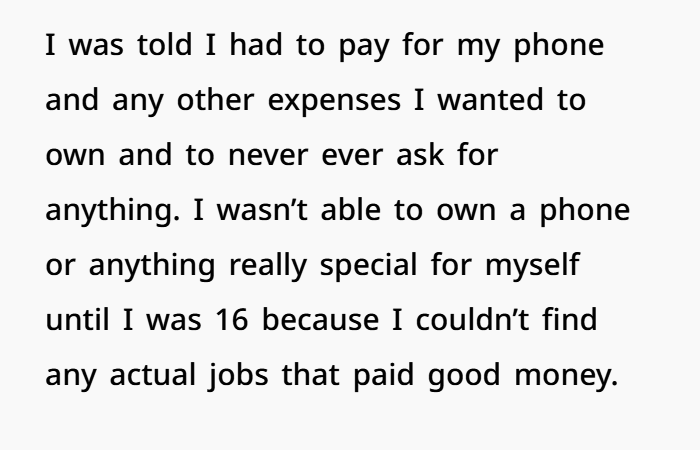
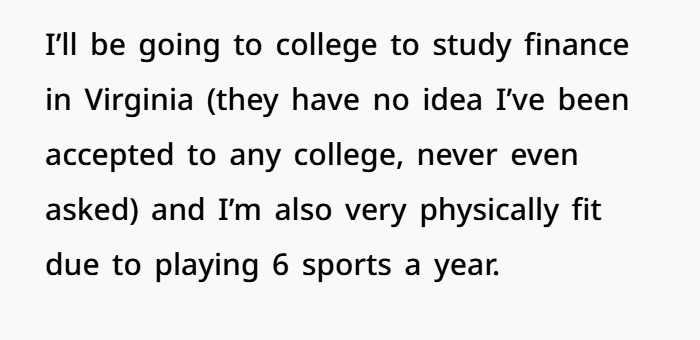
He had already spent months preparing for the move. He saved money, gathered key documents, made college plans, and thought carefully about his future.
Once he became a legal adult, he left home. He moved nearly 1,000 miles away to attend college in another state. He also contacted the proper authorities to confirm he was safe and had left by choice.
Since then, he says his life has changed for the better.
He is doing well in college and keeping his grades up. He works part-time, has made new friends, and is focused on building his own life.
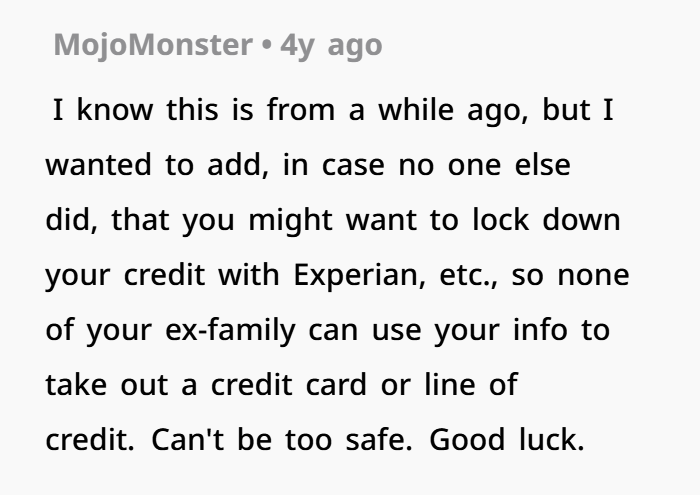
For him, moving away brought a new sense of freedom. It gave him space to focus on school, work, money, and his future.
Most of all, he could finally start making choices for himself.




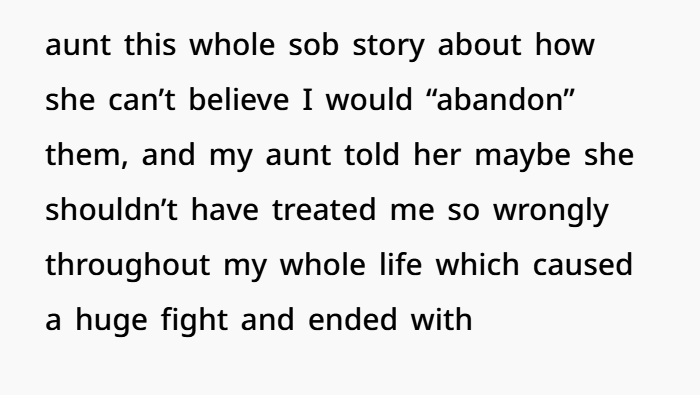
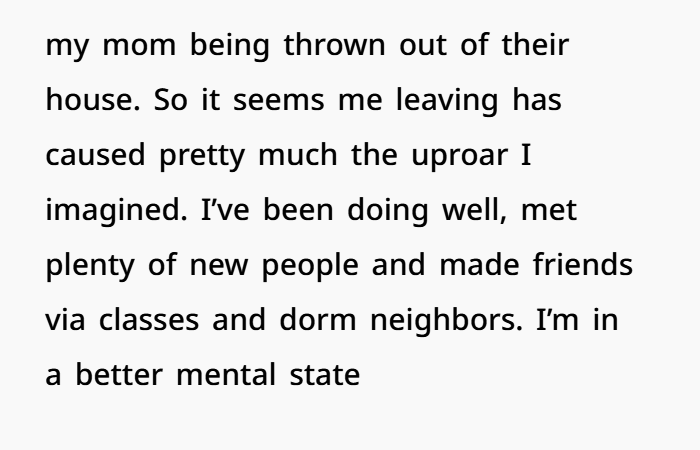
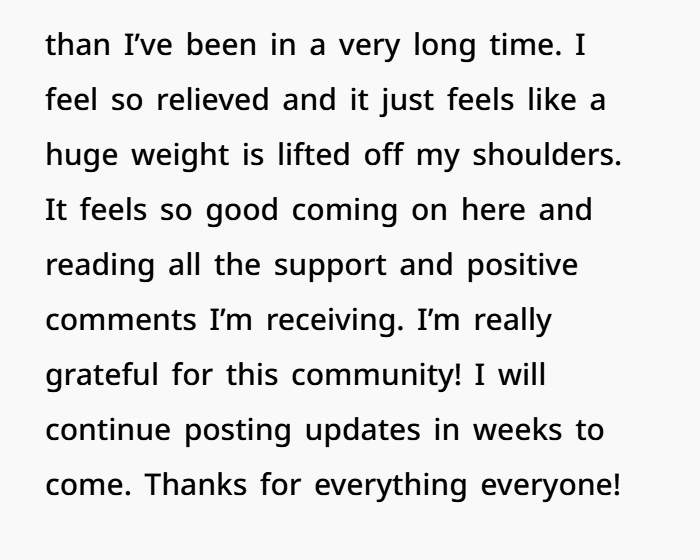
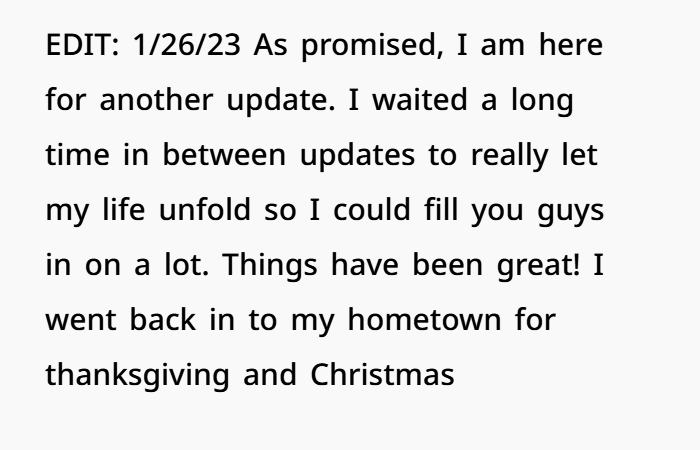

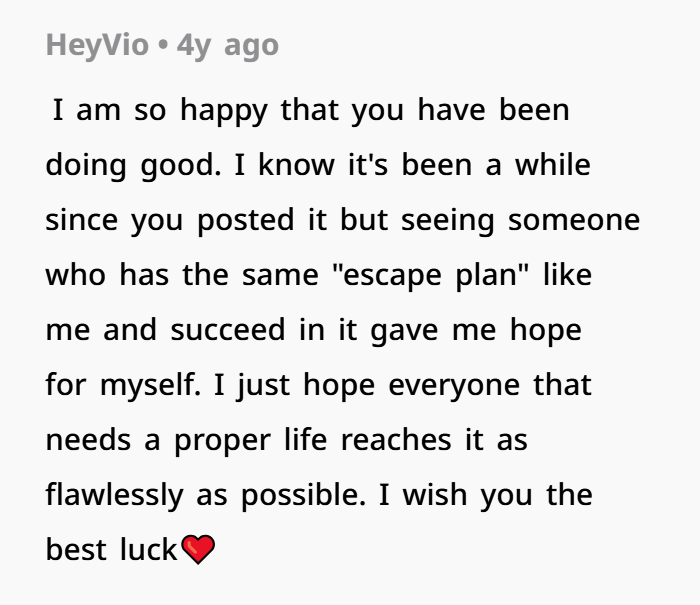
The story quickly gained attention online. Many readers saw parts of their own childhood in his experience.
Some grew up in homes where one child carried more responsibility than the others. That child faced stricter rules, more chores, and higher expectations. Meanwhile, younger siblings often seemed to have more freedom.
For many readers, that was the heart of his story.
Advertisement – Continue Reading Below
Leaving home at 18 drew plenty of attention. But people were just as interested in what pushed him toward that choice.
He described years of feeling held to a different standard. He believed his younger brothers received more freedom and support. At the same time, he felt pressure to become independent at an early age.
That difference raised questions about favoritism within families.
Rules and chores can teach children useful life skills. Parents may also use strict rules because they want their children ready for adulthood.
But responsibility is only part of growing up. Children also need care, praise, trust, and emotional support.
When one child feels that the rules are unfair, those feelings can stay with them. They may affect confidence, family bonds, and how that person sees themselves.
The teenager also said he was expected to help guide his younger brothers later in life. This part of his story struck a nerve with many older siblings.
Some readers shared similar experiences. They had been expected to act like another parent while their younger siblings had fewer duties.
Those stories brought another issue into focus. Helping family is one thing. Feeling responsible for another sibling’s future is something else.
Every child needs a chance to learn how to stand on their own.
Another part of his story also stood out. He felt that he had missed pieces of his childhood.
A home can provide food, clothes, and shelter while still lacking emotional warmth. Young people also need to feel heard, respected, and valued.
Those needs can shape how they view themselves for years.
His move was not a sudden decision. He spent months getting ready for life away from home.
He worked on his college plans and saved money. He gathered key documents and prepared to manage his own finances. He also thought about where he would live and how he would support himself.
That careful planning caught the attention of many readers.
After leaving, he took more steps to protect his new start. He updated his contact details, kept his documents organized, and made sure the right people knew he was safe.
A trusted cousin also supported him during the change.
That relationship showed why having even one trusted person can matter. A good support system can make a difficult change feel less lonely.
His later updates gave readers another view of his life.
He said he settled into college and kept his grades strong. He found part-time work, made friends, and built a new daily routine.
Instead of focusing only on what he had left behind, he began working toward what came next.
His experience also opened a wider talk about family boundaries.
Some people choose distance when a family relationship causes ongoing stress. Others may try to repair the relationship over time. Each family situation is different.
Relatives may also see the same conflict in very different ways. That appeared to be true in his case, as family members had different reactions after he left.
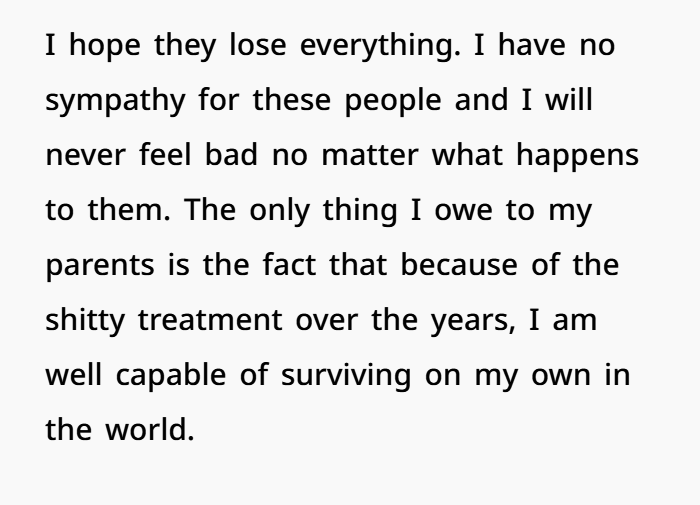
For the teenager, the move seemed to bring a sense of calm. He said he had more control over his choices and more space to focus on his goals.
That feeling connected with readers who had also left stressful homes.
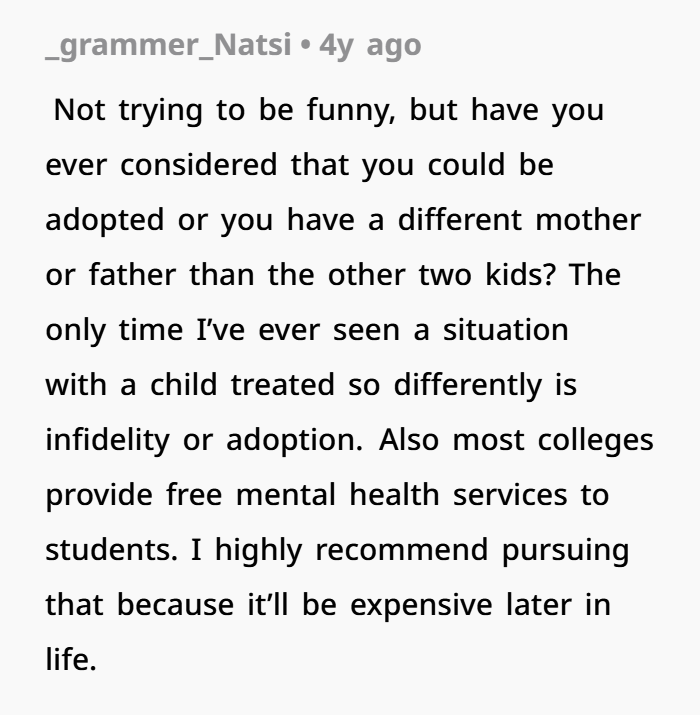
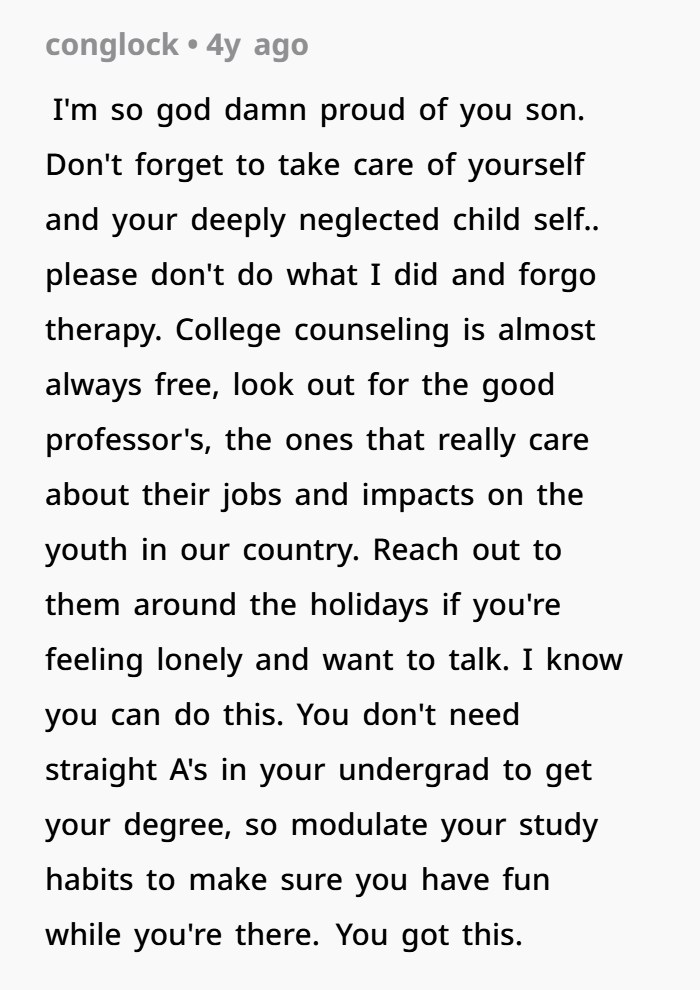
A new setting does not erase difficult memories. Past experiences can take time to work through. Support from trusted people or a counselor can help some people process those feelings.
Still, his story became about much more than moving away at 18.
It became a story about growing up, setting boundaries, and learning to build an independent life.
He planned for college, took control of his money, found work, and created new friendships. Step by step, he began shaping a future based on his own goals.
That is what stayed with many readers.
He did not simply leave one life behind. He started building a new one for himself.
See The Comments Below