Woman Who Helped Her Sister Have a Baby Plans a Video for Her Niece’s Future
For many couples, having a baby can take longer than expected. Infertility affects millions of people, leaving many families searching for ways to become parents.
Modern fertility care offers several options. One of them is intra-family egg donation, where a close relative, such as a sister, donates her eggs to help someone have a child.
For some families, this can be a special way to welcome a baby. It also gives the child a genetic link to someone within the family.
That was the case for two sisters who wanted to help each other.
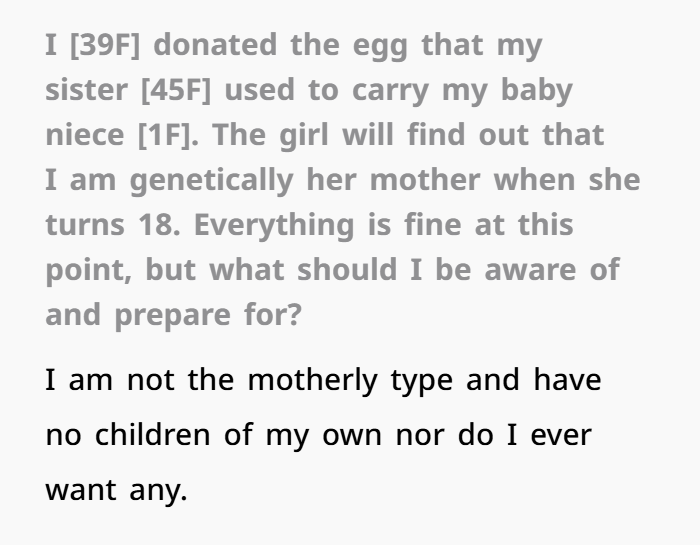
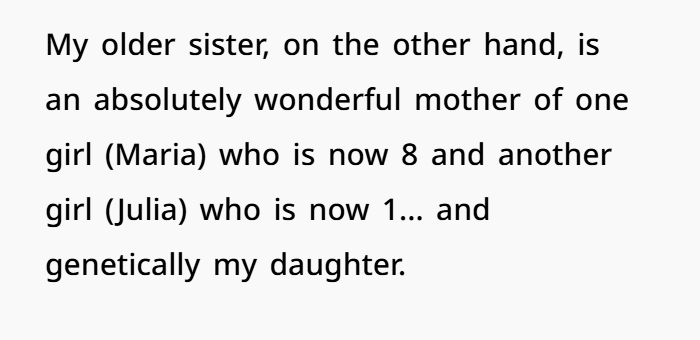
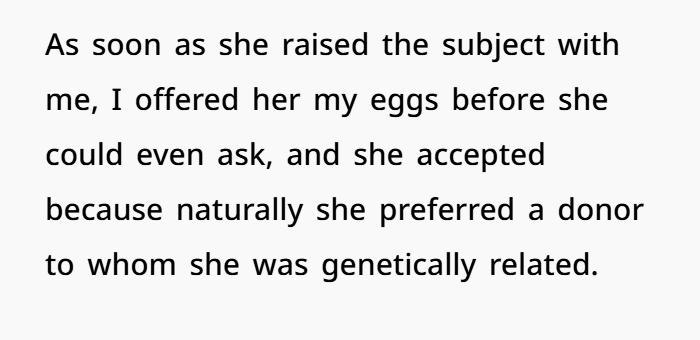
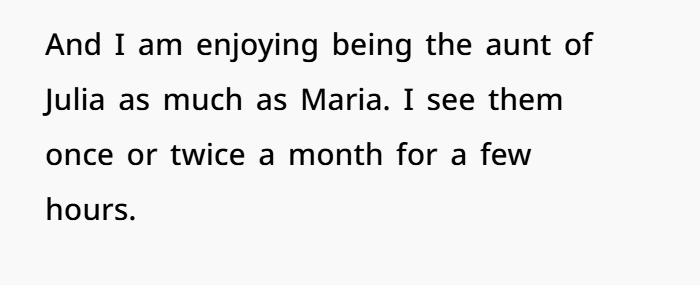
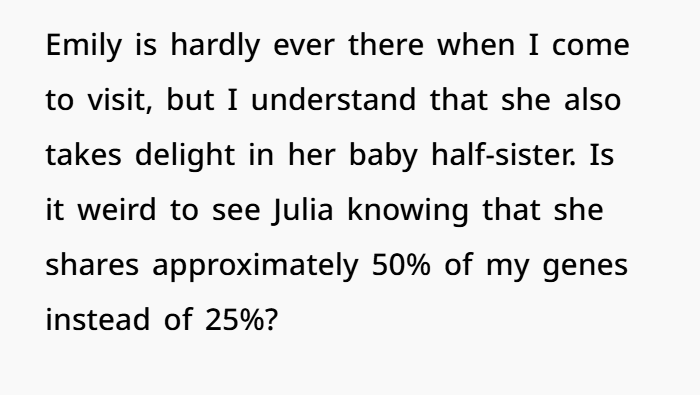
The younger sister watched her older sister suffer through two pregnancy losses. Seeing her sister’s pain, she decided to donate her eggs to help her become a mother.
The treatment worked, and her older sister gave birth to a baby girl. The family was overjoyed with the new arrival.
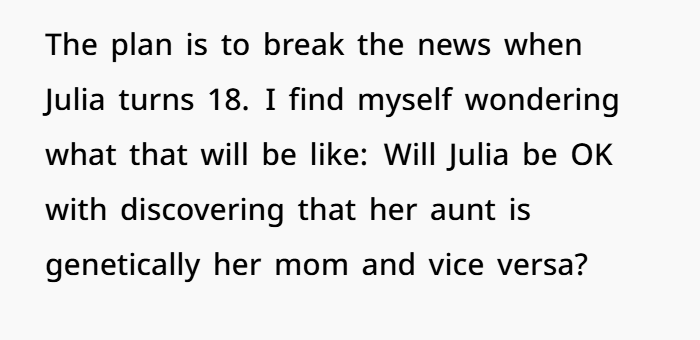
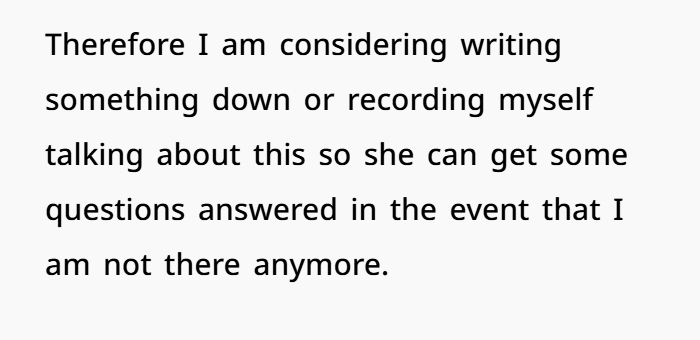
However, the sisters made one important agreement. They decided to keep the egg donation a secret until the girl turned 18.
As time passed, the younger sister began to question their decision. She worried that hiding the truth for so long could cause emotional pain later.
She wanted to know if waiting until adulthood was the right choice. She also wondered how the truth might affect her niece’s feelings about her family and identity.
Looking for honest advice, she shared her story on Reddit. Her post sparked questions about egg donation, family secrets, and when children should learn about their biological origins.











When Is the Right Time to Tell a Child About Egg Donation?
For people facing infertility, family members can sometimes offer a way forward. One option is known egg donation, where a relative, such as a sister, donates eggs to help someone have a baby.
Sister-to-sister egg donation is one way families can build a family through fertility treatment. It allows the child to have a genetic link to the donor while helping someone who cannot conceive using their own eggs.
For many families, this choice comes from love. A sister may want to help after watching a loved one struggle with infertility, pregnancy loss, or failed treatments.
However, family egg donation can raise difficult questions. Could sharing DNA affect family roles? Might the donor feel differently about the child? How will the child understand their biological background?
Research suggests that many families adjust well to donor conception. Children can grow up in loving and stable homes when parents handle these relationships with care.
The woman who carries and gives birth to the baby is the child’s mother. The egg donor usually remains a loving aunt or relative. Clear family boundaries can help everyone understand their roles.
Advertisement – Continue Reading Below
For many parents, the biggest challenge is deciding when to share the truth about the child’s birth.
Unlike anonymous donation, family egg donation involves someone the child may already know. This can make keeping the information secret much harder.
Some parents choose to talk about egg donation when their children are very young. Others wait until they believe their children are old enough to understand.
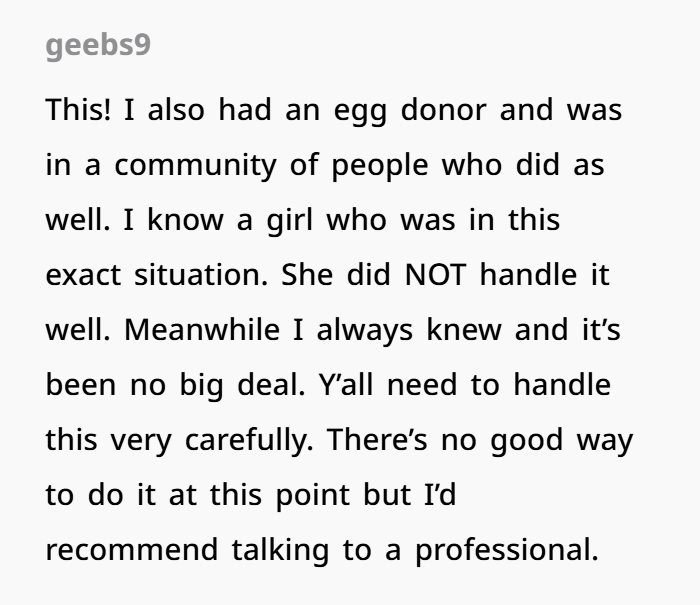
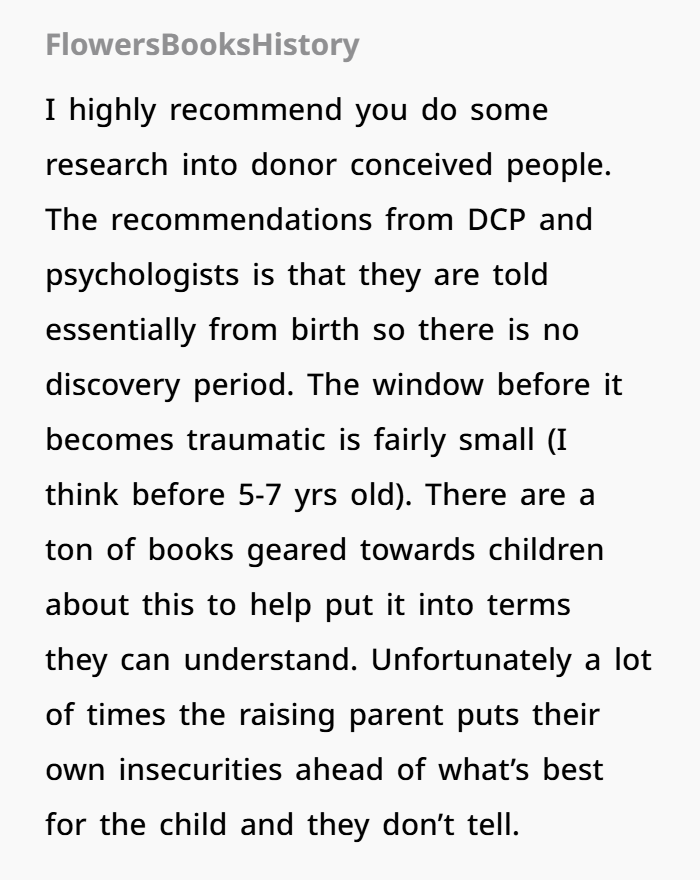
Experts often encourage parents to introduce the child’s birth story early. Simple, age-appropriate conversations can help children understand their origins as they grow.
Children who learn the truth through honest and loving conversations often have time to process the information. Many simply want to understand their family history and identity.
The goal is not to make the egg donor another parent. Instead, it is to help the child understand the different roles people played in their birth.
Waiting until adulthood can make the conversation harder. If children discover the truth by accident, they may feel hurt or betrayed.
Still, older children and adults can understand donor conception when families approach the subject with patience, honesty, and support.
How Egg Donors Handle Family Relationships and Boundaries
Most egg donors choose to help because they want someone they love to experience parenthood.
Many donors feel comfortable knowing the child may ask questions about them later. They often see themselves as someone who helped create a family rather than as the child’s parent.
Donating an egg does not mean taking on the role of a parent. The intended parents carry the child through pregnancy, welcome the baby, and raise them as their own.
However, family egg donation can bring complex feelings. Fertility experts often recommend counseling for both the donor and the intended parents before treatment begins.
These talks can help everyone discuss expectations, family roles, and future contact with the child.
Medical and legal advice can also help protect everyone involved. It ensures that each person understands the process and their responsibilities.
As fertility treatments give families more ways to have children, honesty and trust remain important. Sharing a child’s birth story with care can help build strong family relationships that last for years.
See the comments to know what people said


Intra-family egg donation gives many people struggling with infertility a chance to have the family they have always wanted. For some relatives, donating an egg is an act of love and support during a difficult time.
For many families, the biggest challenge is deciding when to tell the child about their birth story. Experts encourage honest and caring conversations to help children understand their origins and identity.
Every family has a different journey, and there is no perfect age for sharing the truth. What matters most is making sure the child feels loved, safe, and supported.
With open communication, expert guidance, and clear family boundaries, families built through egg donation can enjoy strong and healthy relationships.