My Brother Slept With My Ex, and Now He Wants to Attend My Wedding
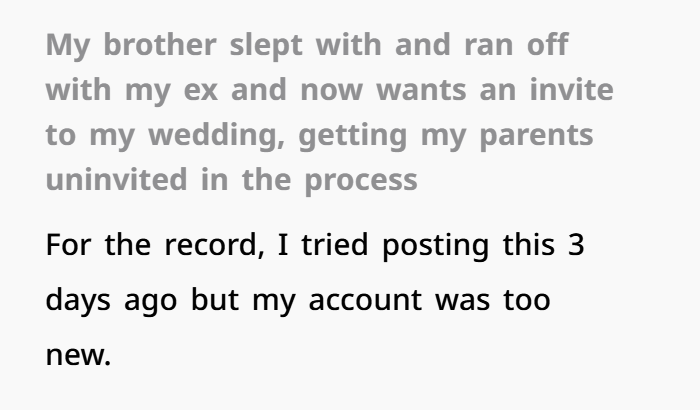
Five years ago, a man’s relationship with his brother ended after a painful betrayal.
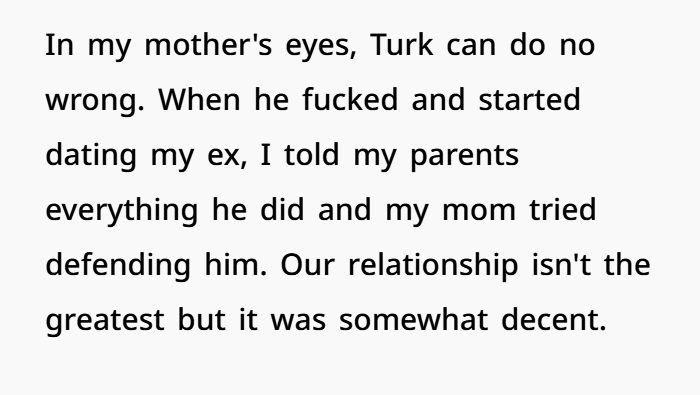
What began as a simple double date between two couples turned into something he never saw coming. According to him, his brother slept with his girlfriend in his own home.
The betrayal became even worse when his brother did not apologize or try to fix their relationship. Instead, he left with the girlfriend, and the two started dating.
For the man, losing his girlfriend was already painful. But having his brother involved made the situation much harder to accept.
The family fallout added to his pain. He moved back in with his parents while trying to rebuild his life.
However, he felt his parents did not fully understand how deeply the situation affected him. Their reaction made him feel more alone during a difficult time.
Over the years, his life slowly changed.
He met the woman who is now his fiancée. They bonded over past struggles and heartbreak, and their relationship grew stronger.
Five years later, he feels ready to move forward. He is engaged, planning his wedding, and focused on his future.
Then the family conflict came back.
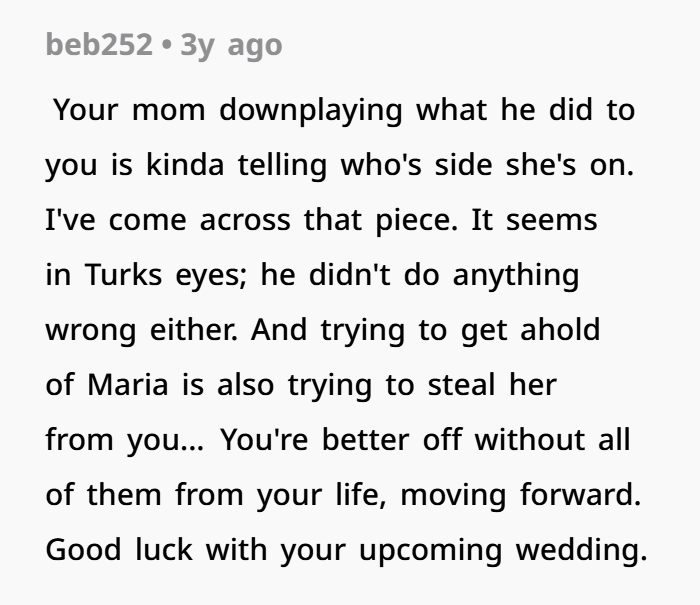
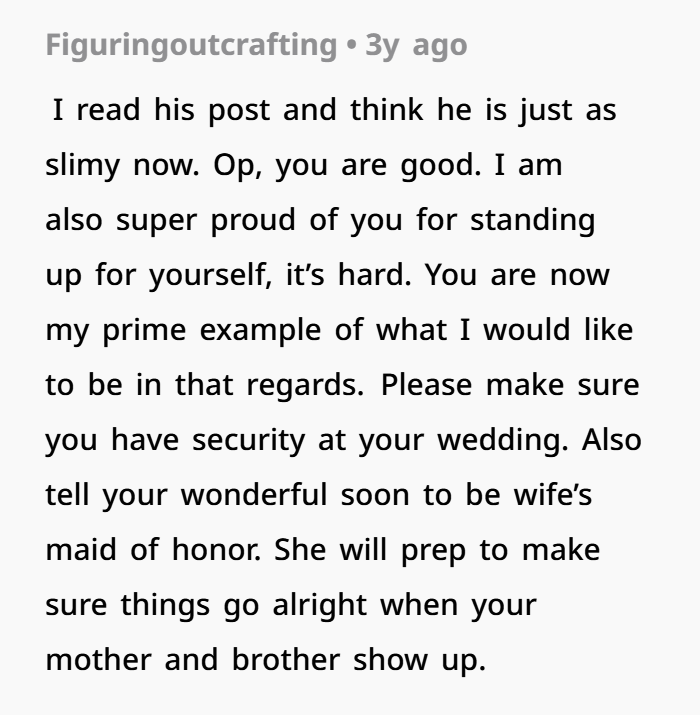
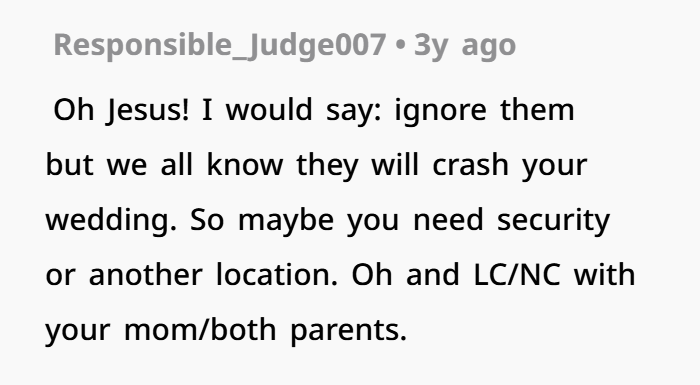
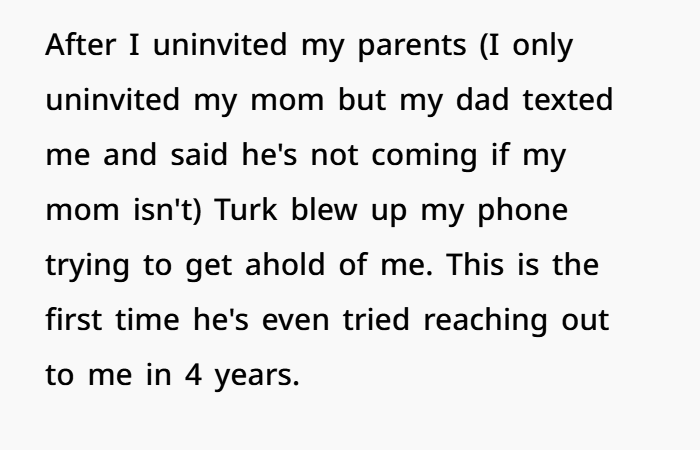
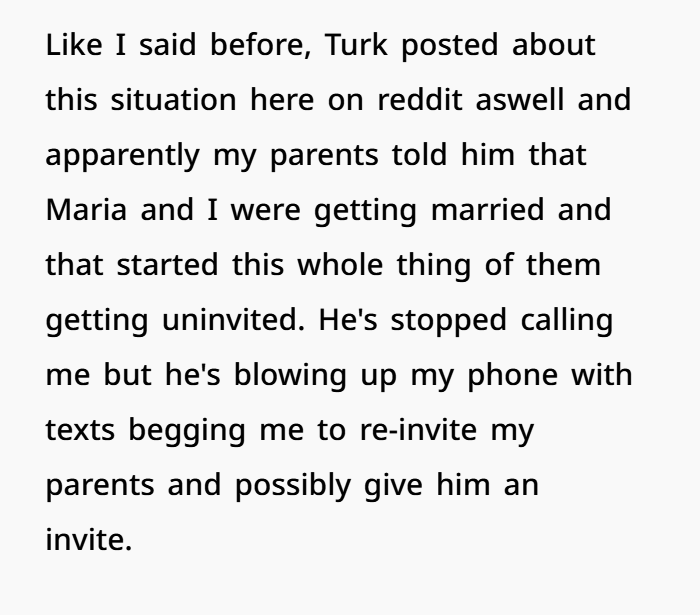
His mother told him she would not attend the wedding unless his brother was invited.
The choice put him in a difficult position. Inviting his brother meant allowing someone connected to one of the most painful moments of his life back into his world.
But refusing could mean getting married without his mother there.
The situation became more complicated when his brother reached out. After years of little contact, he wanted an invitation to the wedding.
To the man, the request felt like his brother expected everything to be forgotten.
But time alone does not always rebuild trust. Years passing does not automatically repair a damaged relationship.
Advertisement – Continue Reading Below
The issue is now about more than a wedding guest list.
Should family members be included simply because they share the same family? Or should someone be allowed to choose who is part of their special day?
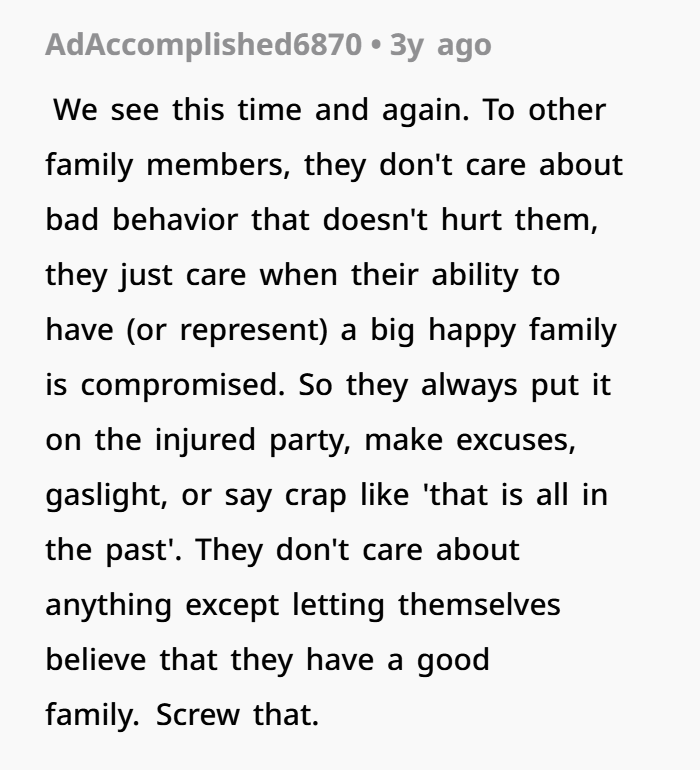
His mother’s demand has added more pressure. Instead of letting him decide his guests, she connected her attendance to his brother’s invitation.
Now, he must decide what matters most. He can invite his brother to avoid family conflict, or keep the boundary he created after the betrayal.
Forgiving someone is not always the same as rebuilding a relationship. A person can let go of anger while still choosing distance.
In the end, the wedding invitation represents a much deeper issue. It is about trust, family loyalty, personal limits, and whether some broken relationships can truly be repaired.




This situation is more than a simple family disagreement. The narrator experienced betrayal from two people he trusted deeply.
One was his partner, and the other was his brother. Losing trust in both relationships at the same time can leave a lasting impact.
Some people describe this kind of experience as betrayal trauma. It can happen when someone trusted for love, safety, or support causes serious emotional harm.
Betrayal from a family member can feel especially painful. Many people expect close relatives to offer loyalty, care, and support.
Time can help someone heal, but it does not always rebuild trust. Some relationships recover, while others may never return to how they were before.
That is why the brother’s wedding invitation request carries so much weight. His return could bring back painful memories the narrator has spent years trying to move past.
Family Pressure and Personal Boundaries
The mother’s condition creates more stress in an already difficult situation.
By saying she will not attend without the brother being invited, she puts the narrator under pressure. He now feels forced to choose between his own boundary and his mother’s wishes.
Family conflicts can become harder when people use demands instead of open conversations.
The mother may want both of her sons involved in the wedding. However, the narrator still has the right to decide who he wants at his event.
A wedding should not require someone to ignore painful experiences just to satisfy family expectations. Personal boundaries can still matter, even with relatives.
Why Weddings Bring Out Strong Emotions
Weddings are important life events. They often represent:
- New beginnings
- Love and commitment
- Family connections
Because weddings carry so much meaning, old family problems can return during the planning process. Guest lists often become difficult when there are broken relationships.
Inviting someone linked to a painful chapter can create stress instead of happiness. It may bring back feelings of anger, sadness, or disappointment.
For the narrator, inviting his brother is not just about adding a guest. It means allowing someone connected to a painful betrayal into a major moment of his life.
That is why wedding guest decisions can become so emotional. Couples often have to balance family expectations with their own comfort.
Why the Brother’s Request Raises Questions
The brothers had little contact for years. There was no clear sign that they had repaired their relationship.
Now, the brother wants to attend the wedding. After so much time apart, the request may feel unexpected.
The situation is also harder because there does not appear to be a clear apology or acceptance of responsibility.
Wanting to attend a wedding is not the same as repairing a damaged relationship. Rebuilding trust usually takes honest conversations, accountability, and effort.
Families sometimes reconnect during major events. However, showing up for a special occasion does not automatically fix past problems.
Real healing often requires both people to address what happened and work toward rebuilding trust.
A wedding invitation cannot replace years of missing communication.
The Right to Set Boundaries
A person and their partner have the right to choose who attends their wedding.
Being related to someone does not always mean that person must be included.
When a relationship has caused deep hurt, setting limits can be a way to protect personal peace.
Not inviting an estranged family member does not always mean someone is being unfair. It can simply mean they are keeping a boundary.
A wedding should include people who support the couple and help create a positive environment. Family connections do not erase past actions or broken trust.
Rebuilding Trust vs Ignoring the Past
There is a clear difference between repairing a relationship and pretending nothing happened.
Rebuilding trust usually requires:
- A sincere apology
- Taking responsibility
- Time and patience
- A change in behavior
Old pain can return when someone comes back without addressing the damage they caused.
Acting like everything is normal does not fix a broken relationship.
In this situation, the lack of clear communication or repair efforts makes rebuilding trust more difficult.
A wedding invitation cannot replace years of distance or unresolved issues.
True repair takes time and effort from everyone involved. Until that happens, keeping boundaries may be necessary.
Final Thought
This situation is about more than family conflict. It involves trust, hurt, forgiveness, and personal limits.
A wedding should be a happy moment for the couple. Unresolved conflict can take away from that experience.
Setting boundaries with family does not mean someone does not care. Sometimes boundaries help protect important moments and prevent old pain from returning.
The narrator has to decide what feels right for his future. Moving forward does not mean forgetting what happened.
The Comments Are In