Woman Considers Selling Her Home After Years of Struggling With Messy, Dependent Adult Stepkids
A 41-year-old woman has been married to her 62-year-old husband for seven years. They have been together for a decade and bought their home around the same time.
Three years ago, her husband’s oldest daughter moved into their home after relocating from another state. The woman agreed to help but said she expected the arrangement to be short-term.
About six months later, another daughter moved in with her two children after losing her housing. The woman says the decision was made without fully discussing it with her first.
Since then, she says living at home has become stressful. Unpaid bills have caused the electricity to be shut off twice.
She also reports damaged electronics, missing household items, and frequent repair costs. Pets were added to the home without her approval, creating more tension.
Money has become another major issue. Rising household expenses and added financial responsibilities have made it harder for the couple to manage their budget.
The family has also been dealing with grief after her husband lost close family members. With pressure continuing to grow, the woman started thinking about what they wanted for their future.
She suggested selling the house, paying off their debts, and choosing a simpler lifestyle. Her idea was to move back to her husband’s home state.
The couple could stay in their camper on his sister’s property. She believes this would reduce their expenses and help them prepare for retirement.
However, her husband’s daughters are against the idea. They still depend on the home and may not have another place to stay.
Now, the woman feels stuck between supporting her adult stepchildren and protecting her own future. She wants more financial security, fewer conflicts, and a calmer home life.
She wonders if selling the house would be unfair. Or after years of helping others, is it reasonable to start putting her and her husband’s needs first?

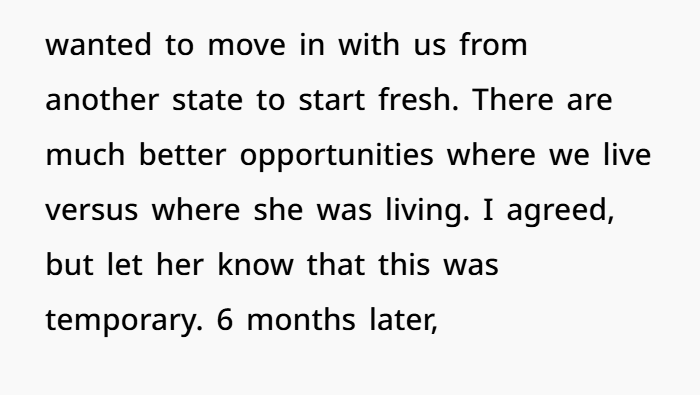
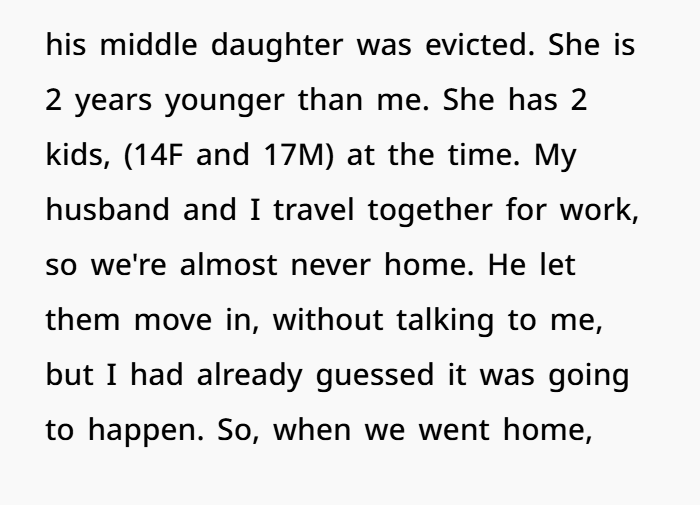
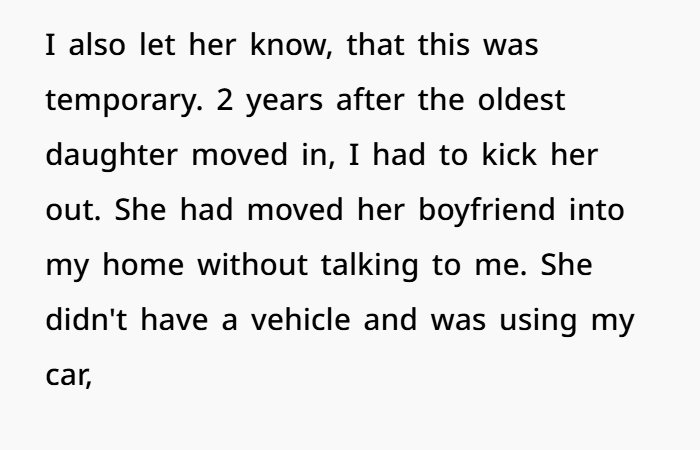


In blended families, adult children may sometimes need a place to stay for a short time. The goal is usually to help them recover from a difficult situation and become independent again.
Problems can appear when a temporary stay does not have a clear ending. Without rules and expectations, a short-term solution can slowly turn into a long-term arrangement.
In this situation, one stepdaughter stayed much longer than expected. Later, her boyfriend moved in, and she also received help with a vehicle.
Another daughter then moved into the home with her children and pets. Over time, the couple’s house became far more crowded than they had planned.
This brings up a common family question: how long should parents continue supporting adult children? Helping loved ones can be kind, but it also needs healthy limits.
Advertisement – Continue Reading Below
Homeowners have their own responsibilities, expenses, and need for personal space. Clear housing boundaries can help protect both family relationships and financial security.
Financial Pressure and the Stress of Supporting Family
The financial and emotional strain continued to increase. Vehicle costs, higher utility bills, repairs, and daily expenses became harder to handle.
Coming home to a messy or damaged space added more stress. Instead of feeling comfortable, the house became a source of worry.
Long-term support can sometimes leave one person carrying most of the financial and emotional load. Over time, this may lead to frustration, tiredness, and resentment.
Helping adult children for many years can also affect future plans. This is especially important when a couple is preparing for retirement.
Setting limits can protect savings and reduce stress. It can also help adult family members work toward greater independence.
Choosing to Sell the House and Move Into a Camper
To lower the stress, the woman suggested a major lifestyle change. Her plan was to sell the house, clear their debts, and move into a camper.
Living on family property could reduce monthly costs and make daily life simpler. It may also help the couple focus more on their retirement goals.
Many people choose smaller homes when a larger property becomes too expensive or difficult to maintain. Downsizing can lower bills, repairs, and other housing costs.
However, selling the home would also affect the adult children living there. They would need to make new housing plans.
The situation creates a difficult balance between helping family members and protecting the couple’s future. Both concerns matter.
Do Parents Have to Provide Housing for Adult Children?
This question often comes up when adult children live with parents or stepparents. Selling a home can make those housing concerns more urgent.
Parents may choose to help their adult children during a transition. But that support does not have to continue without a clear limit.
Healthy boundaries can reduce conflict and prevent ongoing frustration. Support can still exist while having reasonable conditions.
A person can care about adult children and still protect their own finances. Both needs can be important.
Feeling Guilty for Setting Boundaries
Creating limits can feel difficult, especially when family members have depended on support for years. Adult children may feel hurt or angry when the situation changes.
A change in housing can bring fear and uncertainty. These emotions may feel stronger in blended families where relationships are already complicated.
However, someone being unhappy with a decision does not always mean the decision is wrong. Sometimes, changing a stressful situation is necessary.
When one person carries too much responsibility, clear boundaries can help bring balance back to the family.
The Importance of Honest Communication
Even when a decision has been made, communication matters.
A respectful conversation could include:
- A clear move-out timeline
- A date for selling the home
- Short-term support during the transition
- Help finding other housing options
Clear expectations can reduce confusion and conflict. Everyone should understand what support is available and when it will end.
Rules about rent, bills, chores, guests, and move-out dates can also prevent future disagreements.
Blended Family Challenges and Long-Term Effects
Blended families often face challenges when different people have different expectations. Some family members may expect continued support, while others may want more independence.
Without clear agreements, issues around money, space, chores, and privacy can create ongoing tension.
Setting boundaries does not mean someone does not care. In many cases, clear limits help protect relationships by reducing resentment.
In this case, the home stopped feeling like a peaceful place. When a living situation creates constant stress, a change may become necessary.
Protecting Retirement and Future Stability
As retirement approaches, managing money carefully becomes more important. Supporting several adult family members can affect long-term plans.
Downsizing may help reduce expenses and lower the cost of maintaining a home. Selling the property could also help the couple manage debt.
For some people, living in a camper can provide a simpler lifestyle with fewer costs and responsibilities.
After years of helping others, couples may decide to focus on their own future. Setting financial boundaries can help them move forward with greater stability.
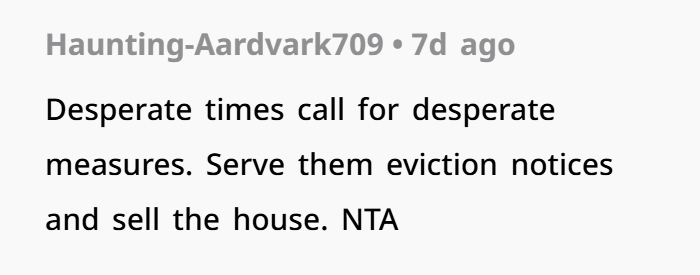
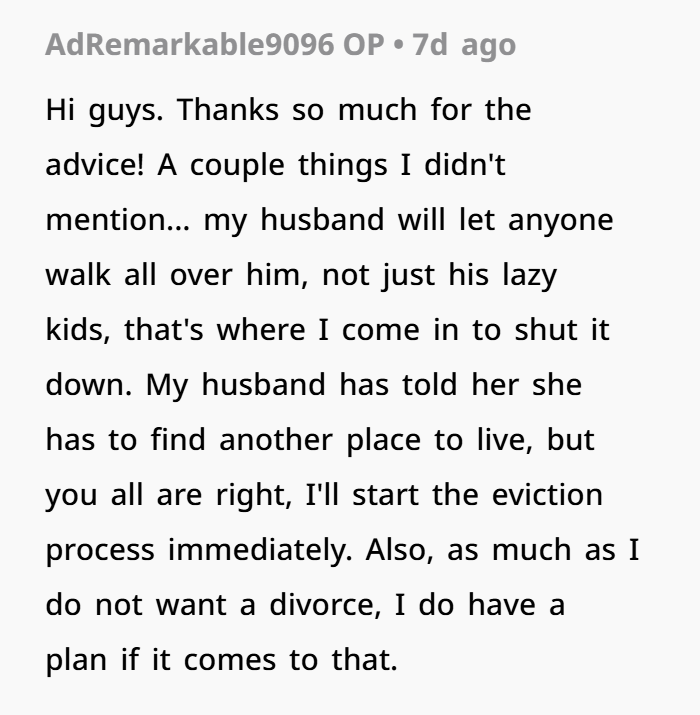
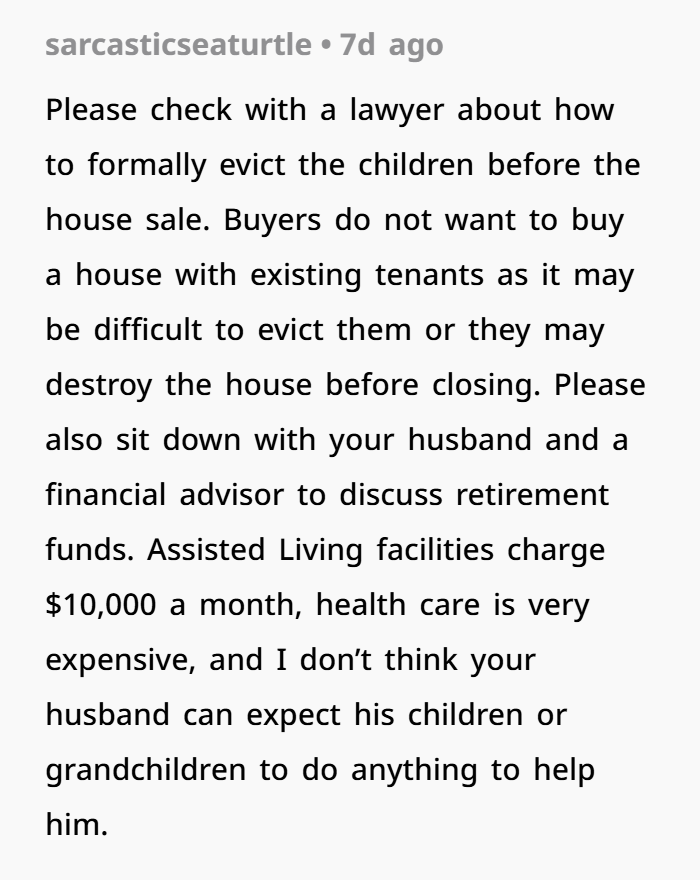
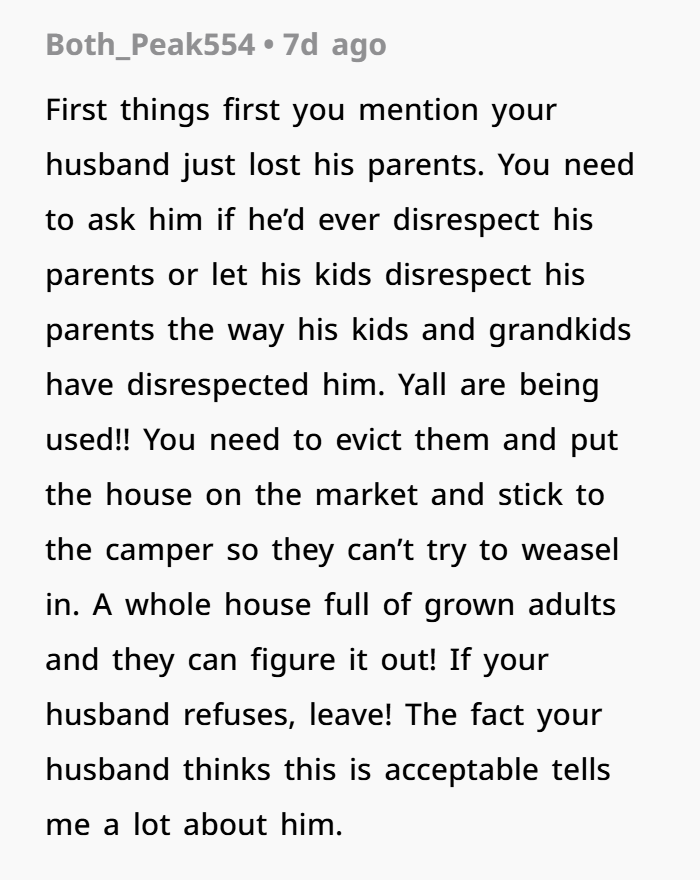
Many commenters supported the woman’s decision. They felt that after years of providing support, it was reasonable for the couple to consider their own needs, finances, and future plans.




This situation can be challenging when several family members depend on the same home. Setting boundaries with adult children does not mean you care about them any less.
You also have the right to protect your home, relationship, and financial future. Family support can be meaningful, but it needs limits when it creates constant stress.
Honest communication can help make the transition smoother for everyone. Giving family members enough time to prepare may help them find new housing and adjust to the change.
Clear boundaries and a realistic plan can reduce confusion. They can help everyone understand the next steps and move forward with fewer conflicts.