AITA for Asking My Dad to Leave After He Woke My Teen Daughter to Cook for Him?
Being family does not mean someone can ignore boundaries, especially when they are staying in another person’s home.
This story follows a mother of three who welcomed her elderly father into her house while repairs were being done on his senior apartment. At first, the arrangement seemed to be working well.
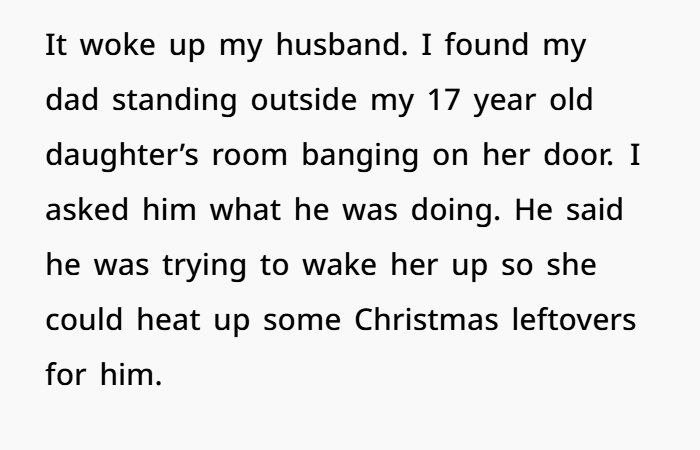
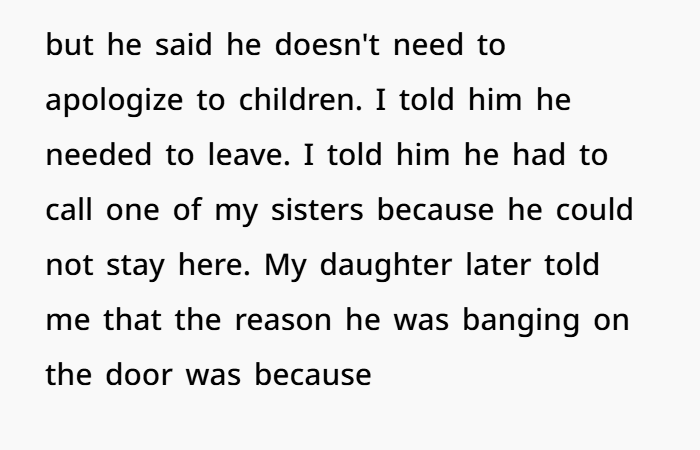
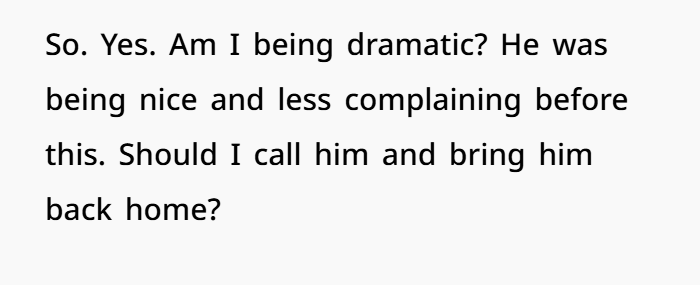
However, one night around 1 a.m., she found her father outside her 17-year-old daughter’s bedroom. He was knocking and asking her to wake up and heat food for him.
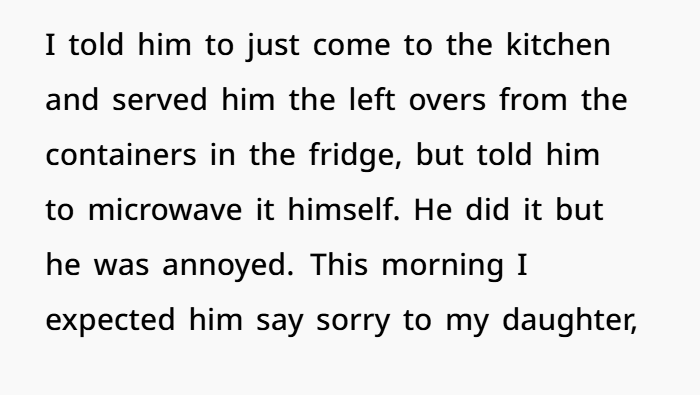
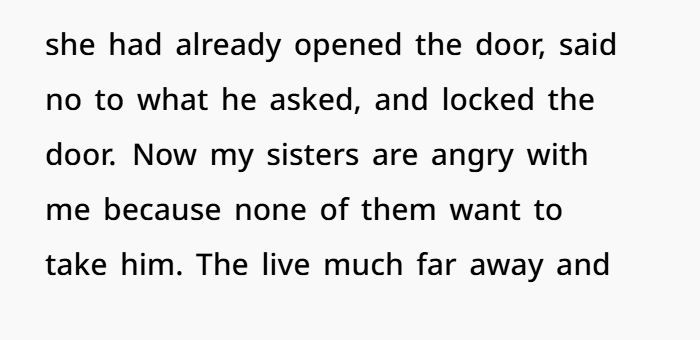
The mother learned that her daughter had already refused and locked her door because she wanted to keep sleeping. After seeing what happened, the mother felt her father had crossed a serious boundary and decided that he needed to leave.
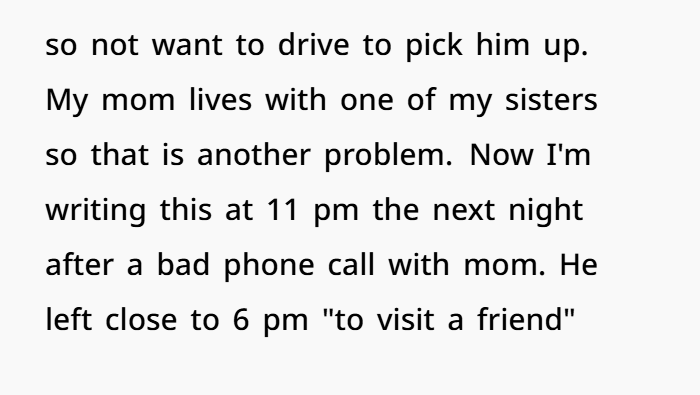
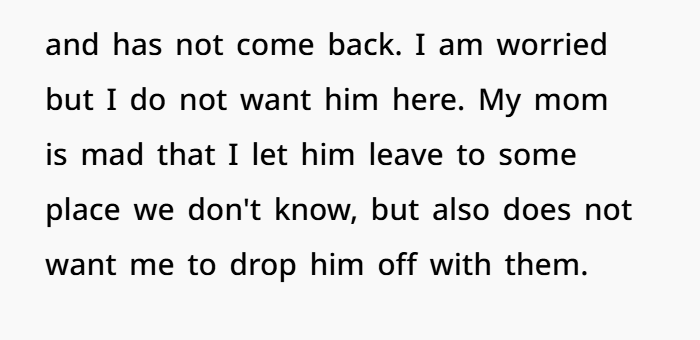
Her choice caused tension among family members. Some relatives disagreed with her decision, while her father became upset and stopped communicating with her.
Now, she is wondering whether she reacted too strongly or whether she was right to protect her daughter’s privacy and comfort.
The situation raises important questions about family support, respect in shared homes, and how people should handle boundaries with older relatives.
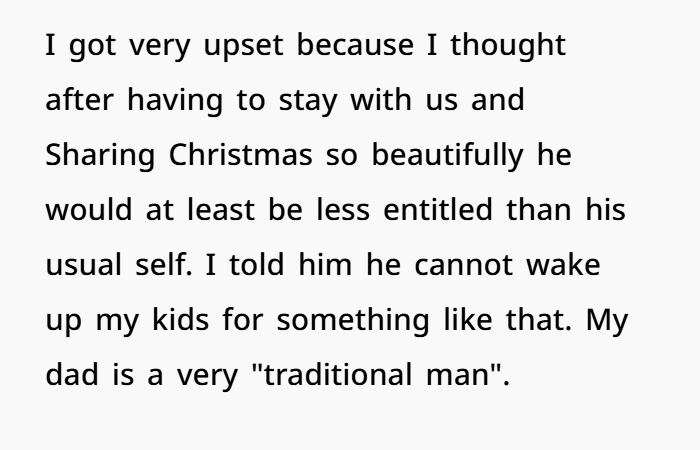
The poster explained that she let her father stay for a few months. Even though it was difficult at times, her children enjoyed having their grandfather around.
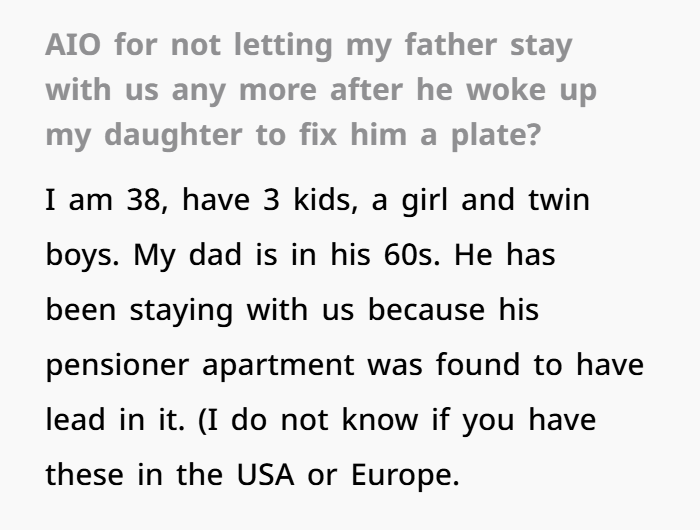
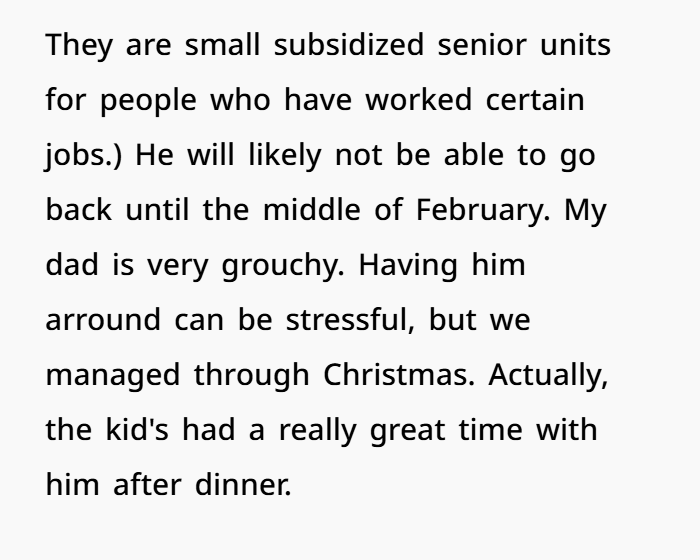
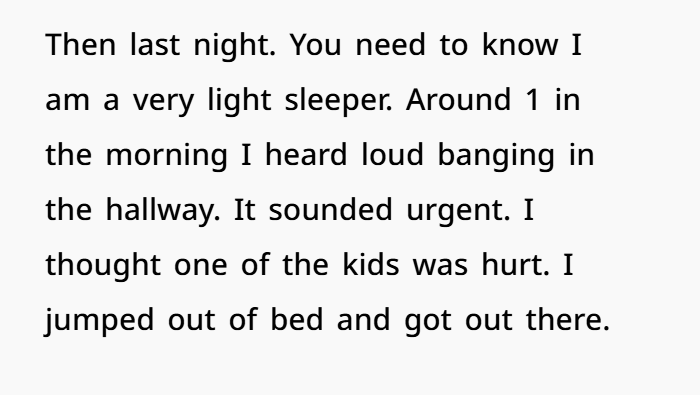
At first, this may seem like a simple family disagreement. However, the situation involves deeper issues such as personal boundaries, family expectations, and respect.
The conflict was not only about one late-night request. It showed how small actions can reveal bigger problems when someone feels entitled to another person’s time, space, or effort.
When Family Becomes a Difficult House Guest
Letting a family member stay in your home can be challenging, especially when they need support. In this case, the mother welcomed her father while his apartment was being repaired.
She wanted to help him and make the arrangement work. Her children enjoyed spending time with their grandfather, and the family shared positive moments together.
However, her father’s behavior created a serious boundary issue. Waking a teenager in the middle of the night to prepare food was an unfair expectation. Continuing to knock after she refused made the situation more uncomfortable.
The daughter had already said no and locked her door. She was clearly asking for privacy and rest.
The issue was not the food itself. It was about respect and understanding that everyone in a shared home deserves personal space and comfort.
Different Generations, Different Expectations
The situation also shows how family roles can differ between generations.
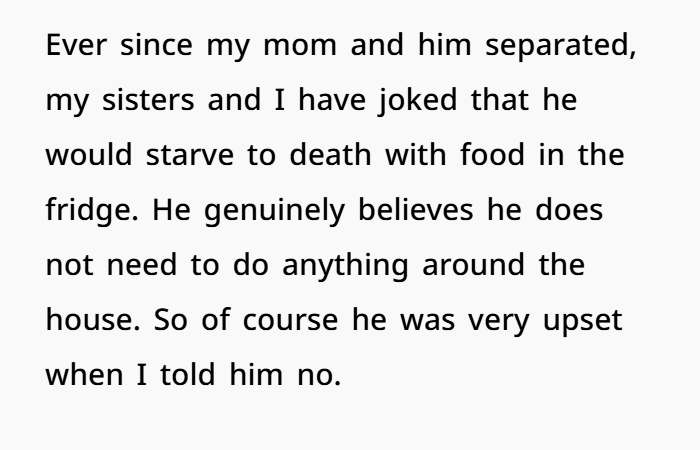
Some people grow up believing that certain family members, especially women, should always provide care and help. However, these expectations can conflict with ideas of independence and equal respect.
Advertisement – Continue Reading Below
The concern was not simply cooking. It was expecting a teenager to serve an adult after she had already refused.
A healthy home requires everyone’s boundaries to be respected. Age, family ties, or tradition should not be reasons to ignore someone’s comfort.
Respect should be the foundation of every family relationship.
Protecting Your Child Comes First
A parent’s responsibility is to protect their child’s emotional and personal well-being.
Children and teenagers should feel safe and respected in their own homes. They should not feel pressured to give up their privacy because of a family member’s demands.
In this case, the daughter made her feelings clear. By asking her father to leave, the mother showed that her child’s comfort was a priority.
Protecting a child’s boundaries is part of responsible parenting.
The Challenge of Being the One Who Helps
Family situations can become difficult when one person takes on the role of helping someone in need.
The mother provided a place for her father to stay, managed the household changes, and dealt with the stress that followed. Other relatives may have opinions, but they were not experiencing the situation every day.
It is easy to judge a decision without understanding the pressure behind it.
Setting limits with a family member does not mean someone does not care. It means recognizing when a situation has become unhealthy.
Should She Let Him Return?
This situation is emotionally complicated. It is normal to worry about a parent’s safety after a conflict.
Caring about someone and protecting your home can happen at the same time.
Asking her father to leave does not mean she abandoned him. It means she made a choice based on what she believed was best for her daughter and family.
She can still check on him and make sure he is safe without giving up the boundaries she created.
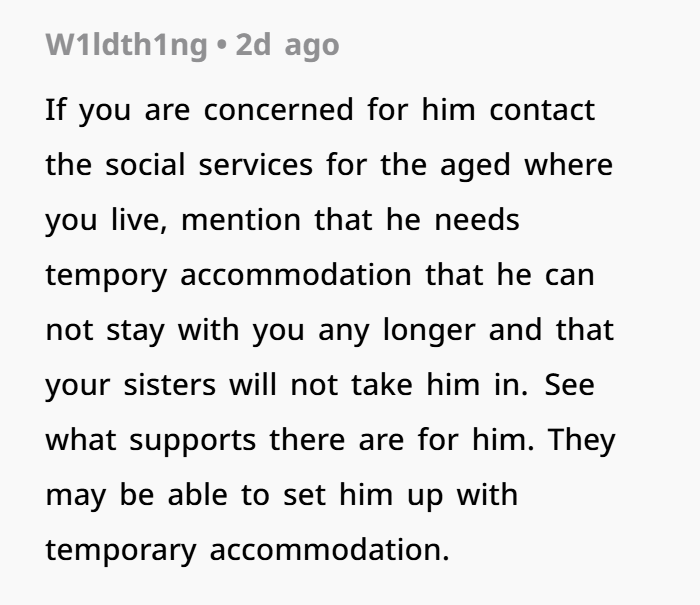
If he needs support, other options may include help from relatives, senior services, or temporary housing options.
Care and boundaries can exist together.
Creating Healthy Boundaries With Parents
Setting boundaries with elderly parents can be difficult. Many people feel they must always take care of their parents, no matter what happens.
However, family relationships require respect from everyone. Age does not remove the need for kindness and consideration.
Helping a parent does not mean accepting behavior that makes others feel uncomfortable or disrespected.
Healthy boundaries help protect trust and respect within a family.
The main concerns in this situation were:
- Her father ignored her daughter’s request for privacy.
- He expected help at an unreasonable hour.
- He did not respect her daughter’s refusal.
- His actions created stress inside the home.
Ignoring these problems can lead to bigger conflicts over time.
Setting boundaries may be difficult, but it can help prevent unhealthy family patterns.
You’re Not Alone
This story reflects a challenge many adults face: caring for aging parents while raising children. Many people experience pressure from both sides of the family.
Balancing these responsibilities can be exhausting. Setting limits does not mean someone lacks love or compassion.
Sometimes, saying “no” is necessary to protect the health and peace of the entire household.
Support from relatives, community resources, and professional services can help families manage difficult situations.
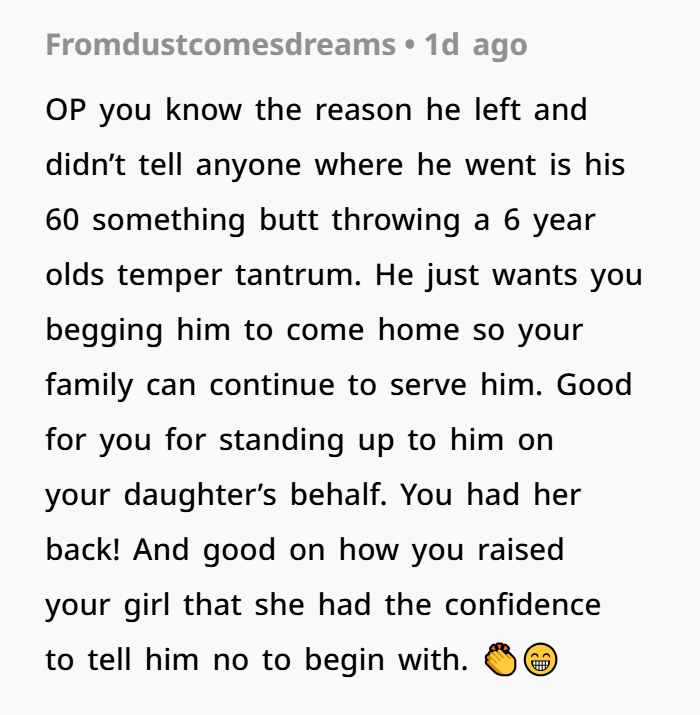
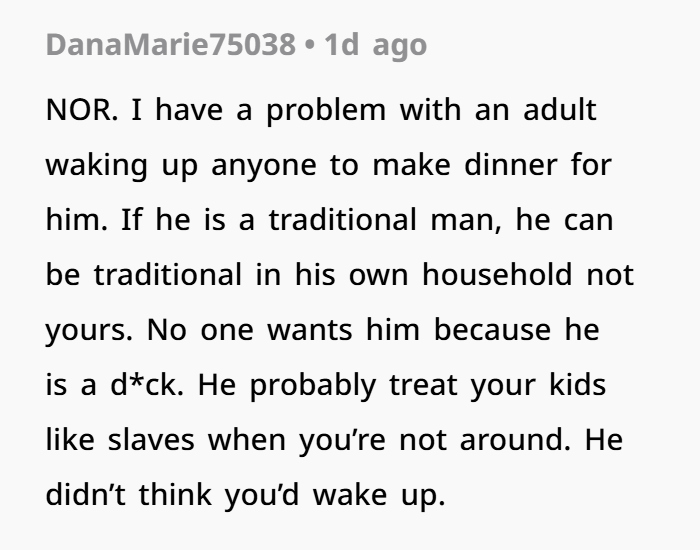
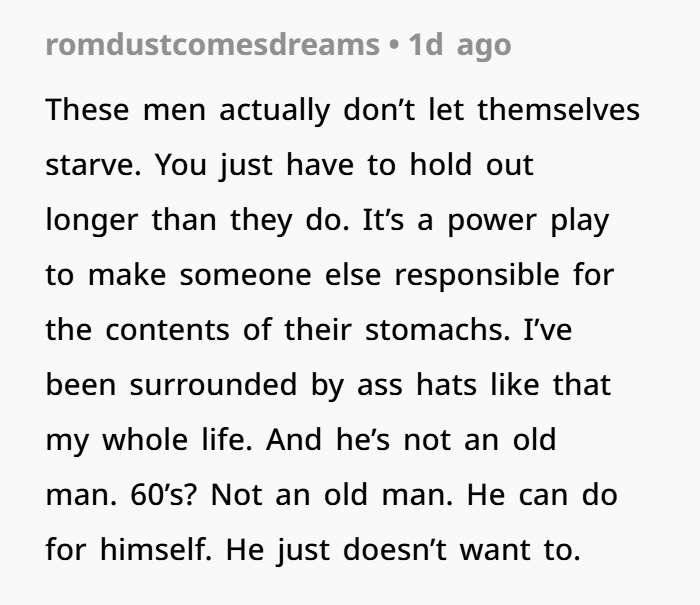
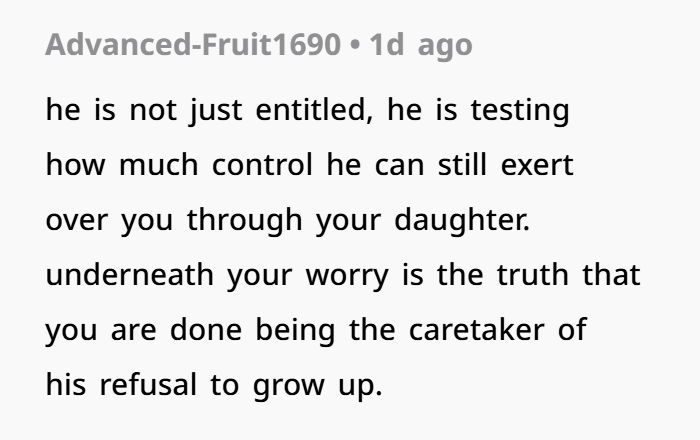
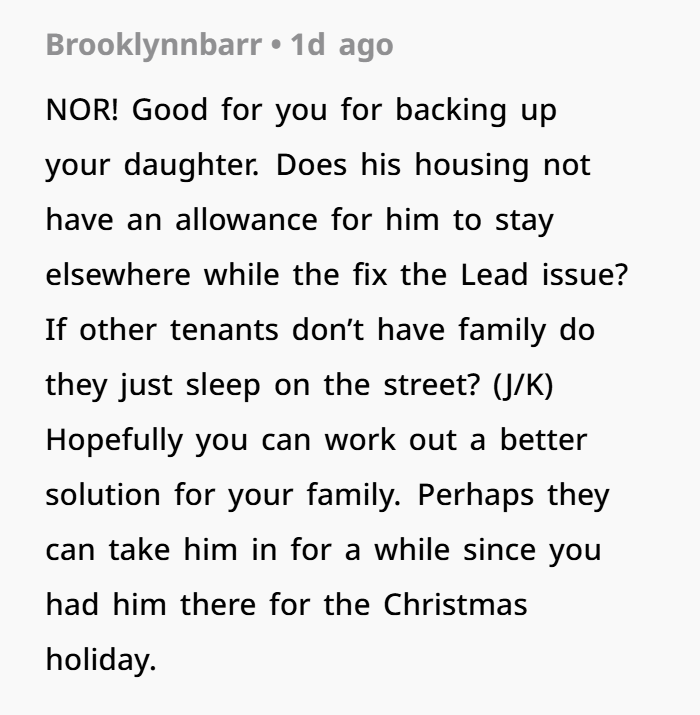
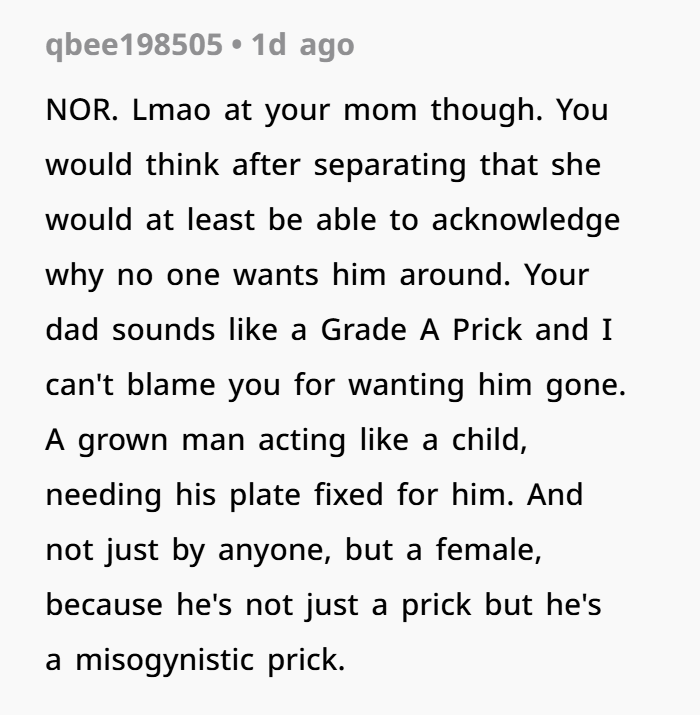
Many readers supported the mother and believed she was right to prioritize her daughter’s comfort and set boundaries in her own home. They felt asking her father to leave was a response to his behavior, not a lack of care for him.
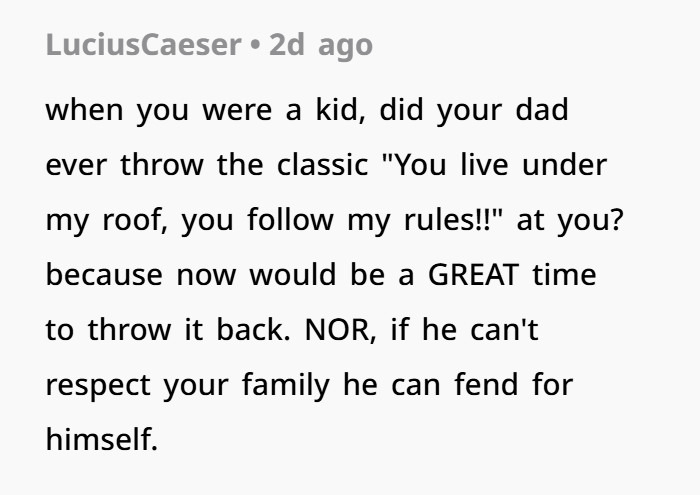
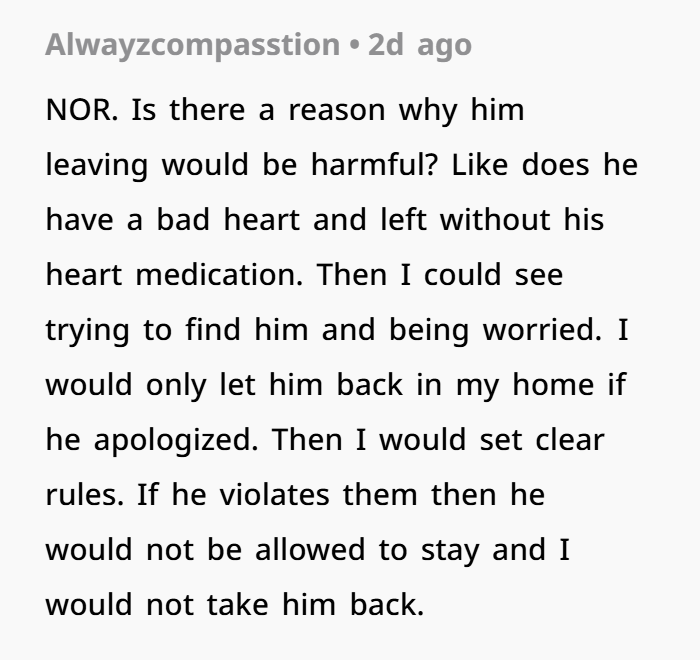

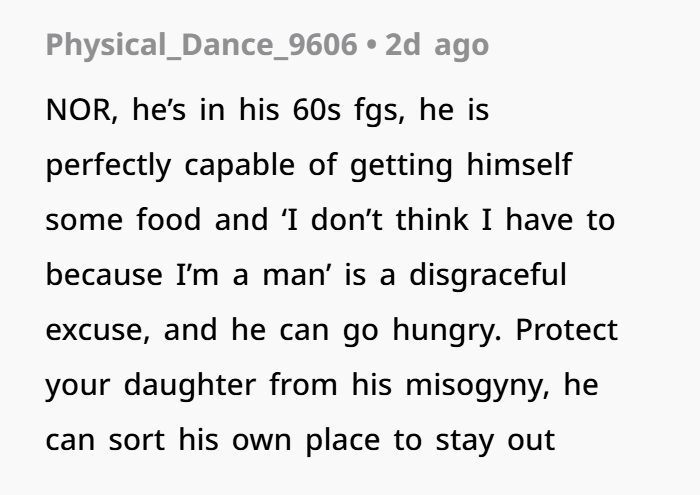
You are not overreacting or being uncaring. You are making a decision as a parent who wants to protect your children and keep your home healthy.
Even when a parent crosses a boundary, setting clear limits is still important. Teaching children that their feelings, privacy, and personal space matter is a part of responsible parenting.
It is understandable to worry about your father. You can check on him and make sure he is safe while still respecting the boundaries you have created.
Protecting your family’s emotional well-being does not make you a bad person. Sometimes, being a responsible parent means making difficult choices to keep your home respectful, safe, and comfortable for everyone.