Teen Called “Heartless” for Wishing They Didn’t Share a Birthday With Their Grandma
A 17-year-old girl has found herself in the middle of a family argument after admitting something she’d kept to herself for years. She wished she didn’t have to share every birthday celebration with her grandmother.
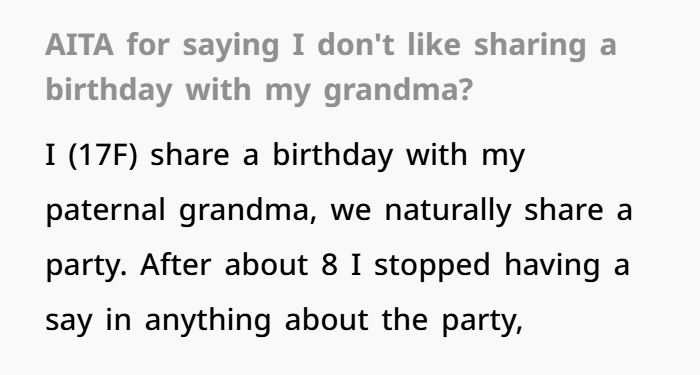
The teenager and her grandmother were born on the same day. Because of this, their family had always celebrated their birthdays together.
When she was younger, she enjoyed sharing the special day. But as she grew older, she started feeling like her birthday wasn’t really hers anymore.
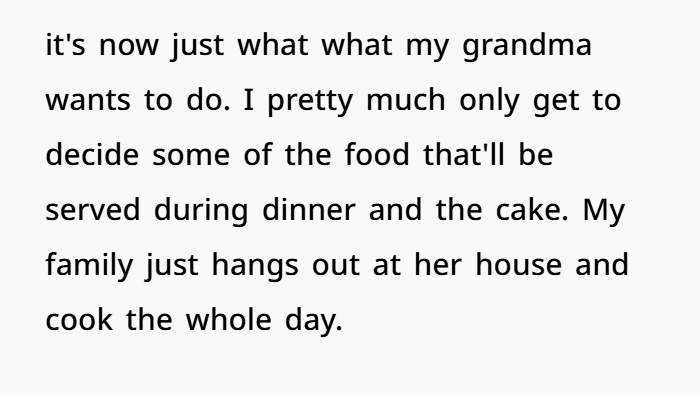
From that point on, most birthday plans were made around her grandmother’s wishes. The family usually gathered at her grandmother’s house, and the food, guests, and activities reflected what she liked.
The girl could sometimes choose small things, such as the cake flavor or part of the dinner menu. But she had little say in how the rest of the day went.
As she entered her teenage years, she began wanting something different.
She hoped to celebrate with her friends, choose her own activities, or simply enjoy a small party focused on her.
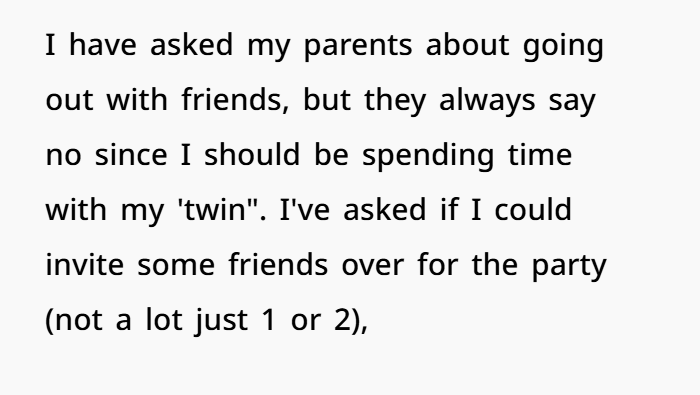
But whenever she brought up the idea, her parents refused.
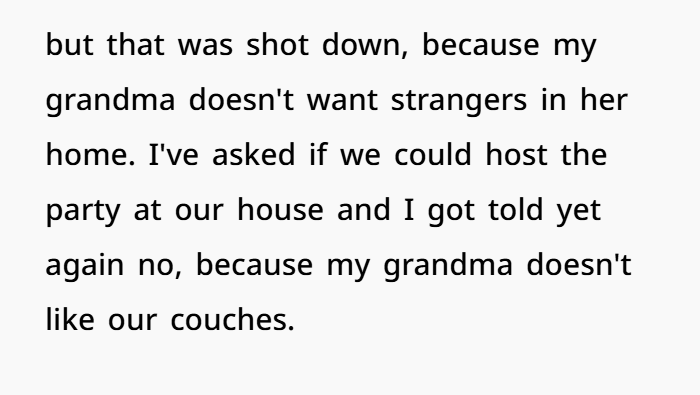
They insisted she should spend her birthday with her grandmother, whom they called her “birthday twin.” Even when she suggested having a separate gathering at home, they wouldn’t agree.
Over time, she grew frustrated. She loved her grandmother, but she also wanted the chance to celebrate her own birthday.
Things finally came to a head during another shared birthday party.
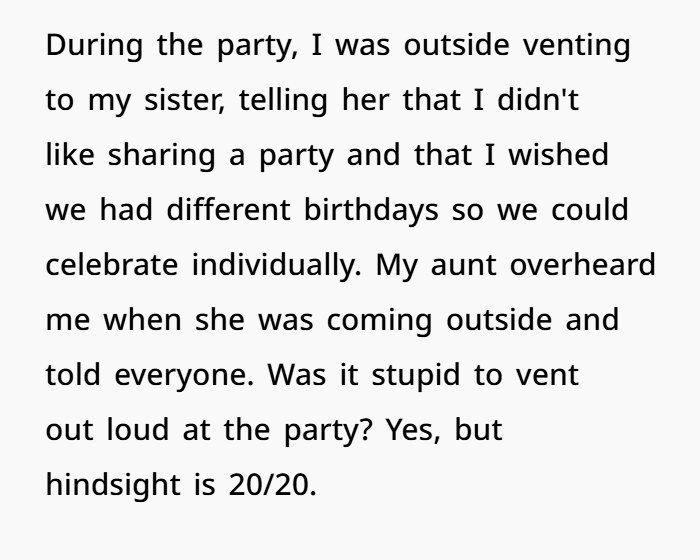
Feeling upset, the teenager stepped away from the gathering and spoke privately with her sister. She admitted that she wished she could have a birthday of her own instead of always sharing it.
Unfortunately, her aunt overheard the conversation.
Rather than keeping the comment private, the aunt told other family members what the girl had said.
The situation quickly turned into a family argument.
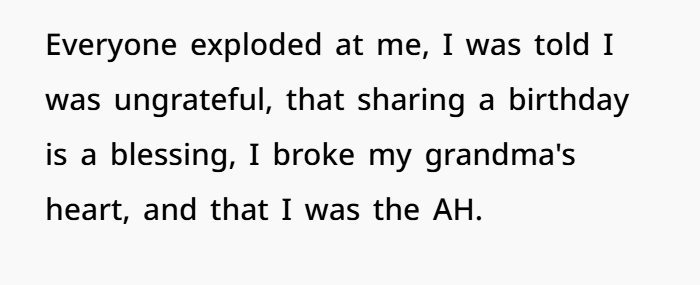
Several relatives accused the teenager of being selfish and disrespectful. They believed her words were hurtful to her grandmother and showed that she didn’t value their family tradition.
Advertisement – Continue Reading Below
The girl was left feeling guilty and upset.
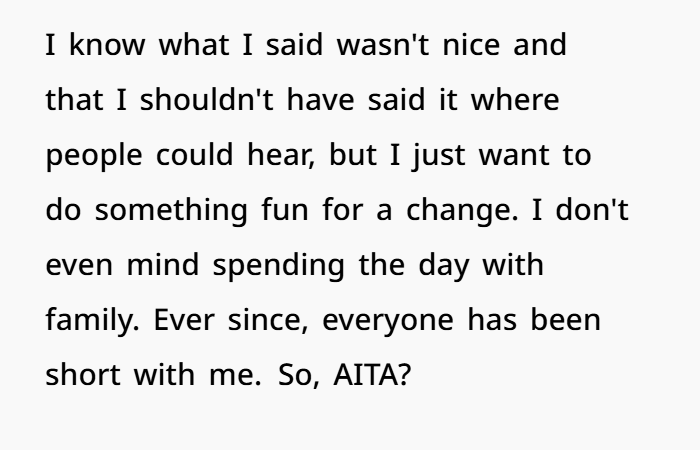
She understood that expressing those feelings during the party might have been poor timing. Still, she couldn’t understand why wanting her own celebration was treated as something so terrible.
After all, she wasn’t asking her family to stop celebrating her grandmother’s birthday.
She simply wanted one day when she could choose how to celebrate her own.
For years, she had gone along with the family’s plans, even when they didn’t reflect what she wanted. Now that she was older, she hoped her parents would take her feelings more seriously.
Instead, she felt like everyone was more concerned about protecting the tradition than listening to her.
The experience left her wondering whether she had been wrong to speak up.
Her story raises a question many families face as children grow older: Should family traditions always come first, or should teenagers have more freedom to create their own special memories?
Wanting a birthday of your own doesn’t have to mean loving your family any less.
But this 17YO isn’t allowed to… Instead, her grandma gets to plan their combined party every year
1. Growing Up Means Wanting a Birthday That Feels Like Your Own
Sharing a birthday with a family member can be exciting when you’re young. It often means bigger parties, more cake, and special memories with loved ones.
But as children grow into teenagers, their interests and needs begin to change.
At 17, many teens want to make their own plans, spend time with friends, and choose how they celebrate. It’s a natural part of growing up and finding out who they are.
For this teenager, the problem wasn’t sharing a birthday with her grandmother. It was feeling like she never had much say in the celebration.
For years, the family had planned everything around her grandmother’s wishes. While the girl could choose a few small details, most decisions were made without her input.
She wasn’t asking anyone to stop celebrating her grandmother.
She simply wanted a birthday that reflected her own interests, too.
Wanting some control over a personal milestone doesn’t mean someone is selfish or ungrateful.
2. Family Guilt Can Make It Hard to Speak Up
One of the hardest parts of this situation was how the family reacted when the teenager shared her feelings.
Instead of asking why she felt unhappy, several relatives accused her of being disrespectful.
They focused on how her words might have hurt her grandmother rather than why she had become frustrated.
When families respond this way, it can make younger members afraid to speak openly.
No one wants to feel responsible for upsetting the people they love.
But keeping quiet about personal needs can also lead to frustration and resentment over time.
The teenager had already spent years accepting birthday plans she didn’t enjoy. When she finally admitted how she felt, the response made her feel even worse.
A better approach would have been to hear her side of the story.
Her family could have asked what she wanted and looked for a way to include everyone’s wishes.
After all, caring about someone’s feelings shouldn’t mean ignoring your own.
3. Setting Boundaries With Family Isn’t Disrespectful
As teenagers get older, they naturally begin wanting more freedom.
They start making choices about their friends, hobbies, personal time, and special events.
This doesn’t mean they love their families any less.
It simply means they’re growing into their own person.
In this case, the girl wasn’t refusing to spend time with her grandmother. She wanted more balance between the family tradition and her own birthday plans.
That could mean celebrating with relatives during the day and seeing friends later.
It could also mean having a separate party on another date.
Even allowing her to choose more of the food, activities, or guests might help her feel included.
These are small changes, but they could make a big difference.
Healthy family boundaries aren’t meant to push loved ones away. They help people understand each other’s needs and build stronger bonds.
The teenager wanted her family to respect her wishes, just as she had respected their tradition for years.
4. Different Generations May See Birthdays Differently
The disagreement also shows how people of different ages can view the same family tradition in very different ways.
For older relatives, sharing birthdays might represent love, closeness, and years of happy memories.
They may see the joint celebration as something that brings everyone together.
For a teenager, though, birthdays can have a different meaning.
They often mark growing independence and offer a chance to celebrate personal interests and friendships.
Neither view has to cancel out the other.
The grandmother may enjoy sharing her birthday with her granddaughter. At the same time, the teenager may want to create memories with people her own age.
Both wishes can matter.
Problems begin when one person’s feelings are treated as more important than everyone else’s.
A tradition can still be meaningful even when it changes.
Families grow, and the way they celebrate special occasions can grow with them.
5. How the Teenager Could Handle the Situation Moving Forward
After such an upsetting argument, the teenager may find it difficult to bring up the subject again.
Still, a calm conversation with her parents could help them understand her feelings.
Rather than focusing on everything she dislikes about the shared parties, she could explain what she hopes to change.
For example, she might tell them she loves her grandmother but also wants time to celebrate with friends.
She could make it clear that she isn’t asking to end the family tradition.
Instead, she wants a little more freedom to enjoy her birthday in her own way.
There are several ways the family could make this work.
They could hold the usual family gathering and let her plan a separate event with friends.
They might also divide the day so both birthday celebrations receive attention.
Another option would be allowing the teenager to help plan the shared party instead of leaving most choices to older relatives.
These changes wouldn’t require anyone to give up the tradition completely.
If her parents still refuse, she may need to wait until she has more freedom to plan her own celebrations.
In the meantime, even a small birthday outing with friends could help her create memories that feel personal.
6. Was the Teenager Wrong for Saying How She Felt?
Looking at the situation, the teenager’s frustration is easy to understand.
She had spent much of her childhood sharing birthday celebrations planned around her grandmother.
As she grew older, she wanted something different, but her parents continued rejecting her requests.
She didn’t insult her grandmother or demand that the family stop celebrating her birthday.
She simply admitted to her sister that she wished she could have a celebration of her own.
The fact that her aunt overheard the private conversation made the situation more upsetting.
Her relatives may have felt hurt by what they heard, but that doesn’t mean her feelings were wrong.
Of course, saying something upsetting during a family celebration can create tension.
A private conversation with her parents at another time might have been easier for everyone.
But the real problem wasn’t just when she spoke.
It was that she had been trying to express her wishes for years without feeling heard.
At 17, wanting a birthday that reflects your own interests is hardly unusual.
She can appreciate her grandmother and still want something special for herself.
7. Final Thoughts: Family Traditions Should Leave Room for Change
This story isn’t only about two people sharing a birthday.
It’s also about what happens when a family tradition no longer works for everyone involved.
The teenager grew up enjoying the shared celebrations. But as she got older, she began wanting more control over her special day.
Her family seemed to struggle with accepting that change.
Instead of seeing her request as part of growing up, some relatives treated it as a rejection of her grandmother.
But those two things aren’t the same.
A person can love their family, value old memories, and still want to create new traditions.
Strong family bonds don’t depend on everyone celebrating the same way forever.
They grow when people listen, respect each other’s feelings, and make room for change.
The teenager wasn’t asking her family to choose between her and her grandmother. She simply wanted a birthday where her wishes mattered, too.
“Probably get grounded for life”: the teen gave a lot more info later on
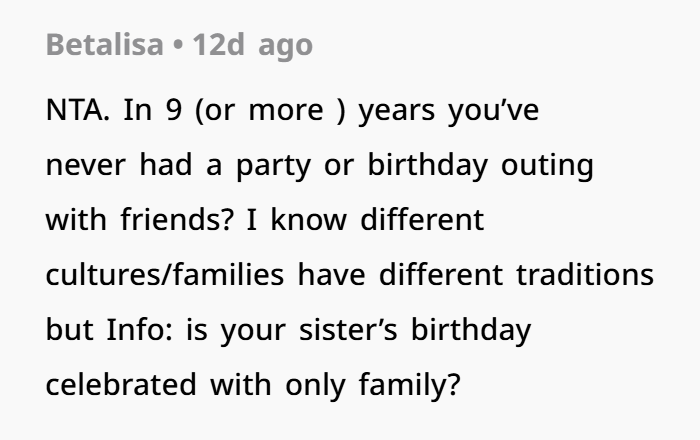
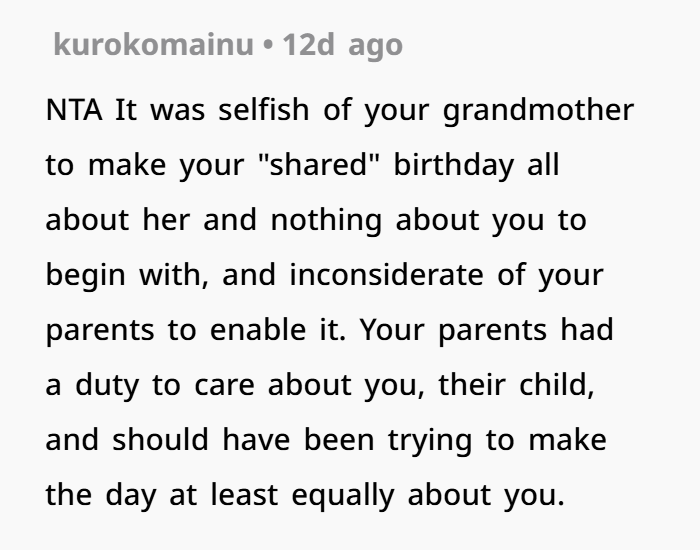
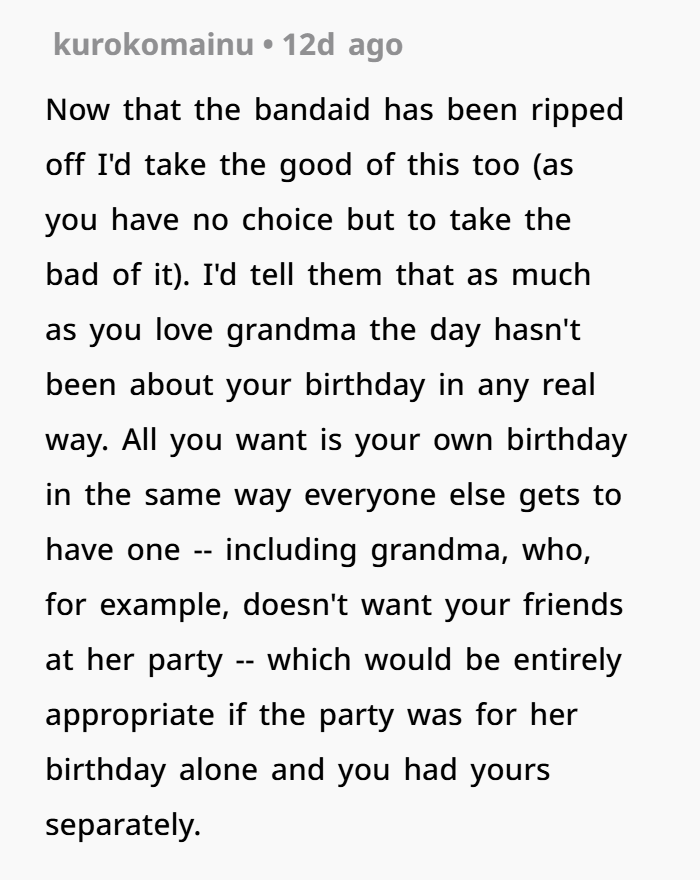
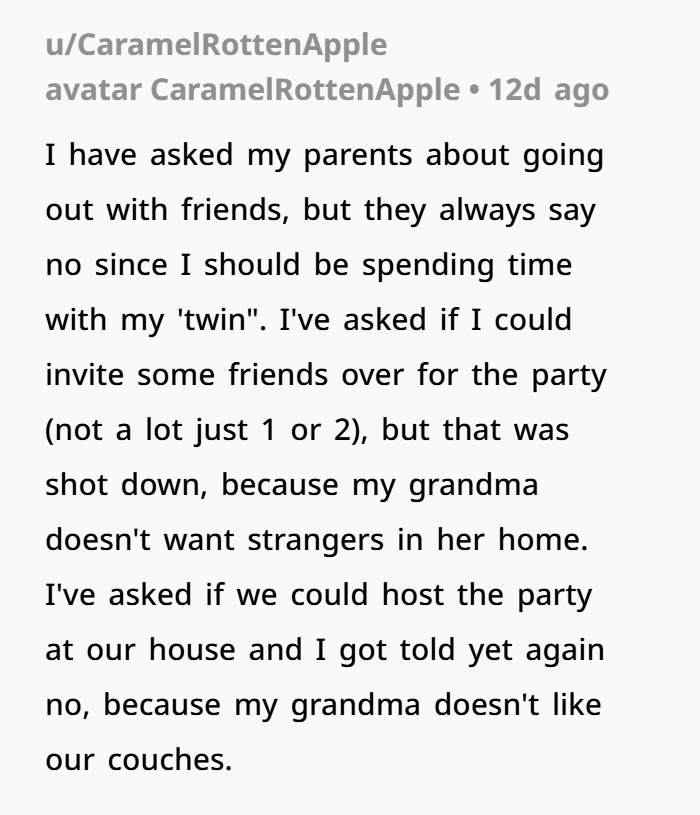
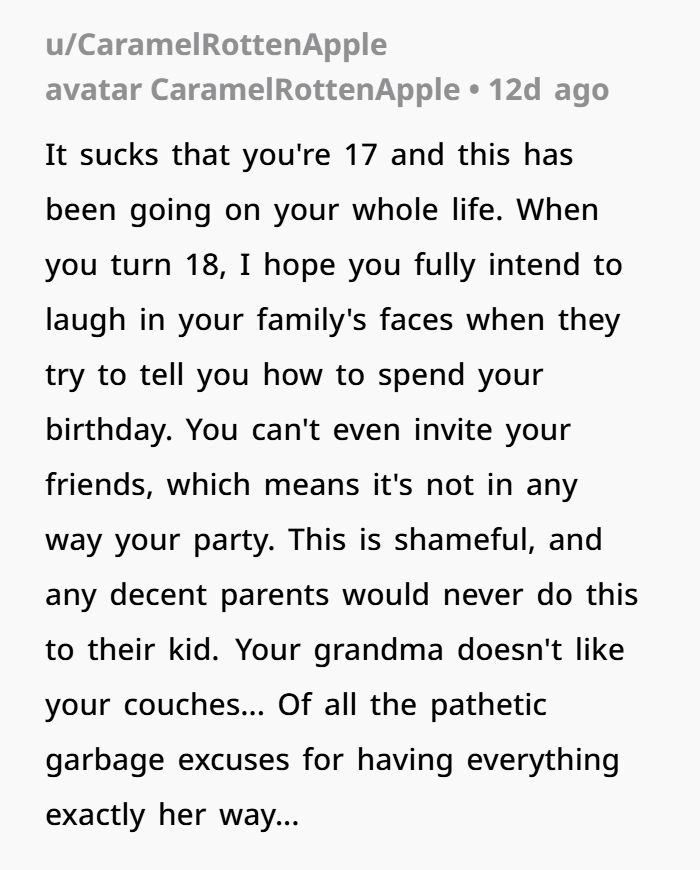

The teenager didn’t ruin the celebration or mean to disrespect anyone. She simply shared a feeling that many people can relate to. Sometimes, family traditions leave little room for personal wishes, especially as children grow older.
Instead of criticizing her, the adults could have listened and tried to understand her side. A calm conversation might have helped everyone find a solution without turning the situation into an argument.
But rather than feeling heard, she was made to feel guilty for expressing her emotions.
Over time, her family may come to understand that wanting her own birthday doesn’t mean she loves her grandmother any less. She is growing up, becoming more independent, and hoping to make memories that reflect her own interests.
Hopefully, future birthdays will give her the best of both: meaningful moments with her family and a celebration that feels special to her.