17 Decorating Tricks Designers Use in Every Room

Decorating a home from scratch or refreshing your current space is always exciting.
However, budget constraints, endless decisions, and a never-ending timeline can make it easy to feel overwhelmed or unsure of your next step.
While Pinterest offers plenty of inspiration, it doesn’t always show you how to translate those beautiful images into a functional space that works for you.
I’ve been there, and I understand how challenging it can be to design a room from start to finish.
That’s why I’ve compiled some of the most effective decorating tips that professional designers use in every room.
If you’re finding it tough to bring your vision to life, these expert strategies will help you approach your space with confidence and decorate like a pro.
1. Start with organization
A beautifully designed home always begins with organization, no matter your decorating style.
Before you rush to buy new furniture or décor, take a moment to declutter what you already own.
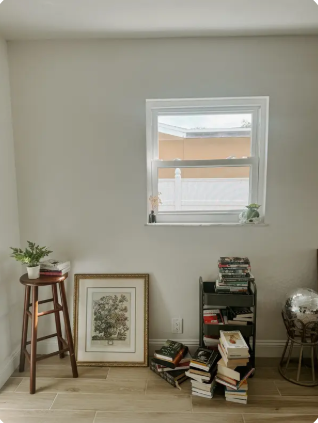
Take a careful look at your space and be honest with yourself—if an item doesn’t bring you joy or serve a purpose, it’s time to donate it or part ways.
Starting with a clean, organized foundation not only makes your home feel instantly more polished but also gives you a clearer vision and more flexibility when planning your new layout.
2. Decorate in odd numbers
While symmetry can be pleasing to the eye, too much of it can make a room feel rigid or predictable.
A simple designer trick is to style accessories in odd numbers, which creates a more relaxed, dynamic vibe. Groupings of three or five tend to feel more balanced and visually interesting than even-numbered ones.
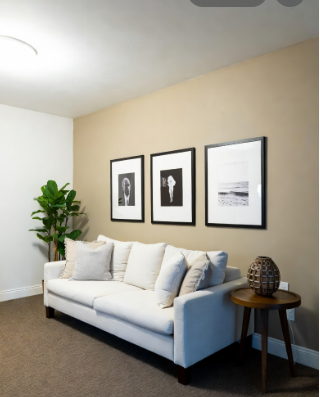
Try arranging three candlesticks on a mantel, layering five pillows on a sofa, or stacking three books on a coffee table to create a space that feels effortlessly styled rather than too contrived.
3. Use a variety of textures
Texture is one of the most powerful tools designers use to make a space feel warm, layered, and inviting.
No matter your color palette, a well-designed room should feature a mix of textures—think linen, velvet, wood, stone, ceramics, and woven materials. This variety adds depth and richness, making the space feel more dynamic and welcoming.
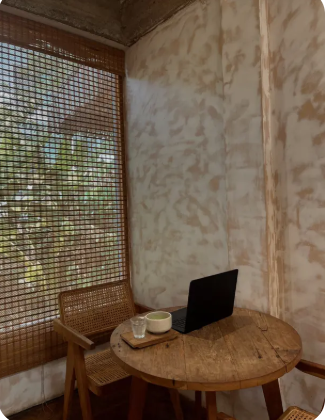
These varied textures add depth and visual interest, giving the space a sense of richness and completeness, even when the design revolves around a simple, neutral color palette.
Advertisement – Continue Reading Below
4. Pay attention to scale
Scale is one of the fundamental concepts designers learn early on, and for good reason.
It’s all about how the size of one element relates to others in the room and to the overall space—like how your sofa compares to your coffee table, or how both fit within the room.
When furnishing, choose pieces that feel proportional to each other and to the size of the room itself. This creates a balanced, harmonious look that doesn’t overwhelm or underwhelm the space.
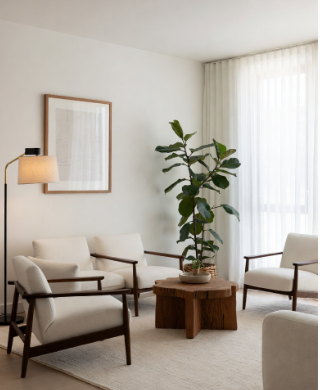
Oversized, bulky furniture can overwhelm a small space, while mismatched pieces in size can make the room feel disjointed.
Selecting furniture with the right scale helps create a space that feels comfortable, cohesive, and thoughtfully put together.
5. Anchor furniture with a rug
One of the most common design mistakes is choosing a rug that’s too small for the space.
An undersized rug can make a room feel awkward, unfinished, and far from professionally styled. It’s important to select a rug that anchors the space and helps tie the room together.
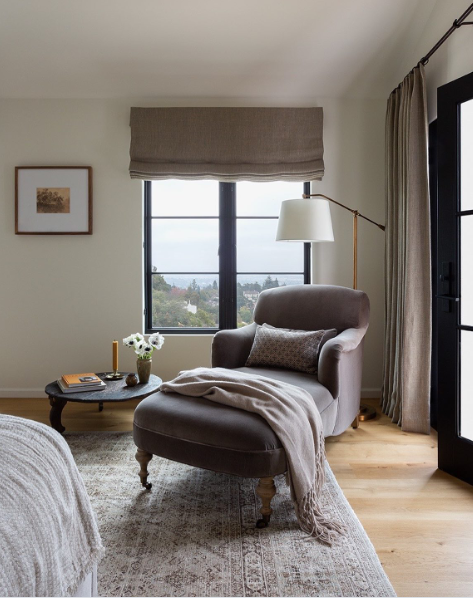
Designers know that the right rug size anchors the entire layout, which is why they often choose a rug that’s larger than most people might expect. Ideally, all your furniture should comfortably sit on the rug with a bit of space around the edges.
At a minimum, the front legs of key pieces—such as sofas, chairs, and side tables—should rest on the rug. This helps create a cohesive, well-defined seating area that feels intentional and grounded.
6. Think about how you want to live in the space
Designers focus on creating spaces that are both beautiful and functional for everyday living.
Decorating isn’t about crafting a museum-like room where nothing can be touched or used—it’s about shaping a space that supports your lifestyle and enhances how you live day-to-day.
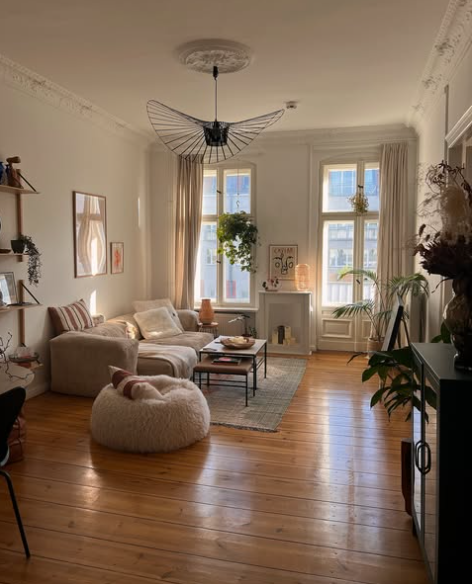
Before buying furniture or décor, think about how you’ll use the room and which pieces will make daily life more comfortable and enjoyable.
For example, a lamp beside the sofa is a must if you love reading at night, while extra accent seating is a smart choice if you often entertain guests.
When function drives your choices, the design will naturally fall into place, creating a space that’s both practical and beautiful.
7. Choose a focal point
Great design gives the eye a place to rest. Creating a focal point helps anchor the room and provides a natural starting point for the overall layout.
This focal point could be an existing feature, such as a fireplace, a large window, or a striking architectural detail, giving the space direction and balance.
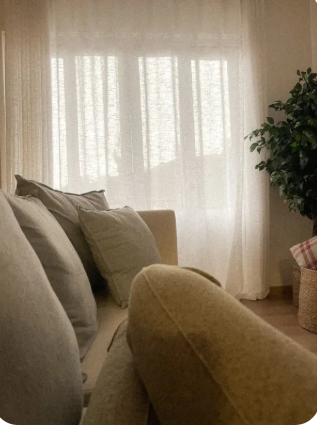
If the room lacks standout features, you can create a focal point with something you introduce yourself—like a large piece of furniture, a statement artwork, or a bold lighting fixture.
Once the focal point is in place, arrange your furniture and layer in décor around it to craft a space that feels purposeful and visually balanced.
8. Use the rule of thirds
The rule of thirds is a simple yet effective technique designers use to create visual balance.
It involves mentally dividing a space—whether it’s an entire room or a smaller vignette, like a coffee table—into three columns and three rows, forming a nine-box grid. This method helps guide the placement of key elements, ensuring the space feels balanced and harmonious.
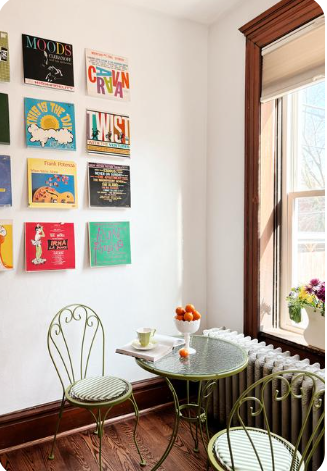
When you visualize this grid, aim to distribute visual weight evenly from top to bottom and side to side.
No area should feel too heavy or too empty. Applying the rule of thirds helps create compositions that are harmonious, intentional, and visually pleasing.
9. Decorate with items that feel personal to you
Before designers begin decorating, they take the time to understand their clients’ personalities, interests, and lifestyles to ensure the space feels truly personal.
You can apply the same approach in your own home by surrounding yourself with items that reflect who you are, making the space feel authentic and uniquely yours.
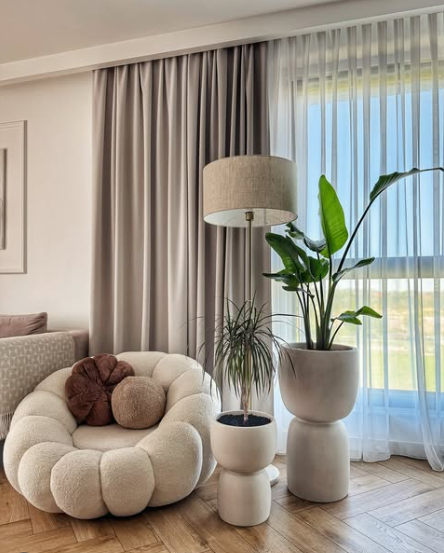
Display meaningful objects from your travels, search for unique vintage pieces at flea markets, collect books that resonate with your interests, and incorporate textures and materials you truly love.
The goal isn’t to replicate a room you’ve seen online, but to create a space that feels authentic, layered, and unmistakably yours.
10. Invest in furniture you love
When furnishing your home, patience is key. Since furniture is often a significant investment and can take time to be delivered, it’s much more important to choose the right pieces than to rush the process.
Your furniture should serve your everyday needs while also reflecting your personal style, not just fill empty space.
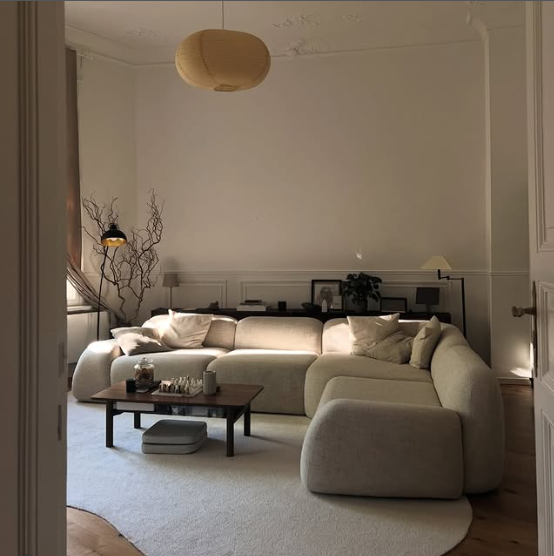
Taking the time to find pieces that truly fit your home and your needs will always be worth the wait and the investment, resulting in a space that feels intentional and thoughtfully curated.
11. Trust your gut
Your first instinct is often the right one.
Decorating decisions, like choosing a paint color or selecting the perfect accent chair, can feel overwhelming with so many beautiful options to consider. Trusting your initial gut feeling can help you move forward with confidence and clarity.
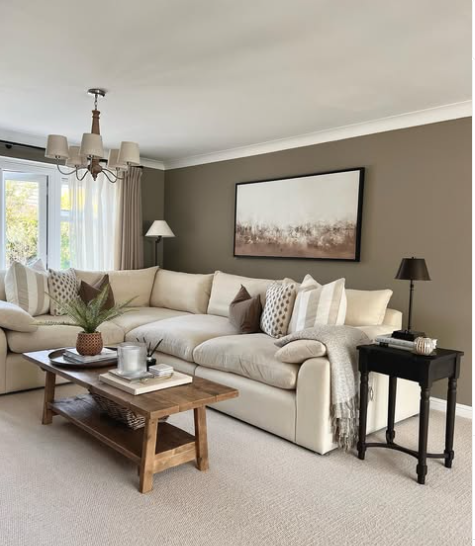
More often than not, the idea you’re initially drawn to ends up being the best fit. Trust your gut and commit to what feels right to you.
As you make more decisions and see them come together, you’ll naturally refine your personal style and gain more confidence in your decorating choices.
12. Bring the outside in
One detail you’ll almost always find in professionally designed spaces is greenery.
Whether real or faux, plants immediately add color, texture, and life to a room, making it feel more vibrant and inviting.
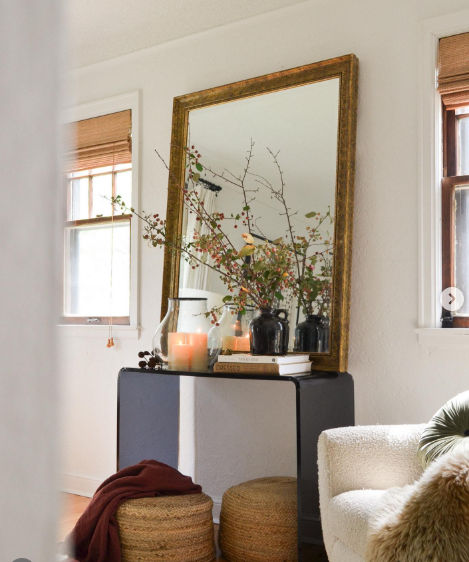
No space truly feels complete without an organic element, so consider styling fresh herbs in the kitchen, placing a potted fiddle-leaf fig in the living room, or adding a simple vase of greenery to your coffee table.
Fresh flowers are another great option—an easy way to bring warmth, color, and freshness into any room.
13. Make lighting a top priority
Good lighting has the power to completely transform a room.
In addition to adding personality and atmosphere, it highlights your furniture and décor in the best possible way. When decorating, don’t rely solely on the overhead lighting that came with your home—layer in a mix of table lamps, floor lamps, and accent lighting to create a warm, inviting glow.
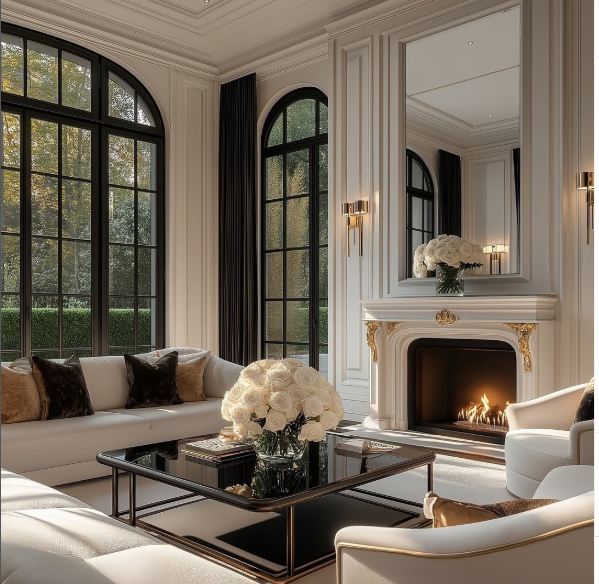
Instead, layer multiple light sources—such as table lamps, floor lamps, wall sconces, or statement ceiling fixtures—to create depth and highlight different areas of the space.
Thoughtfully chosen lighting not only enhances functionality but can also serve as a piece of art, setting the tone and mood for the entire room.
14. Add art
Art instantly elevates a space and is a key element in nearly every professionally designed home.
Choose pieces that truly resonate with you—or create your own—and display them at eye level for the best visual impact. This helps the art become a focal point and adds personal character to the room.
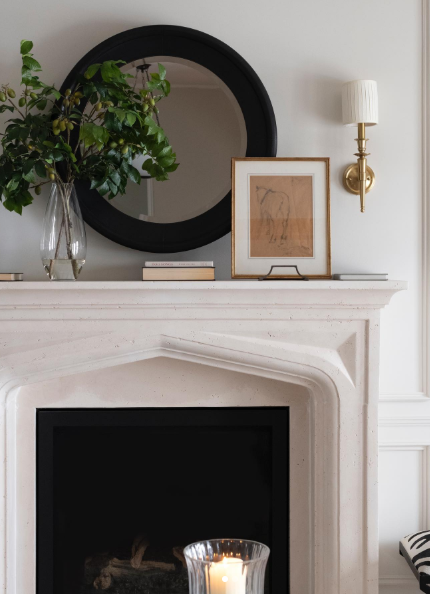
Hanging artwork too high or too low is one of the most common decorating mistakes, so proper placement is key.
Art is a powerful way to express your personality and tastes, and thoughtfully chosen pieces can make your home feel more personal, warm, and inviting. The right placement allows the art to become an integral part of the space, enhancing the overall design.
15. Don’t over-design
Pinterest can be both a blessing and a curse when it comes to decorating.
Use it as a tool to identify patterns in what you’re drawn to—whether it’s specific colors, styles, or layouts—and to inspire fresh ideas. This way, you can focus on what resonates with your personal taste while avoiding the overwhelm of endless options.
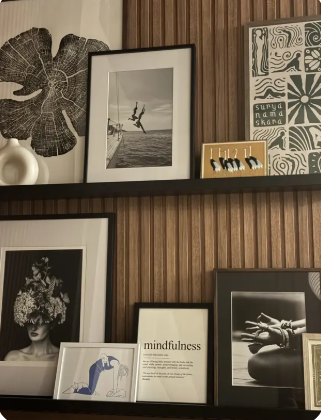
Just be careful not to cram every inspiring image into one space.
The goal is for your home to feel thoughtfully curated and uniquely yours, not like a collage of every trend you’ve ever saved. Focus on what truly reflects your style, creating a space that feels cohesive and personal rather than overwhelming.
16. Edit, edit, edit
Designers know that less is often more.
Starting with a simple color palette and strong foundational pieces allows a room to feel complete with just a few thoughtful details. This approach creates a space that feels calm, intentional, and timeless without being overcrowded.
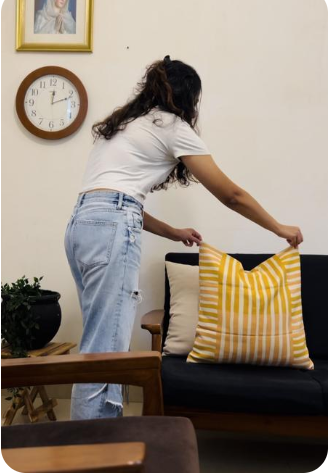
Accessories should enhance the space, not overwhelm it. If a room starts to feel crowded or overly fussy, it’s often a sign that it’s time to edit and simplify.
A more restrained approach helps create a space that feels calm, polished, and intentional, allowing each piece to stand out without competing for attention.
17. Bring in an element of surprise
When it comes to design, there are no strict rules—only guidelines to help you make confident choices.
Your furniture doesn’t have to adhere to a single style, and finishes don’t need to match perfectly throughout your home. In fact, mixing different elements often creates a more dynamic and interesting space.
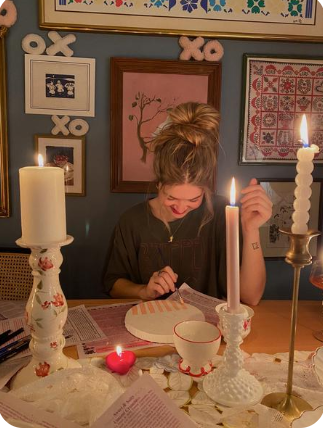
An unexpected pop of color in a neutral room or a bold piece of furniture or art can bring personality and visual interest to the space.
This is your home, and it should feel fun, expressive, and a bit spontaneous—let your design choices reflect that same vibrant energy.