I Gave My Husband an Ultimatum: Get Life Insurance or Face Divorce After a Family Cancer Diagnosis
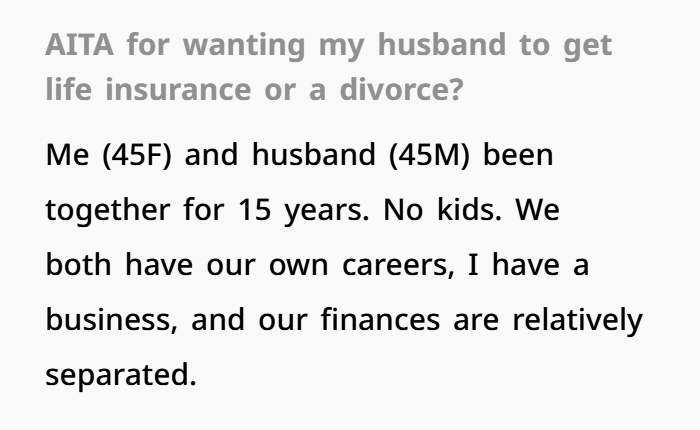
A 45-year-old business owner found herself facing a difficult choice after a serious illness in her husband’s family raised concerns about their future.
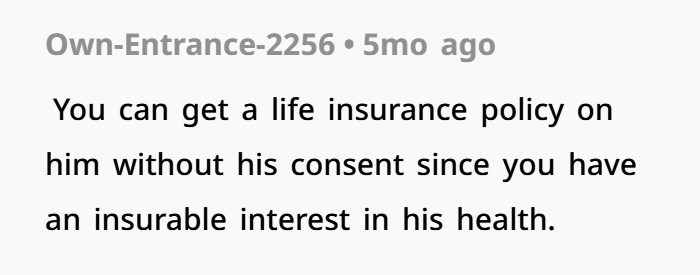
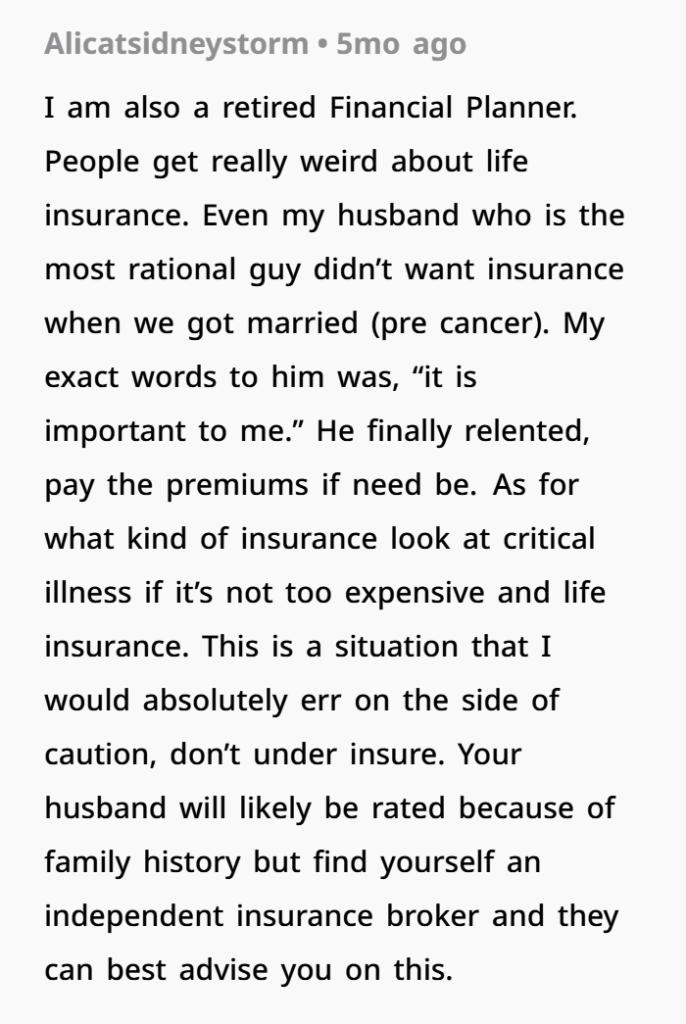
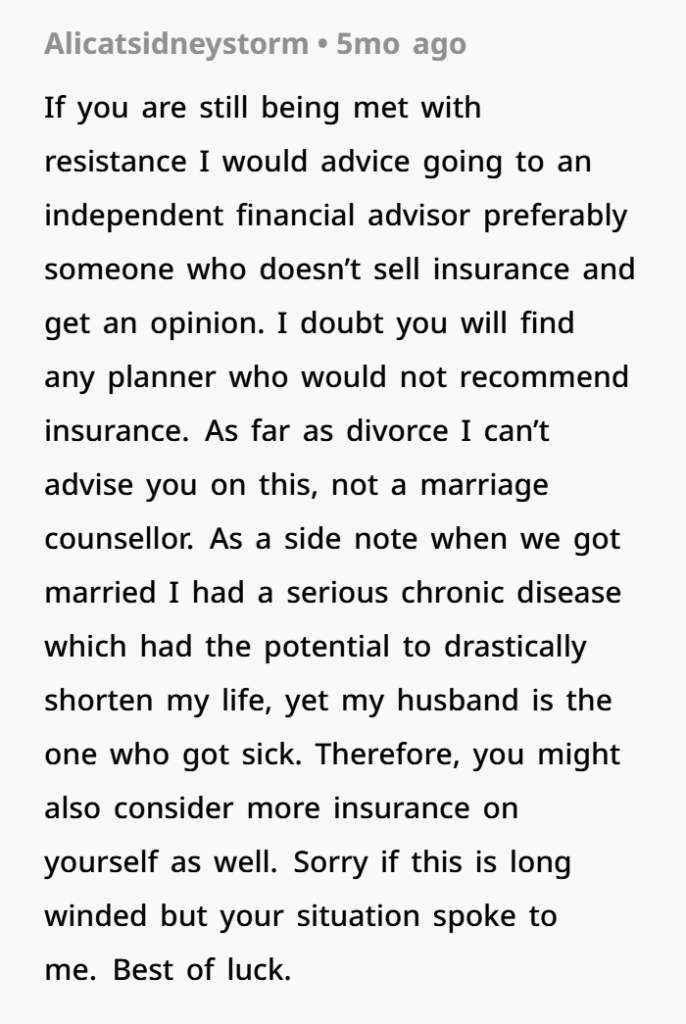
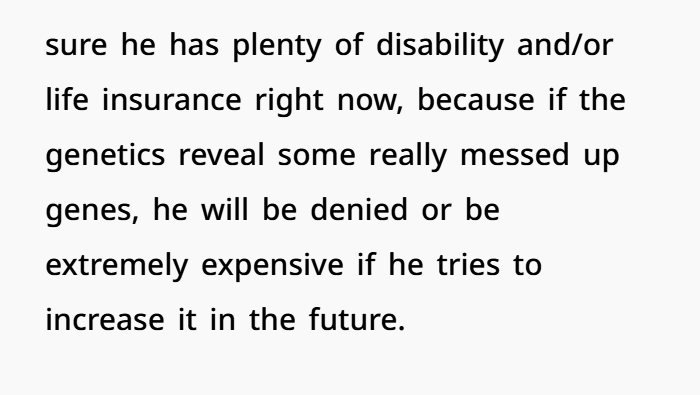
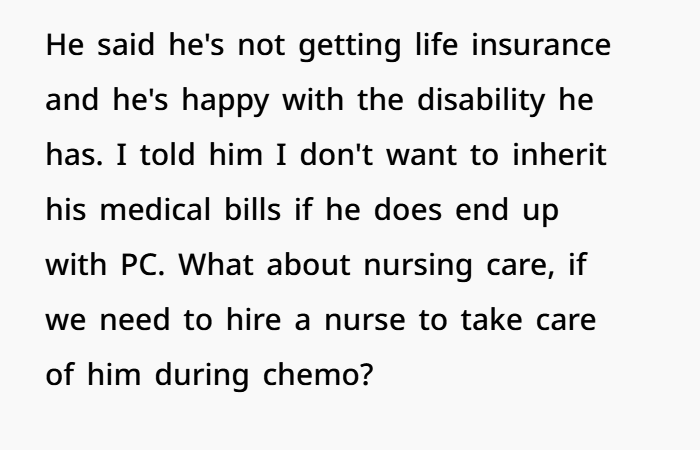
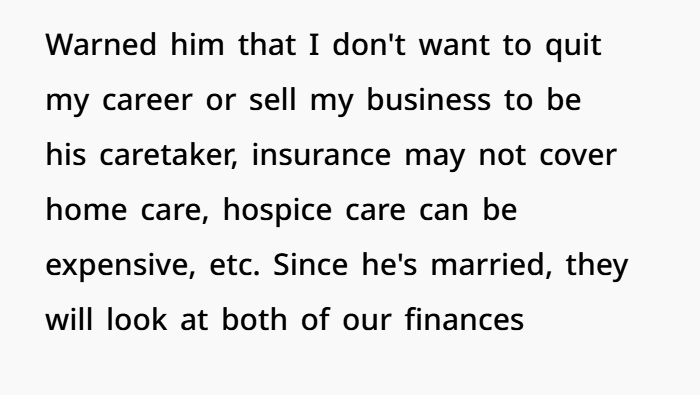
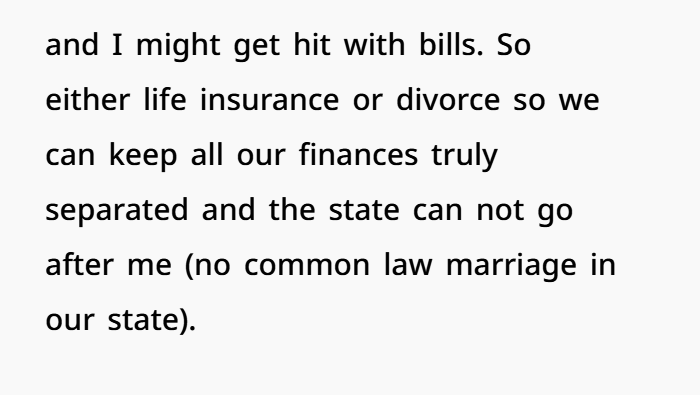
She wanted her husband to consider life insurance and disability insurance. To her, it seemed like a sensible way to protect their finances if something unexpected happened.
But her husband didn’t share her concerns.
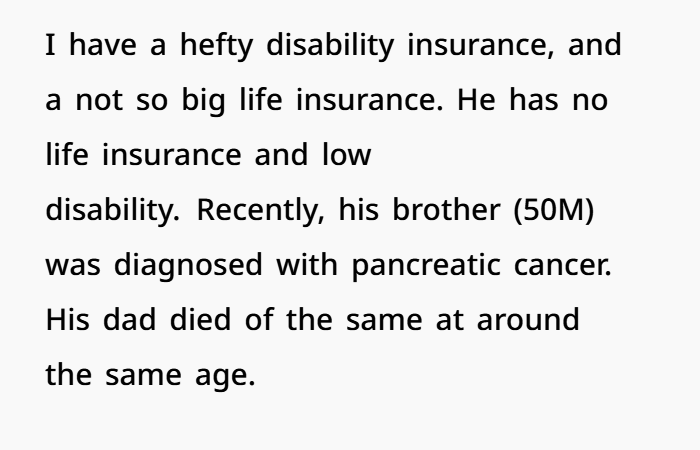
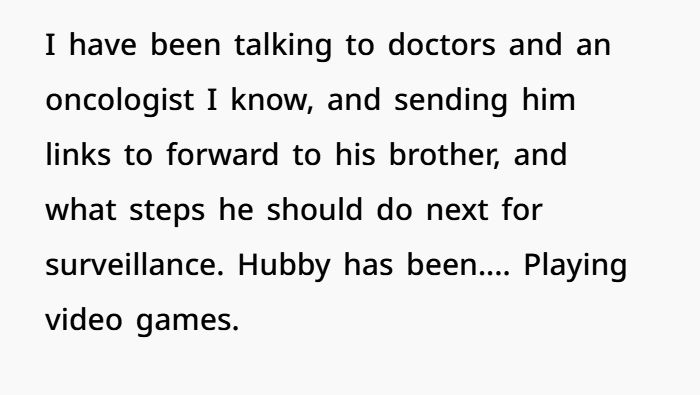
The situation began when her brother-in-law was diagnosed with pancreatic cancer.
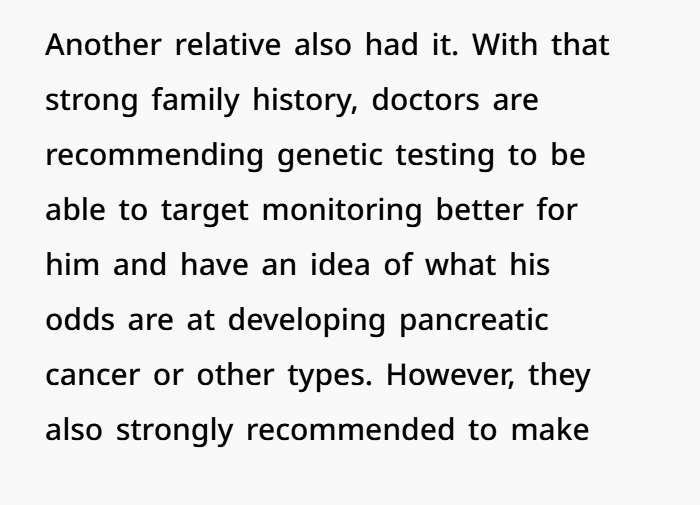
Because cancer had affected several family members, doctors recommended genetic testing to learn more about possible health risks.
The news made the woman think about what might happen if her husband became seriously ill or could no longer work.
She wasn’t just worried about his health. She was also thinking about how they would manage their bills, savings, and daily expenses.
Her concerns came from personal experience.
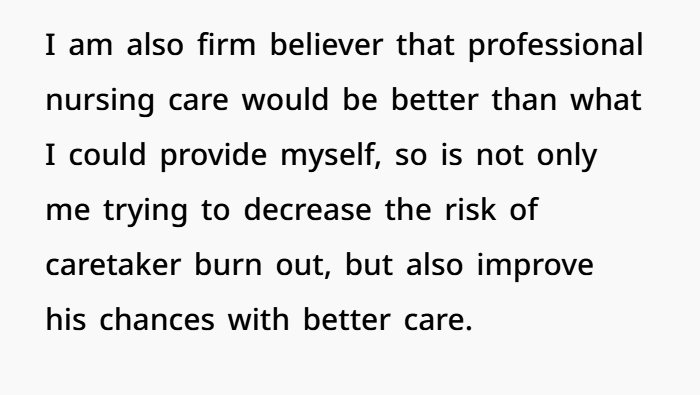
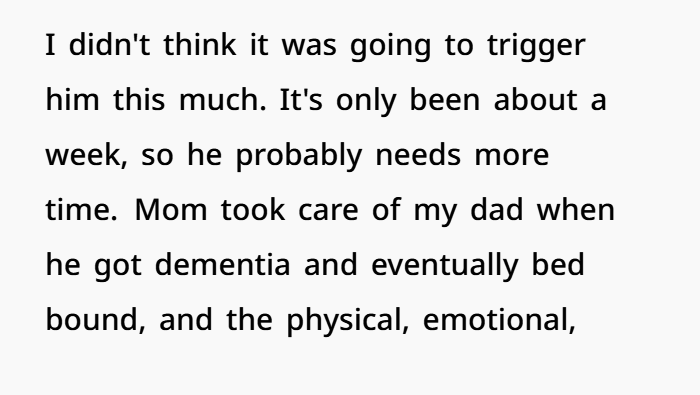
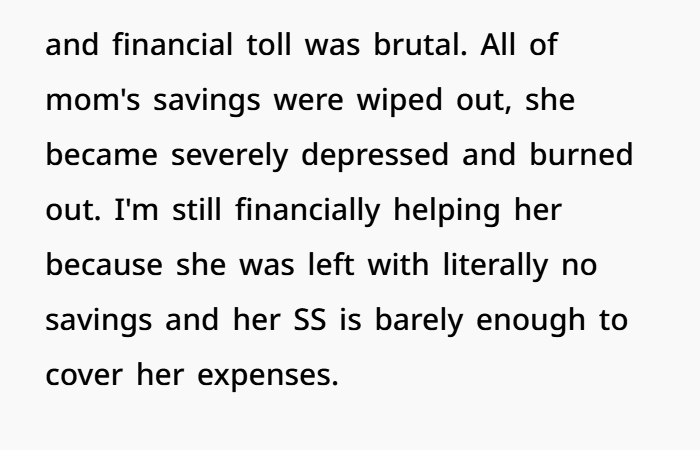
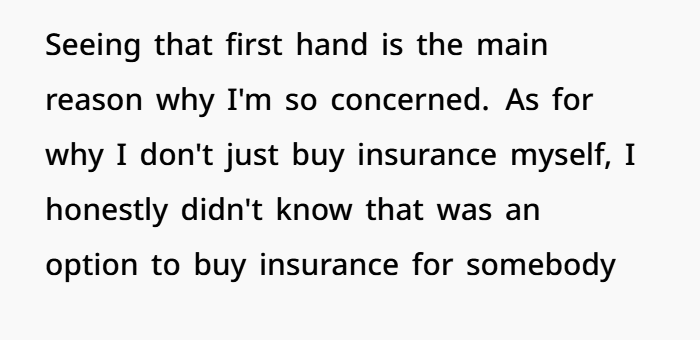
She had watched her mother struggle with money while caring for a seriously ill spouse. She knew how quickly medical costs and lost income could put pressure on a family.
She didn’t want to find herself in the same position.
That’s why she felt talking about insurance was so important.
For her, having coverage meant being ready for difficult situations rather than waiting until something went wrong.
But when she brought up the subject, her husband’s response left her frustrated.
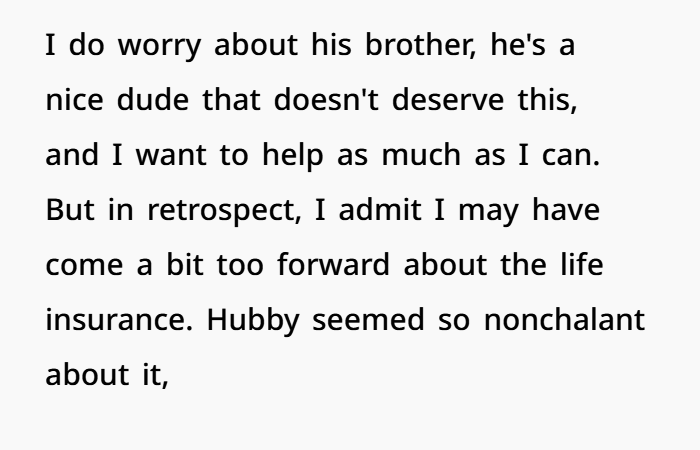
Instead of having a serious discussion, he brushed off her worries.
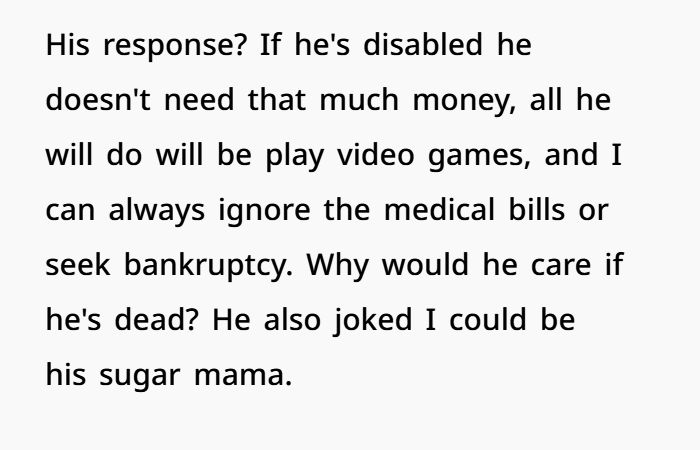
He joked that if he couldn’t work anymore, she could simply support him.
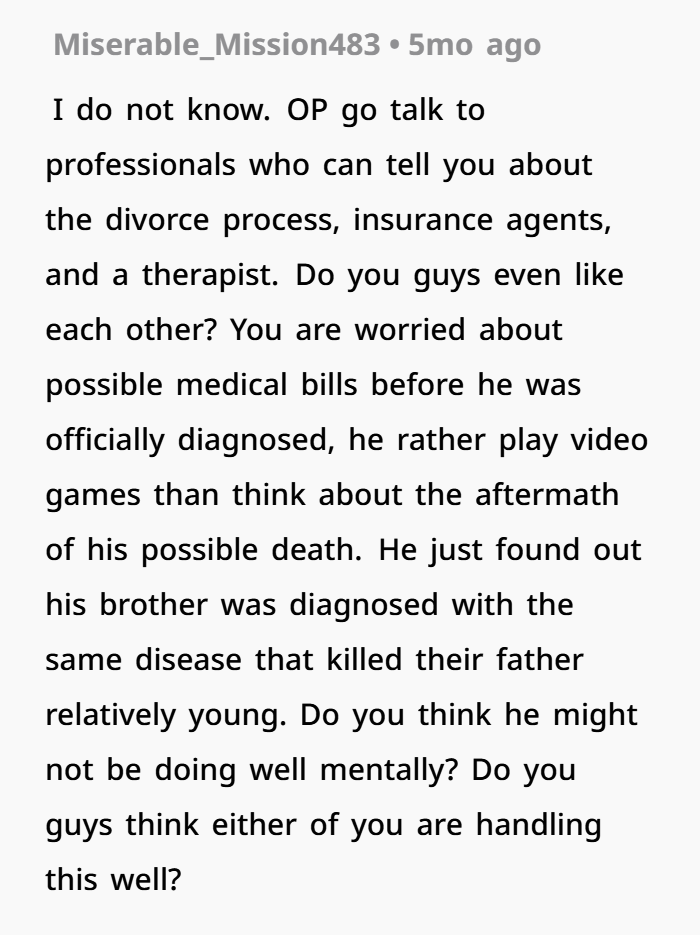
He also made comments about spending his time playing video games if he became disabled.
Advertisement – Continue Reading Below
The woman didn’t find those jokes funny.
She felt he was ignoring a problem that could affect both of them.
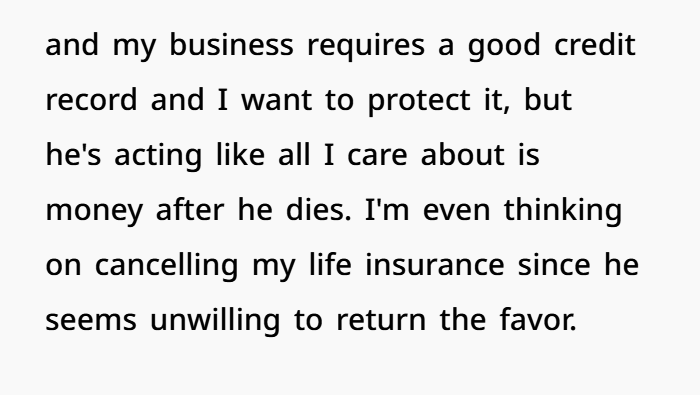
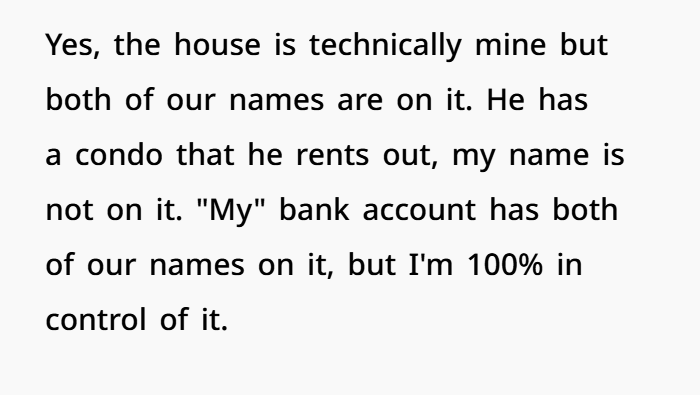
As a business owner, she had worked hard to build her financial security. She also had savings and retirement plans she wanted to protect.
The thought of losing those things because they hadn’t planned ahead made her uneasy.
She wanted them to discuss what would happen if either partner became unable to earn money.
She also wanted to know how they would handle medical bills and other costs if a serious illness changed their lives.
But each time she tried to raise the issue, she felt her husband wasn’t taking it seriously.
Eventually, her frustration led her to suggest something unusual.
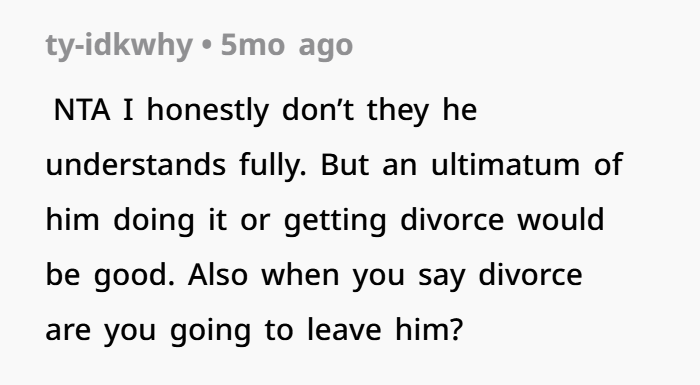
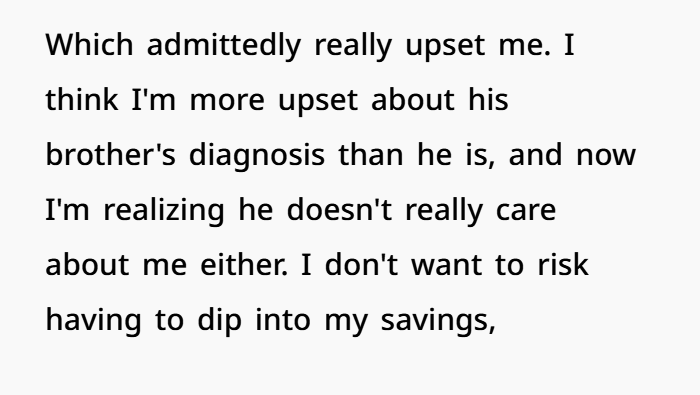
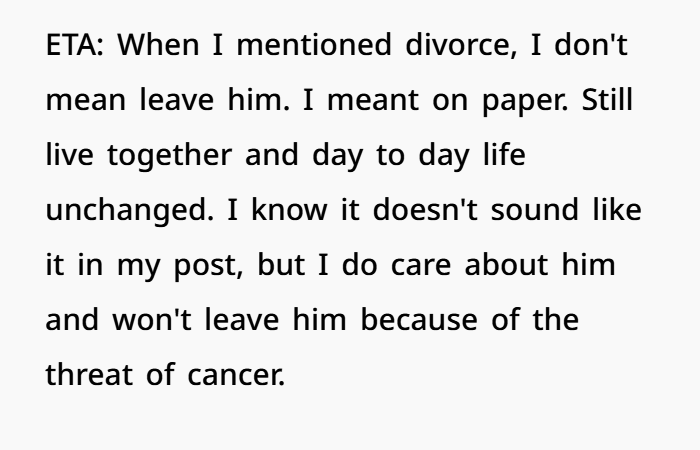
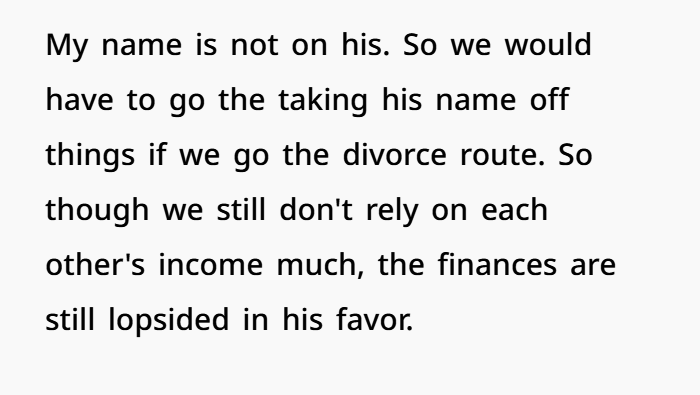
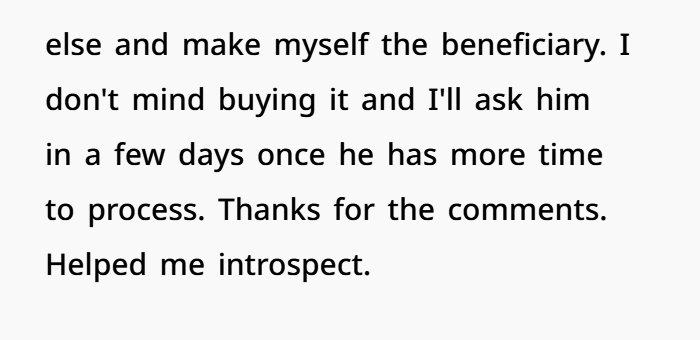
She told him they could get legally divorced while continuing to live together and remain a couple.
Her idea wasn’t about ending their relationship.
She believed a legal divorce might help protect her business, savings, and other assets from future financial risks.
She still wanted to be with her husband. She just didn’t want their finances tied together in a way that could leave her facing serious losses.
However, divorce doesn’t always protect assets from medical debts. The outcome depends on local laws and each couple’s financial situation.
The suggestion showed how worried she had become about their future.
What started as a conversation about insurance had turned into a much bigger disagreement about money, responsibility, and planning ahead.
Her husband seemed comfortable leaving things as they were.
She, on the other hand, wanted a clear plan before anything happened.
The difference in their views left her wondering whether she had gone too far.
She didn’t want to abandon her husband if he became sick. But she also didn’t want to risk losing everything she had worked for because they hadn’t prepared.
The situation raises a difficult question about marriage and financial responsibility.
When one partner wants to prepare for possible health problems and the other refuses to discuss them, how should they move forward?
For this woman, the issue wasn’t simply about buying insurance.
It was about feeling that both partners were taking their shared future seriously.
Now she’s left questioning whether suggesting divorce was an extreme response or a sign of how deeply the disagreement had affected her trust in their financial plans.
Make the opening more engagingReduce repeated financial concerns

Why This Marriage Conflict Is About More Than Life Insurance
At first, this story seems like a simple disagreement about life insurance and money.
The wife wants to protect their savings, business, and future. Her husband doesn’t seem to share the same sense of concern.
But there’s something deeper behind their argument.
Fear.
Both partners may be dealing with the same worry in very different ways.
The wife wants to prepare for what could happen. Her husband seems more comfortable focusing on life as it is today.
And that difference has created tension between them.
Why the Wife Is So Worried About the Future
The wife’s concerns didn’t appear out of nowhere.
Her husband’s brother was diagnosed with pancreatic cancer. There was also a history of cancer in the family.
Because of these risks, doctors suggested genetic testing and closer health checks.
For the wife, this news brought back painful memories.
She had watched her mother care for a seriously ill spouse. She saw how quickly medical bills, lost income, and daily stress could affect a family.
That experience stayed with her.
Now, she doesn’t want to face the same struggles in her own marriage.
She’s thinking about more than her husband’s health.
She’s also worried about how they would pay their bills if he couldn’t work.
Who would handle daily expenses? How would she manage her business while caring for him? What would happen to their savings?
These are difficult questions, but they’re worth discussing before a crisis.
For her, life insurance and disability coverage offer a sense of security.
She wants to know they have a plan if something unexpected happens.
Why Her Husband May Be Avoiding the Conversation
Her husband seems to have a very different view.
When she brings up insurance, he makes jokes or brushes off her concerns.
He even joked that she could support him if he became unable to work.
He also talked about spending his time playing video games if he became disabled.
To his wife, those comments sounded careless.
But there may be more behind his reaction.
Some people use humor when they’re faced with frightening subjects.
Talking about cancer, disability, or death can be uncomfortable. Making jokes may feel easier than discussing those fears.
Of course, it’s also possible that he simply doesn’t see the same level of risk.
We can’t know exactly what he’s thinking from the story alone.
His past family experiences may also play a role.
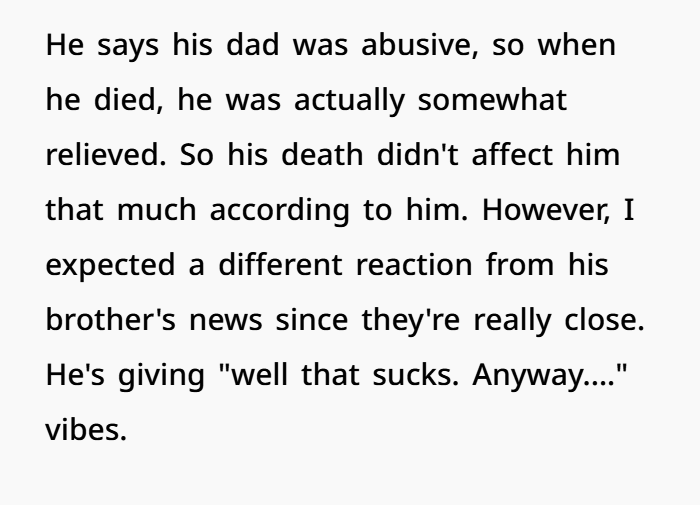
According to the wife, he had a difficult relationship with his father. That history might affect how he deals with family concerns.
People don’t always respond to serious news in the same way.
Some want to make plans right away.
Others prefer not to think about things that haven’t happened.
The problem begins when those different approaches stop a couple from having an honest conversation.
The Real Problem May Be Poor Communication
The wife and husband may want the same thing, even though they’re arguing about how to get there.
She wants safety and peace of mind.
He may want to enjoy life without worrying about every possible problem.
Neither goal is unusual.
But they seem to be talking past each other.
When the wife asks about insurance, she may really be trying to say:
- I want us to be ready if something happens.
- I don’t want our family to struggle with money.
- I need to know we can depend on each other.
- I want us to make these choices together.
Her husband may hear those concerns differently.
He might feel that she’s focusing too much on something that may never happen.
He may also find the subject upsetting and prefer to avoid it.
As a result, the conversation becomes an argument about insurance instead of a discussion about what each person needs.
This can happen in many marriages.
Couples may argue about money, chores, or family plans when the deeper issue is feeling unheard.
Why Mentioning Divorce Made Things Worse
The disagreement became much more serious when the wife brought up divorce.
She wasn’t saying she wanted to stop loving her husband or leave the relationship.
Instead, she was thinking about legally ending their marriage while continuing to live together.
Her hope was that this might protect her business, savings, and other assets from future medical costs.
But divorce is a major legal and personal decision.
It doesn’t always protect someone from medical debts, and the results depend on local laws.
Even when divorce is suggested for financial reasons, it can still hurt a relationship.
Her husband may have seen the idea as a threat to their marriage rather than a way to protect their finances.
That’s why the way difficult subjects are discussed matters.
A serious concern can become harder to solve when the conversation turns into an ultimatum.
There May Be Better Ways to Protect Their Future
The wife later learned that divorce might not be the only option worth exploring.
That opened the door to a different kind of discussion.
Instead of focusing on ending their legal marriage, they could look at ways to protect their finances together.
Some options may include:
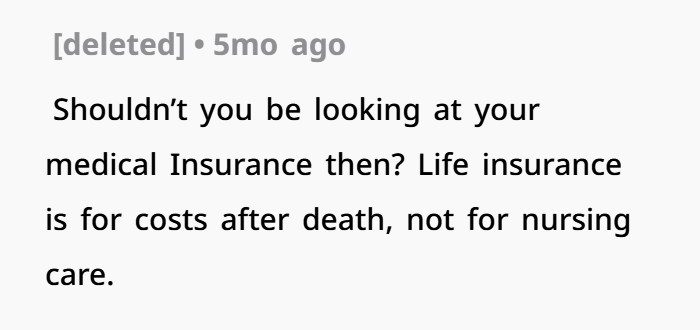
- Life insurance: Helps provide money to named beneficiaries after the insured person dies.
- Disability insurance: May replace part of someone’s income if an illness or injury prevents them from working.
- Estate planning: Helps people decide how their assets and affairs should be handled.
- Emergency savings: Provides money for unexpected expenses or a loss of income.
- Legal and financial advice: Helps couples understand how to protect their assets under local laws.
Each option has its own costs, limits, and rules.
A family history of cancer may also affect insurance prices or eligibility, so getting advice early can help.
The couple doesn’t need to make every decision at once.
They can start by reviewing their current coverage and talking about what they can afford.
A financial planner or qualified lawyer may also help them understand their choices.
Planning Ahead Doesn’t Mean Expecting the Worst
One reason couples avoid these talks is that planning for illness can feel frightening.
Buying life insurance may bring thoughts of death.
Discussing disability coverage can make someone imagine losing their health or career.
Estate planning may remind people that life is uncertain.
But making plans doesn’t mean expecting something bad to happen.
People save money without expecting to lose their jobs.
They buy home insurance without expecting a fire.
They make emergency plans because unexpected things sometimes happen.
The same idea applies to health and financial planning.
Being prepared can make a difficult situation easier to manage.
It doesn’t mean someone has to spend every day worrying about the future.
Both Partners Need to Feel Heard
The wife has real reasons to be concerned.
She has seen what serious illness can do to a family’s finances. She also has a business and savings she wants to protect.
Her husband may have reasons for not wanting to discuss the risks.
But avoiding the subject won’t help them understand each other.
A better approach would be to talk about their fears without making accusations.
The wife could explain why her past experiences make financial security so important.
Her husband could share what makes him uncomfortable about insurance or long-term planning.
They could then decide which steps make sense for their situation.
The goal doesn’t have to be agreeing on every detail right away.
It can simply be finding a way to make decisions as a team.
Final Thoughts
This story isn’t just about a wife asking her husband to buy life insurance.
It’s about two people facing uncertainty in different ways.
The wife feels safer when she has a plan.
Her husband seems more comfortable focusing on the present.
Both may be trying to protect their peace of mind, but their different approaches have caused conflict.
The answer doesn’t have to be choosing between constant worry and ignoring every risk.
They can prepare for possible problems while still enjoying their lives together.
Insurance, savings, and legal planning can help protect their finances.
But those tools work best when both partners understand why they matter.
At the heart of this disagreement is a need for trust, honest communication, and shared responsibility.
Because protecting a marriage isn’t only about preparing for what might go wrong.
It’s also about learning how to face difficult questions together.
Add a clear story-opening hookReduce repetition about financial planning
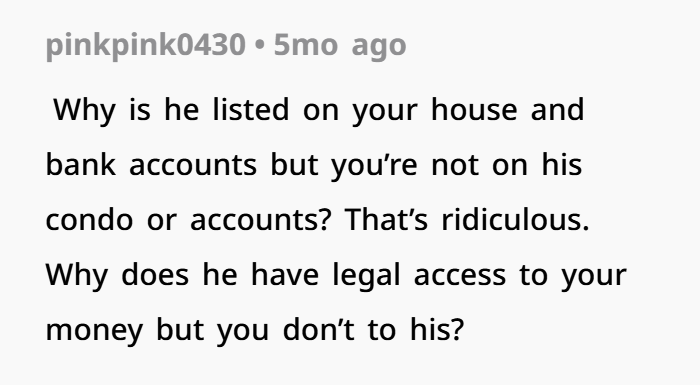
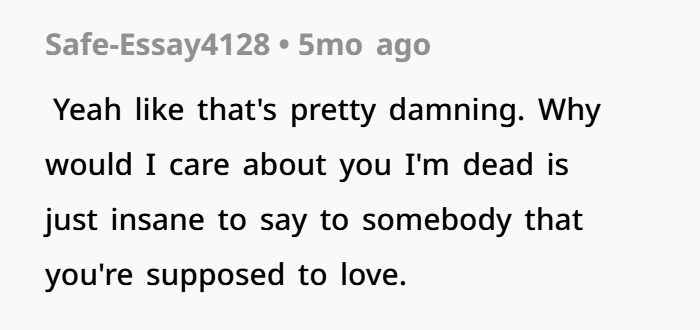
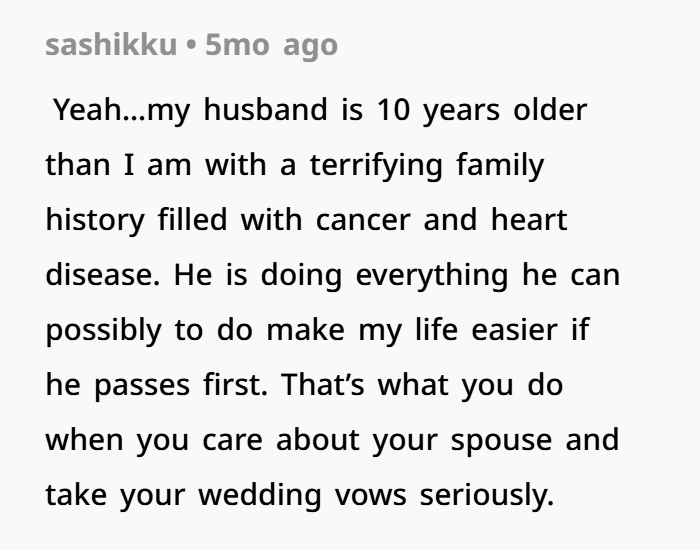
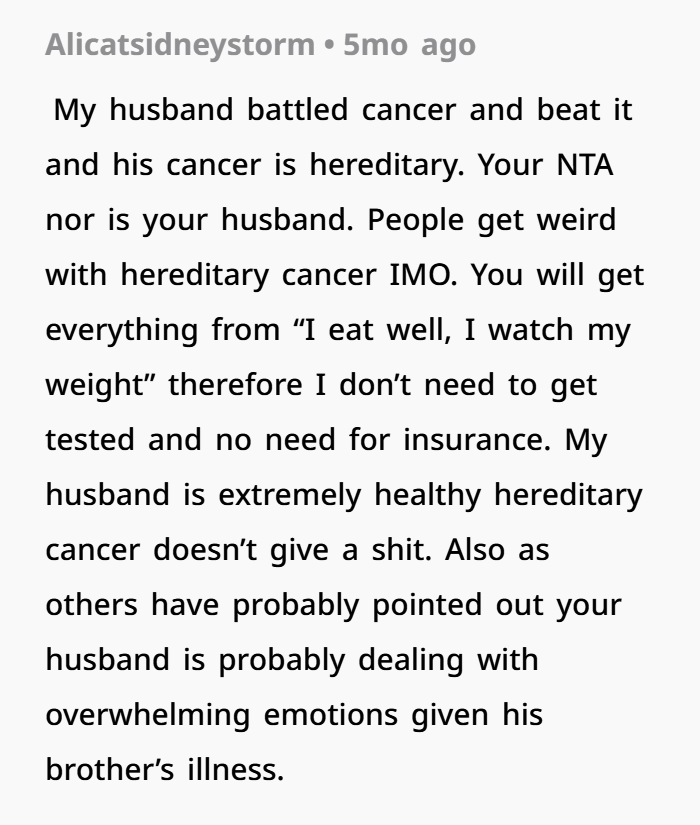
Top Comments From Readers