I Refused to Walk My Daughter’s Friend Home, and Now Everyone Is Angry at Me
This story is about a disagreement between two parents over child safety, trust, and parenting expectations.
A mother shared that her 11-year-old daughter, Rowan, had her first sleepover with her close friend Amanda, who was also nearly 11. Since Amanda lived only a few houses away, the sleepover seemed safe and easy to manage. The girls spent the evening watching a movie, eating pizza and popcorn, and enjoying face masks.
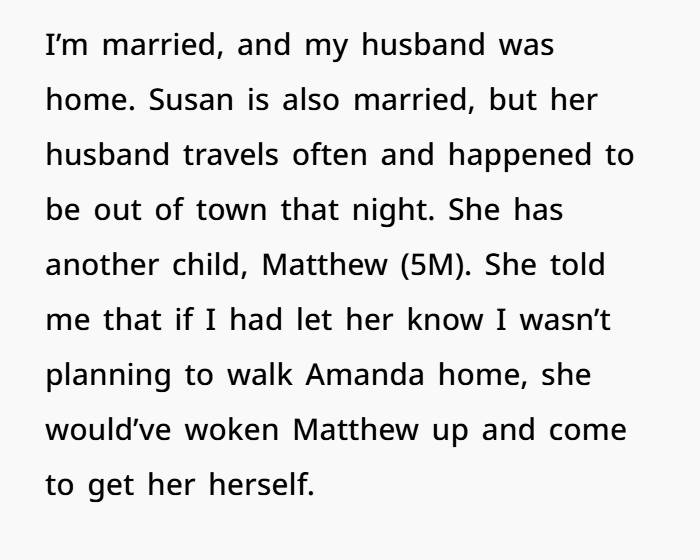
Later that night, Amanda started feeling homesick and wanted to return home. The mother contacted Amanda’s mom, Susan, to ask if she was okay with them walking her home. Susan agreed and said it was fine.
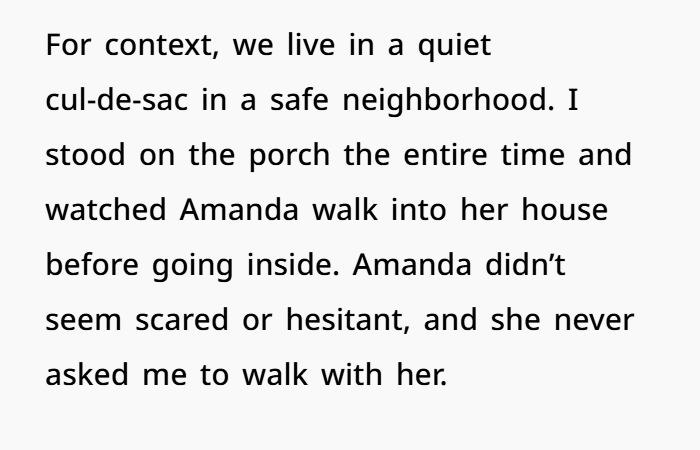
The mother walked Amanda to her house, watched her reach the porch safely, saw her enter, and then returned home.
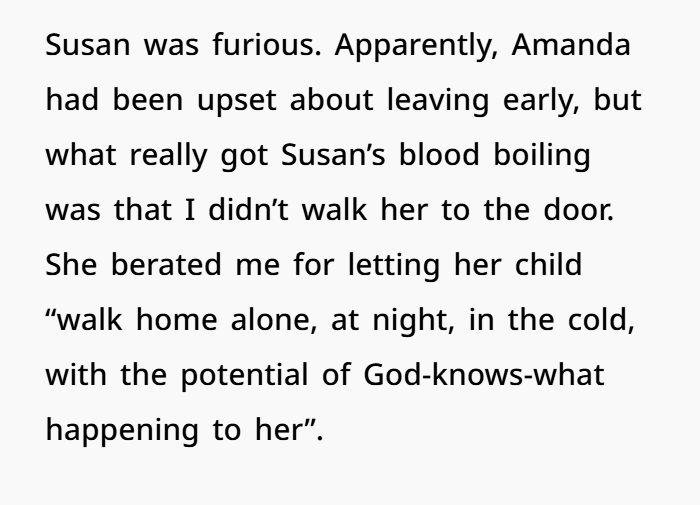
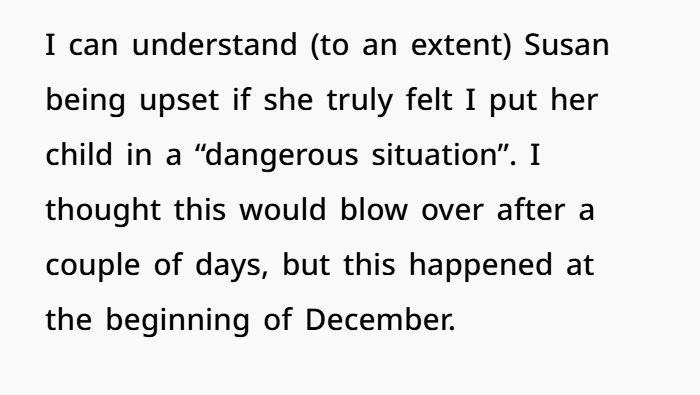
The next day, Susan became upset. She believed the mother should have walked Amanda all the way inside instead of leaving her at the entrance. She felt that being outside at night created a safety concern and that more supervision was needed.
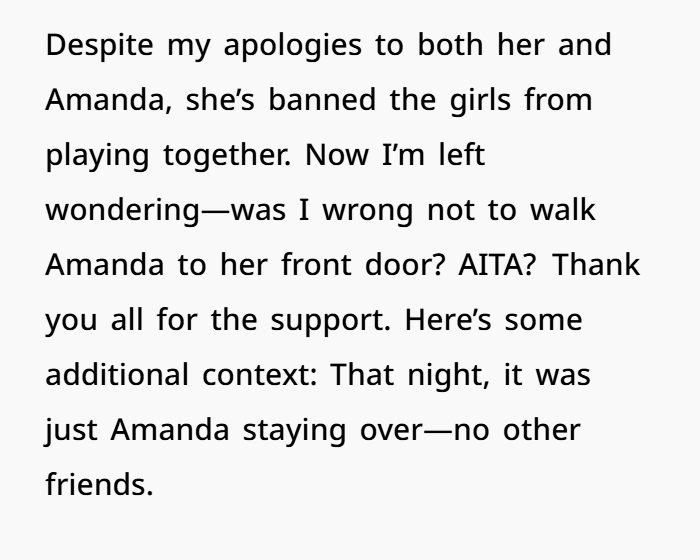
Because of the disagreement, Susan decided the girls should no longer spend time together. This left the other mother wondering if she had made the wrong choice.
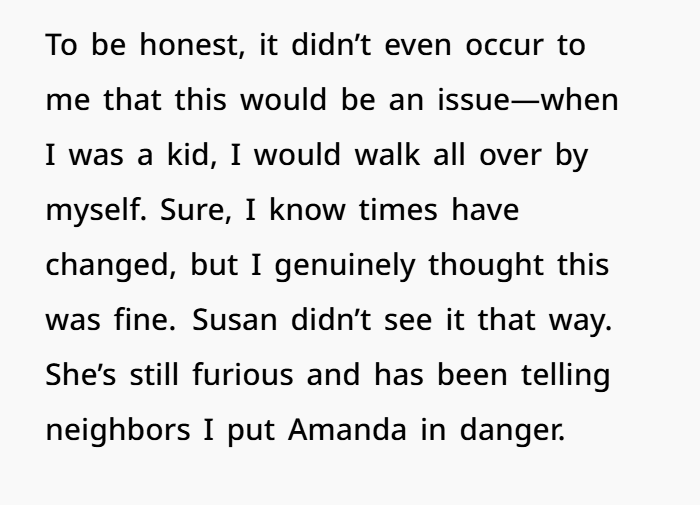
She believed she had acted responsibly by making sure Amanda got home safely in their quiet neighborhood. However, the situation turned into a bigger discussion about parenting styles, safety rules, and how much independence children should have.
The story raises an important question: when children are involved, should parents always choose extra caution, or should they allow age-appropriate independence?
The mother explained that she was hosting a sleepover for her 11-year-old daughter, Rowan, and her friend Amanda, who lived nearby
This situation focuses on child supervision, sleepover safety, and different parenting expectations. Looking at both sides helps explain why a simple disagreement became a bigger conflict.
1. Age, independence, and the situation
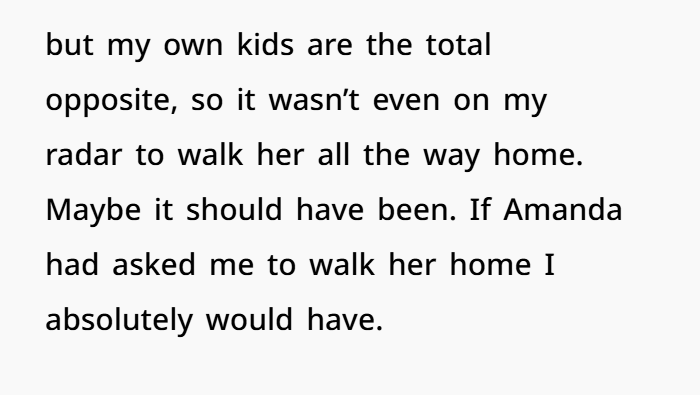
At 11 years old, many children start becoming more independent. Some are ready for small responsibilities when they understand safety rules, show maturity, and live in a safe area.
In this case, Amanda lived very close by in a quiet neighborhood. The walk was short, and you stayed with her until she reached her home safely.
Based on these details, the decision appears careful and reasonable. You made sure she was safe while also allowing her some independence.
2. Responsibility during a sleepover
When a child stays at someone else’s home, the host parent takes responsibility while the child is in their care. Part of that responsibility is making sure the child gets home safely if they leave.
Here, you contacted Amanda’s mother, received permission, and walked her home. These steps show that you were trying to handle the situation responsibly.
The disagreement was about how much supervision was needed. Some parents may feel that walking a child to the entrance is enough, while others may expect them to be taken all the way inside.
There is no single rule that works for every family. Safety decisions often depend on the child’s age, the area, and each parent’s comfort level.
Advertisement – Continue Reading Below
3. The importance of clear communication
A major issue in this situation was that both parents had different expectations.
Amanda’s mother may have wanted her daughter walked all the way inside, but that expectation was not clearly discussed beforehand. Because of this, both parents handled the situation based on their own ideas of what was safe.
Talking about safety rules before a sleepover can prevent misunderstandings. Parents may have different comfort levels, and discussing those differences early can help everyone feel respected.
4. Safety concerns and emotions
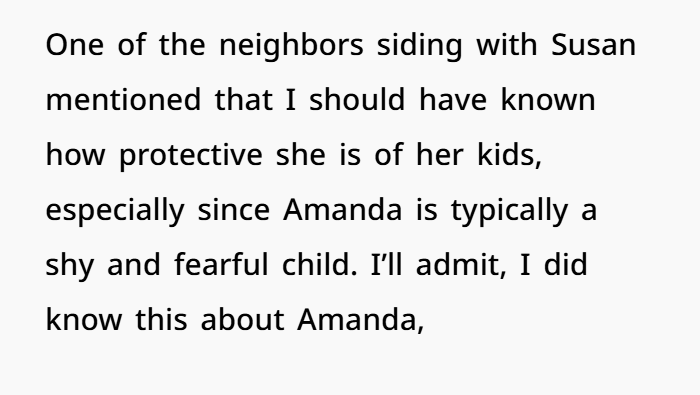
Amanda’s mother may have felt worried about her daughter being outside at night, even for a short walk.
Many parents think about possible risks, even in familiar places. Their concerns usually come from wanting to protect their children.
In this situation, you saw the neighborhood as safe and manageable, while Amanda’s mother focused on possible dangers. Both viewpoints came from care, but they reflected different parenting styles.
5. Was the child actually at risk?
Based on the details shared, the walk was short, the area was familiar, and Amanda was not left without supervision.
There is no clear indication that she was placed in danger. You took steps to make sure she reached home safely while giving her a reasonable amount of independence for her age.
6. How disagreements can affect relationships
Even when a situation is safe, another parent may still feel uncomfortable.
For many parents, emotions matter as much as facts. A parent may feel that more should have been done, even if another person believes enough care was provided.
Different parenting styles can create conflict when expectations are not discussed clearly.
7. What could have been handled differently?
A few small steps may have prevented the disagreement:
- Ask if the parent wants the child walked all the way inside
- Confirm when the child arrives safely
- Consider extra support if the child feels nervous
- Discuss safety expectations before sleepovers
Clear communication can help parents avoid misunderstandings and build trust.
8. AITA conclusion
Based on the details shared, you did not appear careless. You asked for permission, stayed with Amanda, and made sure she got home safely.
The main issue was not a lack of concern. It was a difference in parenting expectations.
From this perspective, your actions seem reasonable, so you are not wrong (NTA).
However, understanding another parent’s concerns can help prevent future conflicts. Clear conversations about safety rules before sleepovers can make everyone more comfortable.
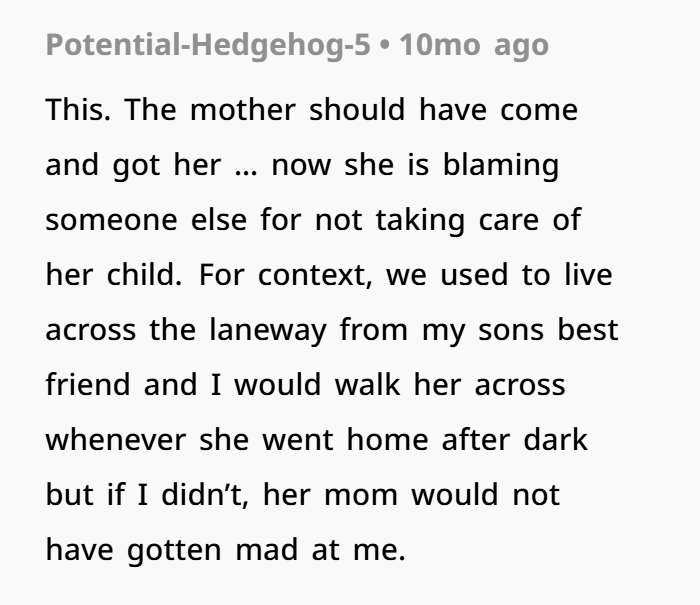
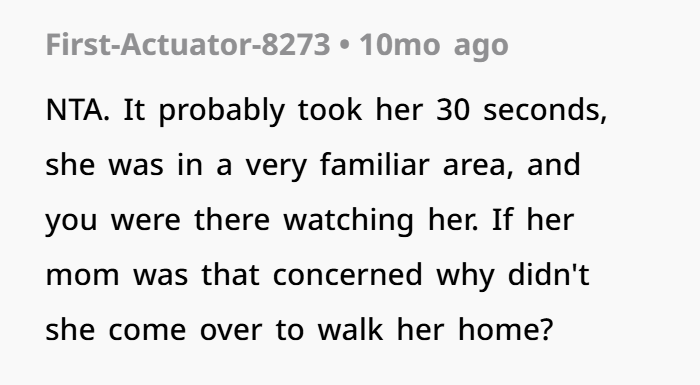
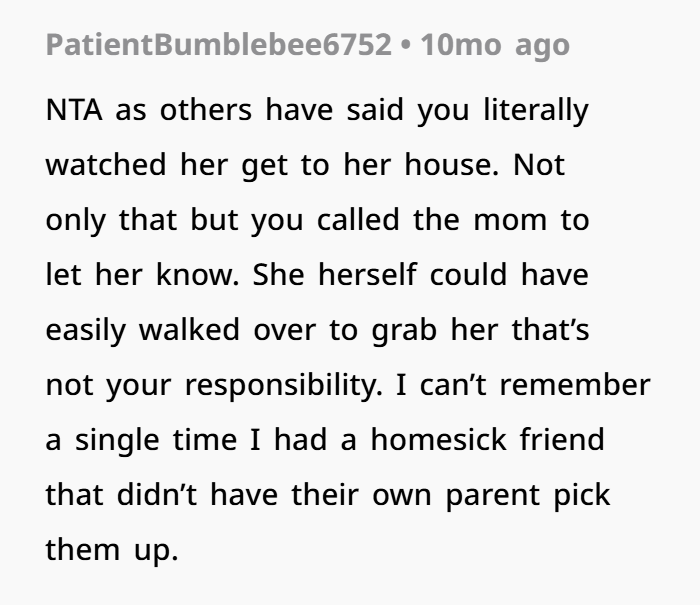
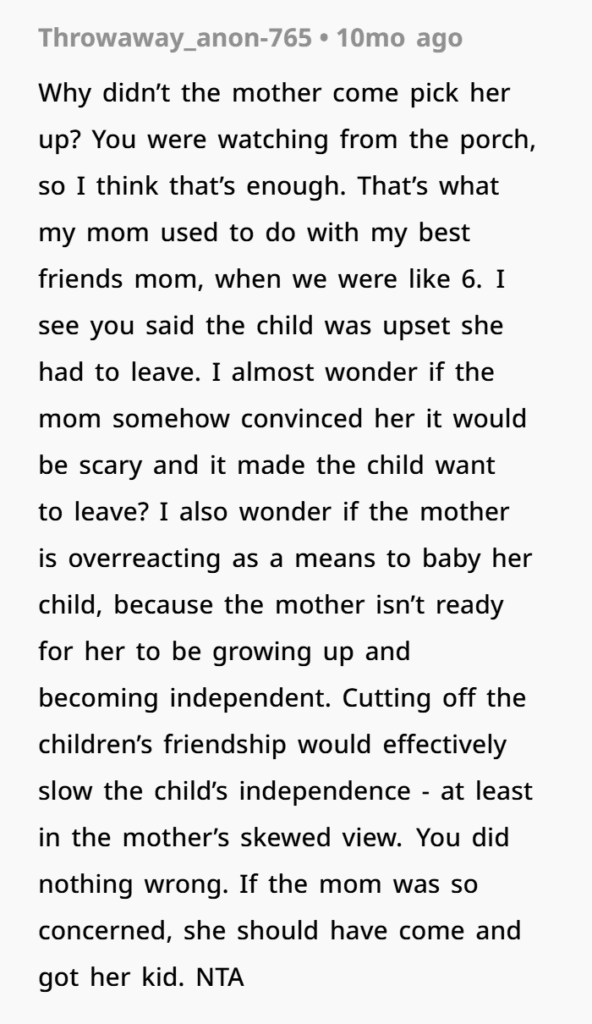
Readers mostly supported the poster, with many saying Susan could have picked up her daughter herself if she wanted extra supervision

9. Moving Forward
To prevent similar issues in the future:
- Discuss pickup and drop-off plans before sleepovers
- Agree on how children should be walked home
- Send a message once the child arrives safely
- Give extra attention to younger or nervous children
- Keep communication open with other parents
Clear communication helps build trust and prevents conflicts about child safety, parenting choices, and sleepover expectations.
Overall, you acted responsibly by getting permission and making sure the child reached home safely. The main lesson is that parents should discuss their expectations clearly before situations like this happen.tions ahead of time can make future situations easier for everyone involved.