I Discovered My Husband Was Cheating on Me With My Own Mother, and Now I Have No Idea What to Do
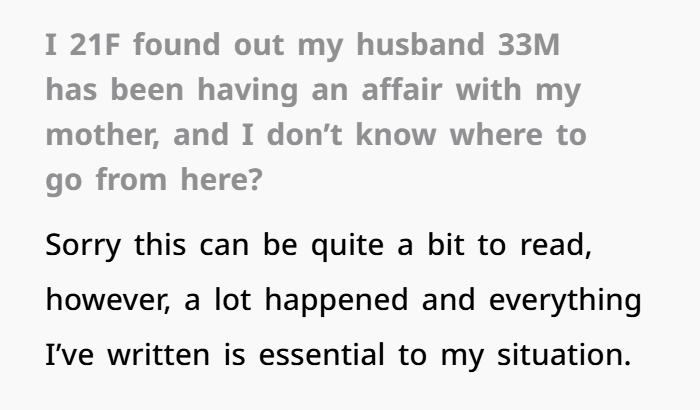
A 21-year-old woman was left heartbroken after finding out her 33-year-old husband had been cheating on her with her own mother.
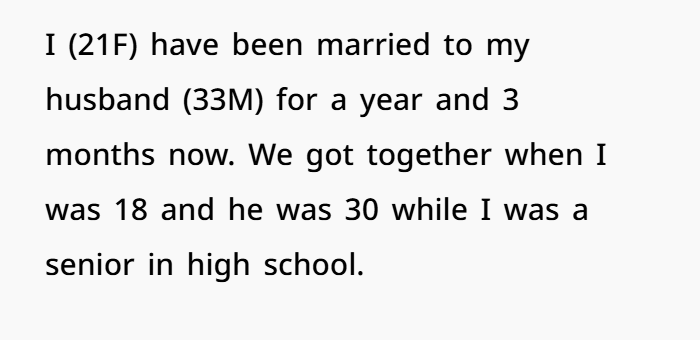
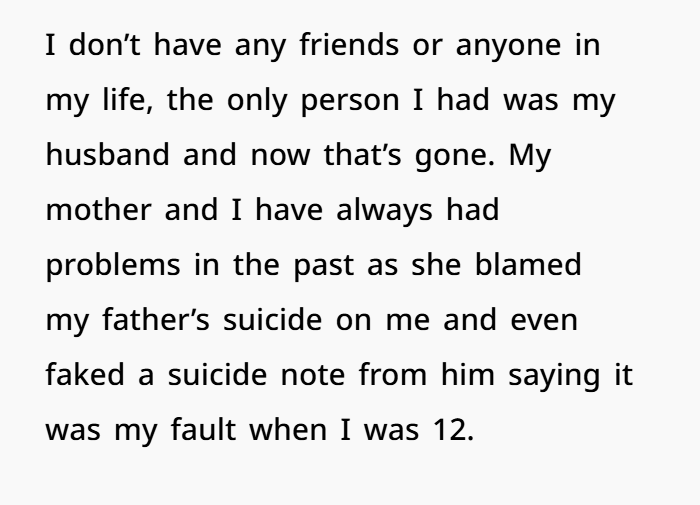
She met her husband when she was just 18, while he was 30. At first, she thought they had a happy and stable relationship. She trusted him and believed they were building a future together. But looking back, their age gap raised questions about the balance of power in their marriage.
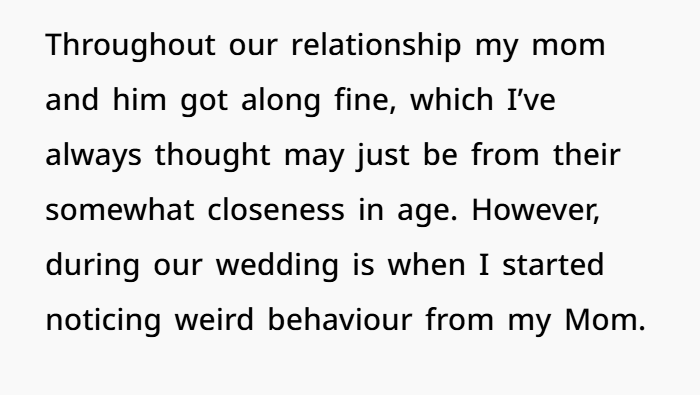
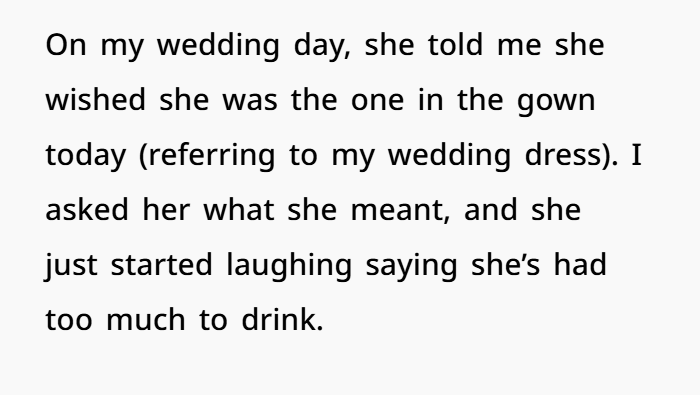
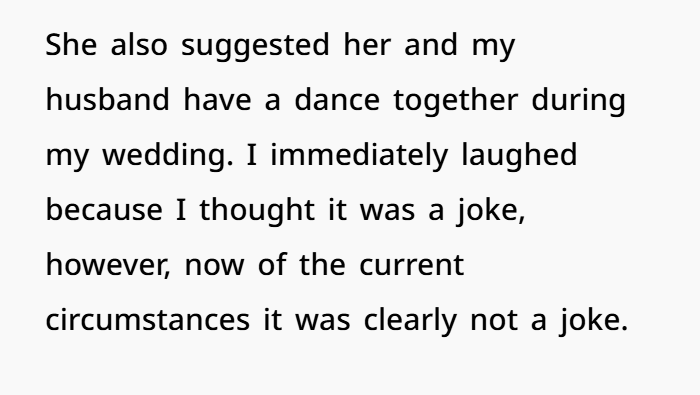
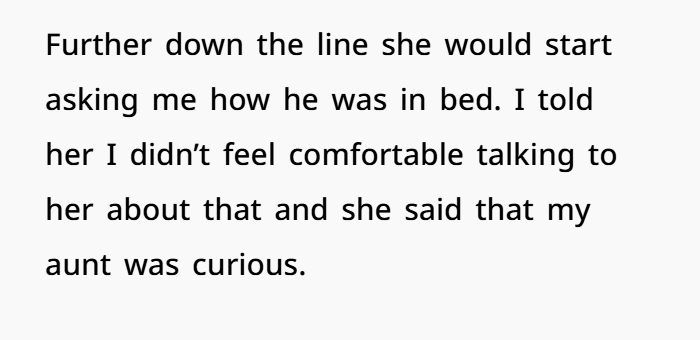
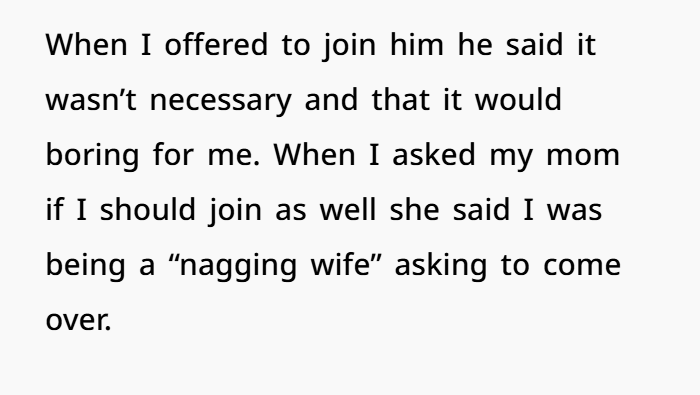
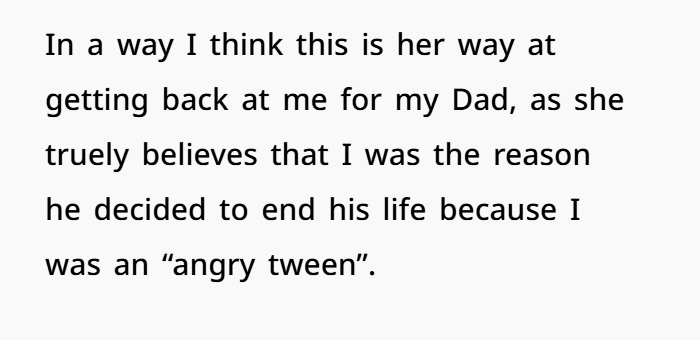
Things began to feel strange when her mother started acting differently around her husband. She made comments that left her daughter uneasy and asked questions that felt too personal. She also found reasons to invite him over more often.
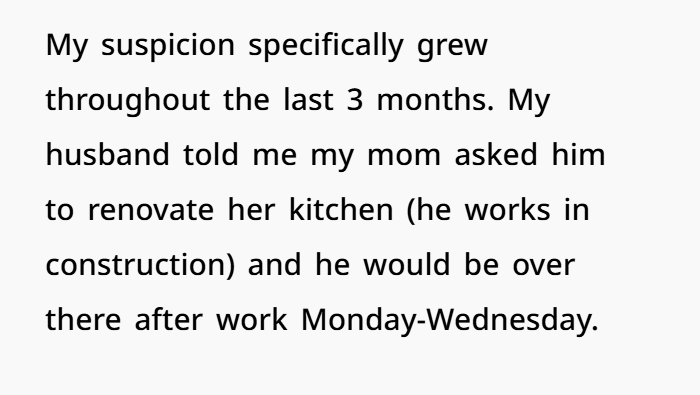
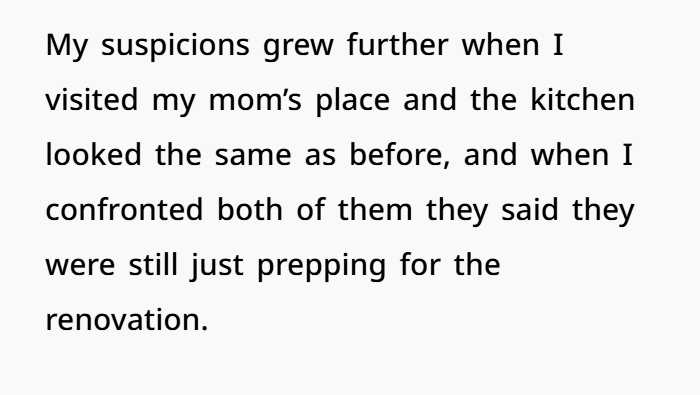
Her husband claimed he was helping her mother with home repairs and renovation work. At first, the young woman had no reason to doubt him. But as time passed, his stories stopped adding up.
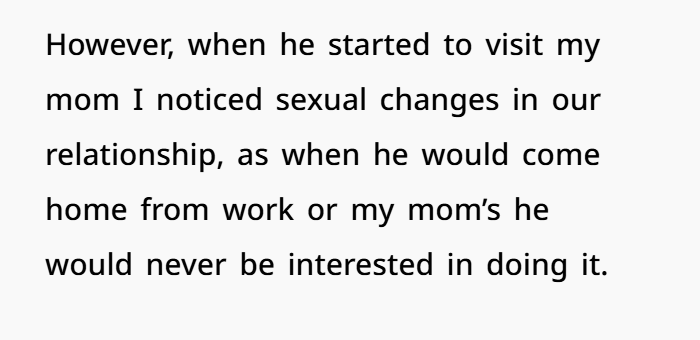
She also noticed that her husband was becoming distant. His behavior changed, and she felt something was wrong. The more she thought about it, the harder it became to ignore her concerns.
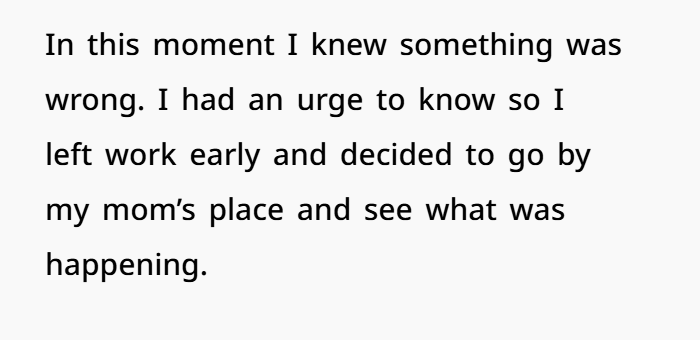
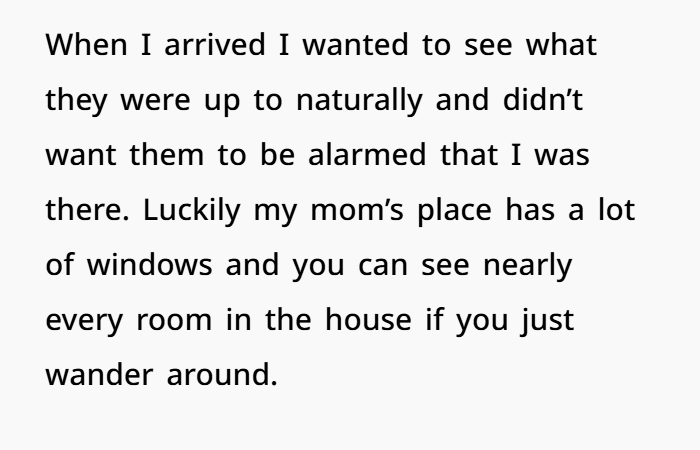
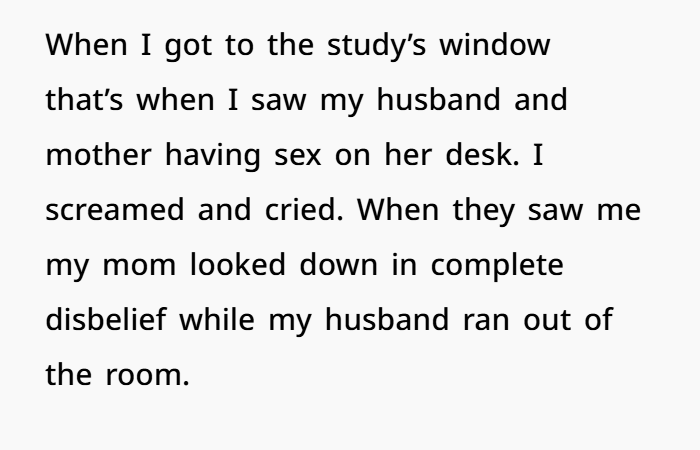
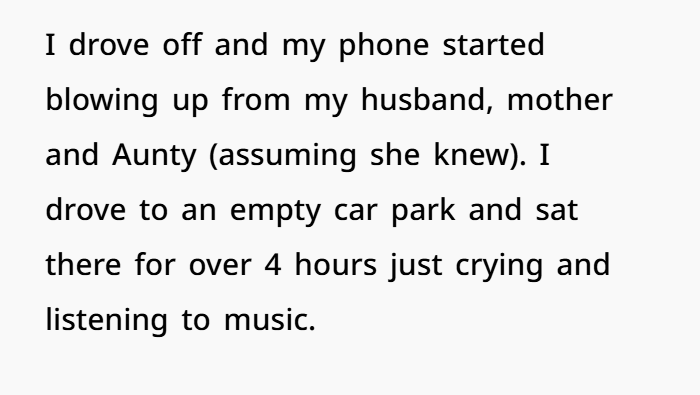
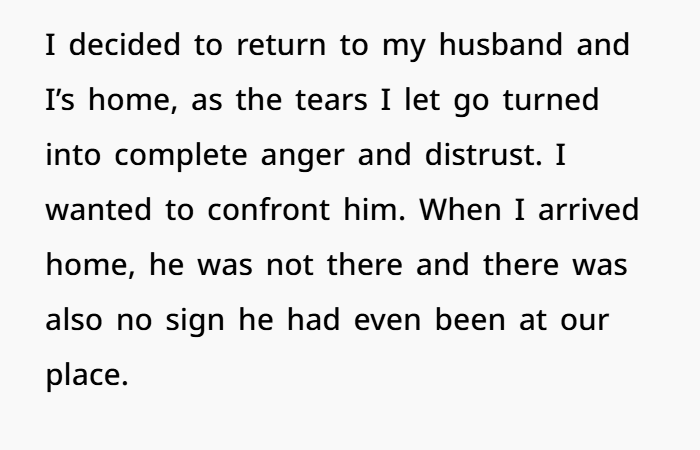
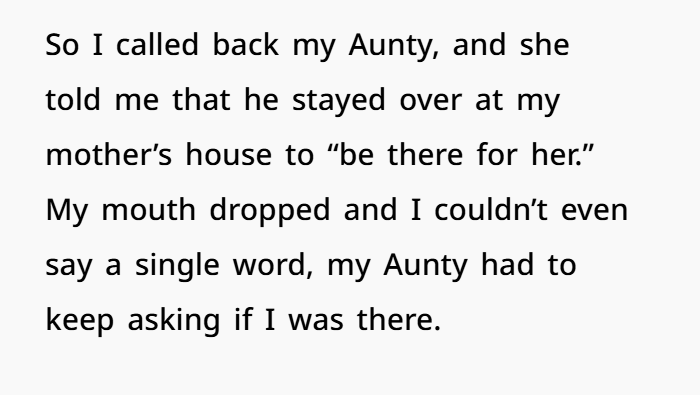
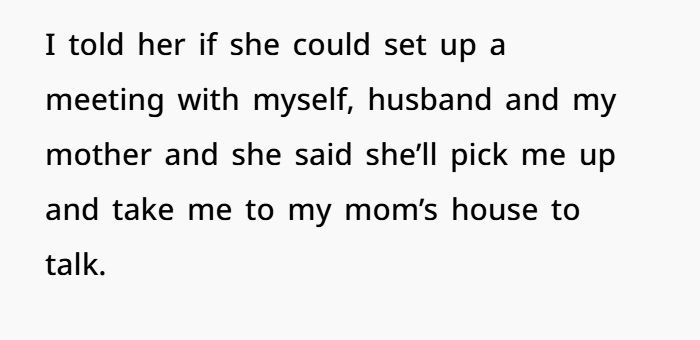
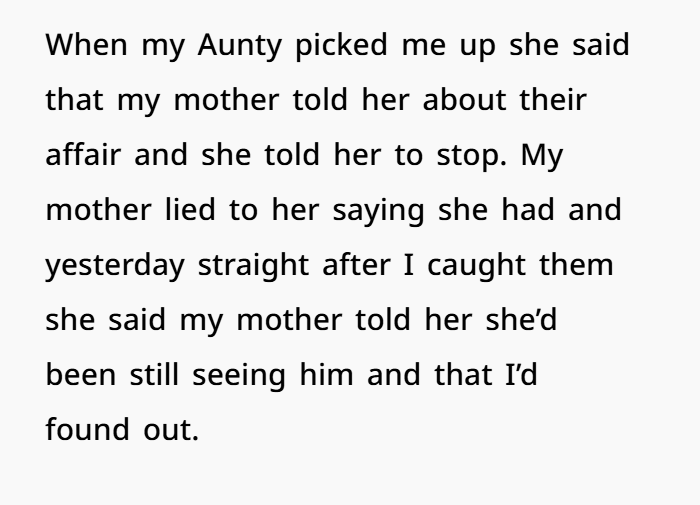
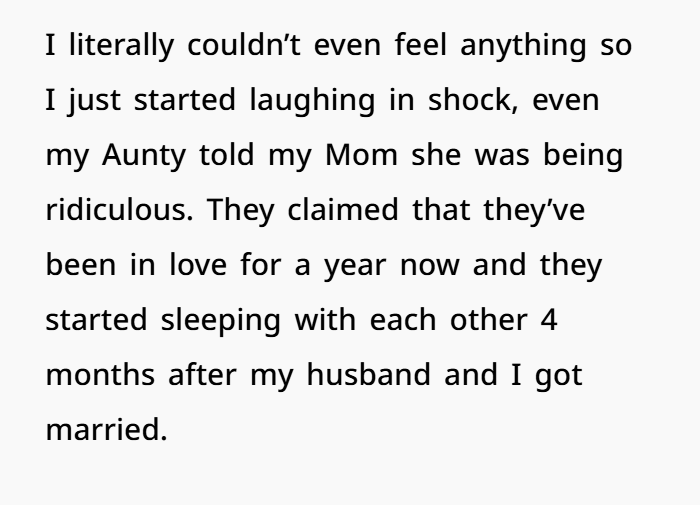
Her worst fears came true when she discovered the affair. Her husband and mother had been secretly involved for months. Even worse, their relationship had continued after her wedding.
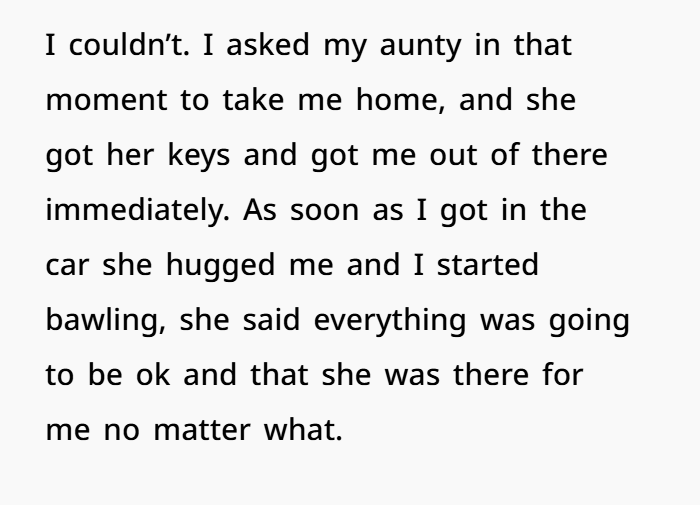
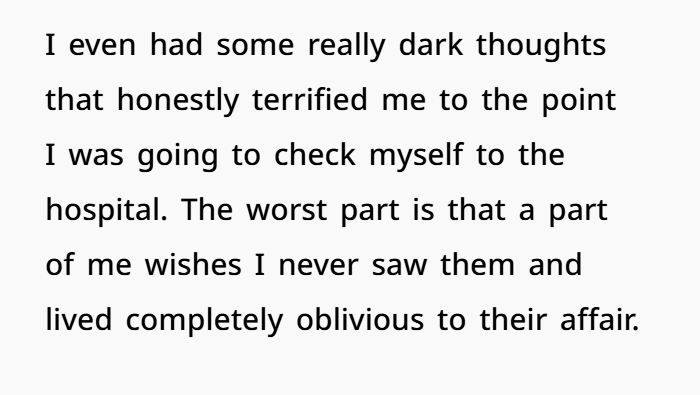
The truth crushed her. Two of the people she loved and trusted most had betrayed her. She was left dealing with anger, sadness, and the pain of losing both relationships at once.
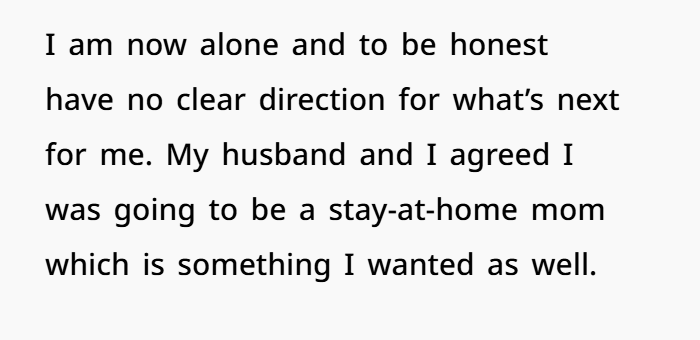
Leaving her husband also came with serious worries about money. She had planned to stay home and depend on his income. Now, she faced the thought of starting over without the financial support she had counted on.
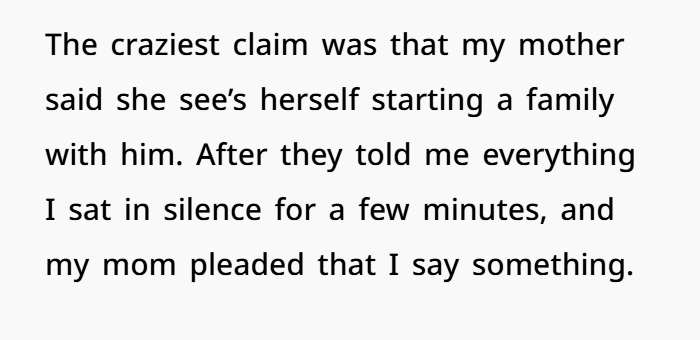
At just 21, she found herself facing a painful choice about her marriage and her family. She didn’t know whom to trust or how to move forward.
Her experience shows how deeply betrayal can hurt, especially when it comes from those closest to us. It also raises concerns about trust, family boundaries, financial dependence, and the need for people who can offer support during difficult times.











Finding out that your husband has been cheating with your own mother is a painful betrayal. It can destroy trust, cause deep emotional pain, and tear a family apart. The effects can reach far beyond the marriage, leaving someone unsure of whom to trust or what to do next.
1. How Betrayal Can Affect Mental Health
Mental health experts often use the term betrayal trauma to describe the pain caused by someone deeply trusted. When both a spouse and a parent are involved, that pain can feel even worse.
A person going through this may experience:
- Shock or difficulty accepting what happened
- Anxiety, stress, and trouble sleeping
- Unwanted memories and constant thoughts about the affair
- Deep sadness, anger, or feelings of hopelessness
These feelings can affect daily life and make it hard to trust others again. Healing may take time, especially when the betrayal involves close family members.
2. The Age Gap and Unequal Power in the Marriage
The woman was only 18 when she began dating her husband, who was 30 at the time. Their 12-year age gap raises concerns about how much power each person had in the relationship.
An age gap does not always mean a relationship is unhealthy. Still, differences in age, money, and life experience can sometimes affect how couples make decisions.
Advertisement – Continue Reading Below
In some relationships, this can lead to:
- Relying too much on an older partner for emotional support
- Having less control over major decisions
- Struggling to build financial or personal freedom
When secrecy and cheating enter the picture, these issues can become even harder to deal with.
3. Broken Family Trust and Personal Boundaries
An affair between a husband and his wife’s mother crosses serious family boundaries. It damages not only the marriage but also the bond between a mother and daughter.
In this case, the mother’s behavior had already raised concerns. She made personal comments, asked uncomfortable questions, and encouraged her son-in-law to visit more often.
Her actions may have crossed boundaries long before the affair came to light.
When family members ignore these limits, the harm can last for years. The person who was betrayed may struggle with anger, grief, and a sense of losing their family.
4. Divorce, Money, and Legal Rights
Discovering an affair can also raise difficult legal and money concerns.
In some places, adultery may be grounds for divorce. However, divorce laws vary depending on where someone lives. Cheating does not always affect how property or financial support is handled.
Some issues that may need attention include:
- Filing for divorce or legal separation
- Whether spousal support is available
- Dividing shared money, savings, and property
- Protecting personal assets and financial records
The woman’s money concerns make the situation even harder. She had planned to stay home and rely on her husband’s income.
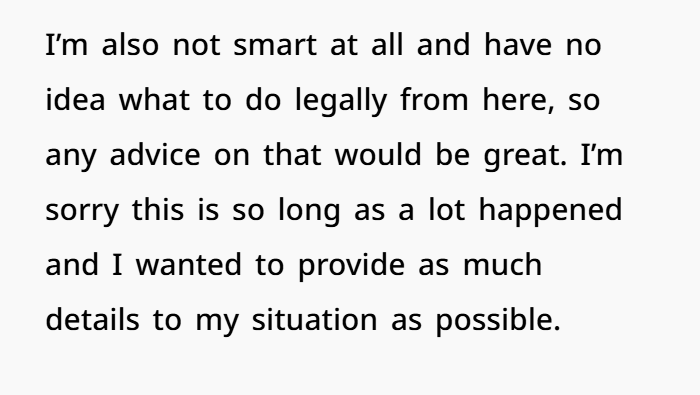
Speaking with a family lawyer could help her understand her rights before making major choices.
5. Getting Emotional Support After Betrayal
Recovering from this kind of betrayal is rarely easy. Someone may feel angry one day and deeply sad the next. They may also blame themselves or question past events.
Talking with a trained therapist can help them work through these feelings.
Support may come from:
- Individual therapy to cope with emotional pain
- Counseling to manage stress and anxiety
- Trusted friends or relatives who offer a safe space
- Support groups for people dealing with cheating or family betrayal
The goal is not to force someone to forgive or move on quickly. It is to help them feel safe, regain trust in themselves, and make choices without pressure.
6. Steps That May Help Someone Move Forward
After such a painful discovery, making big decisions can feel overwhelming. Taking small, practical steps may help restore a sense of control.
Some useful steps include:
- Set clear boundaries: Limit contact with those involved if it helps protect emotional well-being.
- Get legal advice: Learn about marriage, divorce, and financial rights before making major choices.
- Keep important records: Save relevant messages, financial papers, and other documents that may be useful.
- Work toward financial freedom: Review income options, savings, and ways to become less dependent on a spouse.
- Find trusted support: Speak with friends, relatives, or a counselor who can offer help without judgment.
There is no single right way to respond to betrayal. Some people need time before deciding what comes next.
What matters most is having the support, space, and facts needed to make those decisions.
Final Thoughts
Being betrayed by a spouse is painful enough. Finding out that a parent was involved can make the hurt even deeper.
For this young woman, the affair affected her marriage, her family ties, and her plans for the future.
Her story is a reminder of why trust, respect, and healthy boundaries matter in close relationships. It also shows how important it is to have emotional support and some control over your own finances.
Healing does not mean forgetting what happened. It means finding a way to rebuild your life without letting the betrayal define your future.
See the comments to know what people said





This story shows how deeply betrayal can hurt when it comes from two people someone trusts most: a husband and a mother.
It also shows why several things matter during such a painful time:
- Emotional well-being: Taking care of mental health and setting boundaries to avoid more pain.
- Legal and financial rights: Knowing what options are available for divorce, financial support, and personal protection.
- Rebuilding independence: Finding trusted people for support and working toward a more secure future.
Recovering from this kind of betrayal takes time. Emotional support, practical help, and financial stability can make the process easier.
Moving forward doesn’t mean forgetting the pain. It means learning to trust yourself again and building a life where you feel safe, valued, and in control.