The 22-Year Age Gap That Changed a Family’s Future
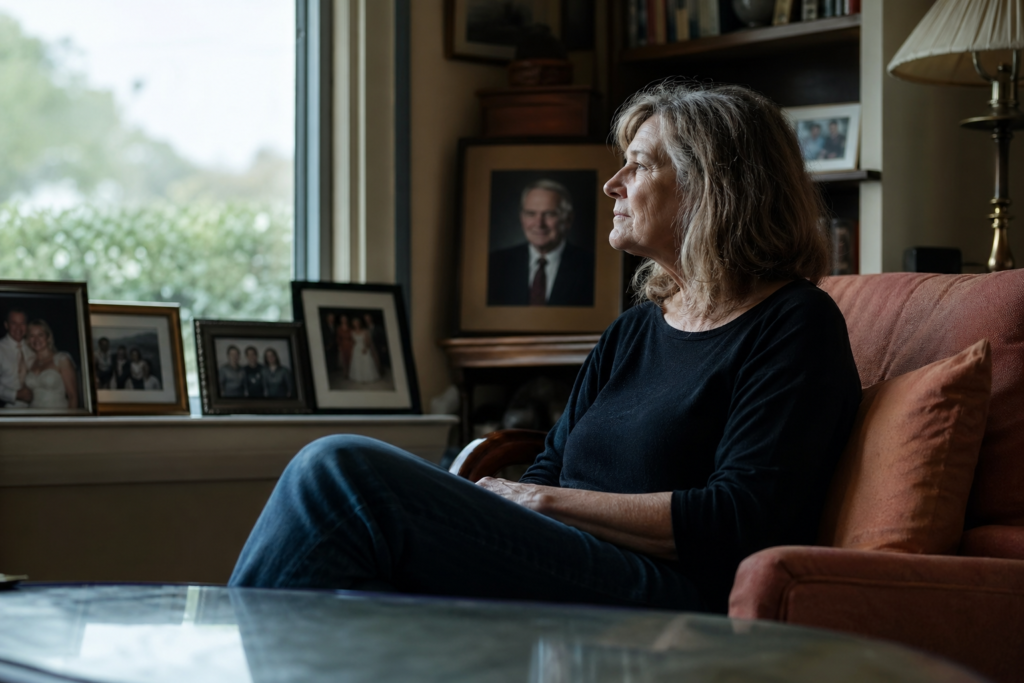
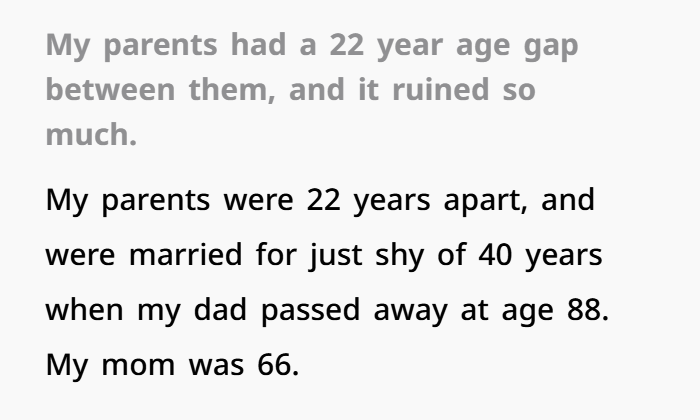
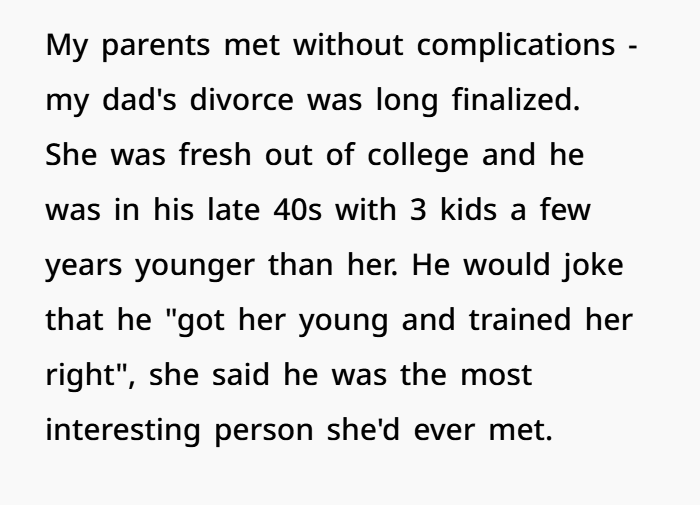
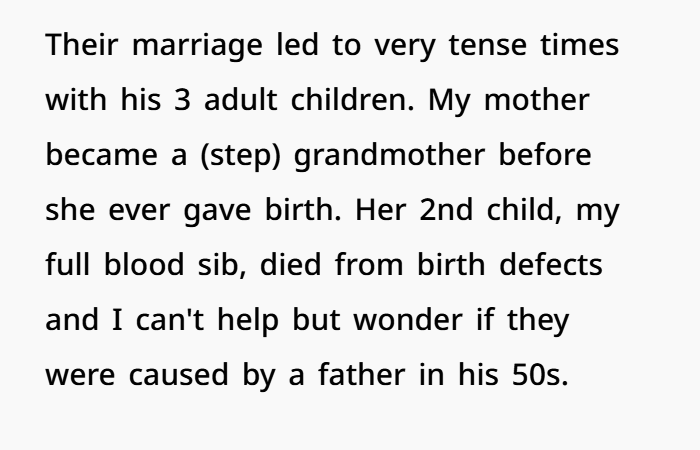
At first, their marriage seemed like a happy love story. A young woman had just finished college when she met a man in his late 40s. Despite their 22-year age gap, they fell in love and got married. They stayed together for nearly 40 years, building a family and a life that looked happy from the outside.
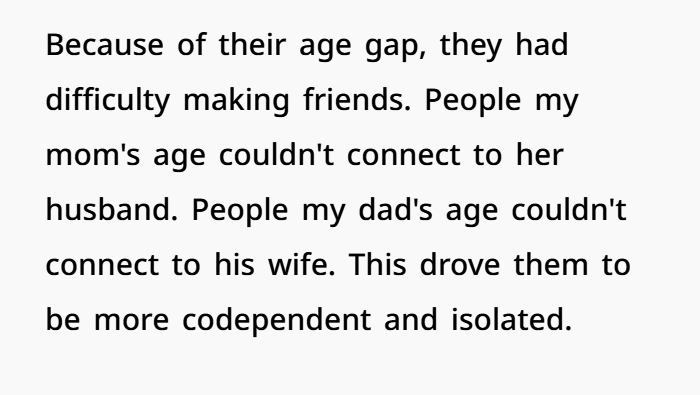
But as the years passed, problems began to appear. Their 22-year age gap meant they had grown up in very different times. They often had different interests, views, and hopes for the future. These differences slowly affected how they talked, spent time together, and raised their children.
Although their marriage lasted for decades, they began to grow apart. Small problems turned into bigger ones, and they struggled to understand each other.
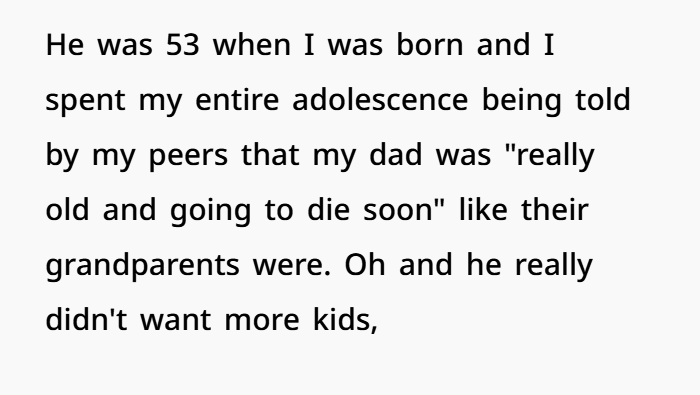
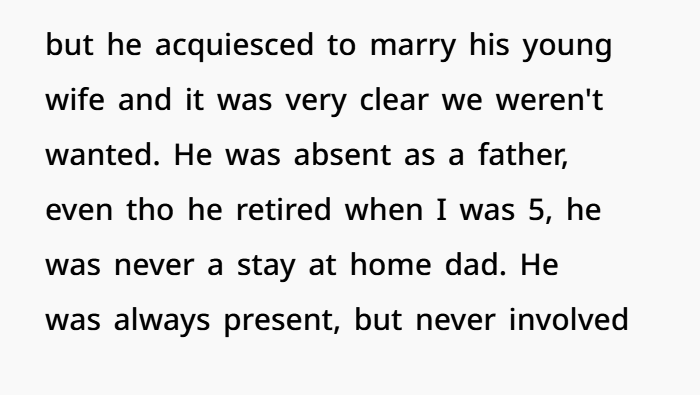
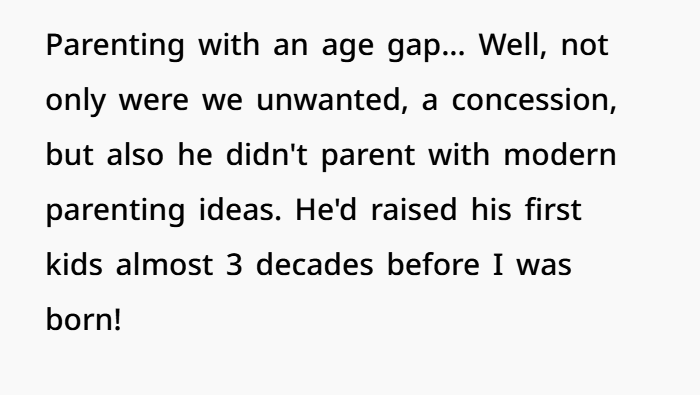
Their children also felt the effects, especially those born later in the marriage. Having a father much older than their friends’ dads sometimes made them feel out of place. Their family life was different from what they saw around them.
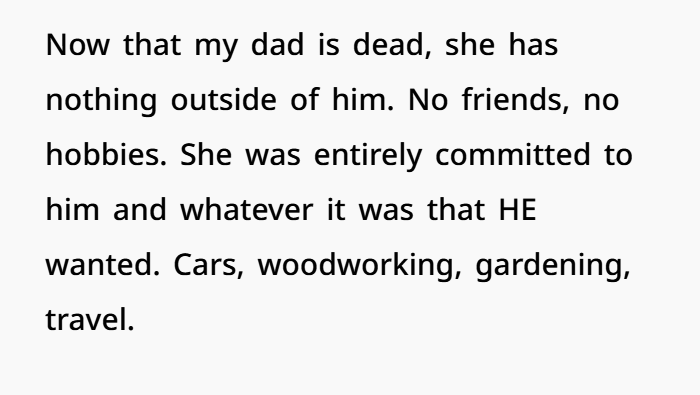
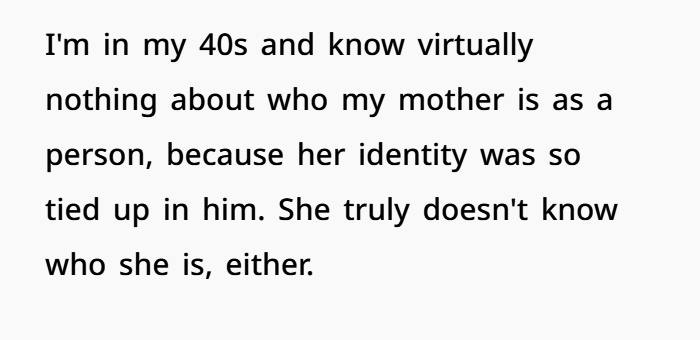
The children also faced emotional struggles at home. As family members grew apart, their relationships became strained. One of the hardest things for them was watching their mother slowly lose her confidence and sense of freedom.
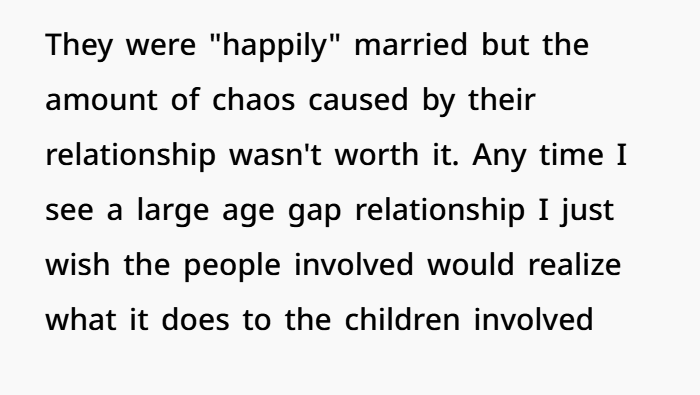
To outsiders, the couple seemed to have a strong marriage because they had stayed together for so long. But behind closed doors, their family faced problems that others could not see.
Their story shows that a long marriage is not always a happy one. Age differences alone do not decide whether a relationship will work. But when couples struggle to understand and support each other, the effects can reach far beyond their marriage.
For their children, those struggles became part of growing up. The choices their parents made shaped their family life and left memories that stayed with them long after childhood.
Relationships with large age gaps are not always unhealthy. Many couples with big age differences enjoy happy, lasting marriages. What matters most is how they treat, understand, and support each other.
Still, an age gap of 15 or 20 years can bring challenges. Partners may have different goals, habits, and views on family life. These differences can affect how they raise children, manage money, and plan for the future.
A large age gap does not mean a marriage will fail. But both partners need patience, honest talks, and shared goals to make it work.
Different Life Stages Can Cause Problems
People at different stages of life often want different things. A younger partner may still be finding their path, trying new hobbies, or building a career. An older partner may already have settled into a routine.
Sometimes, the younger partner begins to follow the older partner’s way of life. They may spend less time on their own interests or lose touch with friends. Over the years, this can make them feel less free to make their own choices.
A healthy marriage should give both people room to grow. Couples can share a life while still keeping their own hobbies, friendships, and personal goals.
Parenting Styles May Be Different
Parents from different age groups may have different ideas about raising children. They might disagree on rules, school choices, discipline, or how much freedom children should have.
Children with much older parents may also notice that their home life differs from their friends’ families. They might have different routines, family activities, or experiences growing up.
Advertisement – Continue Reading Below
This does not mean older parents are less caring or capable. What matters is that children feel loved, heard, and supported.
When parents listen to their children and take part in their lives, they can build strong family bonds.
Health and Planning for the Future
Age differences can become more noticeable as couples grow older. One partner may be thinking about retirement while the other is still working or raising young children.
Health needs may also change at different times. This can affect family plans, daily duties, and the care each partner may need later in life.
Talking about these issues early can help couples prepare. They should discuss savings, retirement, health care, and how they will support each other as they age.
Making plans together can ease stress and help the whole family feel more secure.
Challenges in Blended Families
Blended families can bring love, support, and new relationships. But bringing people from different family backgrounds together is not always easy.
Children and stepfamily members may need time to build trust. Some may feel left out, while others may struggle to adjust to new family roles.
When people avoid talking about their feelings, small problems can grow into bigger ones.
Open talks, patience, and respect can help family members understand each other. Family counseling may also help when problems become hard to manage alone.
Money and Inheritance Planning
Money can be another concern for couples with large age differences. One partner may be close to retirement while the other still has many working years ahead.
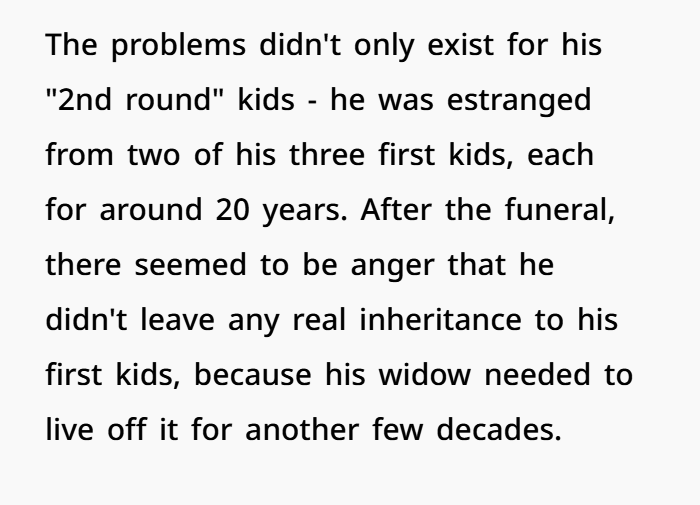
This can affect savings, housing, future care costs, and plans for children. In some families, questions about inheritance may also cause tension.
Couples should talk openly about their money and long-term needs. Having clear plans for savings, insurance, and inheritance can help avoid future disputes.
Both partners should understand these plans and have a say in major money decisions.
Why Friendships and Social Support Matter
Marriage is important, but it should not be the only source of support in someone’s life.
Both partners need friends, family ties, and interests outside their relationship. These connections can offer comfort during stressful times and help people feel less alone.
In some age-gap marriages, partners may have different social circles. One may enjoy activities that the other finds less appealing.
That is normal. Couples do not need to share every hobby or friendship to have a strong bond.
Giving each other space to enjoy personal interests can help both partners feel happy and independent.
How Children See Family Life
Children often see family life differently from their parents. Adults may focus on love, marriage, and staying together. Children are more likely to notice how safe, loved, and included they feel at home.
They see how their parents speak to each other, deal with arguments, and handle difficult times.
A child may not care much about the number of years between their parents. But they can feel the effects when parents grow distant or struggle to get along.
Children need steady care, love, and attention. They also need to know they can share their feelings without being judged.
Strong family bonds come from trust and daily support, not from the ages of the parents.
The Bigger Picture
Every marriage is different. A large age gap may create challenges, but it does not decide whether a couple will be happy.
What matters is how partners handle their differences. Respect, trust, honest talks, and shared plans can help couples build a strong relationship.
Parents should also think about how their choices affect their children. A marriage can last for decades while family members still struggle with pain or distance.
Staying together for many years does not always mean a family is happy. A healthy family is one where people feel loved, respected, and free to be themselves.
When couples care for each other’s needs and listen to their children, they have a better chance of building a happy and supportive home.
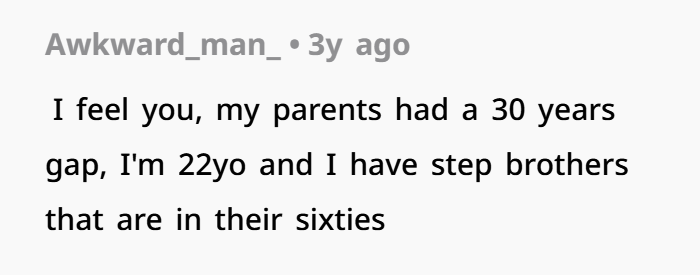
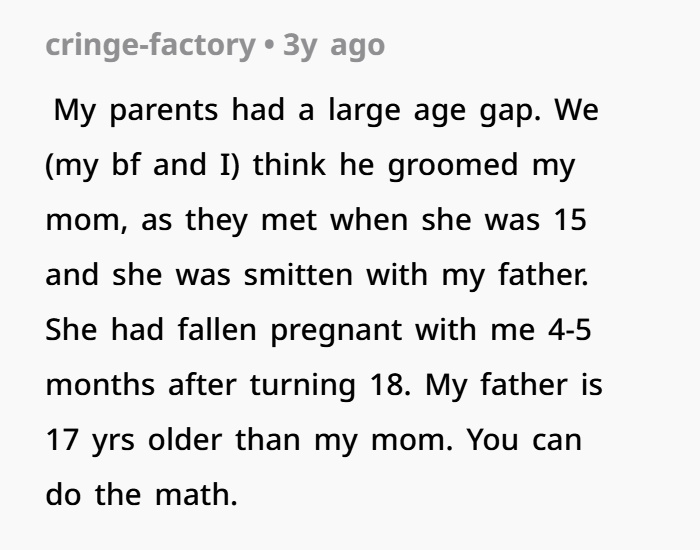
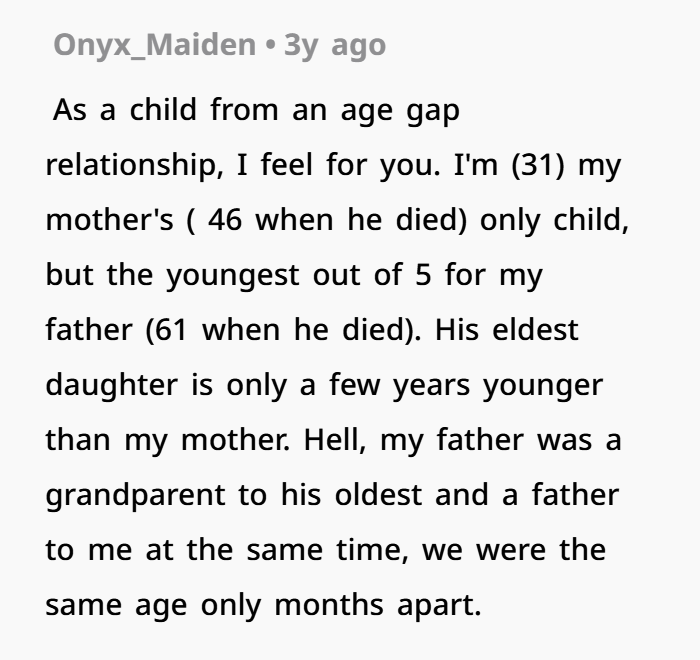
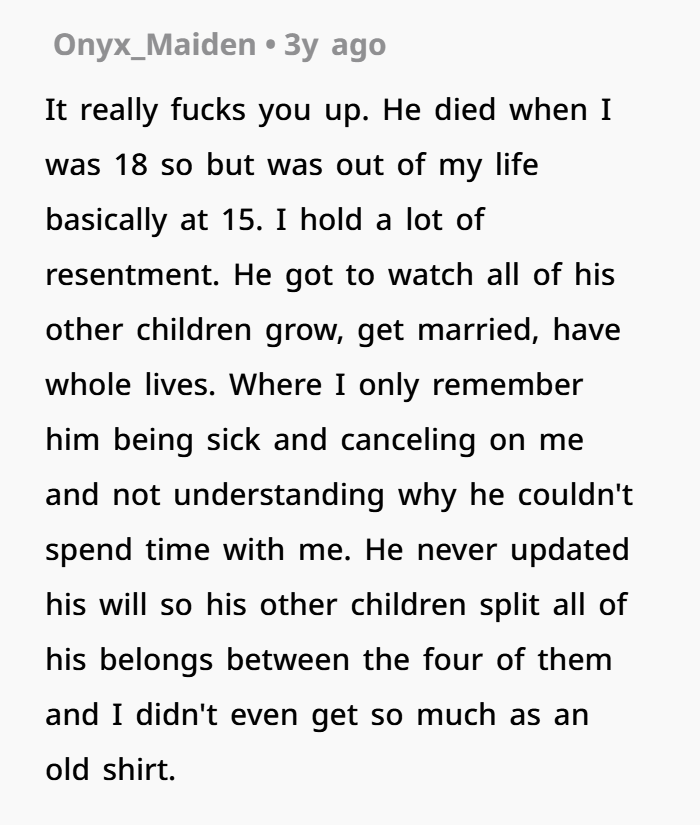
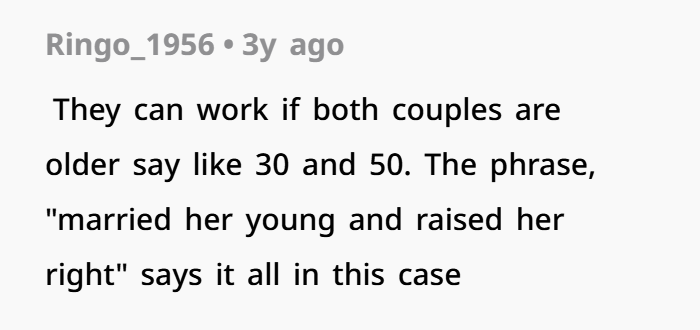
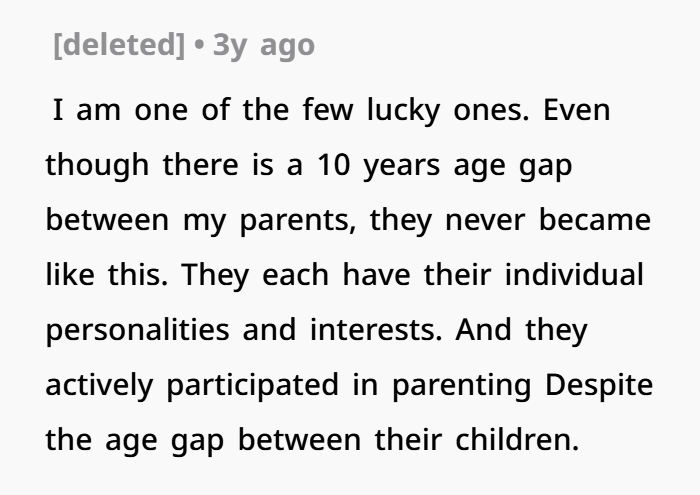
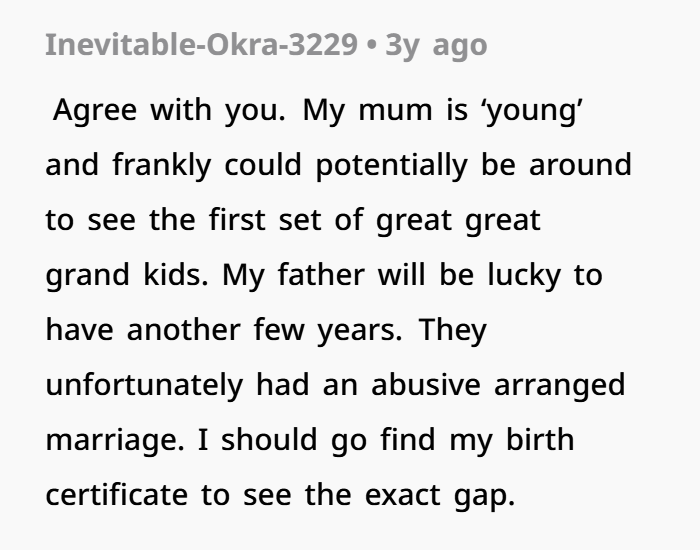
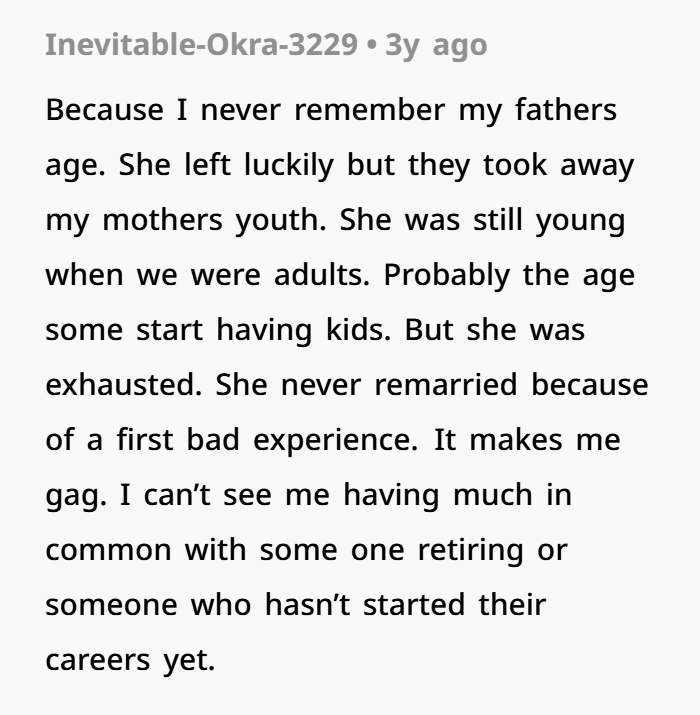
Many people in the comments shared sympathy for both the author and her mother. Some also opened up about similar experiences in their own families.

This does not mean every relationship with a large age gap will face the same problems. Many couples with big age differences build happy, healthy, and lasting marriages.
But when children are part of the family, there may be more things to think about.
Love and getting along are important, but they are not enough on their own. Couples also need to think about their future, how they will raise their children, and how they will handle life’s changes.
Some important questions include:
- Who will take care of the children as they grow?
- What kind of parents will they be?
- How will their lives change in 20, 30, or 40 years?
- Will both partners still have their own goals, interests, and freedom?
A healthy marriage should allow both people to grow as individuals. Neither partner should feel they must give up who they are to keep the relationship together.
When one person loses their sense of self and the other becomes too dependent on the marriage, the problems can affect the whole family.
Over time, their lives may become so tied together that making choices alone feels difficult.
And sometimes, the children carry the deepest emotional scars from problems they had no part in creating.