She Posted Videos About Me on TikTok — Did I Go Too Far by Reporting Her?
The original poster (OP) shared a painful experience involving a coworker named Karla at a healthcare workplace.
After returning to work from knee surgery, OP had some physical limits that many coworkers did not know about.
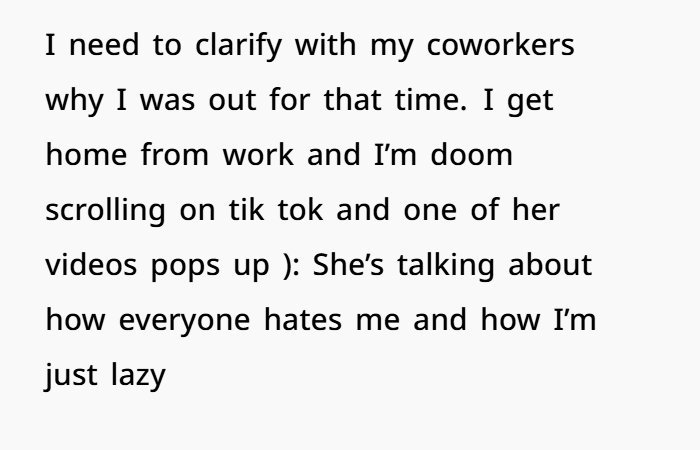
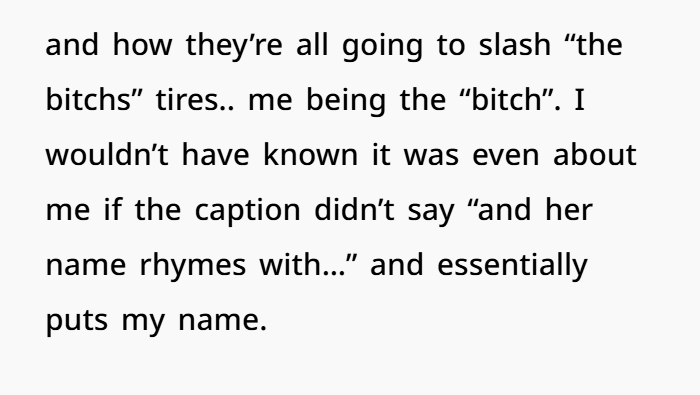
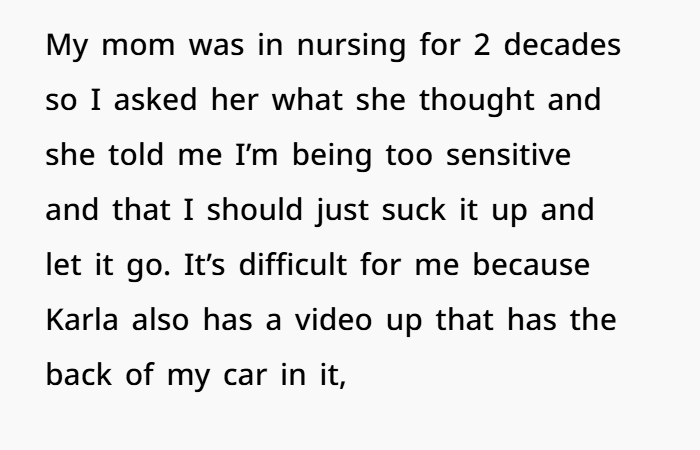
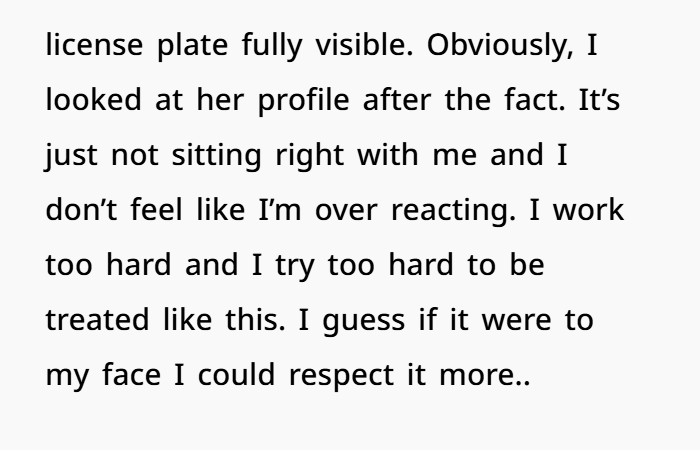
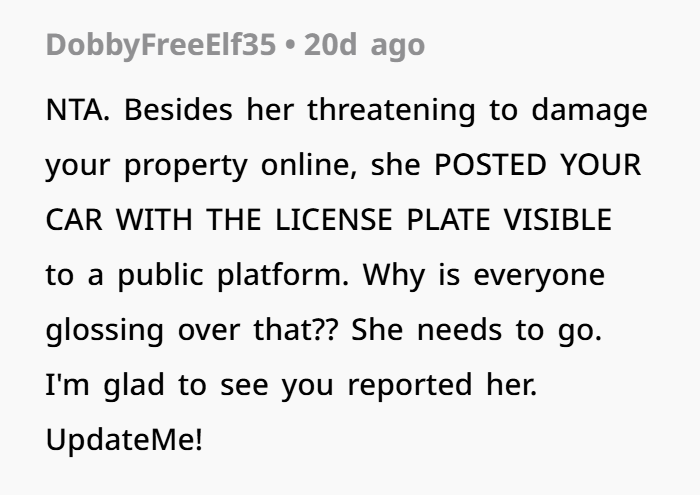
Later, OP found a TikTok video made by Karla that seemed to make fun of her and share private details. The video showed the back of OP’s car, with the license plate visible. It also included a comment about damaging the vehicle. Although OP’s name was not used, the details in the post made it clear to others who the video was about.
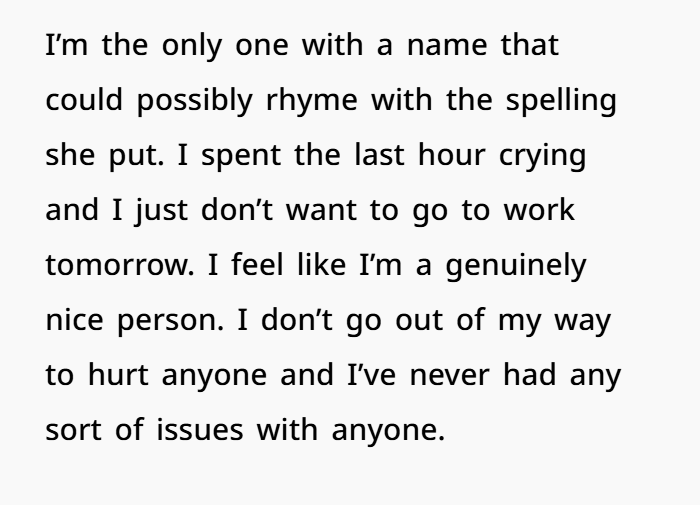
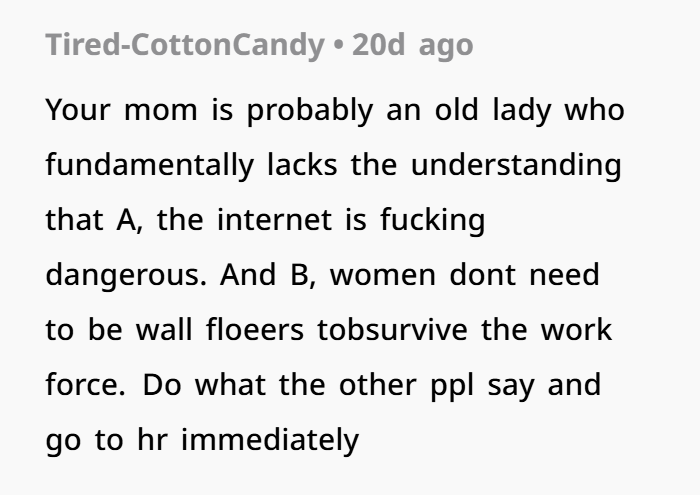
OP felt hurt, embarrassed, and unsafe. She describes herself as a quiet person who focuses on her work and avoids drama. After speaking with her mother, who is also a nurse, she was advised to ignore the situation.
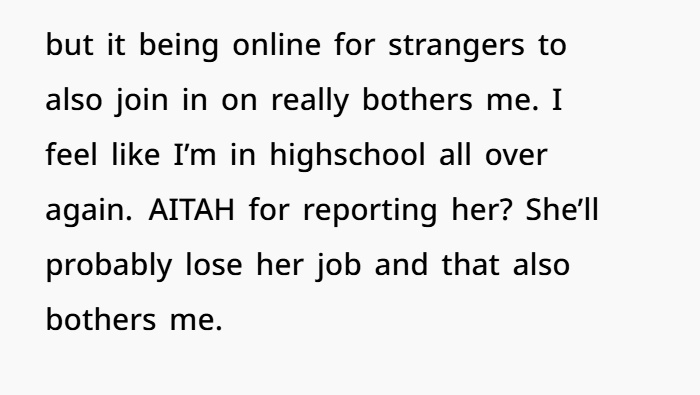
However, OP remained worried about the possible privacy issue, online harassment, and what might happen next. Even though she believes the situation is serious, she feels guilty for reporting Karla because she fears it could affect her coworker’s job.
Now, OP is trying to decide how to protect herself while also thinking about the impact her actions may have on someone else.
One woman recently shared how she had to report a coworker who was posting hurtful and targeted videos about her on TikTok
Looking at the situation carefully, this was more than just a joke on TikTok.
The problem was not only the rude video. It involved personal targeting, possible harassment, and a privacy concern. Even though the post happened outside work, it affected OP’s feelings, safety, and workplace experience.
This is more than simple workplace drama. When someone uses social media to target a coworker, share personal details, or make threatening comments, it can create a serious issue. In healthcare, where trust and professionalism are important, this type of behavior can damage working relationships.
1. Workplace Issues Can Continue Online
Many people think workplace harassment only happens during work hours. However, problems can also happen online when employees use social media against coworkers.
A harmful post about a coworker can create stress, fear, and discomfort at work. Online actions can still affect the workplace, even if they happen away from the job.
The Equal Employment Opportunity Commission (EEOC) explains that harassment can involve unwanted behavior that creates a hostile or offensive work environment. Each case depends on the details, but posts that target someone, share private information, or include threats can become serious concerns.
Sharing details like someone’s vehicle information or posting content meant to embarrass or scare them is not a harmless joke.
Being worried about this situation does not mean someone is overreacting. It means they are taking their safety and comfort seriously.
2. Healthcare Workplaces and Social Media
This situation does not appear to involve a direct HIPAA violation because no patient information was shared.
However, healthcare jobs often require a high level of trust and professionalism. Workers depend on each other, and respectful behavior is important.
Advertisement – Continue Reading Below
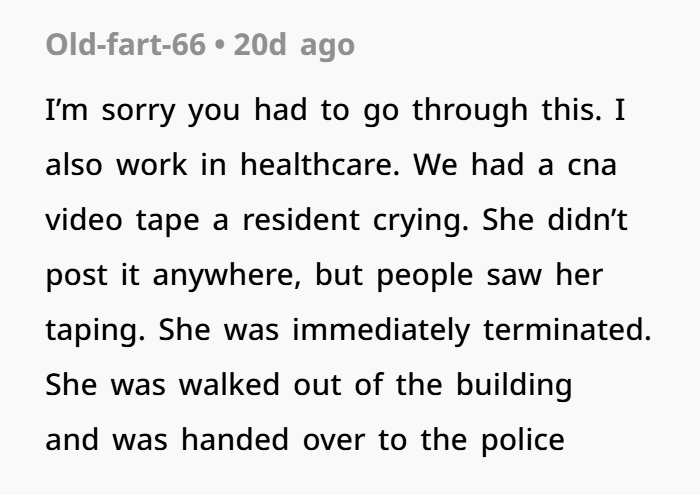
Online posts that appear to bully, threaten, or target a coworker can damage that trust. Depending on workplace rules and the facts of the situation, employers may view this type of behavior as a policy issue.
Many healthcare organizations also have social media guidelines. A post about a coworker may violate those rules if it crosses professional boundaries.
3. You Are Not Responsible for Someone Else’s Actions
Many people feel guilty after reporting harmful behavior. They worry about what might happen to the other person.
Reporting a problem is not the same as trying to ruin someone’s life. It is a way to protect yourself, set limits, and address behavior that feels unsafe.
You did not create the video.
You did not insult someone online.
You did not make threats.
You did not share private information.
The choices that caused the situation came from the person who made the post. Any consequences are connected to those choices.
Speaking up about harmful behavior does not make someone the problem. It shows they want respect and a safe workplace.
Ignoring this type of behavior can also send the message that online humiliation is acceptable. Reporting concerns helps create clearer boundaries.
4. Online Posts Can Have Real Effects
Social media can feel casual, but posts about real people can have serious effects.
A TikTok video can spread quickly. People may comment or joke without knowing the full story. What seems like entertainment to viewers can feel painful and stressful to the person being targeted.
Being publicly embarrassed online can affect someone’s confidence and emotional well-being. Feeling upset or worried after being targeted is a normal reaction.
Adults have the right to protect themselves, speak up, and ask others to respect their boundaries.
5. Steps You Can Take
Here are some reasonable ways to handle the situation:
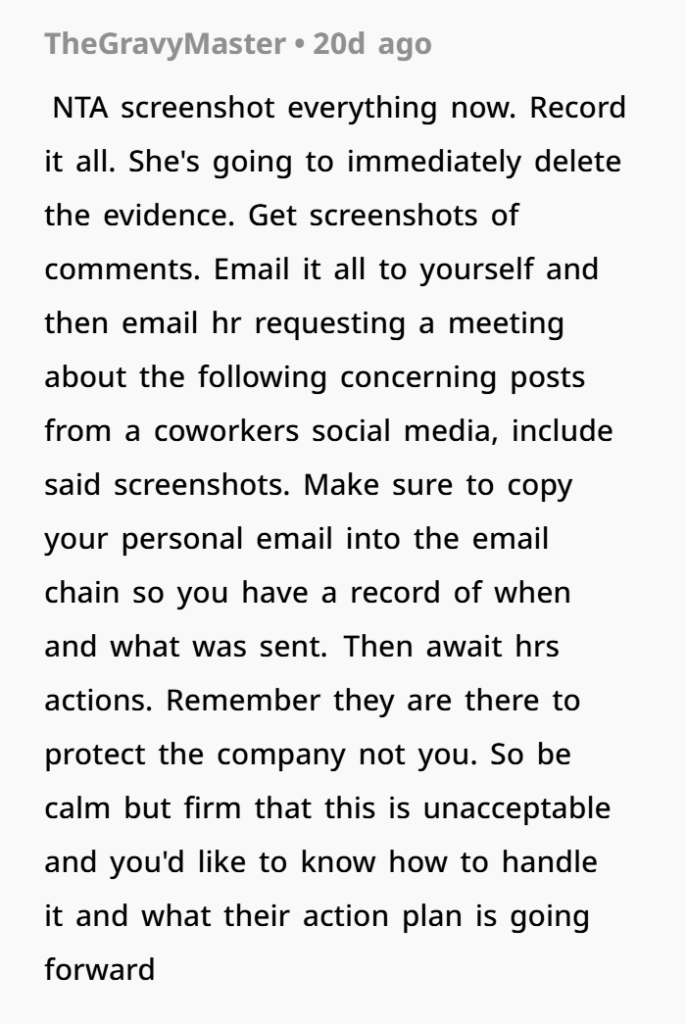
- Save evidence. Keep screenshots of the video, comments, dates, and details that connect the post to you.
- Review workplace rules. Check your employer’s policies about social media and employee behavior.
- Speak with HR privately. Focus on safety and workplace concerns instead of punishment.
- Avoid direct conflict. A personal argument could make the situation harder to manage.
- Take care of yourself. Talk with trusted people if the situation is causing stress.
Protecting yourself does not mean you are trying to harm someone else. It means you are setting a boundary when someone’s actions affect your safety and peace of mind.
After Sharing Her Story, People Encouraged Her to Take Action Against the Workplace Bullying
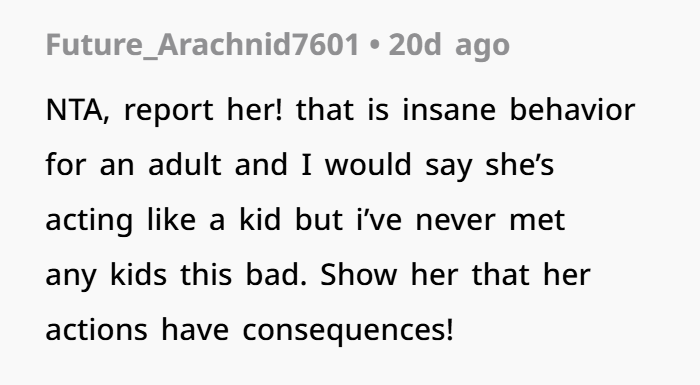
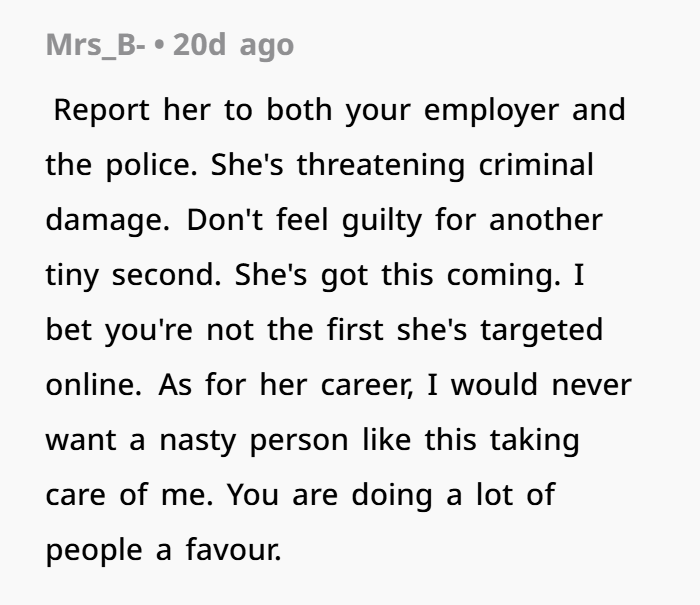
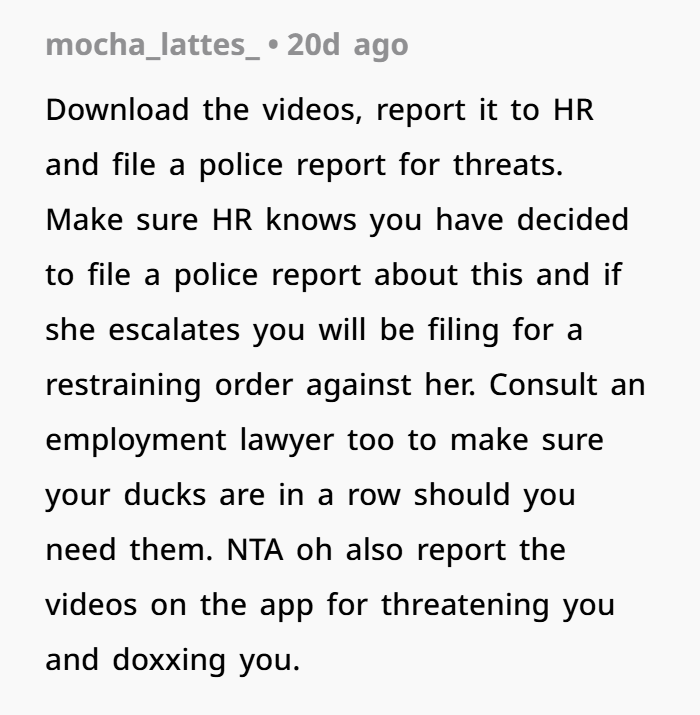
You are not wrong for wanting to address this situation.
You were the person affected by behavior that appears to involve bullying, personal targeting, and public embarrassment.
You did not choose to be part of this situation. Reporting it does not mean you are trying to hurt someone. It means you are protecting your safety, setting clear boundaries, and asking for a respectful workplace.
When people say to ignore it, they may not understand how painful it can be when private matters become online content for others to discuss or make fun of.
You have the right to speak up about behavior that makes you feel unsafe or uncomfortable. Taking action allows the issue to be handled properly and helps protect your well-being.