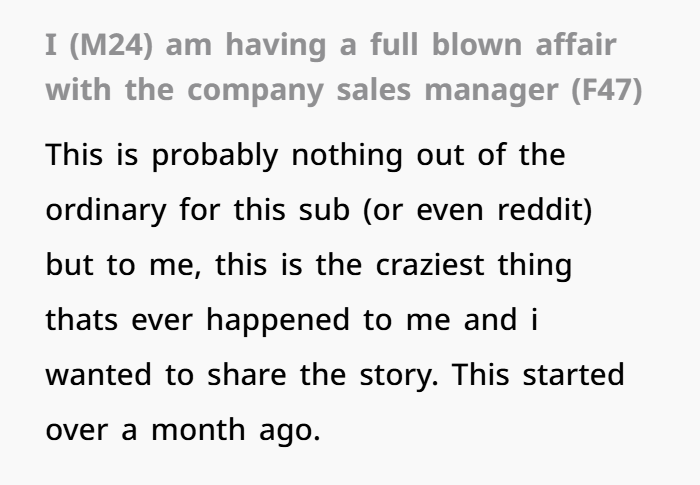
24-Year-Old Employee Reveals Secret Relationship With 47-Year-Old Sales Manager
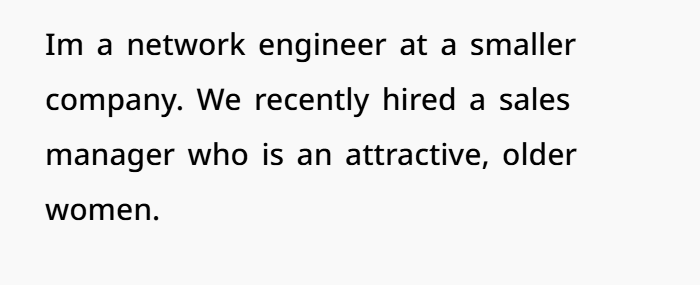
A 24-year-old network engineer was asked to help a newly hired 47-year-old sales manager with her office technology. She was friendly, approachable, and easy to work with.
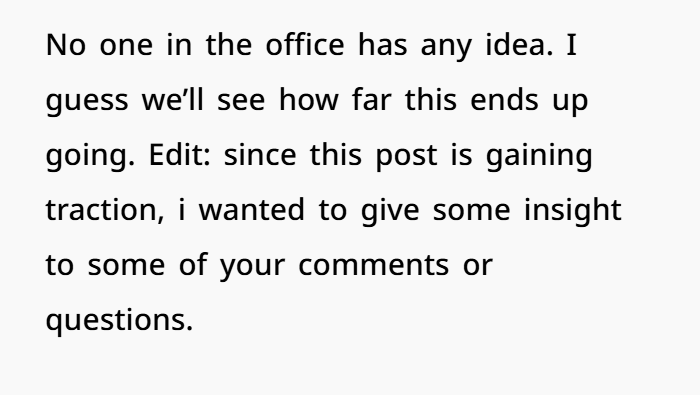
Over the next few weeks, she kept reaching out to him for computer support. Their quick work meetings slowly turned into longer talks about family, relationships, careers, and personal goals. A closer bond began to form between them.
One evening, she invited him to her home to check her personal computer. The visit became more personal, and they began a private relationship.
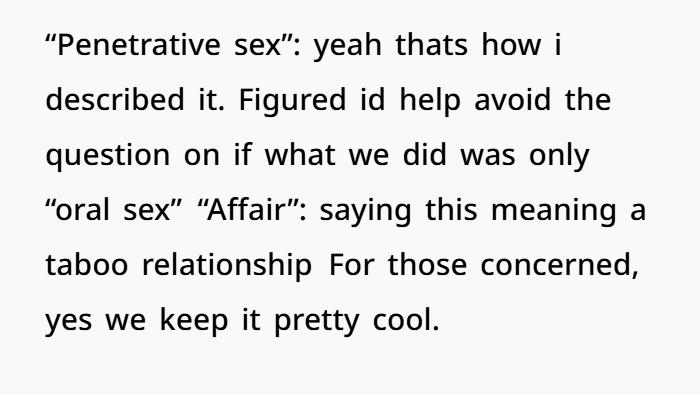
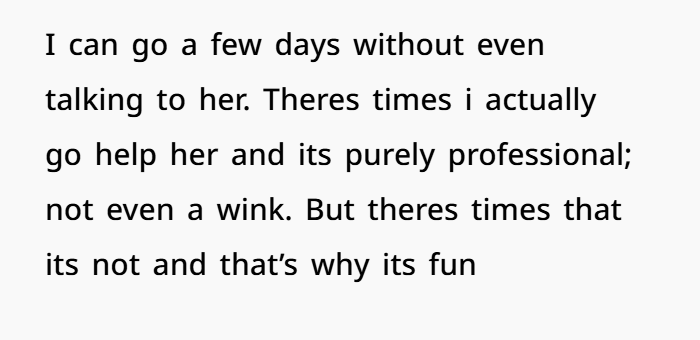
While they both say the relationship was mutual, keeping it secret could create problems at work. It may raise concerns about workplace rules, professional boundaries, and possible conflicts of interest.
A hidden relationship between coworkers can affect trust, team dynamics, and career stability if others question the situation.


How Their Workplace Connection Grew
The young employee worked as a network engineer at a small company. When a new sales manager joined the team, he helped set up her computer and office equipment.
Their first interactions were simple and work-related. He shared his office extension and told her to contact him if she needed technical help. During her first week, she called several times about small issues, such as loose cables and computer accessories.
Each support request gave them more time to talk. The sales manager was confident and social, while the engineer saw himself as quiet and reserved. Her warm attitude helped him feel at ease, and they started building a friendly connection.
Over time, their conversations became more personal. She talked about her divorce and shared that her former husband worked in information technology. She also mentioned being attracted to intelligent people with strong technical skills. What started as regular workplace chats slowly developed into flirting.
A Visit Away From the Office Changed Their Relationship
The situation shifted one evening after most employees had left the office. The sales manager contacted the engineer because her laptop was stuck in its docking station. He solved the issue, but they stayed in her office and continued talking afterward.
During their conversation, she mentioned that her home computer was having problems and would not start properly. Since she lived nearby, he offered to check it. She invited him to visit that same evening.
He arrived with his repair tools and first tried to find the cause of the computer issue. However, they soon stopped focusing on the device and spent the rest of the evening talking and getting to know each other on a more personal level.
The meeting turned into a mutual romantic encounter. He later visited her home several more times, though fixing the computer was no longer the main reason for the visits. Their private relationship continued without their coworkers knowing.
The Workplace Risks of a Manager-Employee Relationship
The age gap may draw attention, but it is not the main concern. Both people are adults. The bigger issue is whether the sales manager has control over the employee’s work, reviews, pay, promotions, or job security.
A relationship between a manager and an employee can create a power imbalance, even when both people agree to it. If one person can affect the other’s career, others may question whether the relationship could influence workplace decisions.
Office relationships are common. A Society for Human Resource Management survey found that many employees have experienced workplace romances. Some workers also reported that these relationships had a negative impact on their careers.
Advertisement – Continue Reading Below
Keeping the relationship hidden can create more concerns. Coworkers may question favoritism, conflicts of interest, fair treatment, and workplace ethics. These issues can affect trust within the team.
Company Rules and Human Resources Concerns
Employees involved in a workplace relationship should check their company policies. Some companies allow coworker relationships but require disclosure when one person manages the other. Other companies do not allow relationships between employees in the same reporting line.
If a conflict of interest exists, the company may ask one employee to move to a different team or reporting structure. The goal is to keep work decisions fair and avoid concerns about special treatment.
Both employees must also keep their work conduct professional. Using company time, equipment, or work requests to arrange personal meetings could create problems, even if the relationship itself is allowed.
What Happens If the Relationship Ends?
A private relationship may feel simple while both people are happy, but problems can appear after a disagreement or breakup. The engineer may still need to support the manager with technical issues, while she may continue to have influence over his work.
Possible issues include:
- Uncomfortable workplace interactions
- Office gossip and damaged reputations
- Claims of unfair treatment
- Changes in work duties or reviews
- HR complaints
- Concerns about pressure, consent, or retaliation
- Workplace harassment or legal disputes
Employment laws protect workers from harassment and retaliation. Companies also have a responsibility to address problems involving managers and employees.
A consensual workplace relationship is not always a legal issue. However, relationships involving power differences require care because they can affect careers, workplace trust, and professional decisions.
A Better Way Forward
If the relationship continues, both people should talk openly about expectations and review the company’s dating rules. If disclosure is required, they may need to speak with HR and consider changing reporting arrangements.
They should also keep personal matters away from work. Avoiding private messages through company systems, public displays of affection, and decisions influenced by the relationship can help protect both employees.
What started as a simple computer support request has become a situation with possible career and workplace risks. Whether the relationship lasts or ends, maintaining clear boundaries is important for both people.dling it responsibly will matter far more than keeping it exciting and secret.
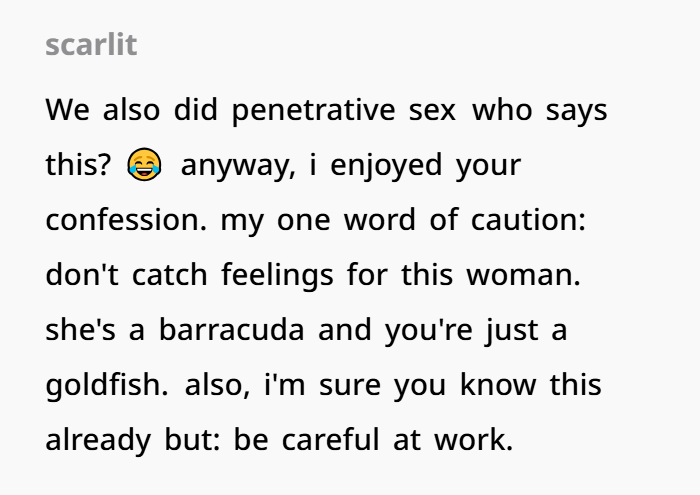
See the comments to know what people said

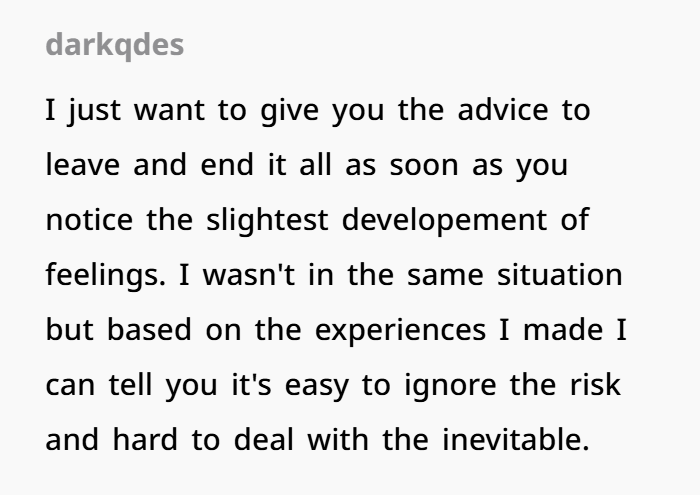
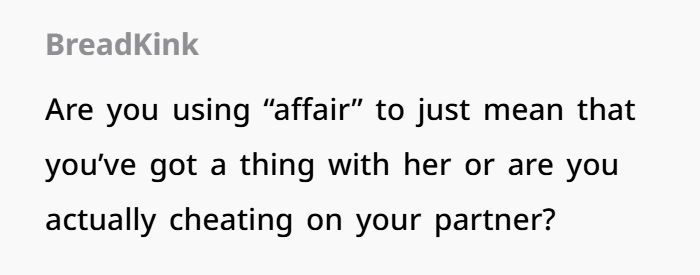



What started as a simple computer repair turned into a private workplace relationship. While both employees are consenting adults, the manager-employee connection can create professional, personal, and career challenges.
If they choose to continue the relationship, they should review company rules and keep their personal and work lives separate. Clear boundaries and open communication can help reduce the risk of conflicts, workplace rumors, HR issues, and career problems.