HOA Keeps Billing a Man Who Was Never a Member, So He Decides to Fight Back
Owning a home comes with plenty of responsibilities, from paying for repairs to following local property rules. In many U.S. neighborhoods, homeowners associations (HOAs) manage shared spaces and set rules for residents.
But HOA rules can sometimes cause serious disputes. One homeowner believed the rules didn’t apply to him because he had bought his property before the HOA introduced them. Since he had owned the home for years, he felt he shouldn’t have to follow the newer requirements.
The HOA saw things differently and continued asking him to follow its rules. This sparked a dispute over his property rights and whether the association could enforce rules introduced after he bought his home.
Stories like this show why buyers should understand property agreements and HOA rules before purchasing a home. Reading the documents carefully and knowing your rights can help prevent costly disputes down the road.






Homeowner Challenges HOA Rules and Fights for His Property Rights
Homeowners associations, better known as HOAs, are common across many U.S. neighborhoods. They set rules for shared spaces, property upkeep, and community standards.
These groups can help keep neighborhoods clean and protect property values. But problems can arise when homeowners feel certain rules are unfair or don’t apply to their homes.
One homeowner found himself in a dispute after claiming his HOA had no legal right to control his property.
Homeowner Says HOA Rules Don’t Apply to His Property
The homeowner argued that his property was protected by a grandfather clause. This type of clause allows certain older rights or agreements to remain in place after new rules take effect.
In simple terms, some homeowners may be protected from rules introduced after they bought their property. This depends on the terms of their original agreements.
For example, someone who purchased a home before an HOA was formed may have legal documents explaining whether later rules apply to them.
The answer often depends on property records, state laws, and the HOA’s governing documents.
The Dispute Grows Over HOA Fines and Authority
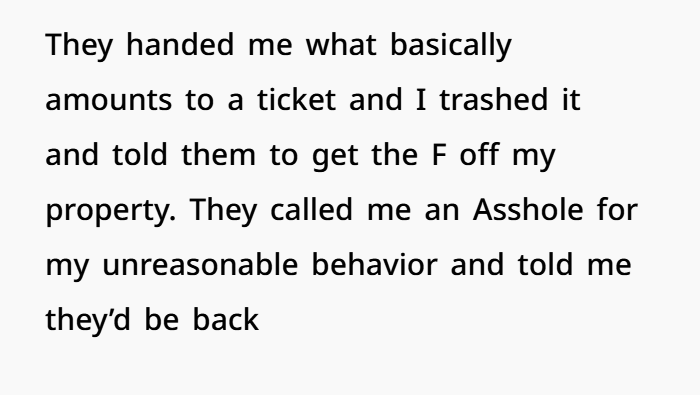
The homeowner claimed the HOA kept sending him notices and fines. He believed the association had no legal authority over his property.
HOA disputes can involve many issues, including:
- Home maintenance rules
- Renovation approvals
- Lawn and landscaping standards
- Parking restrictions
- Monthly or yearly fees
- Fines and other penalties
When homeowners believe an HOA has gone beyond its authority, they may need legal help to understand their rights.
What Grandfather Clauses Mean for Homeowners
A grandfather clause can protect certain existing rights or conditions from newer rules. In real estate, this may allow a homeowner to keep following older agreements.
However, simply owning a home before an HOA rule existed doesn’t guarantee protection.
Advertisement – Continue Reading Below
The exact wording of the property documents, HOA agreements, and local laws matters. Homeowners should review these records before deciding that a rule does not apply to them.
He Looks for Legal Help to Challenge the HOA
The homeowner decided to seek legal support because he believed the HOA was treating him unfairly.
A real estate attorney can review property records, explain ownership rights, and help settle disagreements. Sometimes, a formal letter from a lawyer can resolve a dispute without going to court.
Getting legal advice early can also help homeowners avoid extra fines and legal costs.
Knowing Your Rights in an HOA Community
Living in an HOA neighborhood often means agreeing to follow certain community rules. These rules help manage shared spaces and maintain neighborhood standards.
However, HOA boards must also follow their own governing documents and state laws. They cannot simply create rules or penalties without proper authority.
Before buying a home in an HOA community, buyers should review:
- HOA fees and payment terms
- Community rules and restrictions
- Renovation and building limits
- Property maintenance duties
- Possible future costs
Checking these details before buying can prevent unexpected expenses and disputes.
Finding a Fair Solution Between Homeowners and HOAs
Both homeowners and HOAs have responsibilities when it comes to managing a community. Problems often arise when either side misunderstands the rules or ignores its legal duties.
Clear communication and a careful review of property documents can help prevent many disputes.
Owning a home should give people a sense of security, not leave them worried about unexpected rules and fines. Knowing your rights and responsibilities can make a big difference when dealing with an HOA.s with responsibilities, but homeowners should also know their rights. Reviewing documents and getting proper advice can help both sides reach a fair solution.
The Comments Are In